
Long-tailed Tits and Common Firecrests Were Detected More Often Where More Time Had Passed Since Fire
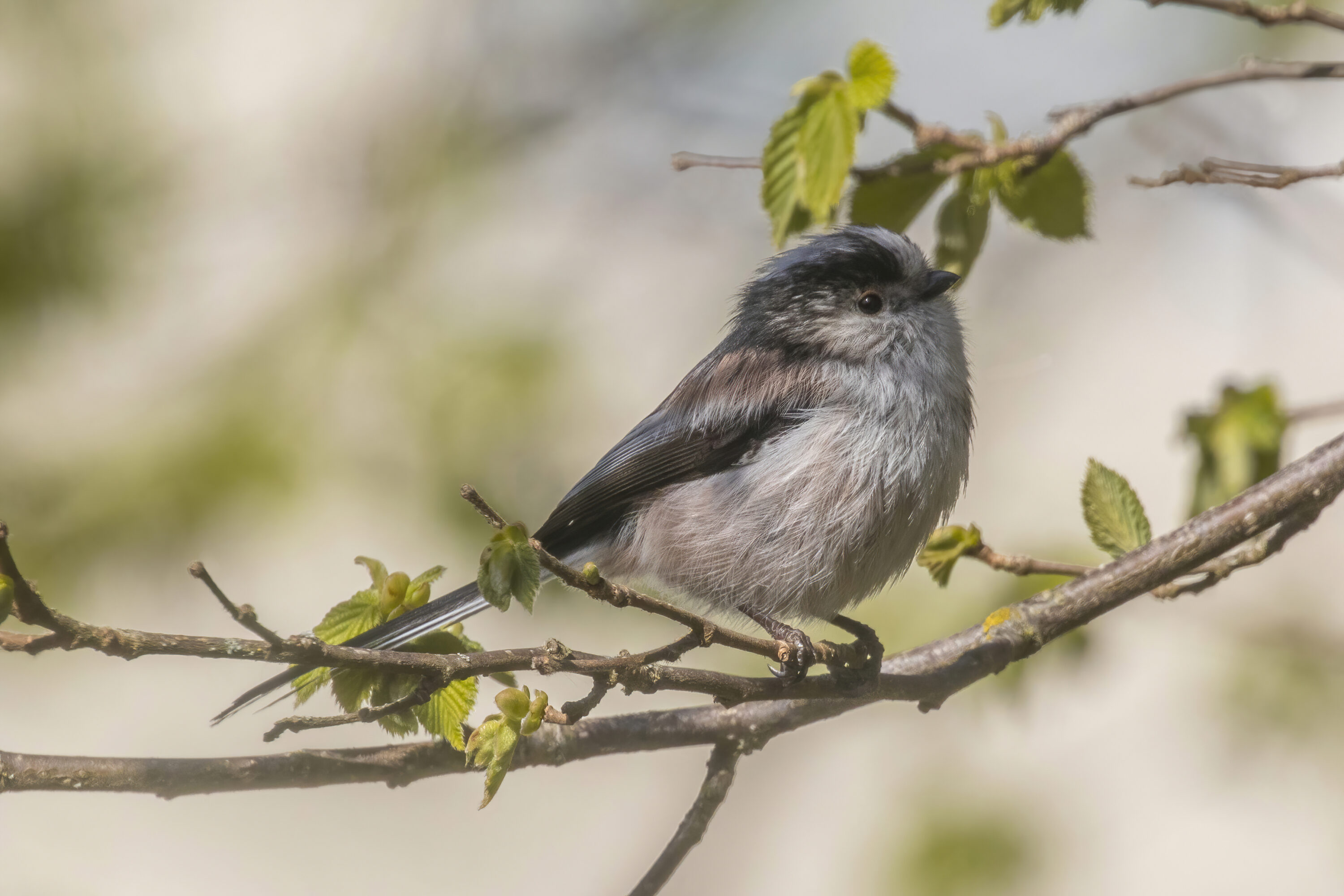
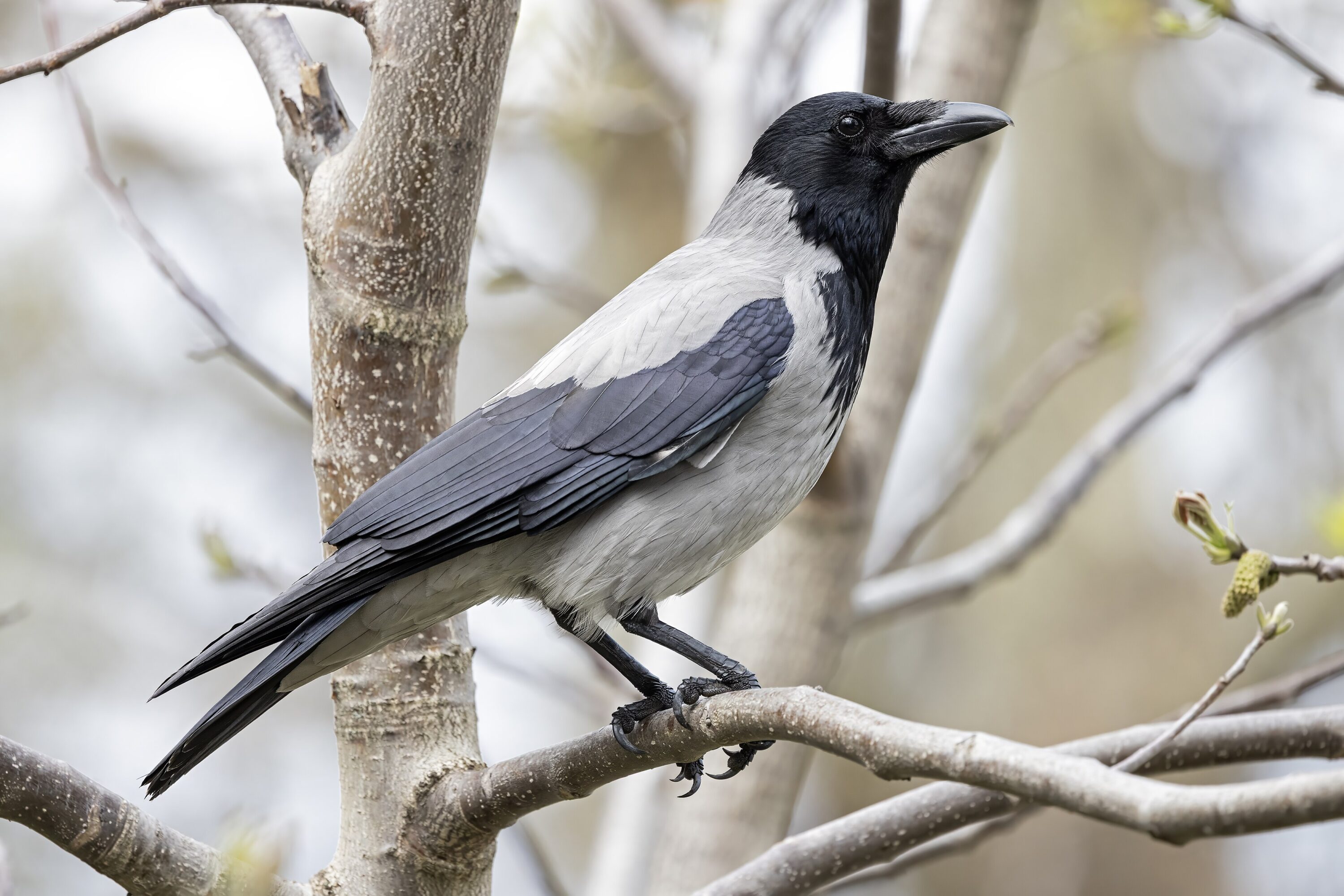
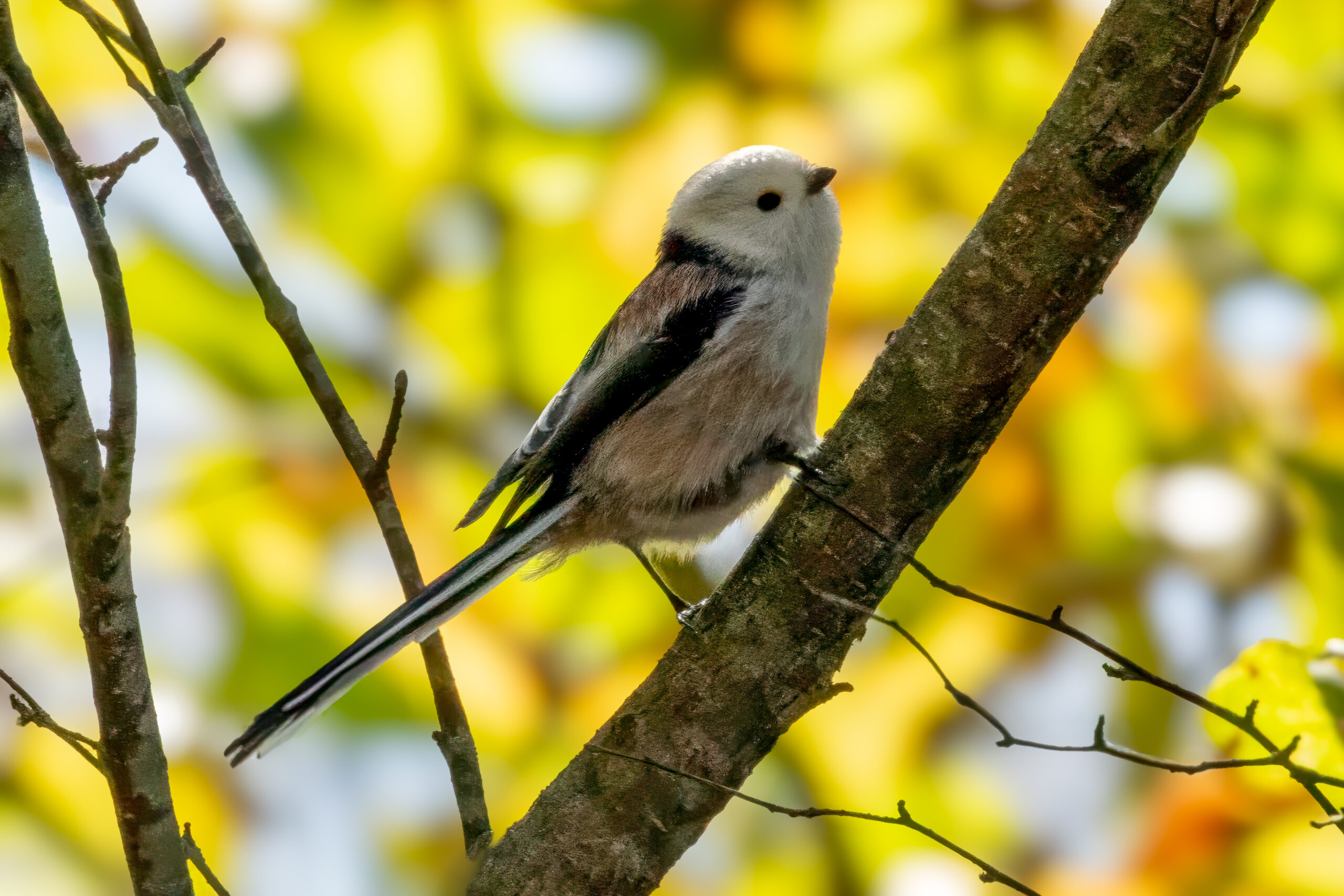
Long-tailed tits (Aegithalos caudatus) and common firecrests (Regulus ignicapilla) were detected more often in northern Greek pine forest where more time had passed since wildfire. Eurasian hobbies (Falco subbuteo) and hooded crows (Corvus corone cornix) showed the opposite pattern. These were the only four species for which the analysis supported a clear directional relationship with years since fire.
The researchers compared four Aleppo pine (Pinus halepensis) stands on the Sithonia Peninsula: one had remained unburned for at least 40 years, while the others had burned in 2001, 2009 and 2018. Eleven autonomous recorders sampled bird sounds across four seasons from March 2022 to January 2023. BirdNET was used to identify calls, with a subset checked by experts.
Season mattered more than fire history for the bird community overall
Forty-three bird species were detected. Season explained more of the overall variation in bird-community composition than fire history, but the stands also differed in which species contributed most strongly to their acoustic communities. The long-unburned stand was characterised by woodland species including European robin, goldcrest, long-tailed tit and common firecrest, whereas the most recently burned stand had a stronger contribution from generalist and shrub-associated species, including hooded crow.
Four species showed clear directional patterns with time since fire
At species level, detection probability increased with years since fire for long-tailed tit and common firecrest, but decreased for Eurasian hobby and hooded crow. Here, higher detection probability means that a species was more likely to be recorded acoustically at a site; it is not the same as a direct estimate of population size or density. The authors stress that the study compared only four fire-history conditions and did not replicate independent fires within each age class. The species-level patterns should therefore be read as exploratory associations among the sampled stands rather than as proof that time since fire alone caused the differences.
Ecology
Related news
Hooded Crows Were Linked to 87 Reported West Nile Virus Bird Outbreaks in Europe
The September ECDC–EFSA report linked hooded crows to 87 reported West Nile virus bird outbreaks, Eurasian magpies to…
Read story →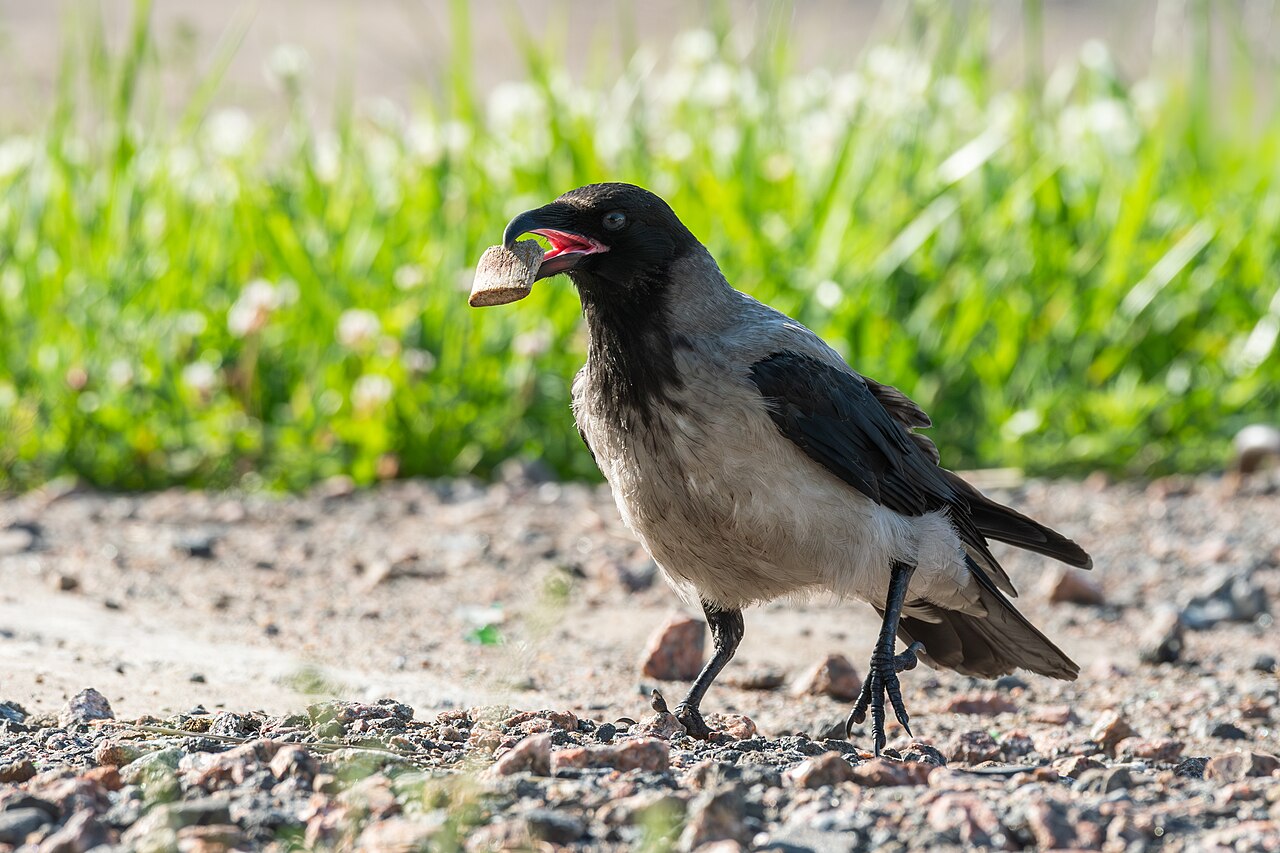
Hooded Crow Nestlings Had Low Levels of Cadmium, Lead and Arsenic in a Polish Wetland
Blood and feather samples from 29 hooded crow nestlings in Warta Mouth National Park showed low concentrations of…
Read story →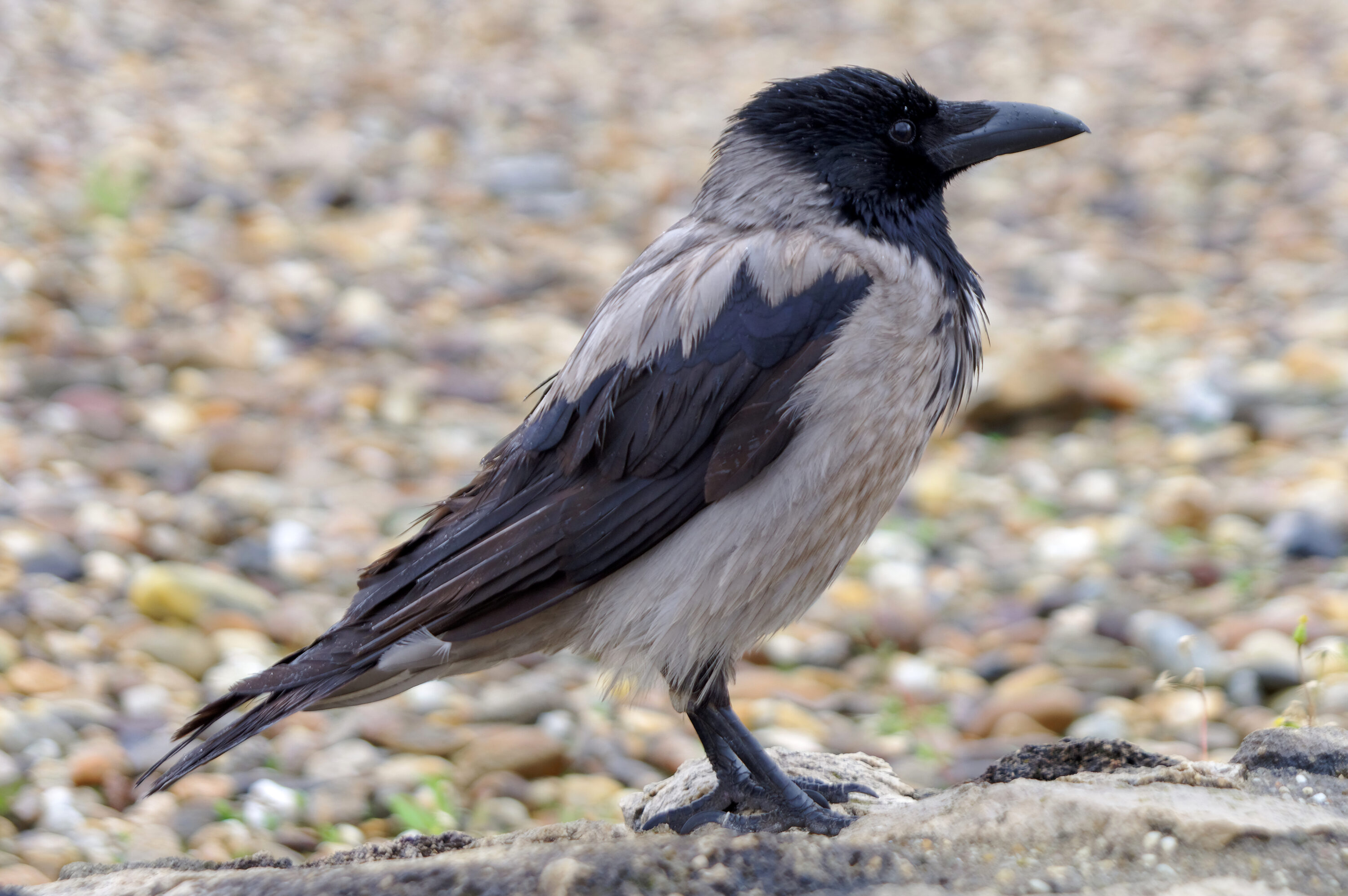
ESBL-Producing Bacteria Found in 61% of Sampled Urban Hooded Crows in Hungary
A Hungarian study found ESBL-producing bacteria in 61% of 212 urban hooded crows but only 7.7% of 52…
Read story →SPECIES IN THIS STORY
Species in this story

Independent research and conservation news archive
Did you find this information useful?
Wildlife Vagabond is independently built and maintained. Voluntary support helps cover source verification, hosting and continued work on research and conservation news.
Support Wildlife VagabondThe news archive will remain freely available.