
Magpies Dominated Predation on Artificial Pheasant Nests in Polish Urban Sites, Red Foxes in Farmland
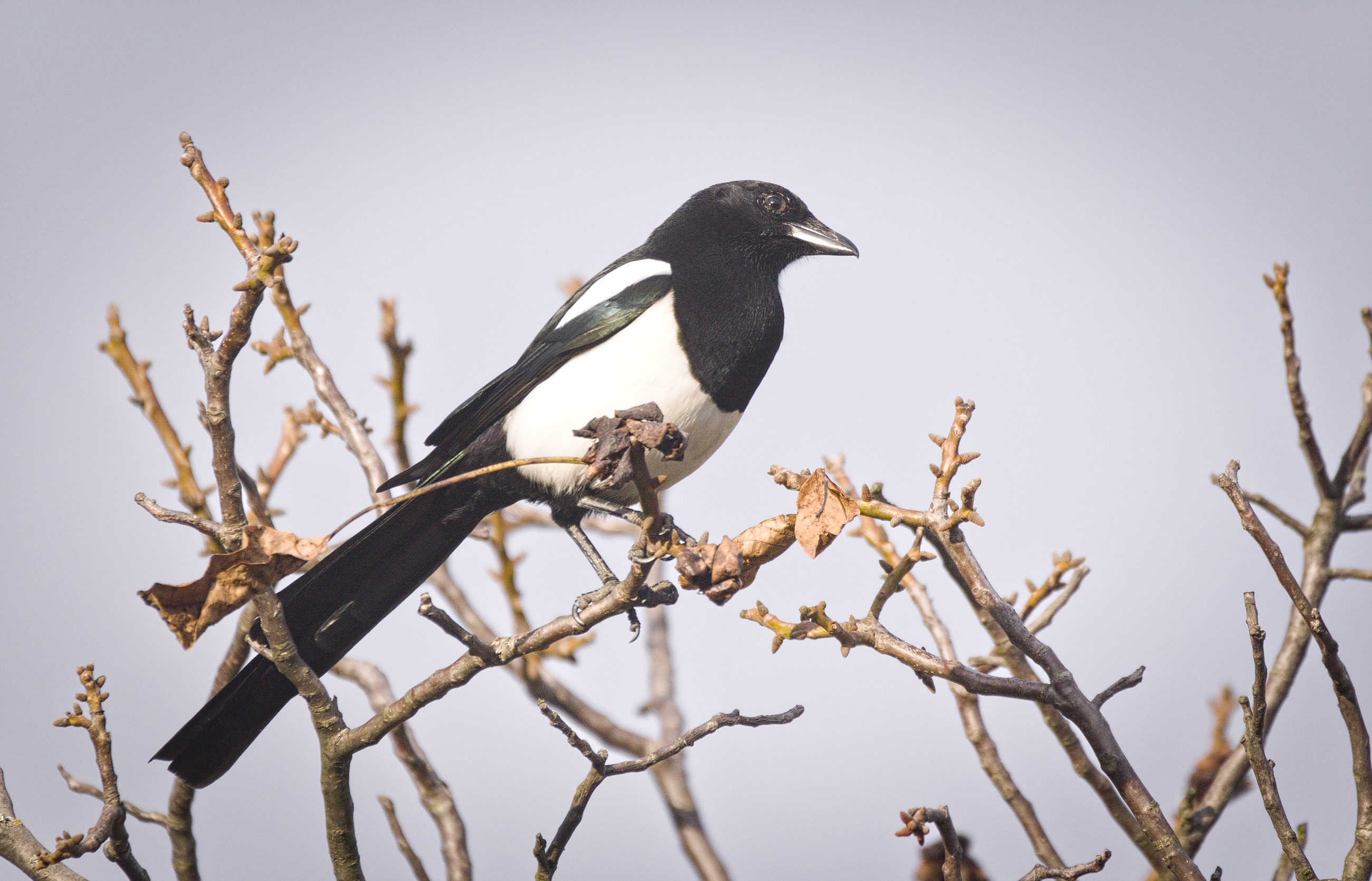
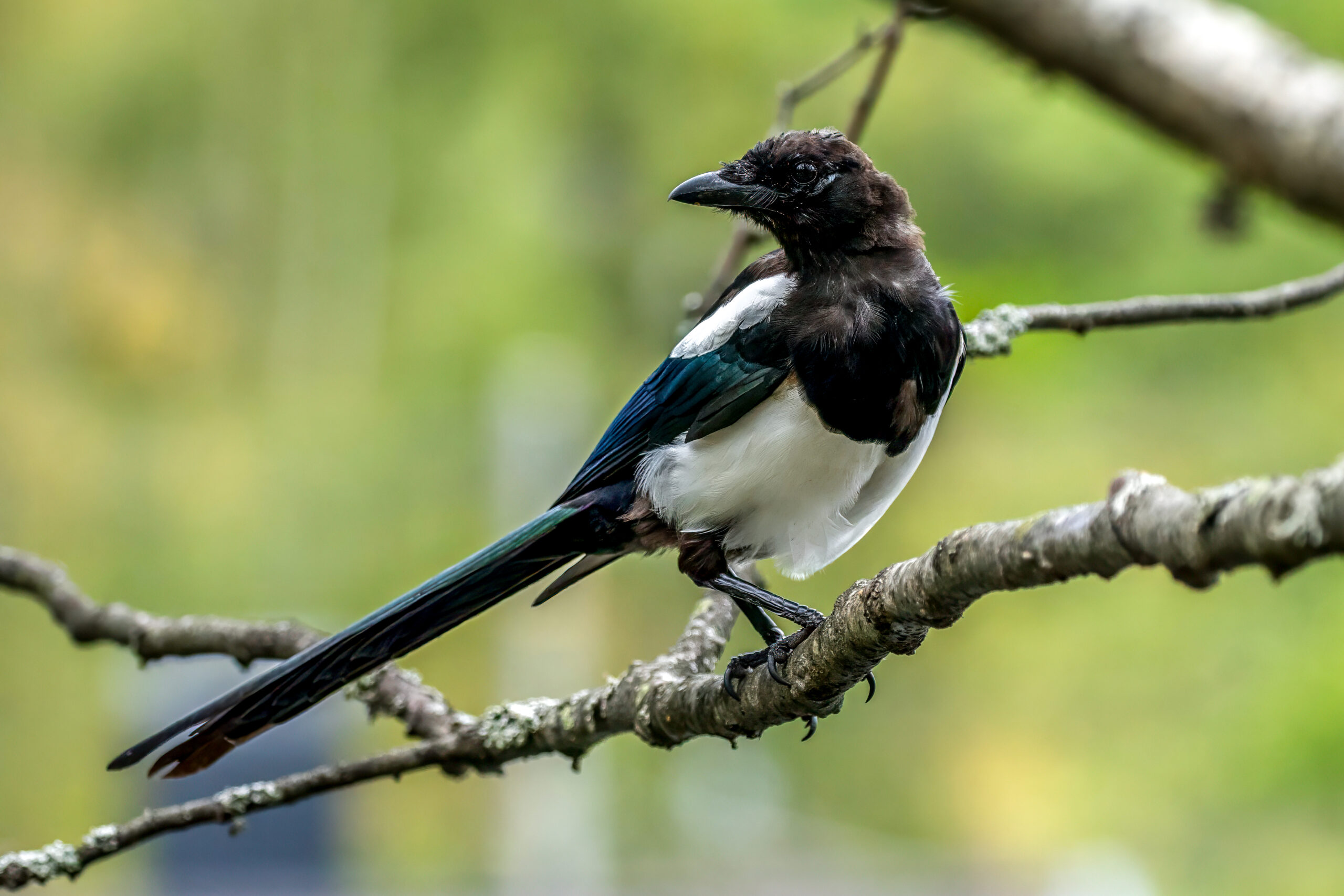
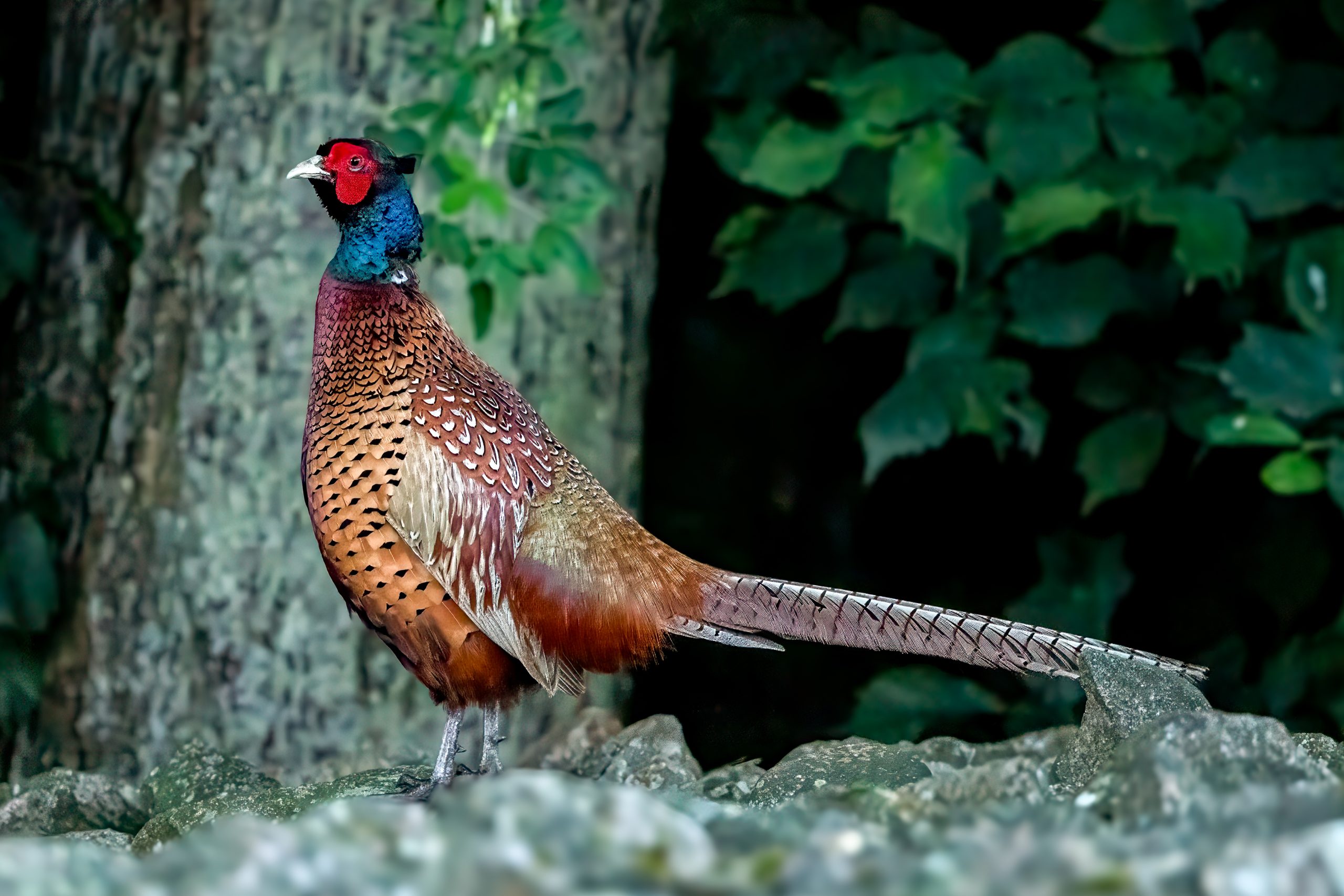
In Polish urban sites, Eurasian magpies (Pica pica) accounted for 72% of destroyed artificial nests representing common pheasant (Phasianus colchicus) nesting sites, while red foxes (Vulpes vulpes) accounted for 66% of the destruction in agricultural areas. The sharp contrast came from a field experiment comparing predator pressure across the two landscapes. The study was published on 22 July 2026 in Journal of Animal Science, Biology and Bioeconomy.
The researchers analysed 60 artificial nests during field experiments in 2024 and 2025. The nests were placed in habitats used by breeding pheasants, including urban thickets and allotment gardens, and field margins, fallow land and small wooded patches in agricultural landscapes. The experiment was designed to compare which predators attacked standardized nest sites under different landscape conditions.
Urban artificial nests suffered much more egg damage
The artificial nests were also damaged much more heavily in the urban sites overall: mean egg damage was 71%, compared with 25% in agricultural sites. Nests closer to individual buildings were more likely to be damaged, which was the clearest spatial pattern in the analysis. The predator records also differed sharply between the two settings: magpies dominated among destroyed urban nests, whereas red foxes dominated in farmland. But when predator species was considered together with the other landscape variables, the analysis could not clearly separate predator identity itself as an independent explanation for how much egg damage occurred. The authors therefore interpret the result more broadly: landscape structure and the degree of human transformation help shape both where artificial nests are vulnerable and which predators are most often recorded at them.
Artificial nests are a test of predator pressure, not pheasant breeding success
The experiment did not follow natural pheasant clutches. Its percentages describe predator pressure on artificial nests placed in pheasant-like nesting habitat, not the proportion of wild pheasant nests lost to magpies or foxes. The experiment therefore shows both that artificial nests suffered more egg damage in the urban sites and that the predators recorded at destroyed nests differed between landscapes. It does not estimate the natural nest-loss rate of wild pheasants.
Ecology
Related news
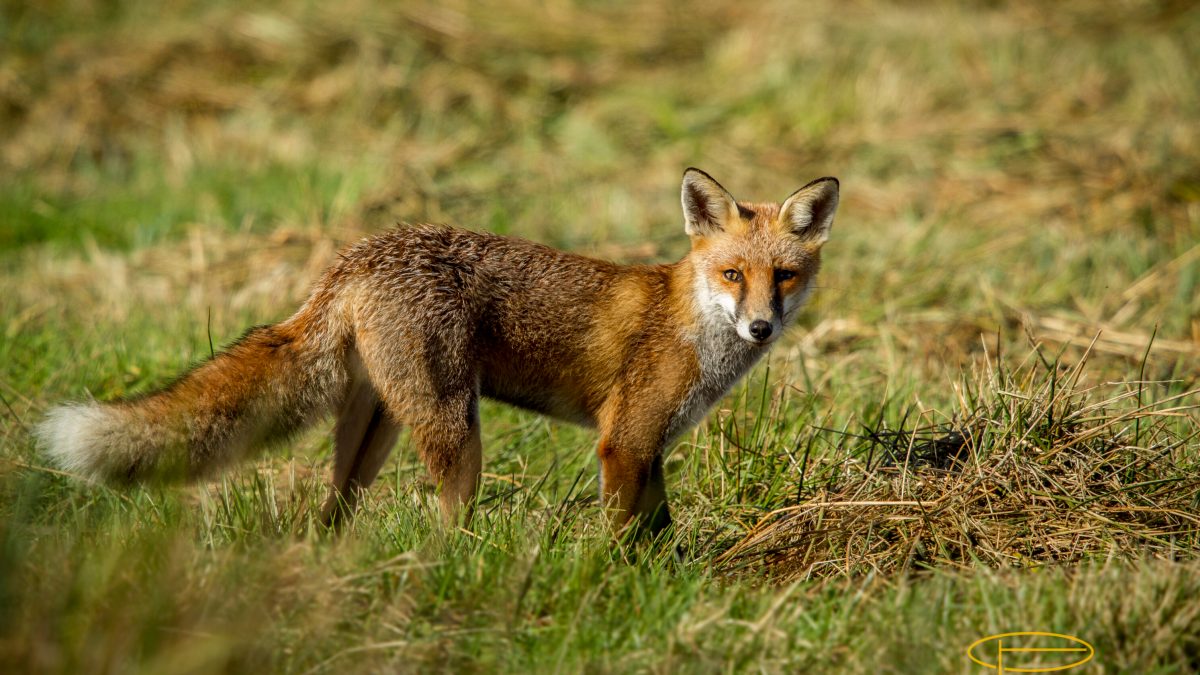
Models Estimated Galliformes at 43% of Fox Diet on Releasing Sites and 33% Elsewhere
Stable-isotope models based on 117 red foxes estimated Galliformes at 43.1% of assimilated diet on gamebird-releasing sites and…
Read story →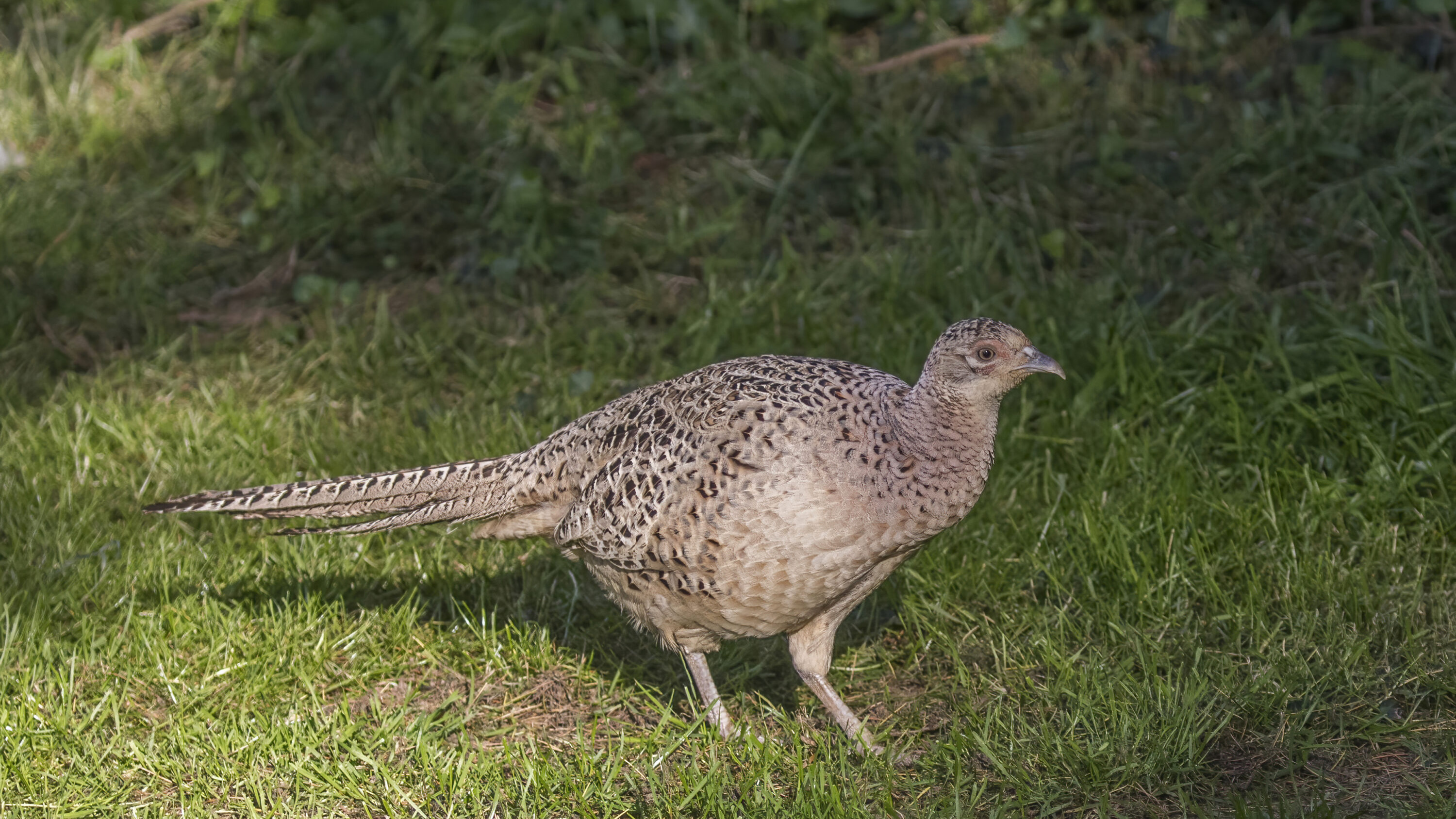
Predation, Almost Entirely by Red Foxes, Accounted for 42% of Recorded Mortality in Wild Norfolk Hen Pheasants
Radio-tracking of 154 wild hen pheasants in eastern England found a median survival of 129 days; predation caused…
Read story →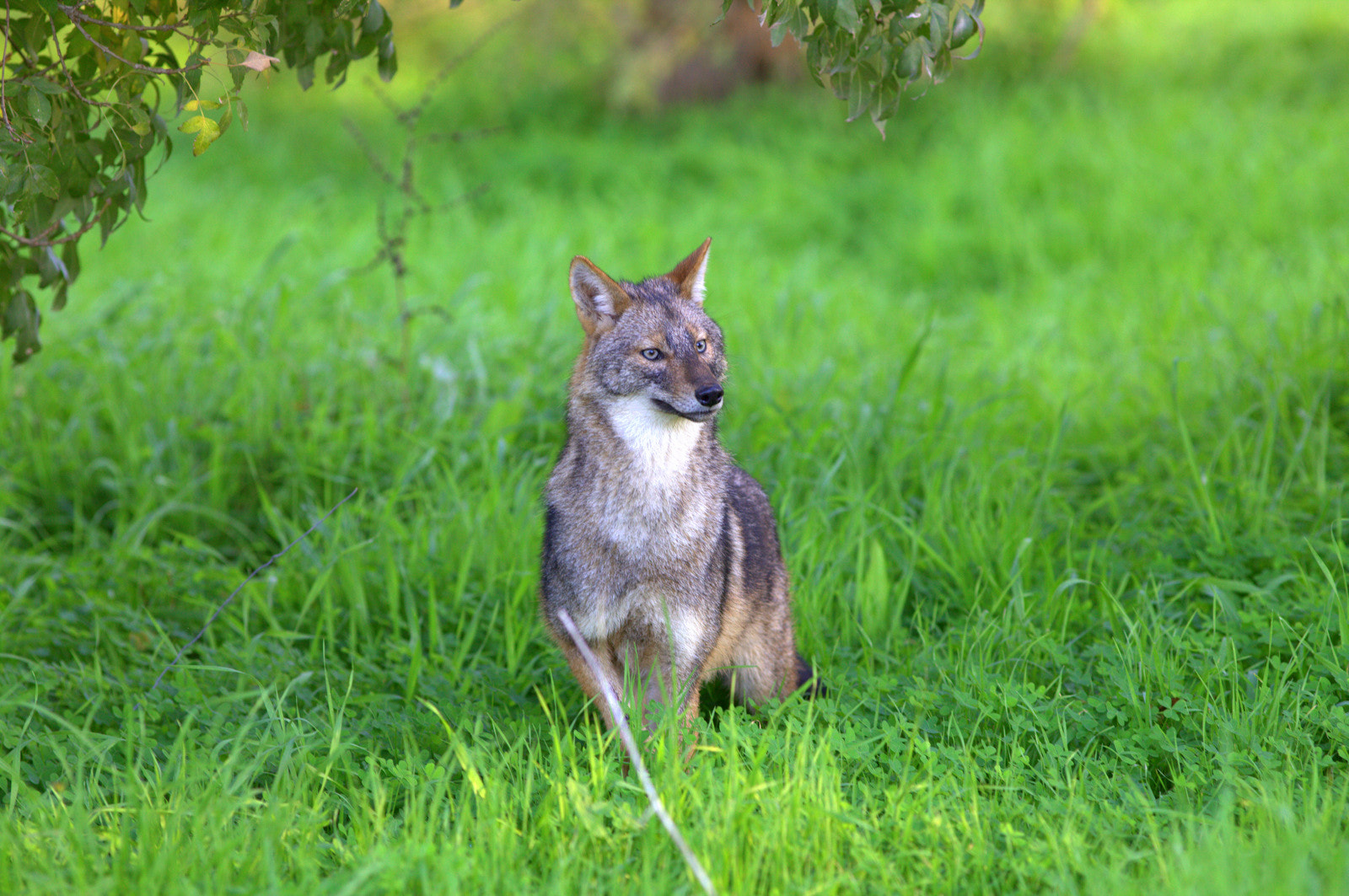
Similar Mammal Diversity, Different Activity Patterns in Grazed and Ungrazed Areas
Camera traps in four northern Israeli reserves found similar numbers of mammal species with and without livestock grazing.…
Read story →SPECIES IN THIS STORY
Species in this story

Independent research and conservation news archive
Did you find this information useful?
Wildlife Vagabond is independently built and maintained. Voluntary support helps cover source verification, hosting and continued work on research and conservation news.
Support Wildlife VagabondThe news archive will remain freely available.