
Male and Female Adder Venoms Showed Highly Similar Composition and Bioactivity
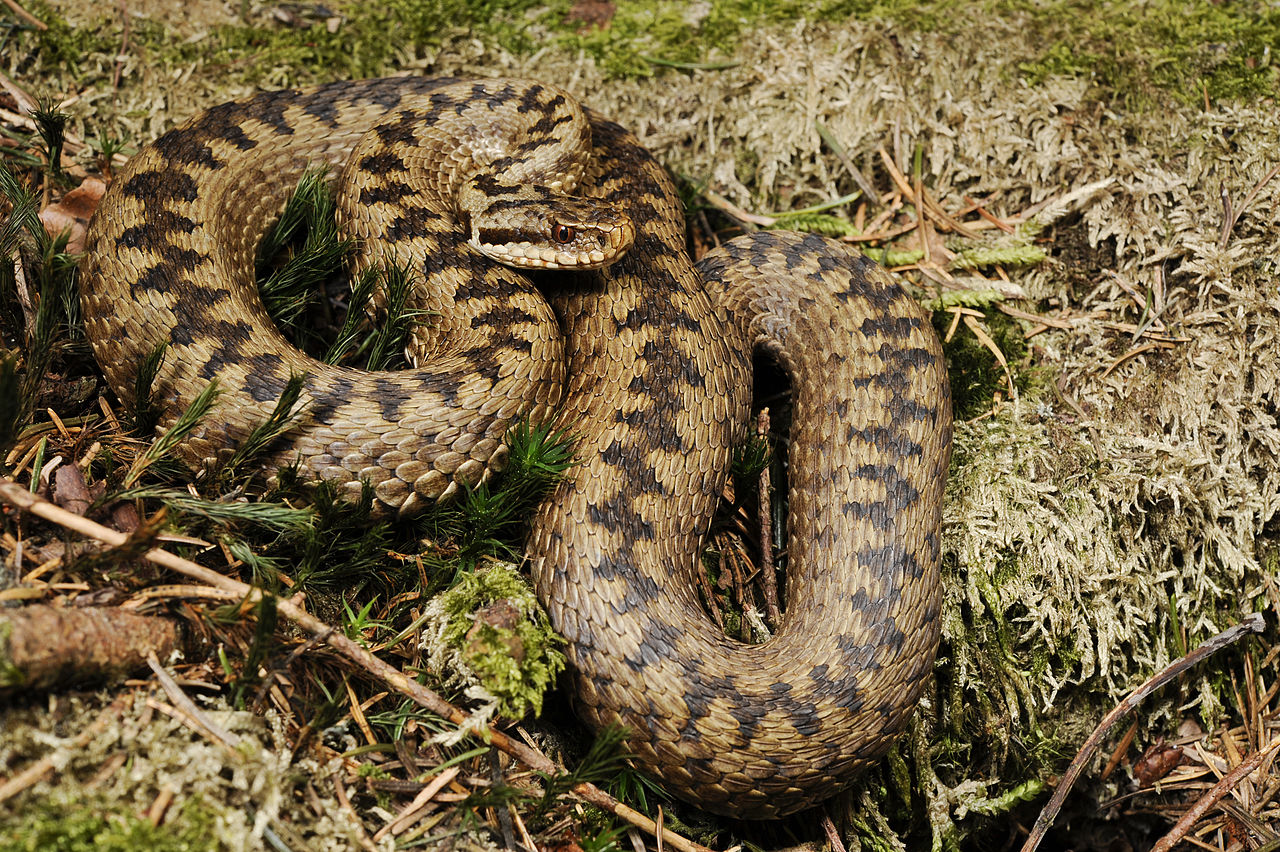
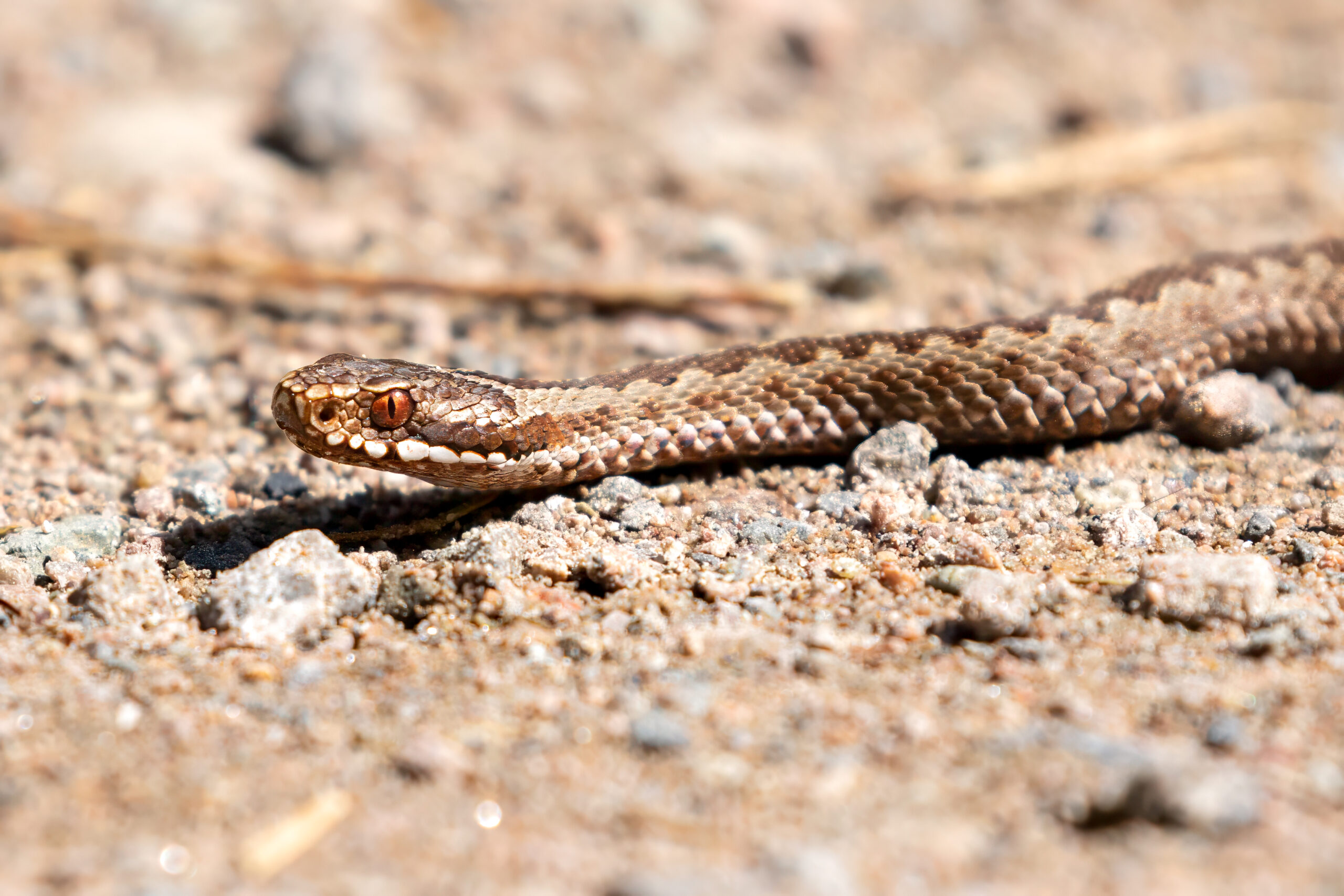
A study of captive-bred adders (Vipera berus) originating from northern Bavaria, Germany found that venom from adult males and females was highly similar in both composition and biological activity. The researchers compared venom from six males and six females, pooling the samples by sex before carrying out proteomic and functional analyses.
Snake venoms can vary within a species according to factors such as geography, age and season. The study examined whether sex produces another important source of variation in the adder, a species in which males and females differ in average size and appearance.
Four toxin families dominated both venom pools
Protein profiling using electrophoresis, chromatography and mass spectrometry produced very similar venom profiles for males and females. Four toxin families — phospholipases A2, snake-venom serine proteases, C-type lectins and snake-venom metalloproteinases — together accounted for more than 95% of the relative toxin-family abundance in the analysed venoms.
The researchers also tested protease and phospholipase A2 activity, effects on mammalian cell viability and several parts of the blood-clotting system. Male and female venom showed closely similar activity across these assays. Both pools displayed strong thrombin-like and plasmin-like activity. In this context, thrombin-like activity promotes processes involved in fibrin formation and clotting, whereas plasmin-like activity acts in the opposing direction by breaking down fibrin. The measured differences between the sexes were minor.
Little evidence for a sex effect
The authors conclude that their results do not indicate a noteworthy degree of sex-based venom variation in the studied adders. Slight differences in some protein-band intensities were considered more consistent with individual variation already known within the species than with a clear male–female difference. Dry venom yield varied from less than 1 to more than 9 mg among individuals. Females were generally larger and usually yielded more venom, and venom yield tended to increase with body size. These differences did not translate into a clear male–female difference in the pooled venom composition or activity.
Molecular biology & biochemistry
Related news
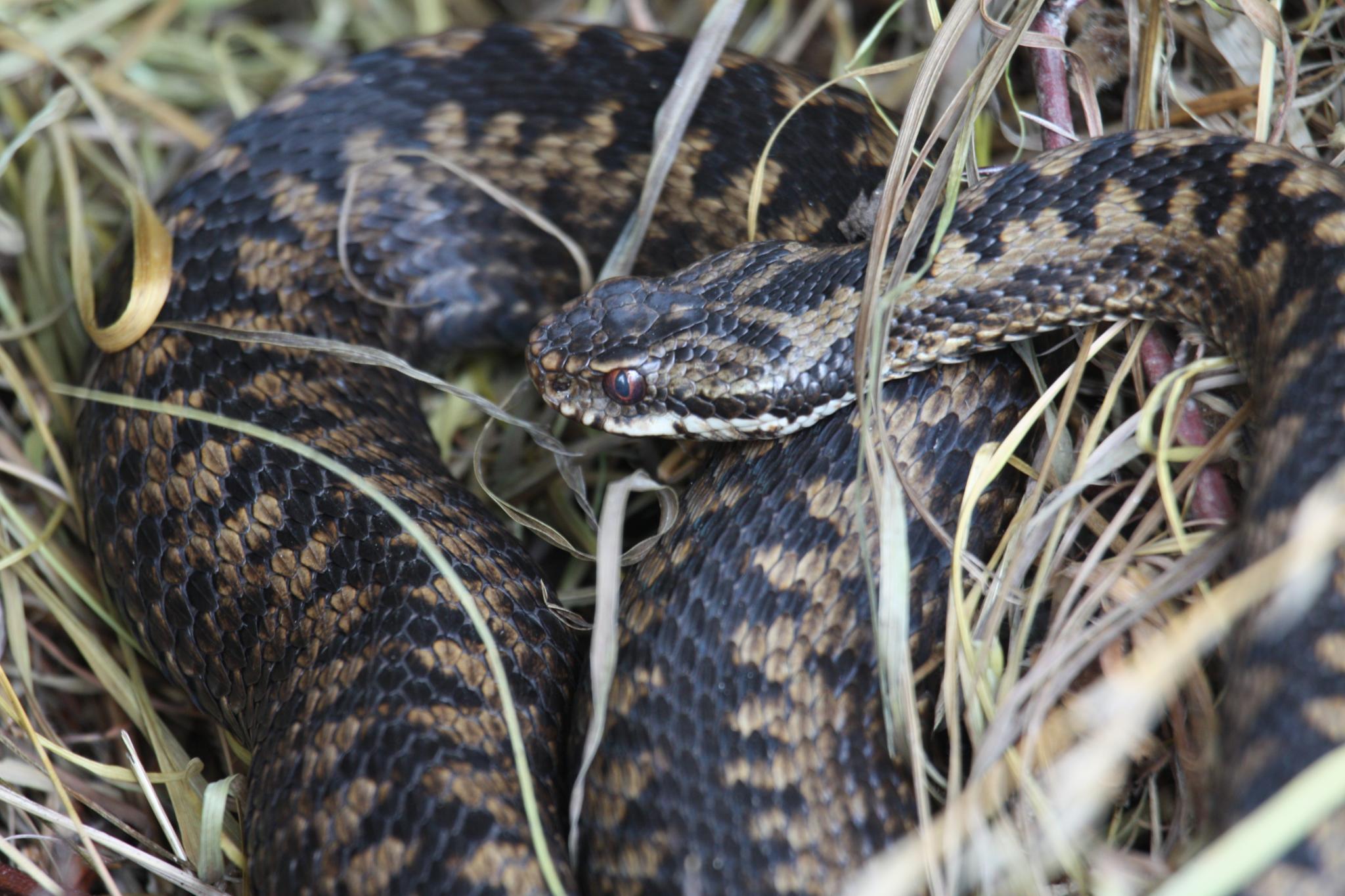
Cornwall Project Will Examine How Roads, Rivers and Habitat Fragmentation Affect Adders
A new Cornwall project will investigate how roads, rivers and fragmented habitats affect adder populations and their movement…
Read story →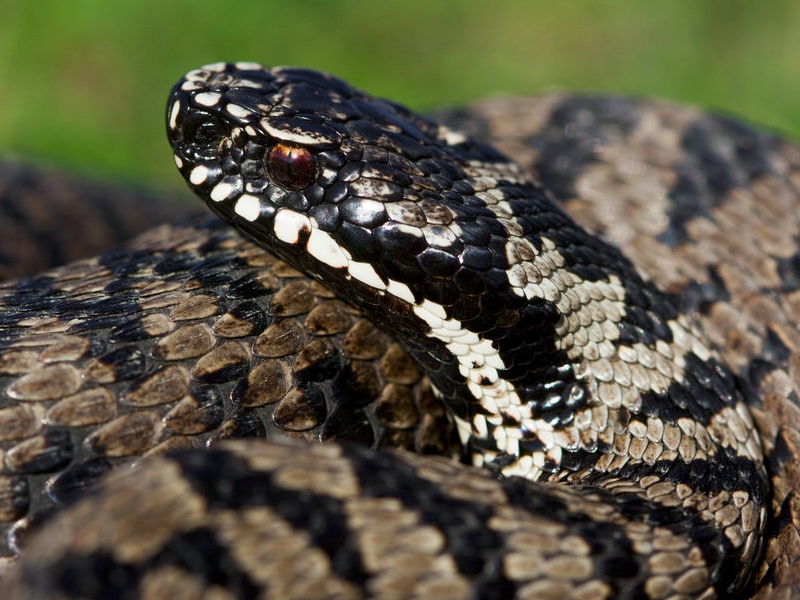
Balkan Adder Provided the First Wild Scavenging Record for Vipera berus
An adult female Balkan adder on Vitosha Mountain was found swallowing a dead bank vole whose severe injuries…
Read story →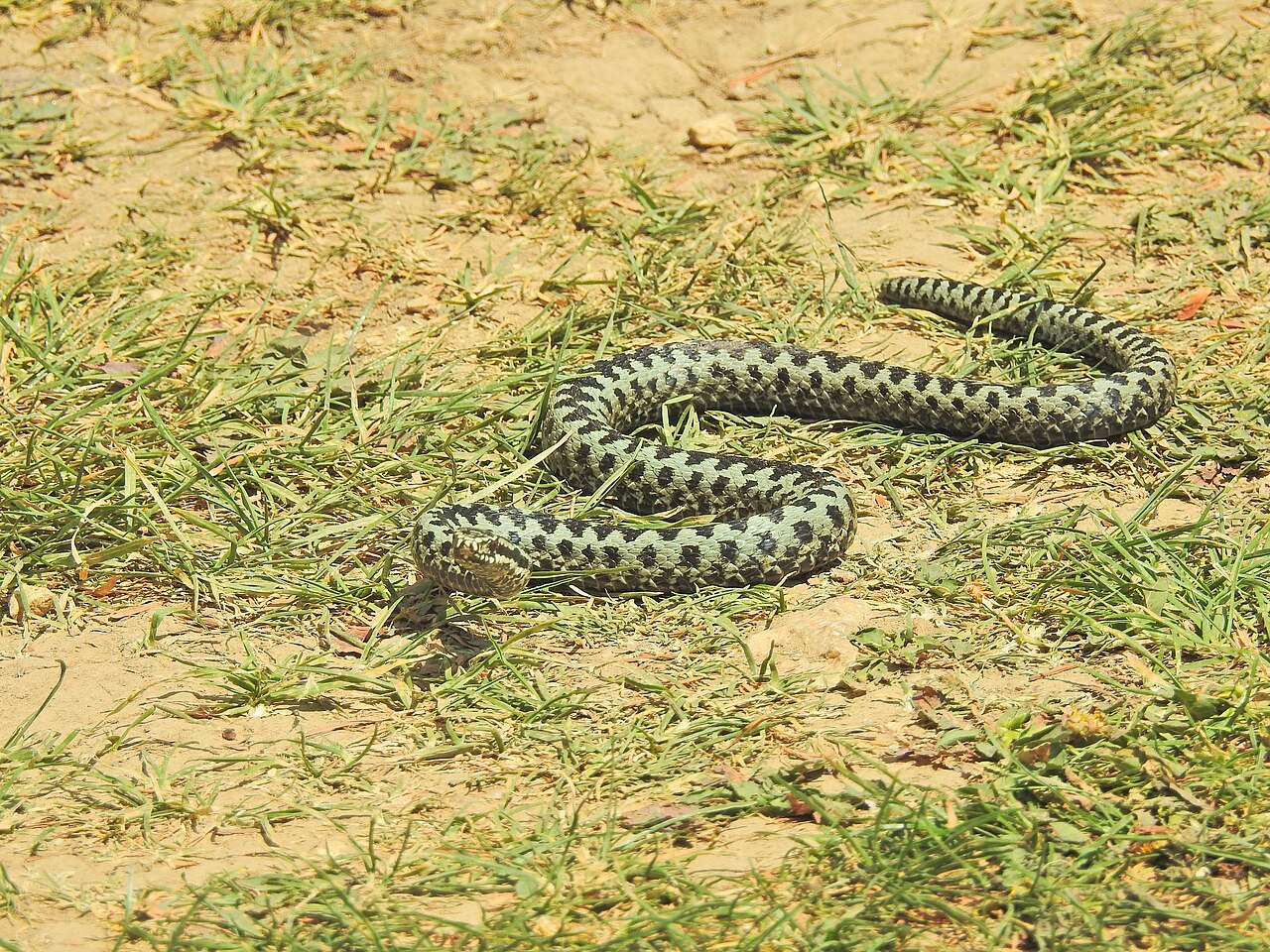
Genomic Scan Linked Gossa’s Rare Adder Stripe Morph to a Region Containing PMEL
A 2026 genome scan of 76 adders on Gossa in western Norway linked the island’s rare longitudinal stripe…
Read story →SPECIES IN THIS STORY
Species in this story
Independent research and conservation news archive
Did you find this information useful?
Wildlife Vagabond is independently built and maintained. Voluntary support helps cover source verification, hosting and continued work on research and conservation news.
Support Wildlife VagabondThe news archive will remain freely available.