
Maps Show Where Wild Boar Could Thrive and Spread on Jeju Island
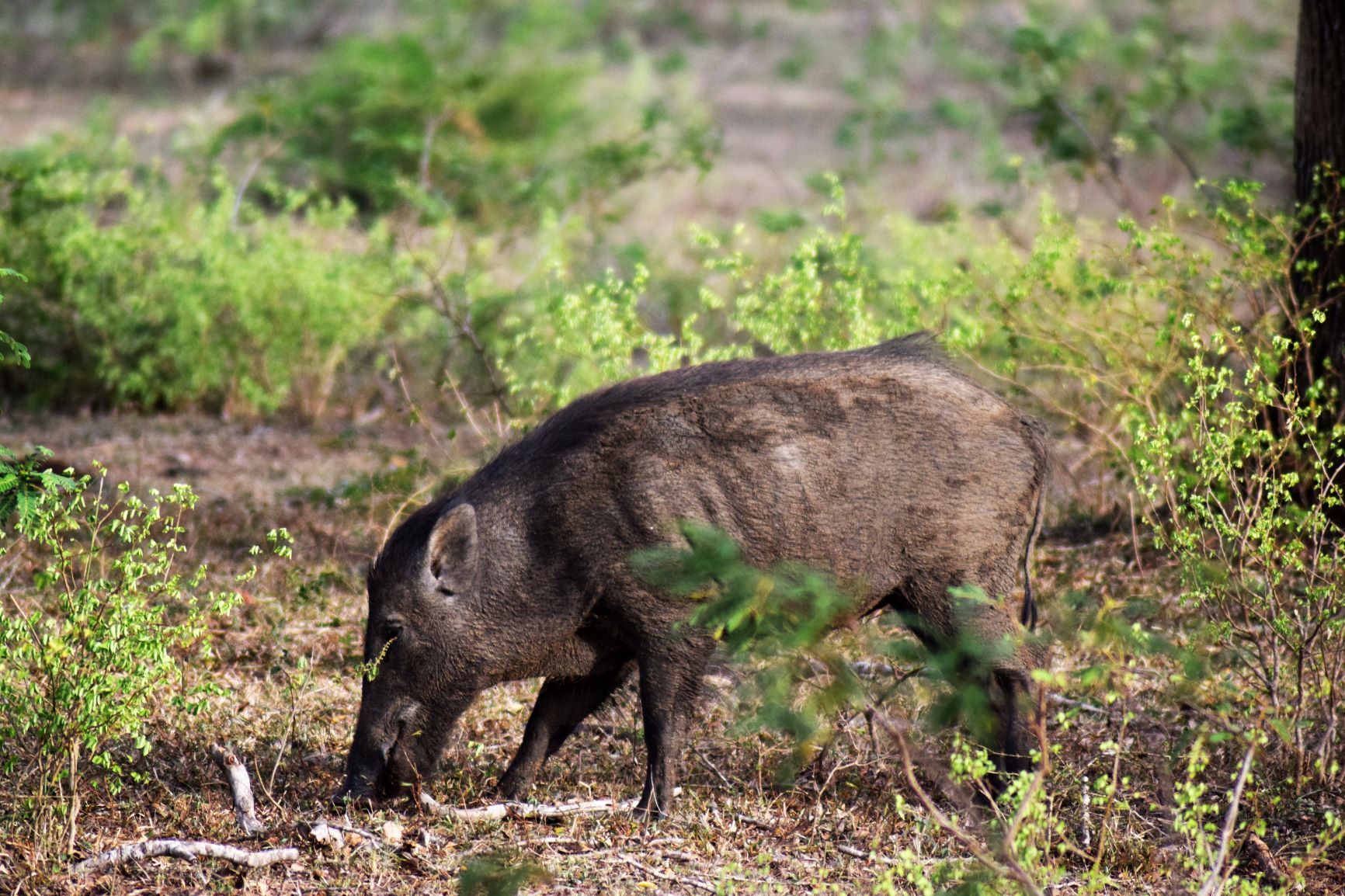
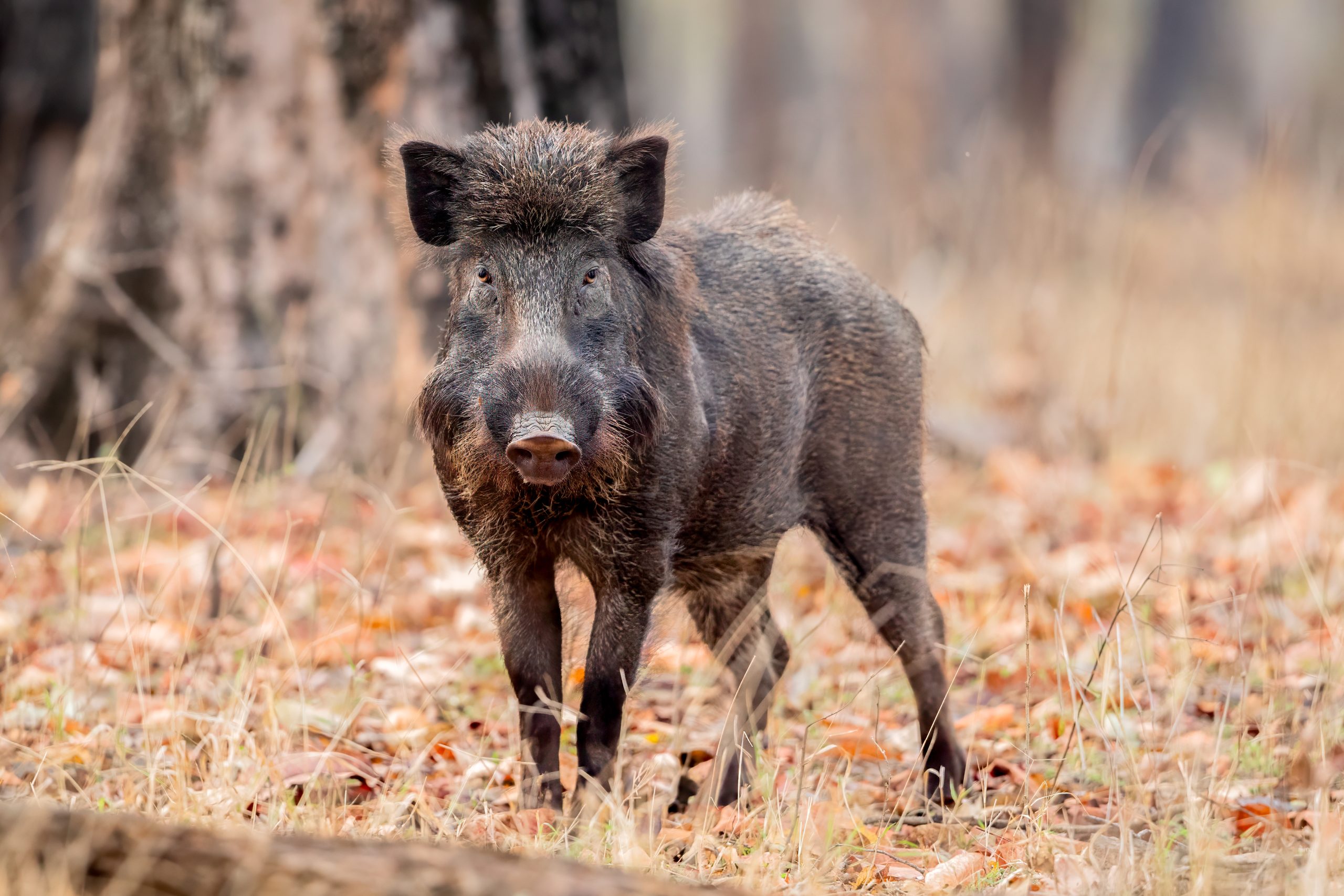
Wild boar (Sus scrofa) have rapidly expanded their range on Jeju Island, South Korea, raising ecological and agricultural concerns. Researchers mapped where habitat may be suitable for the invasive animals and which areas of the island may be connected.
Using 94 recorded wild-boar locations and environmental data, the researchers estimated habitat suitability across the island. The model classified 14.5% of Jeju as highly suitable and another 21.6% as suitable—around 36% in total. These are estimates of potential habitat, not counts of boar or confirmation that the animals occupy every mapped area.
Landscape features shape the map
Distance from agricultural land was among the most influential factors in the model. Distance from built-up areas and water, as well as elevation, also helped distinguish areas with different levels of predicted suitability.
The researchers identified six core areas of potentially suitable habitat linked by eight possible corridors. These mapped connections indicate where the landscape may allow movement between habitat areas; they are not routes confirmed by tracking individual animals. Hallasan and Geumakseo-gil were especially important to overall connectivity in the analysis.
Mapping areas to monitor
Knowing where wild boar may find suitable habitat and which areas may be connected can help managers target monitoring, early detection and measures to limit further expansion. The maps offer a starting point for addressing the ecological and agricultural concerns associated with the invasive population on Jeju.
Ecology
Related news
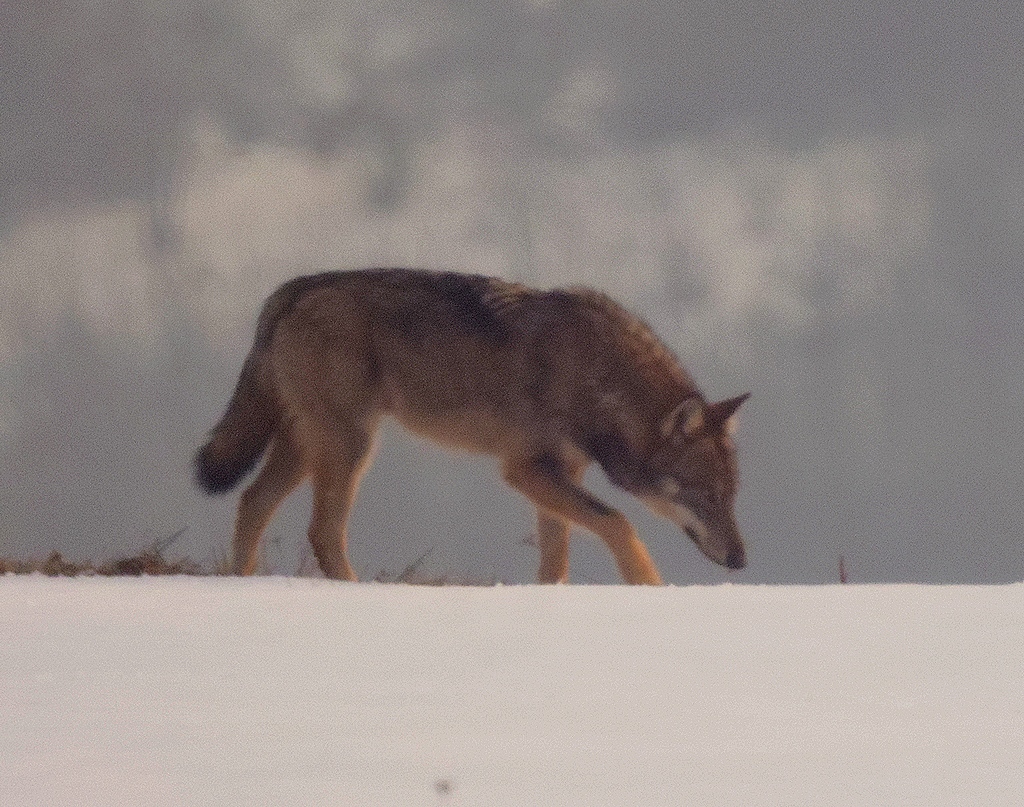
Roe Deer and Wild Boar Remained Key Wolf Prey as Diet Shifted Across North-western Italy
From 2021 to 2025, wolves in north-western Italy continued to feed mainly on wild prey. In the Po…
Read story →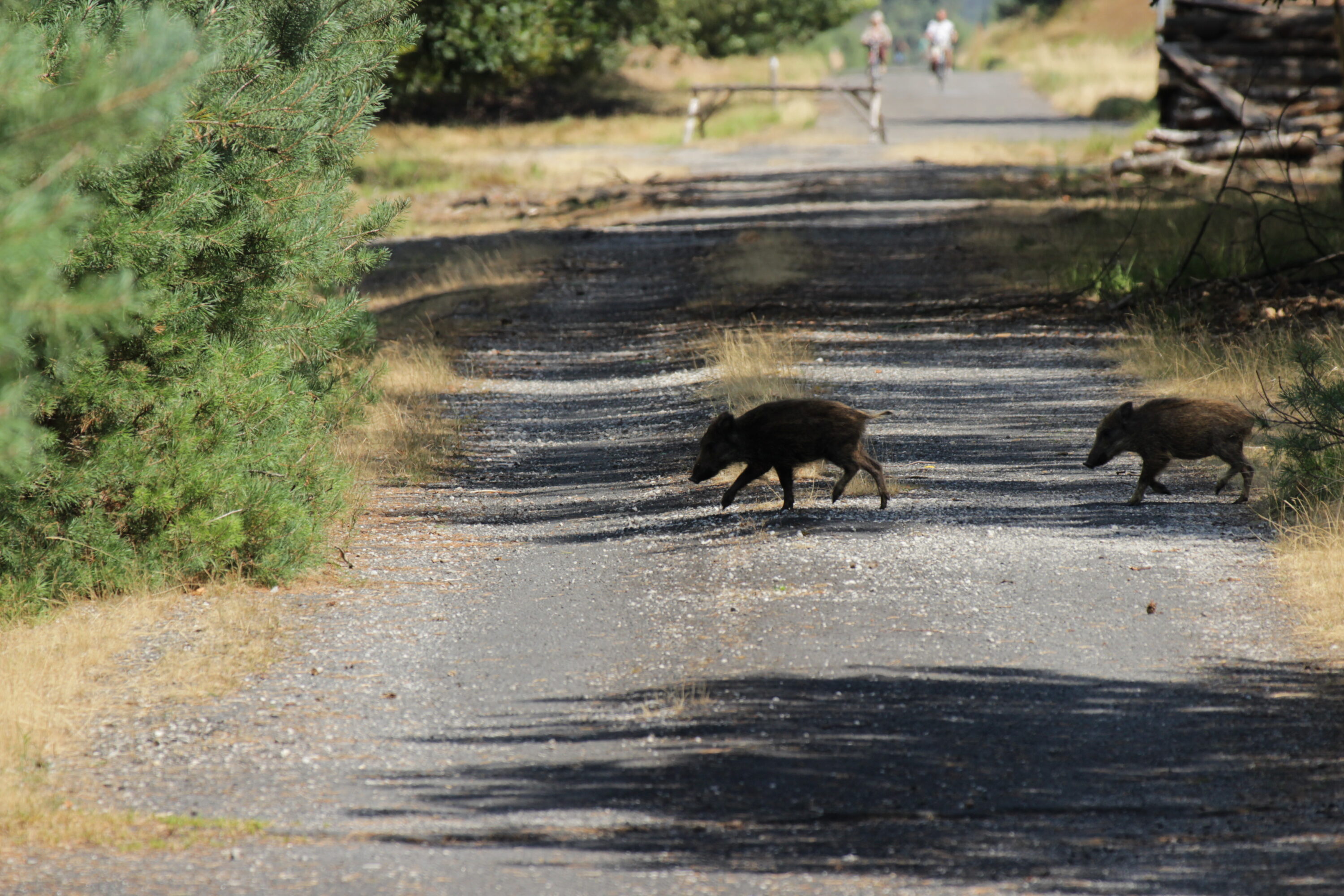
Copper levels in wild boar differed across Slovak districts
An analysis of kidney, liver and muscle from 147 wild boar in four districts found that iron and…
Read story →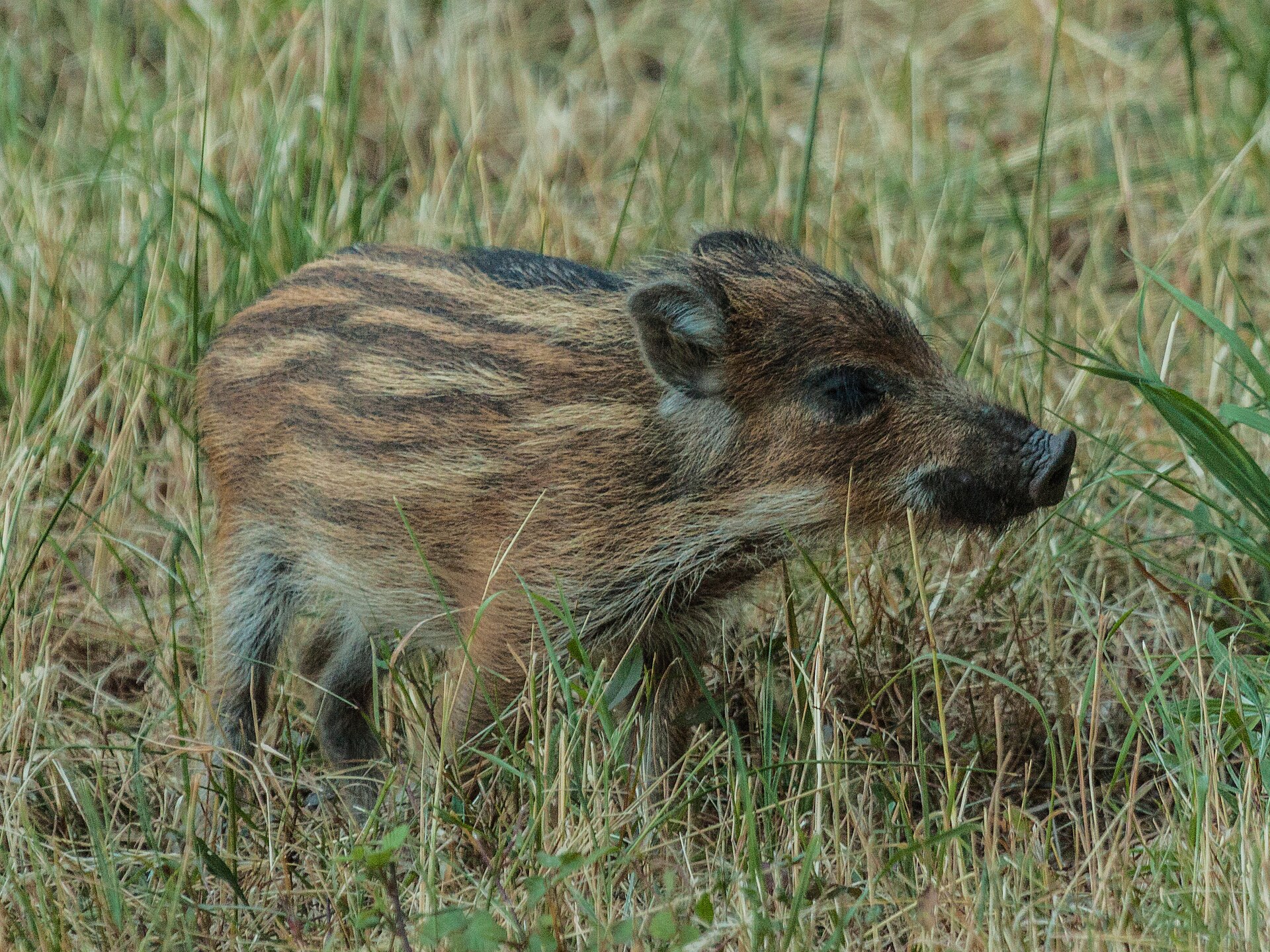
Genes Linked to the Stripes of Wild Boar Piglets
Genetic analysis of a 932-piglet breeding population and skin from three striped newborn hybrids implicated MC1R, KIT and…
Read story →SPECIES IN THIS STORY
Species in this story
Independent research and conservation news archive
Did you find this information useful?
Wildlife Vagabond is independently built and maintained. Voluntary support helps cover source verification, hosting and continued work on research and conservation news.
Support Wildlife VagabondThe news archive will remain freely available.