
More Urbanised Streams Had Fewer Insectivorous Bird Species Across Five European Cities
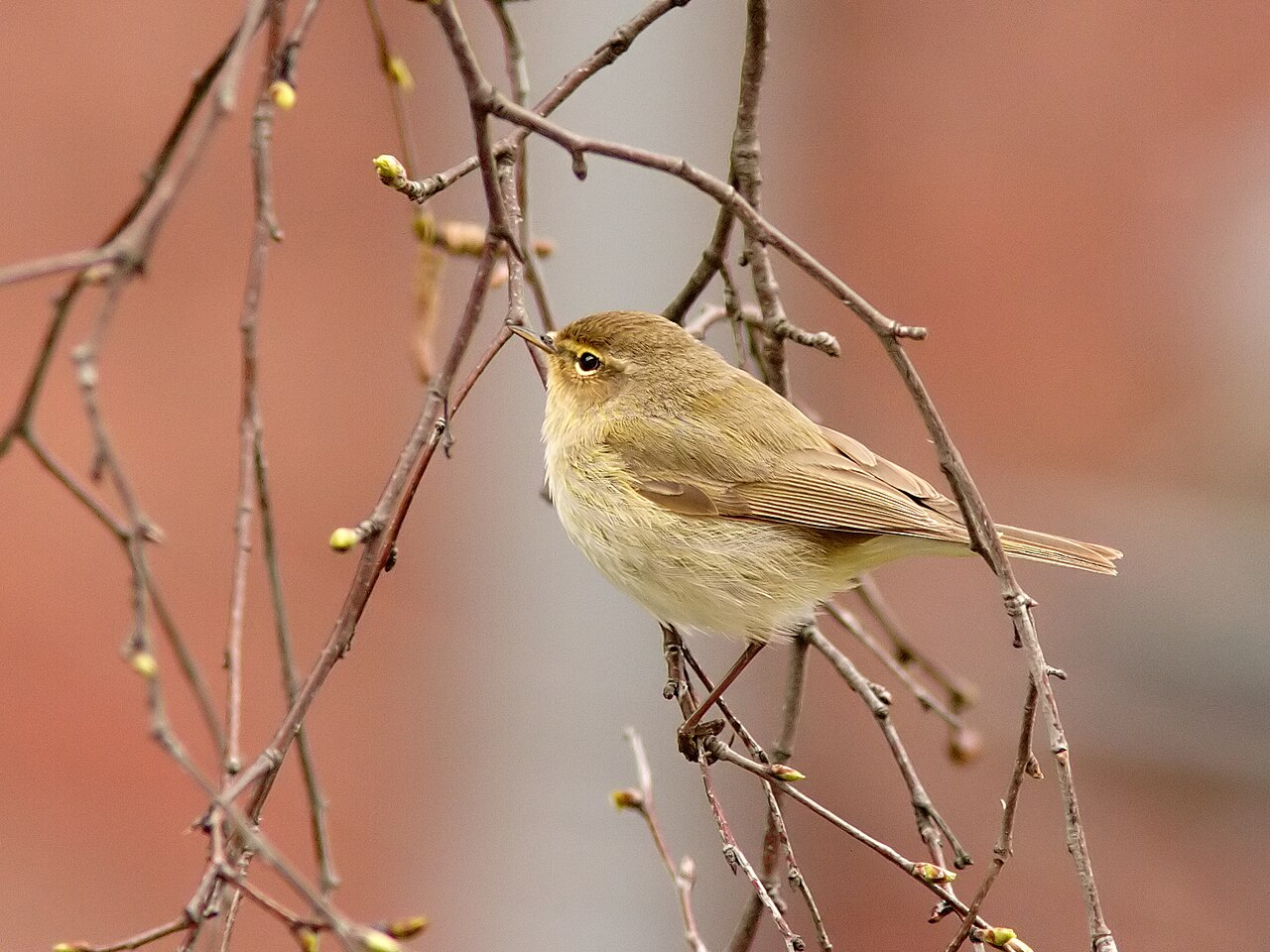
A study of 102 urban streams across five European cities found that more urbanised sites tended to support fewer insectivorous bird species. The streams were distributed across Portugal, France, Italy, Belgium and Norway, giving the study a broad north–south European gradient.
Researchers used bird point counts—standardised observations from fixed locations—to record species presence and absence and combined these observations with environmental measurements around each stream. Among the urbanisation measures, impervious surfaces such as buildings, roads and paving, human population density and artificial light at night were particularly strongly associated with differences in the bird communities.
Bird communities still differed between cities
Lower insectivorous species richness at more urbanised sites was not accompanied by complete homogenisation of the bird communities. The species most representative of each city differed, and Benevento in Italy and Oslo in Norway stood out most strongly from the other study areas.
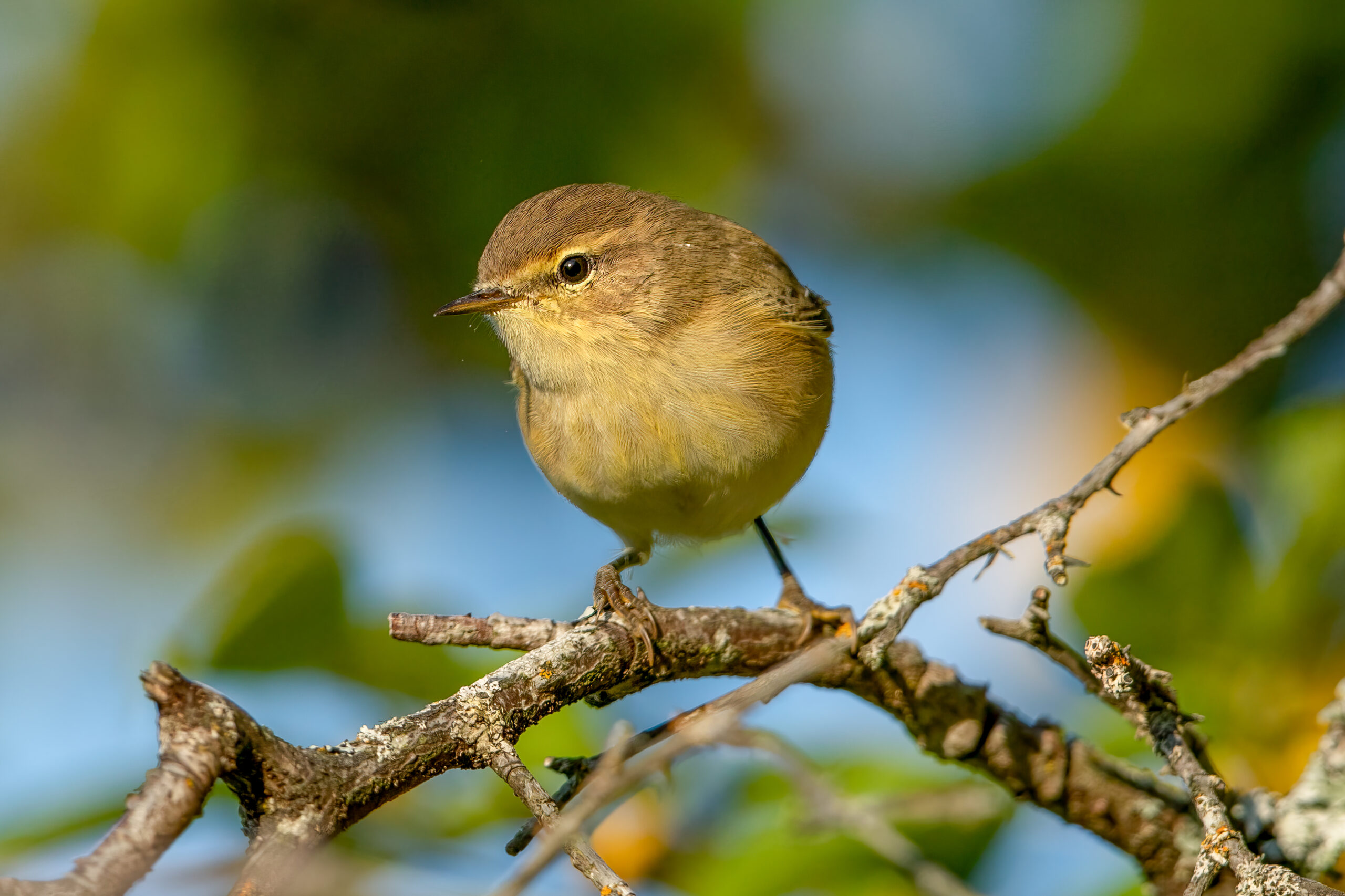
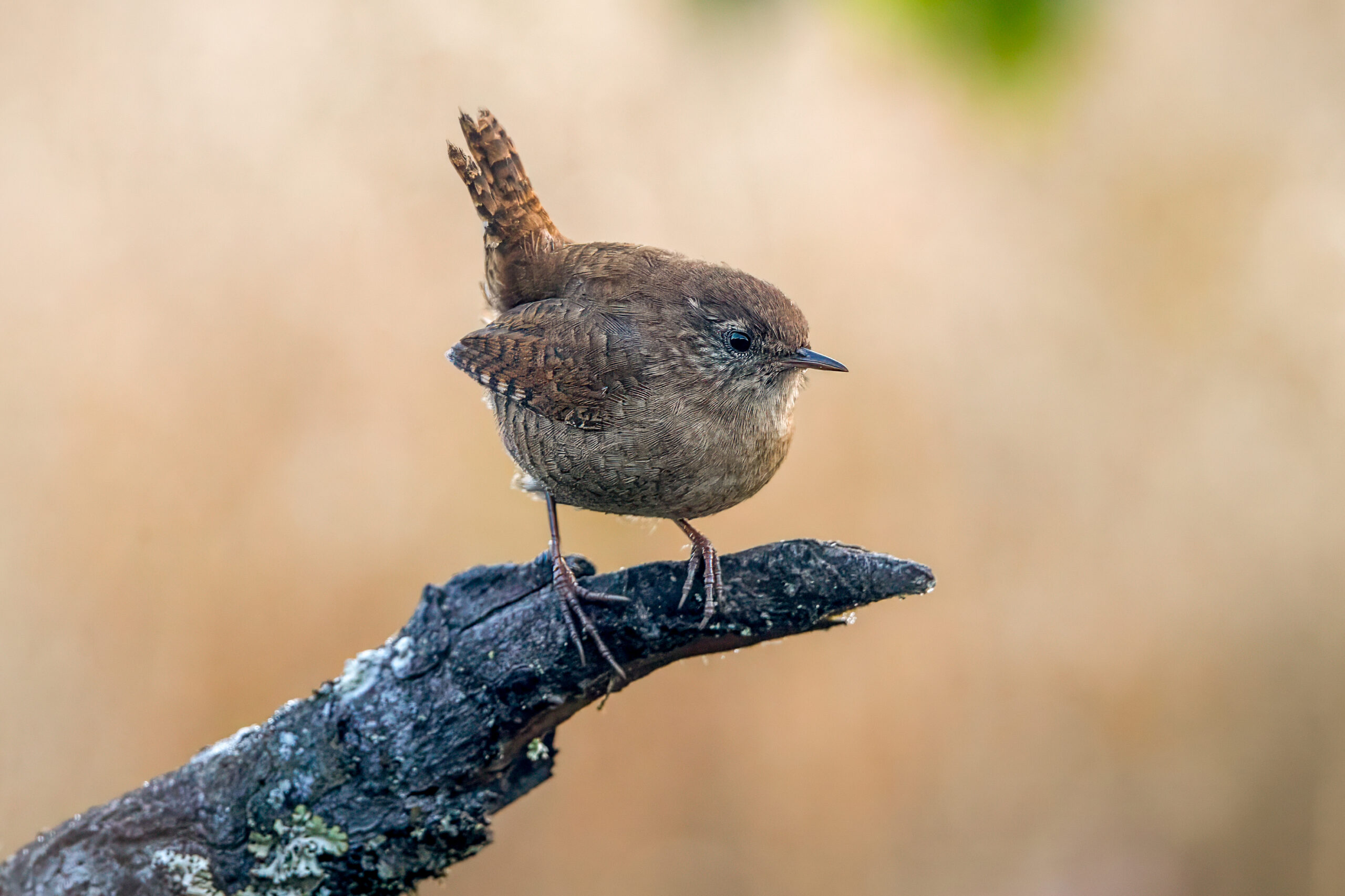
Bird occurrence was also associated with habitat around the streams. Common chiffchaff (Phylloscopus collybita) and Eurasian wren (Troglodytes troglodytes) tended to occur at sites with a greater diversity of vegetation types and habitats. The study therefore links insectivorous bird richness not only to the intensity of urban development but also to the habitat structure retained along the waterways.
Structured riparian vegetation was a management priority
The authors recommend preserving and rehabilitating riparian zones with structured vegetation and maintaining habitat diversity through hedgerows and patches of natural green space. In heavily modified urban landscapes, streams and their vegetated margins can therefore retain biodiversity value when those habitat features are preserved.
The researchers also place insectivorous birds in a One Health context, an approach that treats human, animal and environmental health as interconnected. Because this feeding guild may help suppress potential disease vectors such as mosquitoes, changes in insectivorous bird diversity could be relevant beyond bird conservation itself. The authors present this as a potential ecological link between riparian biodiversity and human and animal health.
Ecology
Related news
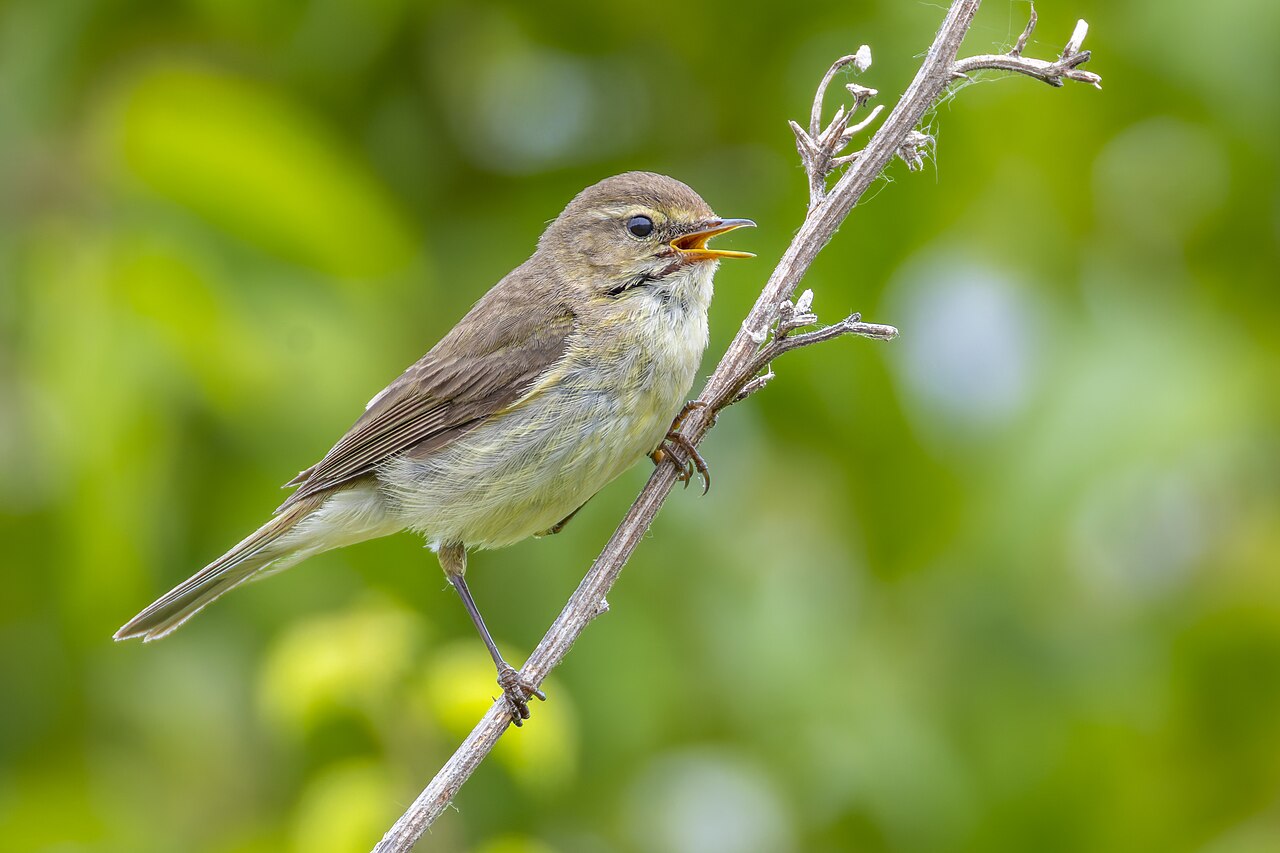
Chiffchaff Subspecies Followed Different Migration Routes and Diverged Most Strongly at MARB
Tracking and genomic data from Baltic-region common chiffchaffs showed contrasting southwest and southeast migration routes, while the strongest…
Read story →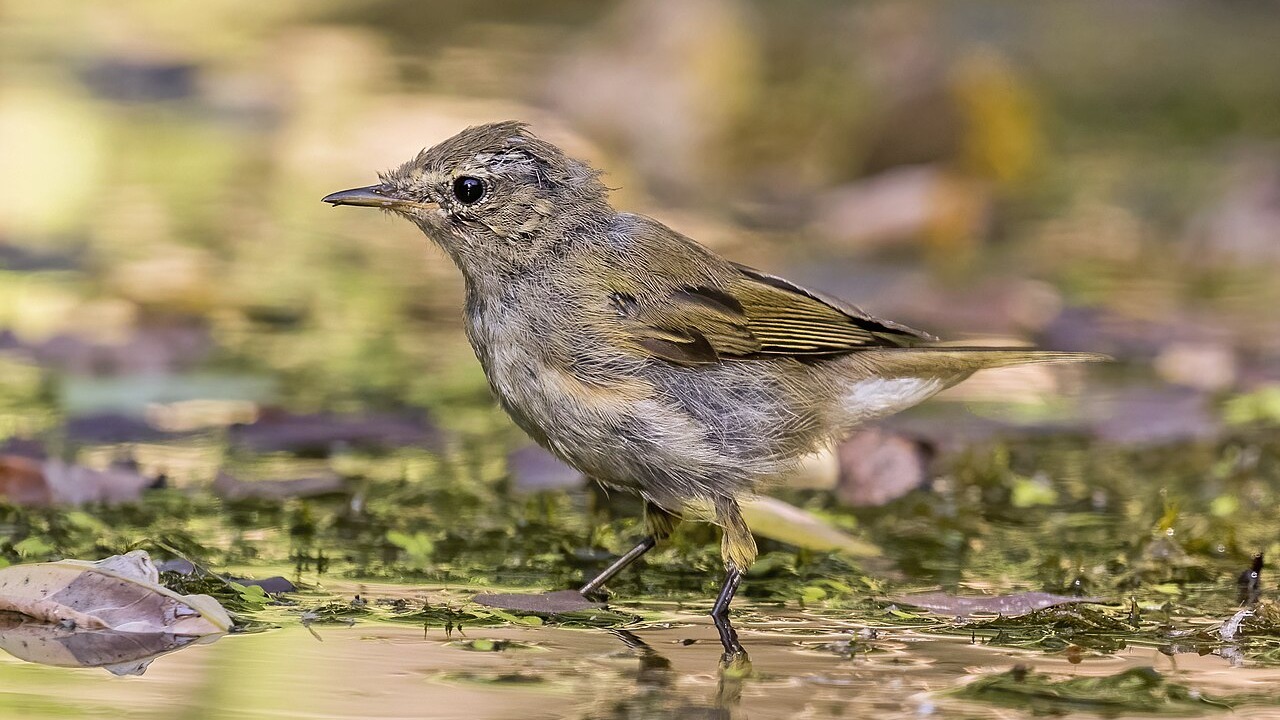
Lista Ringed a Record 94 Common Chiffchaffs in Spring 2026
Lista Bird Observatory ringed 94 common chiffchaffs in spring 2026, 117% above its long-term spring average and the…
Read story →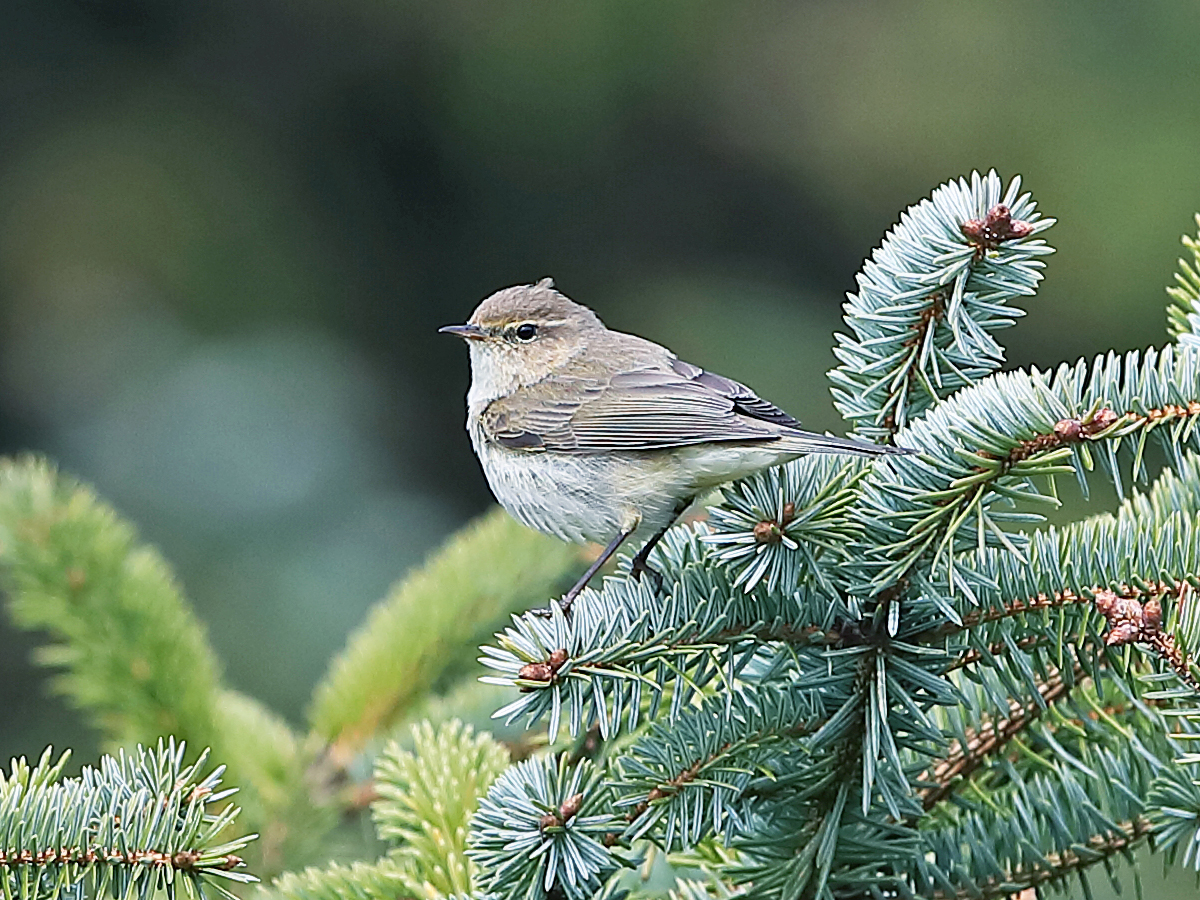
28 Acoustic Stations Tracked Spring Arrival of Three Migratory Songbirds Across Norway
A nationwide passive acoustic network collected 37,429 hours of audio and mapped the spring arrival of common chiffchaffs,…
Read story →SPECIES IN THIS STORY
Species in this story
Independent research and conservation news archive
Did you find this information useful?
Wildlife Vagabond is independently built and maintained. Voluntary support helps cover source verification, hosting and continued work on research and conservation news.
Support Wildlife VagabondThe news archive will remain freely available.