
Environmental Conditions Shaped Large-Herbivore Space Use More Than Predators in Northwestern Namibia
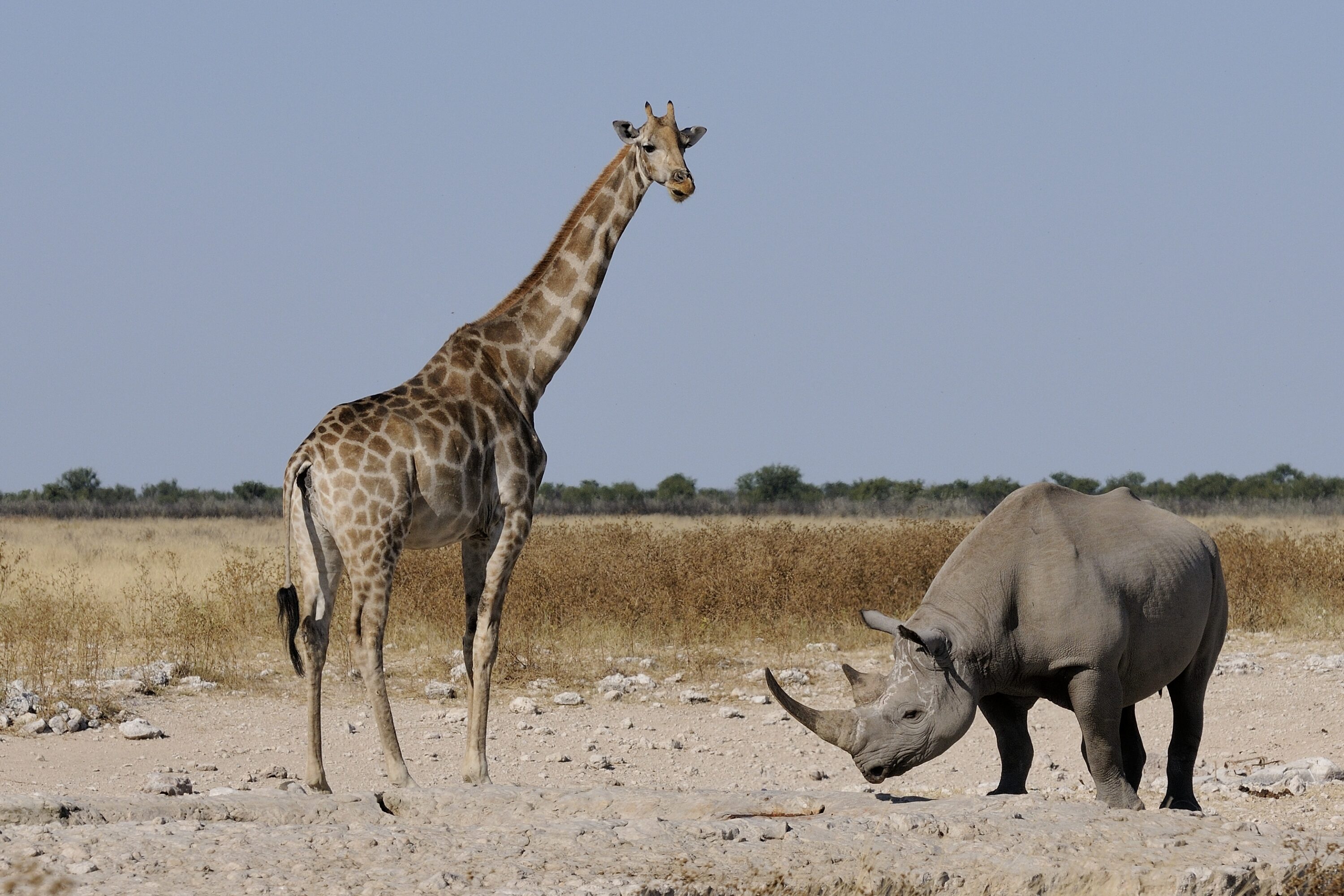
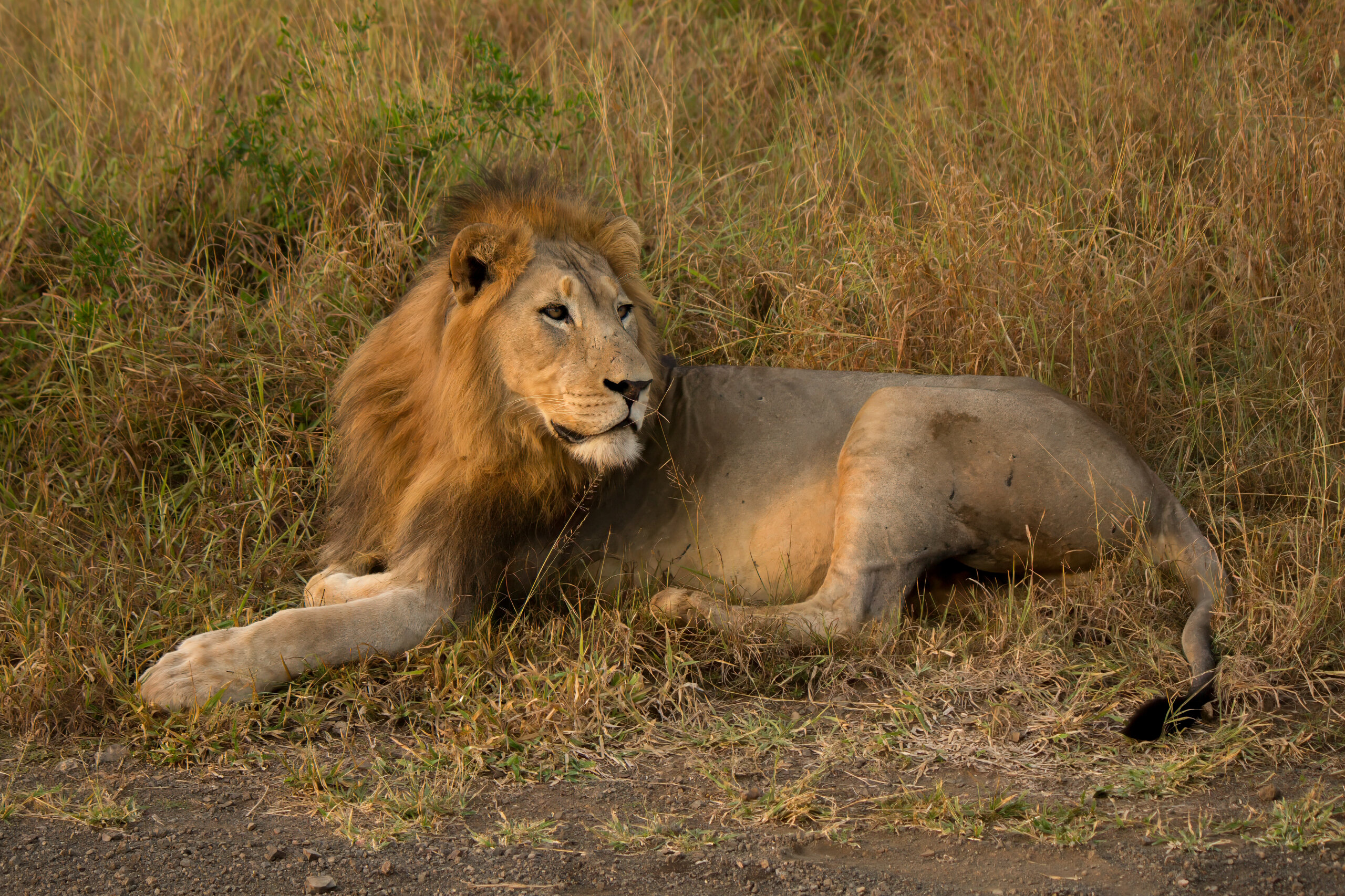
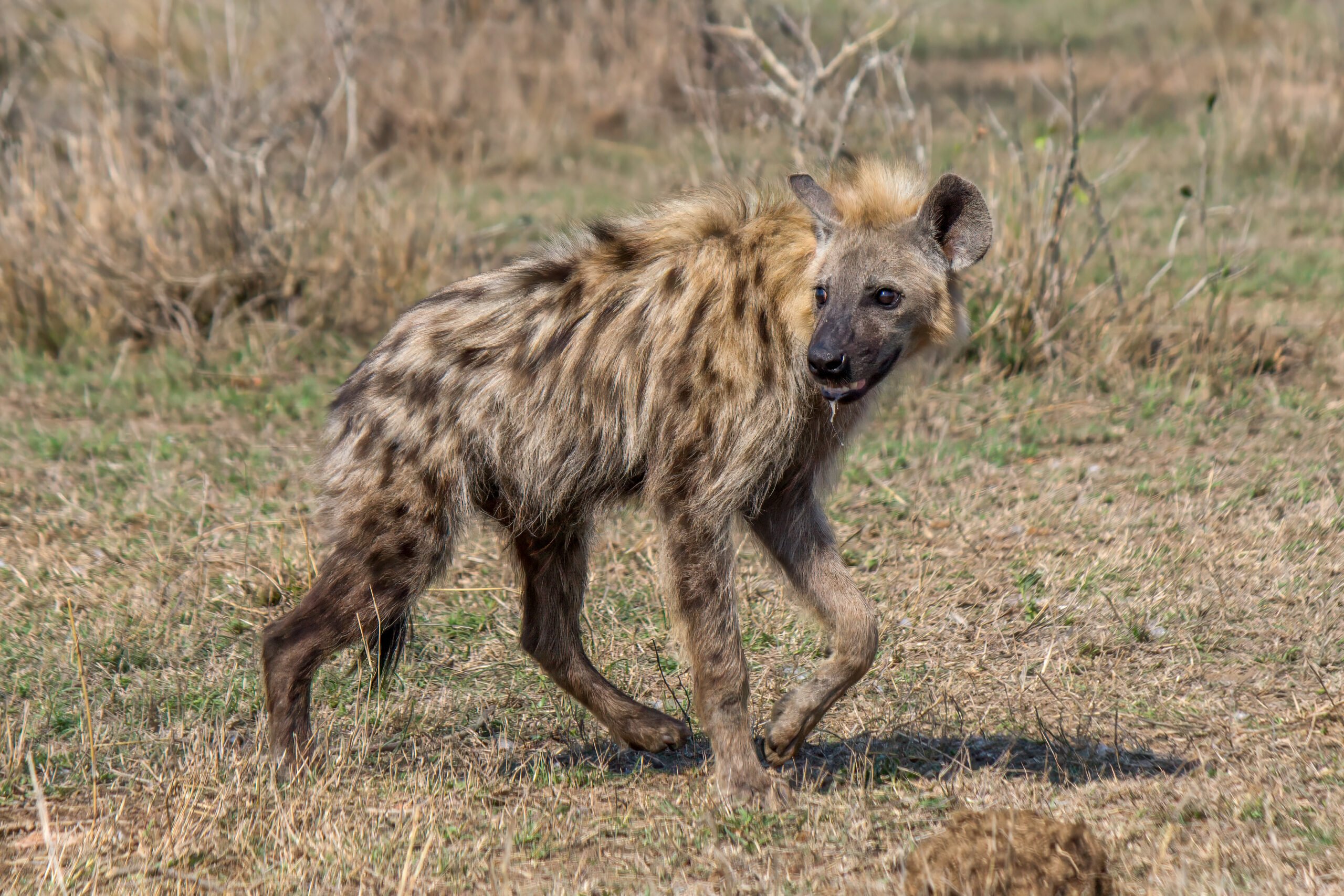
Researchers used camera traps to examine how seven large herbivores balance scarce resources against predation risk in the arid, unfenced landscapes of northwestern Namibia. The focal species were gemsbok (Oryx gazella), southern giraffe (Giraffa giraffa), greater kudu (Tragelaphus strepsiceros), Hartmann’s mountain zebra (Equus zebra hartmannae), springbok (Antidorcas marsupialis), black rhinoceros (Diceros bicornis) and African bush elephant (Loxodonta africana). The researchers compared their detections with environmental conditions and activity by lions (Panthera leo) and spotted hyenas (Crocuta crocuta).
Across six dry-season survey periods, 374 cameras were deployed at waterholes, riverbeds, tracks and game trails in six study areas. The camera data captured both where herbivores were detected and when they were active, allowing the researchers to compare longer-term environmental constraints with spatial and short-term responses to predators.
Environmental conditions set the baseline for space use
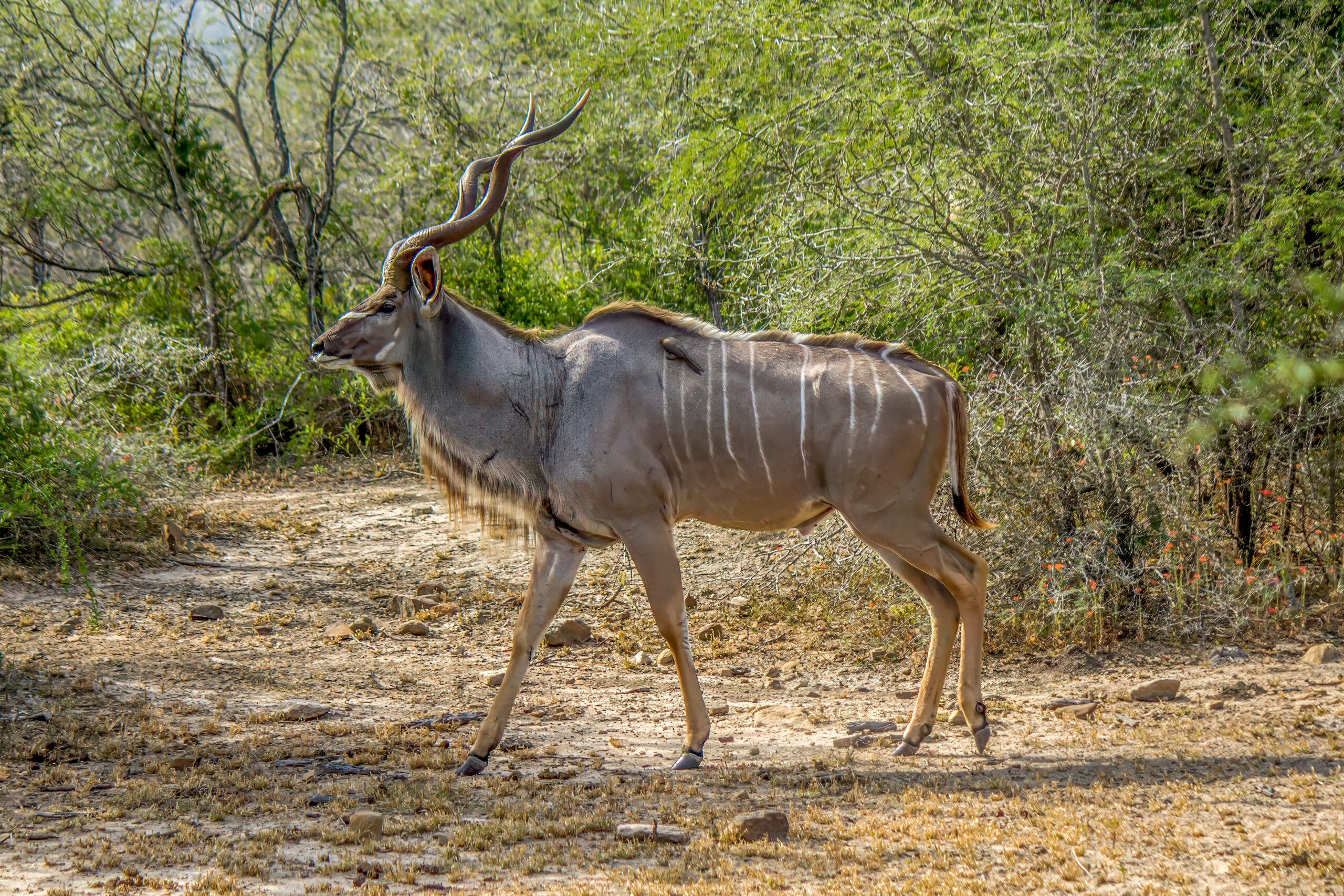
Environmental conditions were generally more important than predator presence in explaining where the herbivores were detected. The important factors differed among feeding guilds and species. Among the grazers and the mixed-feeding gemsbok, visibility, elevation, proximity to water and co-occurrence with other grazers were important for different species, while giraffe and kudu were more strongly shaped by vegetation structure, dry-season progression and habitat context.
Predators still mattered, but the herbivores’ spatial responses often depended on habitat and season. For example, mountain zebras were detected more often near water, and detections increased as the dry season progressed, while predator effects varied with season and habitat. The authors interpret this as a system in which animals cannot simply abandon valuable resource patches whenever predators use the same landscape: scarce water and forage set the basic spatial constraints, and risk is managed in other ways.
Most herbivores had little temporal overlap with predators
Gemsbok, southern giraffe, greater kudu, Hartmann’s mountain zebra and springbok were strongly diurnal, whereas lions and spotted hyenas were mainly nocturnal. Their daily activity overlap with the predators was therefore low. The authors argue that this temporal separation allowed the herbivores to continue using resource-rich areas instead of relying mainly on broad spatial avoidance.
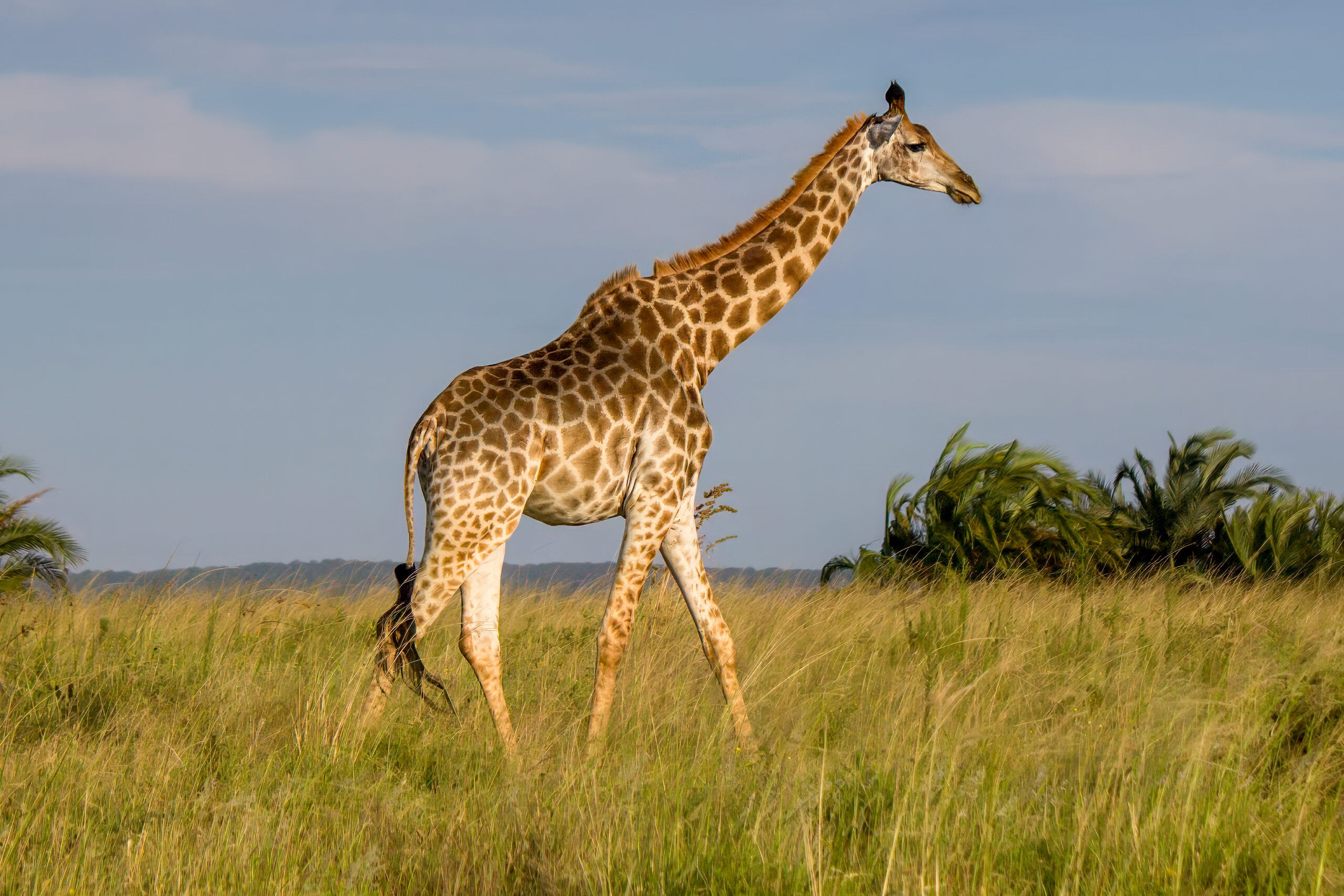
Short-term responses nevertheless differed among species. Gemsbok and mountain zebra were detected less often during the first six hours after a spotted hyena had passed the same camera area. Mountain zebra detections then increased again during the following 6–24 hours, consistent with brief avoidance followed by relatively rapid return. Giraffe showed a different delayed response, with detections increasing 6–24 hours after spotted-hyena activity, while kudu and springbok showed no clear short-term response to either predator.
Black Rhinos and Elephants Also Reacted to Recent Predator Activity
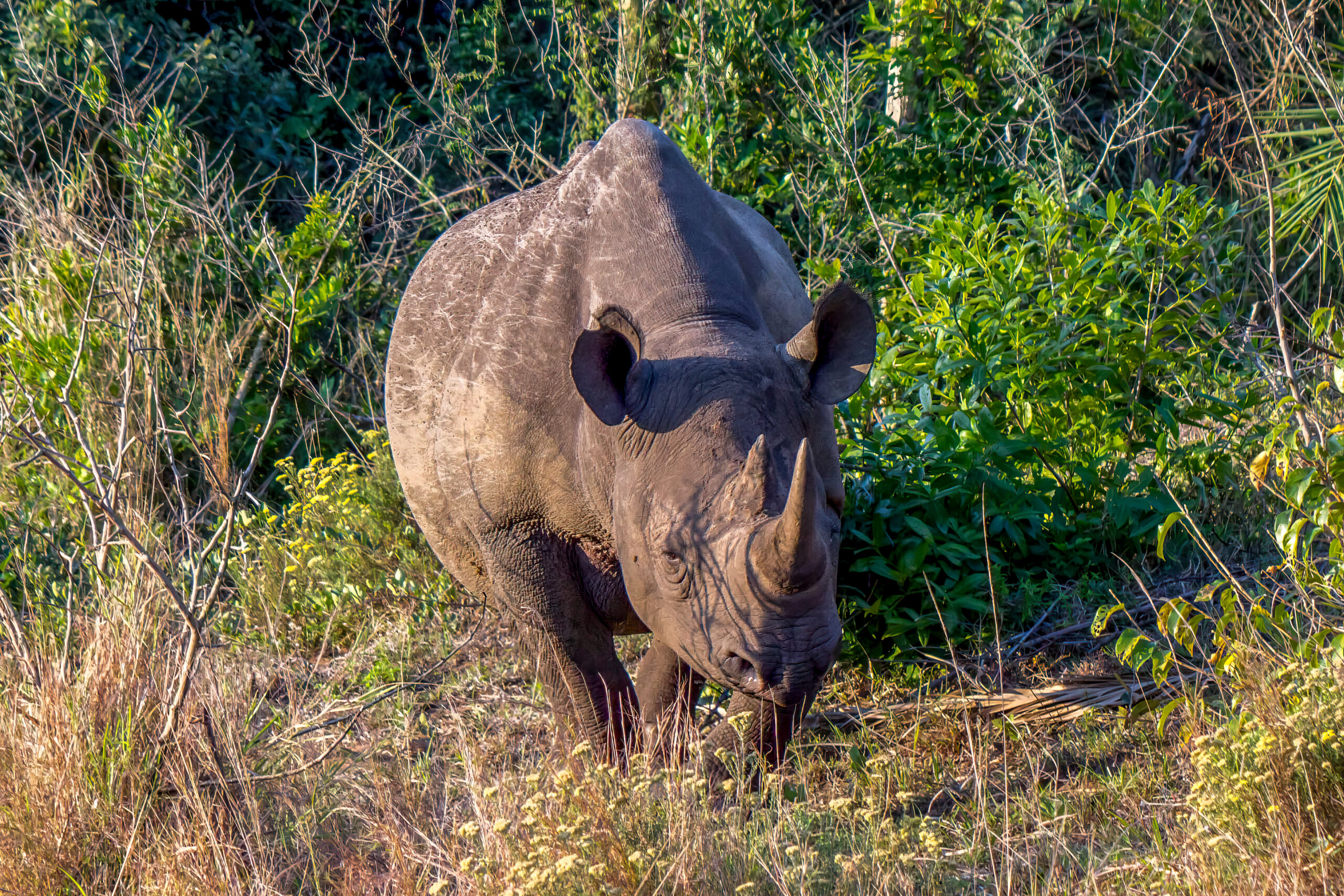
Because their large body size makes black rhinos and elephants far less vulnerable to predation, the researchers expected little avoidance. Black rhinos, however, were most active early in the night and again before dawn, so their activity overlapped much more strongly with both predators than that of the smaller herbivores. Even so, black rhinos were detected less often in the first six hours after spotted-hyena activity.
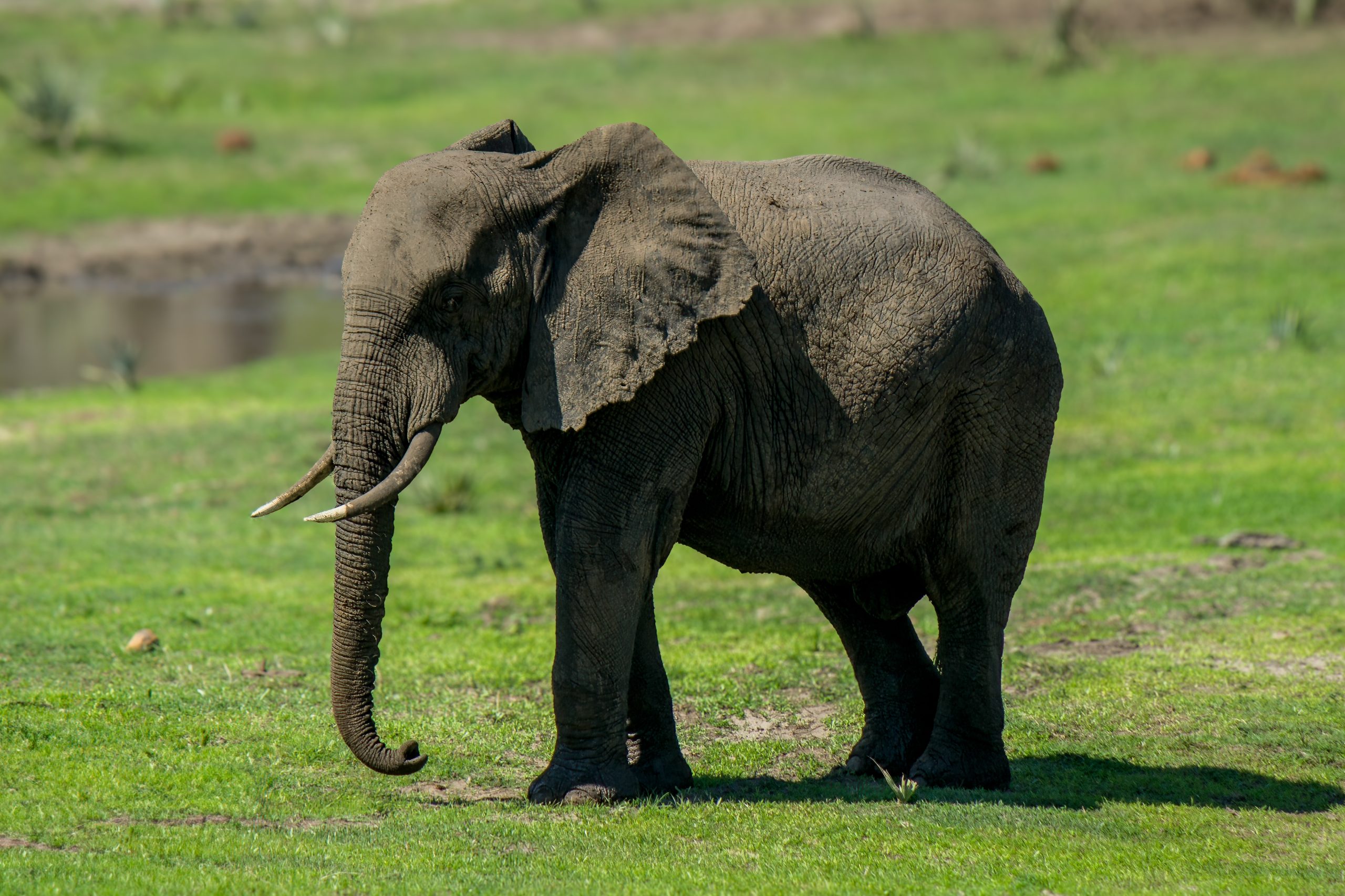
African bush elephants also showed clear short-term responses: they were detected less often during the first six hours after both lions and spotted hyenas had been detected. These responses did not persist in the 6–24-hour window, fitting the broader pattern of reactive, short-lived adjustments rather than long-term abandonment of places used by predators.
The authors describe the result as a hierarchical “landscape of fear”. In this resource-limited dryland system, bottom-up factors such as water, vegetation and dry-season progression largely determined where herbivores used the landscape, while top-down predation risk was often handled through activity timing and brief responses to recent predator presence. The study therefore refines the landscape-of-fear framework by showing that risk can be managed through both space and time rather than through spatial avoidance alone.
Ecology
Related news
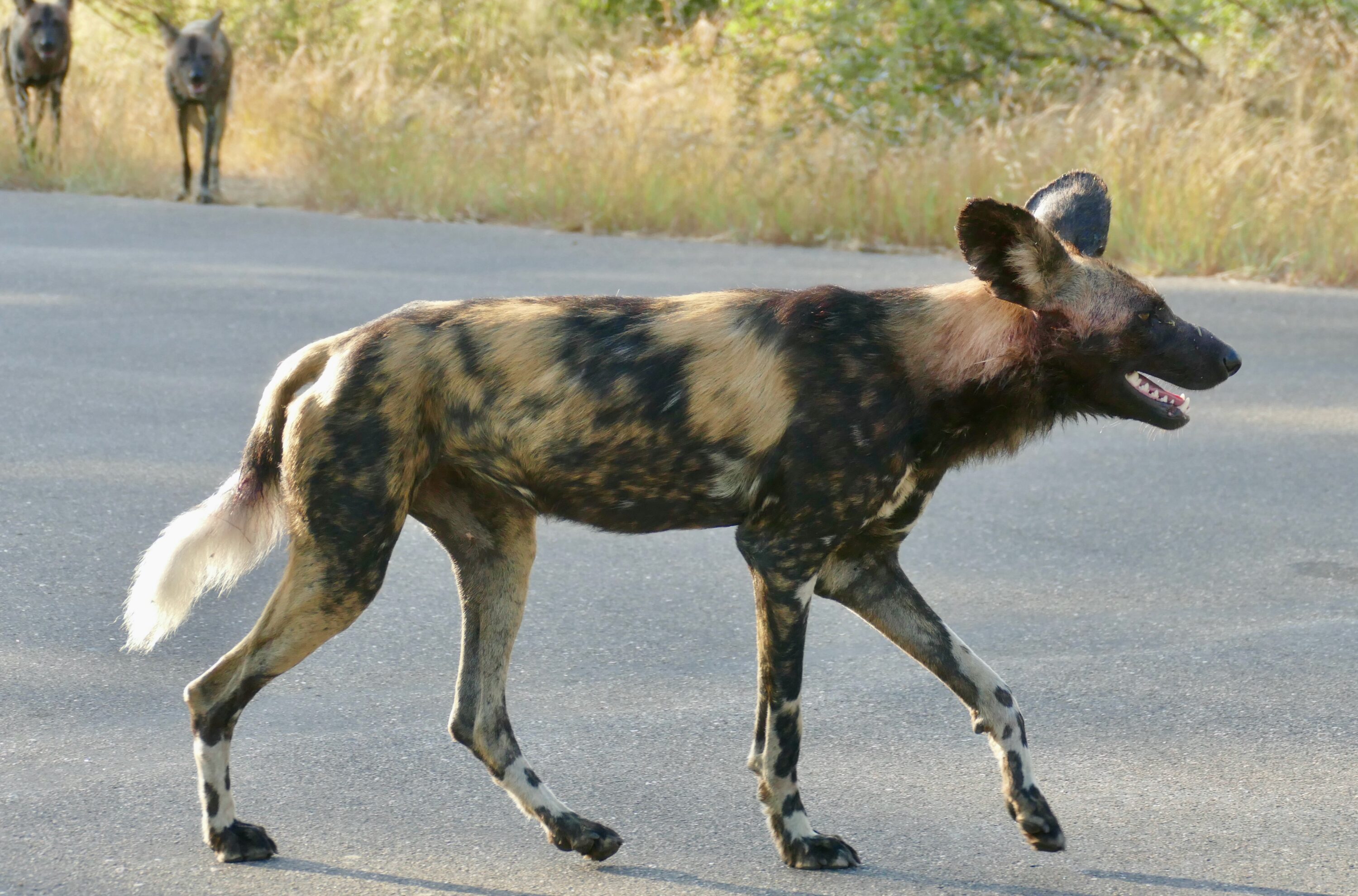
Food Leaves Its Mark on the Gut Bacteria of Kruger’s Wildlife
Gut bacteria in nine mammal species from Kruger National Park followed clear patterns linked to food and digestion.…
Read story →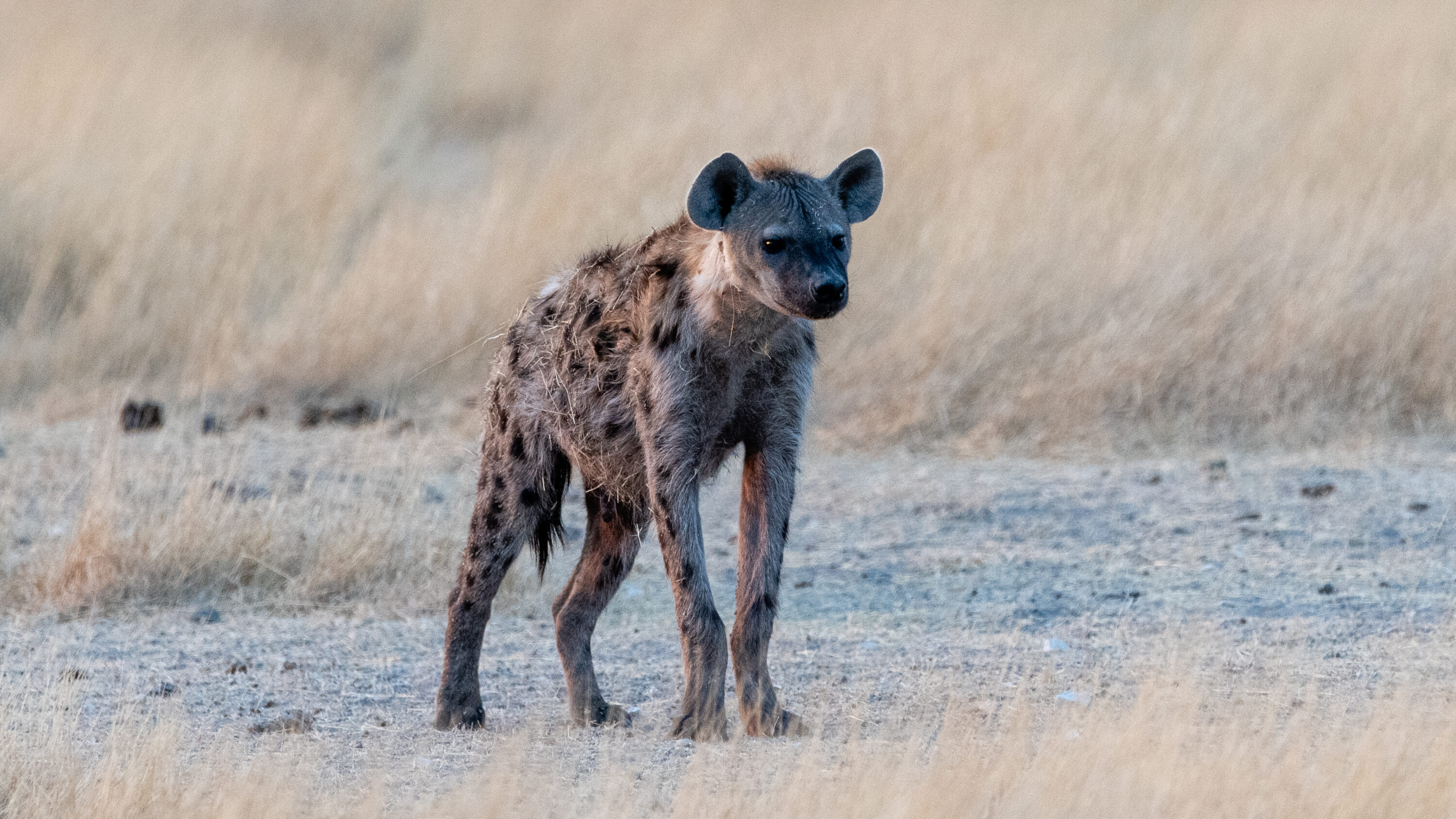
Spotted Hyenas Repeatedly Moved Away From Lions in Five-Minute GPS Data
High-frequency GPS data from Namibia and Botswana showed a robust retreat bias in spotted hyenas around lions, while…
Read story →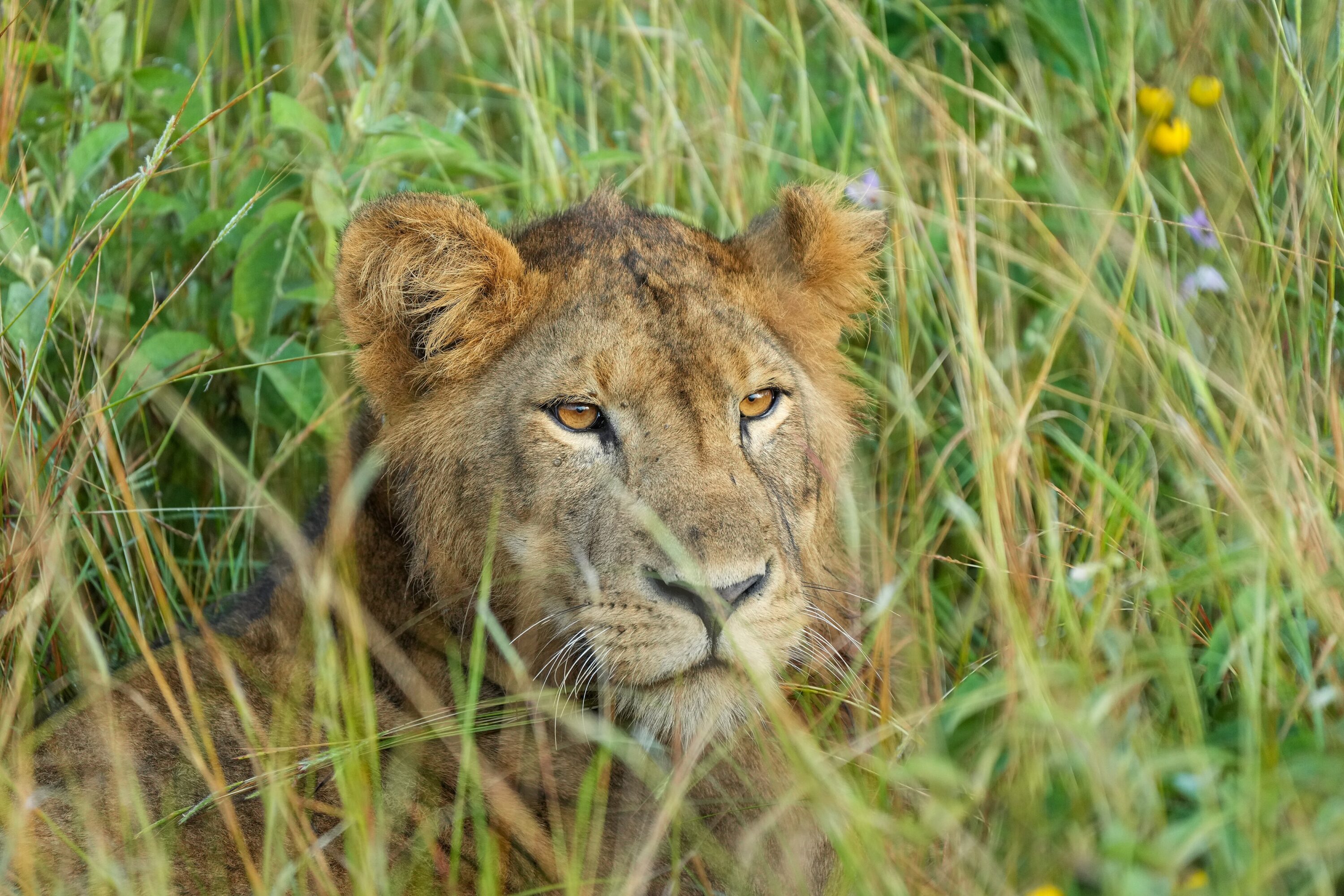
Livestock conflict with large carnivores is widespread across Queen Elizabeth National Park
Researchers documented 139 confirmed livestock-depredation events involving lions, leopards and spotted hyenas across 11 communities in Queen Elizabeth…
Read story →SPECIES IN THIS STORY
Species in this story
 African Bush Elephant
Loxodonta africana Explore species →
African Bush Elephant
Loxodonta africana Explore species →
 Southern Giraffe
Giraffa giraffa Explore species →
Southern Giraffe
Giraffa giraffa Explore species →
 Black Rhinoceros
Diceros bicornis Explore species →
Black Rhinoceros
Diceros bicornis Explore species →
 Greater Kudu
Tragelaphus strepsiceros Explore species →
Greater Kudu
Tragelaphus strepsiceros Explore species →
 Lion
Panthera leo Explore species →
Lion
Panthera leo Explore species →
 Spotted Hyena
Crocuta crocuta Explore species →
Spotted Hyena
Crocuta crocuta Explore species →
Independent research and conservation news archive
Did you find this information useful?
Wildlife Vagabond is independently built and maintained. Voluntary support helps cover source verification, hosting and continued work on research and conservation news.
Support Wildlife VagabondThe news archive will remain freely available.