
North American House Sparrow Decline Slowed Over 35-Year Study
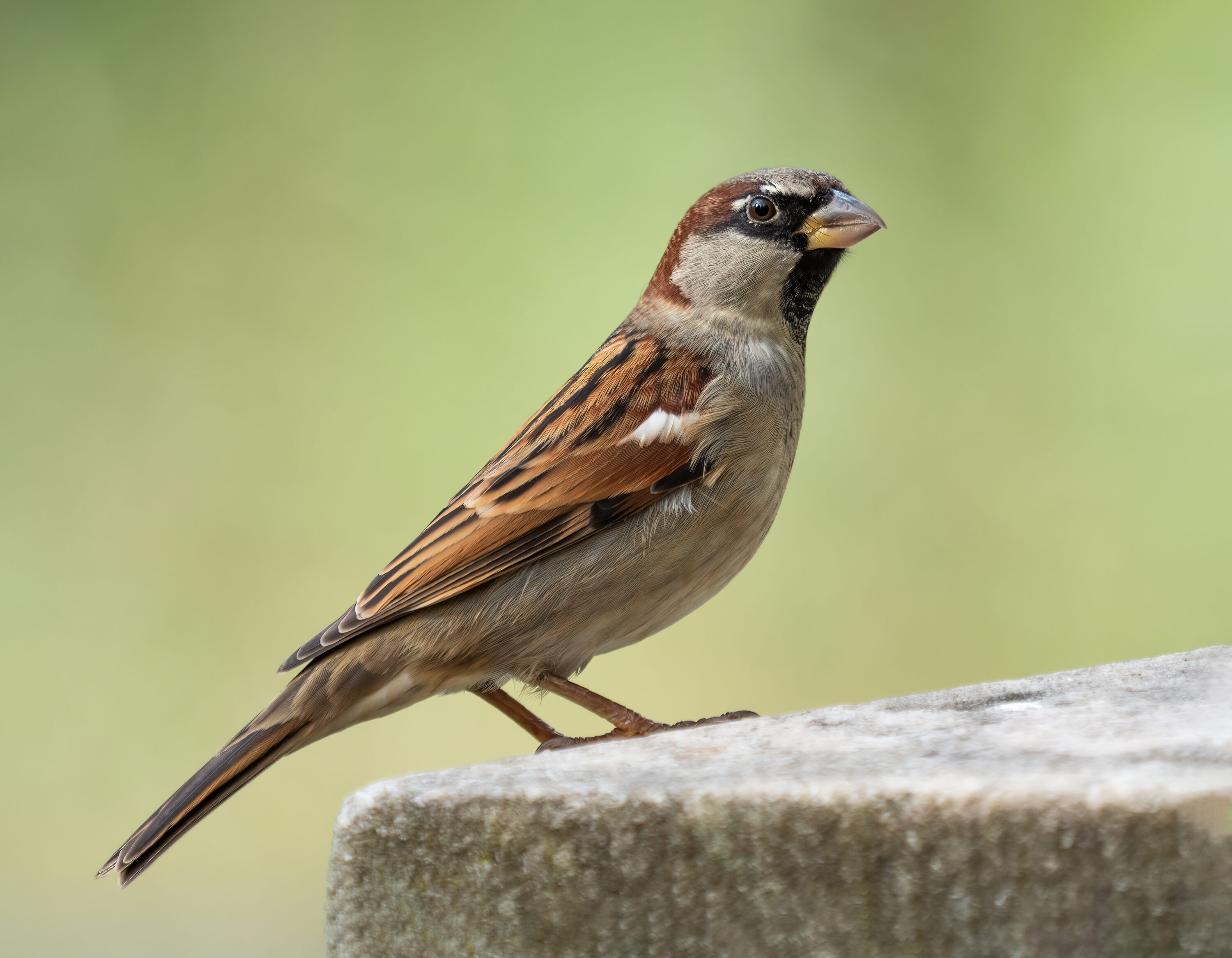
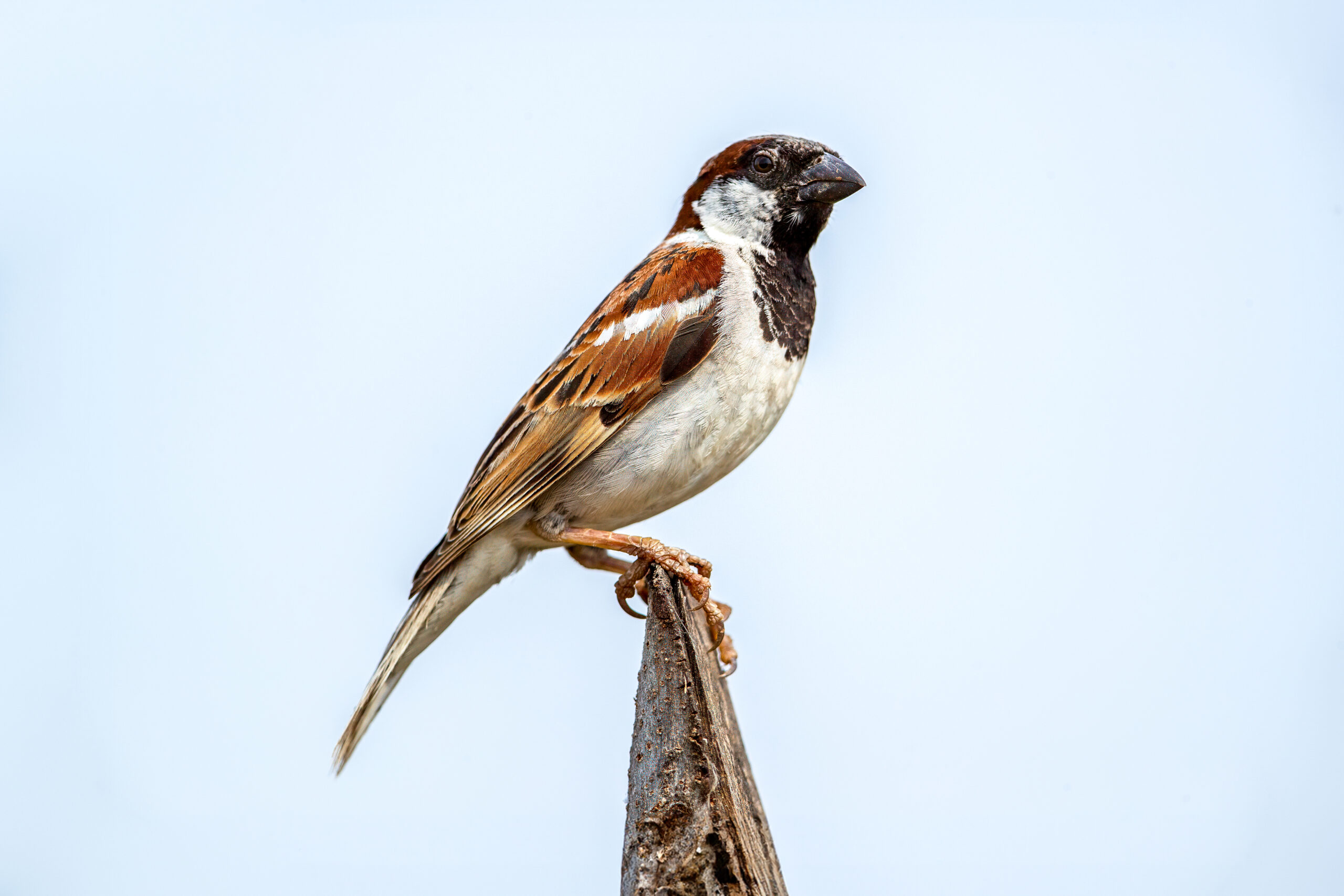
House sparrow (Passer domesticus) abundance declined across North American monitoring routes between 1987 and 2021, but the rate of decline became less steep over time. That distinction emerged from a continent-wide analysis published on 26 February 2026. While losses accelerated in many of the 261 bird species studied, the house sparrow was among the declining species for which the downward trajectory was decelerating.
François Leroy, Marta A. Jarzyna and Petr Keil analysed counts from 1,033 routes in the North American Breeding Bird Survey. Trained volunteers survey fixed roadside routes during the breeding season, creating long time series that can be compared across regions. The researchers examined both abundance change and acceleration: whether an existing increase or decrease was itself becoming faster or slower.
House sparrow abundance declined, but the rate of loss slowed
Across all birds combined, average abundance per local route fell by about 15 per cent over the 35-year period. Of the 261 species, 122—47 per cent—showed statistically significant declines. Decline accelerated in 63 of those species, while a smaller group showed decelerating losses. The house sparrow belonged to the latter group. Its numbers were still lower over the full period, but the annual pace of loss eased rather than intensified.
A slowing decline is not a population recovery
This is not the same as a population recovery. A decelerating decline means that the negative trend is flattening; abundance can continue to fall even while the rate of loss slows. The study’s use of acceleration therefore adds information that a single percentage change cannot provide. It distinguishes a population moving towards a more stable trajectory from one whose losses are worsening year by year.
At community level, the strongest absolute losses were concentrated in southern and warmer parts of North America. Hotspots where declines were accelerating occurred in the Mid-Atlantic, Midwest and California and overlapped with indicators of intensive agriculture, including cropland extent and fertilizer and pesticide use. The authors stressed that this was a correlational analysis and could not separate which agricultural component mattered most.
For the house sparrow, the analysis therefore documents two simultaneous patterns: a long-term continental decline and a reduction in the speed of that decline. It does not show that abundance has stabilised or begun to recover.
Population & status
Related news
Type A Trichomonas Was More Than Twice as Prevalent in British Birds at Supplementary-fed Sites
Type A of the bird parasite Trichomonas gallinae was more than twice as prevalent in British birds at…
Read story →
Usutu Virus RNA Was Found Nearly Three Times as Often as West Nile Virus RNA in Southern France
Among 2,533 wild birds from 69 species in southern France, Usutu virus RNA was detected in 12.0% and…
Read story →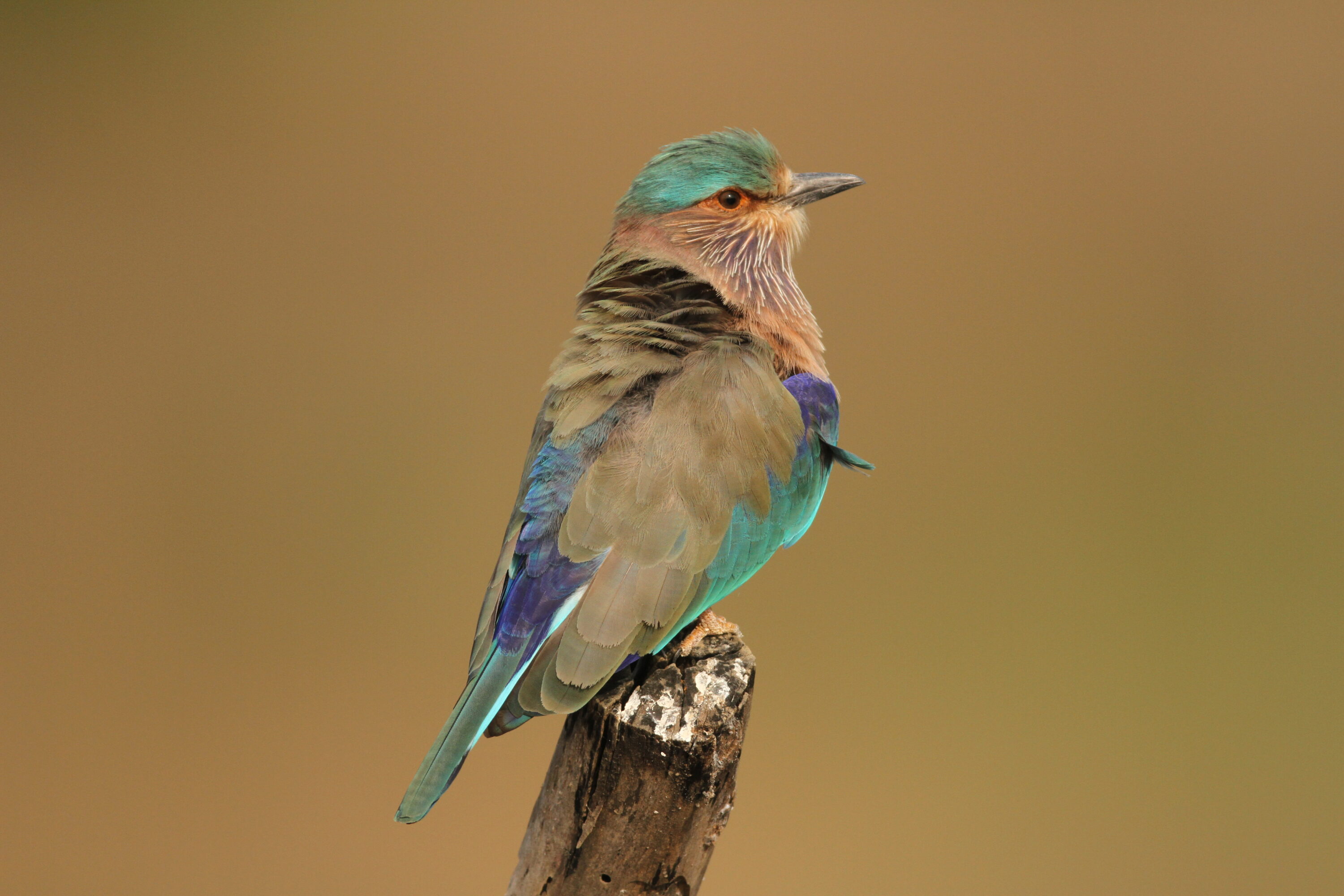
Six Cavity-Nesting Bird Species Bred Successfully in Artificial Nests in Punjab
Punjab Agricultural University reported successful breeding in artificial nests by six cavity-nesting species, including Indian roller, spotted owlet…
Read story →SPECIES IN THIS STORY
Species in this story
Independent research and conservation news archive
Did you find this information useful?
Wildlife Vagabond is independently built and maintained. Voluntary support helps cover source verification, hosting and continued work on research and conservation news.
Support Wildlife VagabondThe news archive will remain freely available.