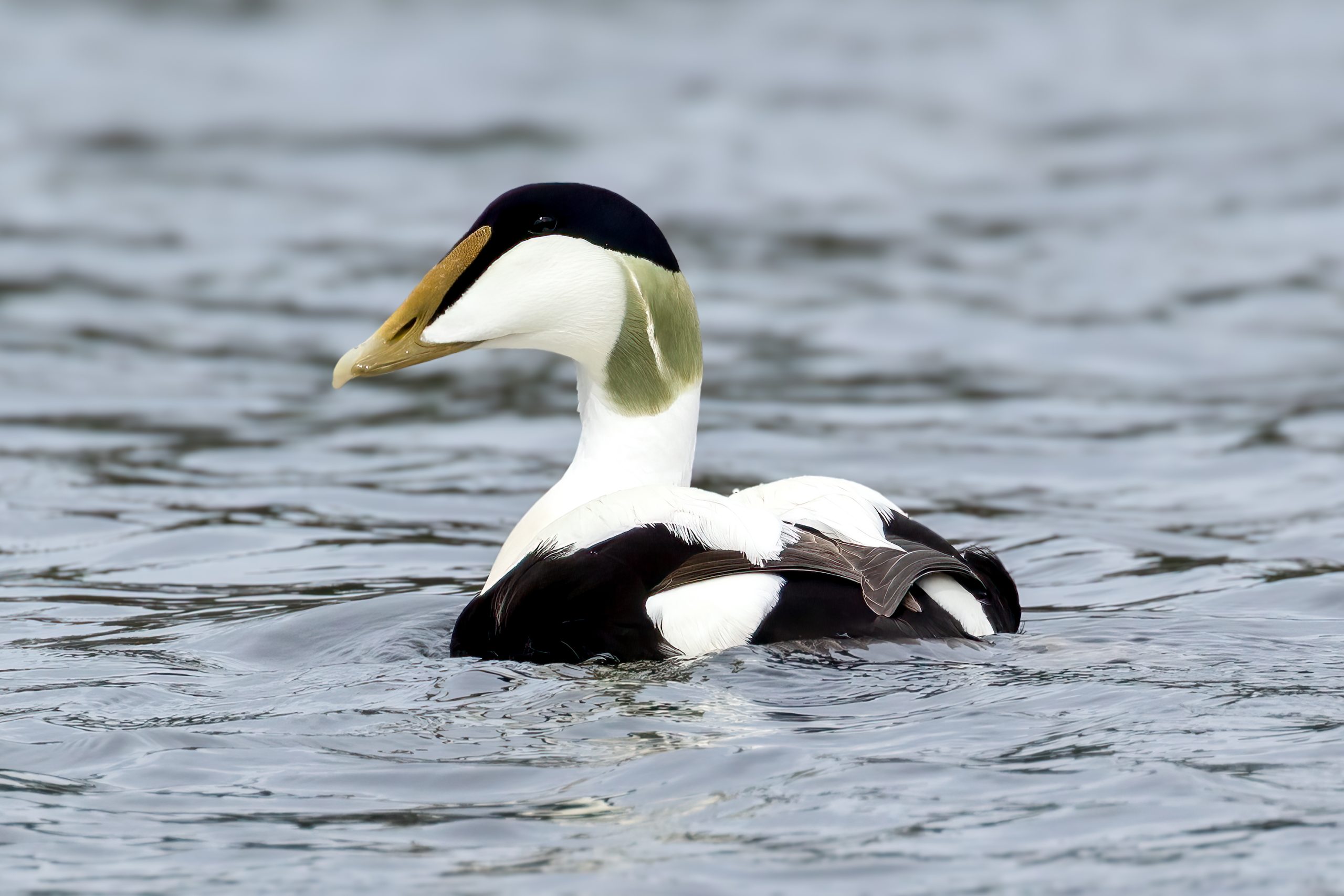
Wintering Male Northern Common Eiders Fell 29% Between 2018 and 2023
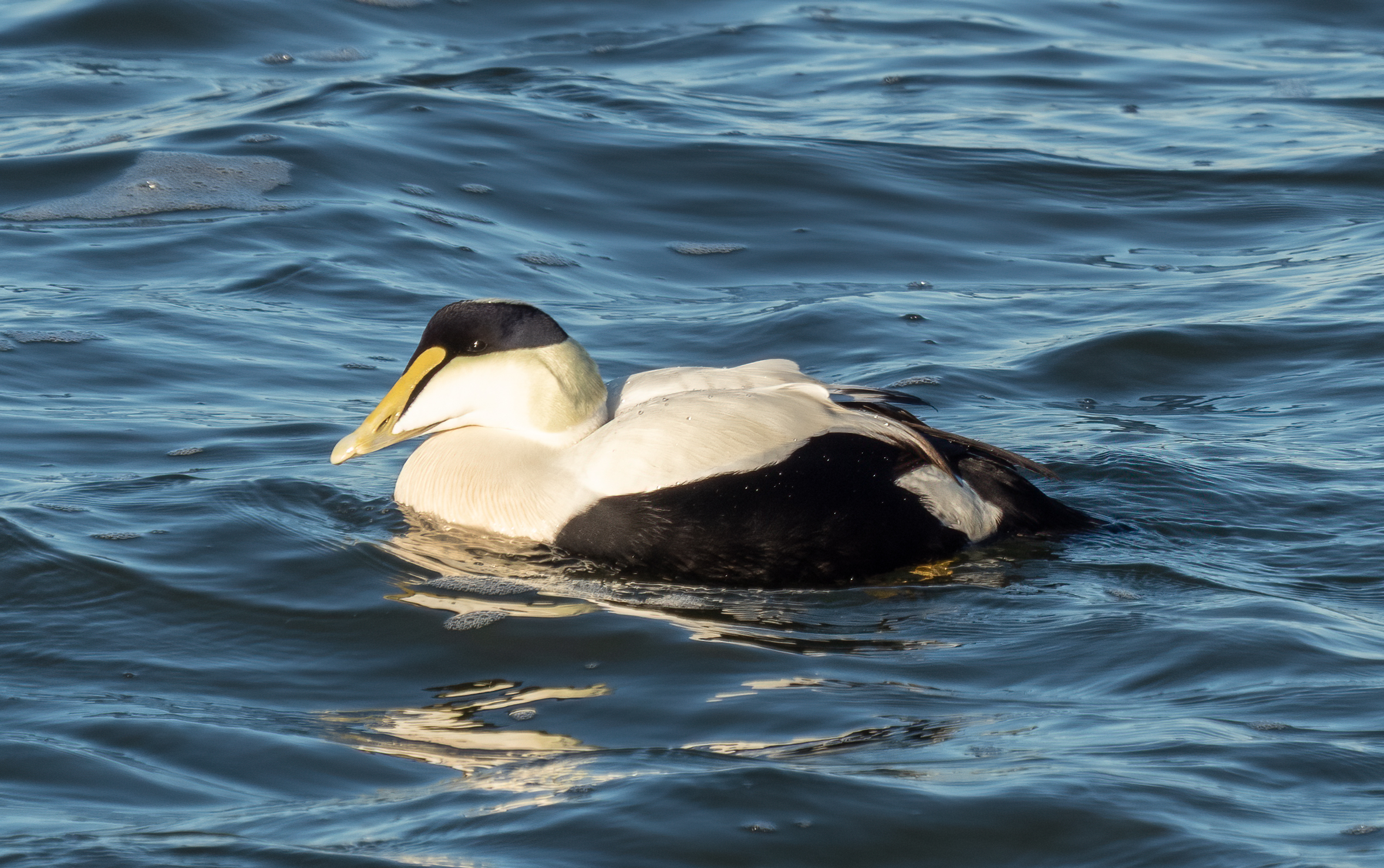
The latest Canadian national status report for migratory game birds documents contrasting trends among common eider (Somateria mollissima) populations in eastern Canada. The report was published online on 16 January 2026 and shows that the most recent winter survey of northern common eider (Somateria mollissima borealis) counted an estimated 121,000 adult males in 2023, down 29% from the 2018 estimate.
The northern population has been surveyed on its wintering grounds in eastern Canada and Saint-Pierre-et-Miquelon since 2003. The survey counts wintering adult males, so the estimate of 121,000 is not a total population estimate. The 29% decline refers specifically to the change between the male winter surveys in 2018 and 2023.
American eiders declined in some regions but remained stable in the Gulf
The report also updates breeding information for American common eider (Somateria mollissima dresseri). Long-running surveys along the New Brunswick coast and in the St. Lawrence Estuary indicate long-term declines, while the monitored colonies in the Gulf of St. Lawrence have been comparatively stable in recent years.
At the four largest breeding colonies in the St. Lawrence Estuary in Québec, 11,800 nests were counted in 2025. The time series began above 15,000 nests in 2003 and has declined overall, although the annual numbers have fluctuated substantially. Along the New Brunswick coast, the most recent survey reported in the national status assessment was from 2017, when about 2,560 breeding pairs were estimated.
In the Gulf of St. Lawrence Migratory Bird Sanctuaries in Québec, the most recent count reported was 13,100 nests in 2022. That series increased from lower numbers in the 1990s and has remained around 13,000 nests through much of the more recent monitoring period.
Not all eider populations are monitored equally
Canada recognises four common eider populations: Pacific, Northern, Hudson Bay and American. The report notes that the Pacific and Hudson Bay populations are not monitored regularly, so the strongest current time series come from the northern winter survey and the American breeding surveys in Atlantic Canada.
Population & status
Related news
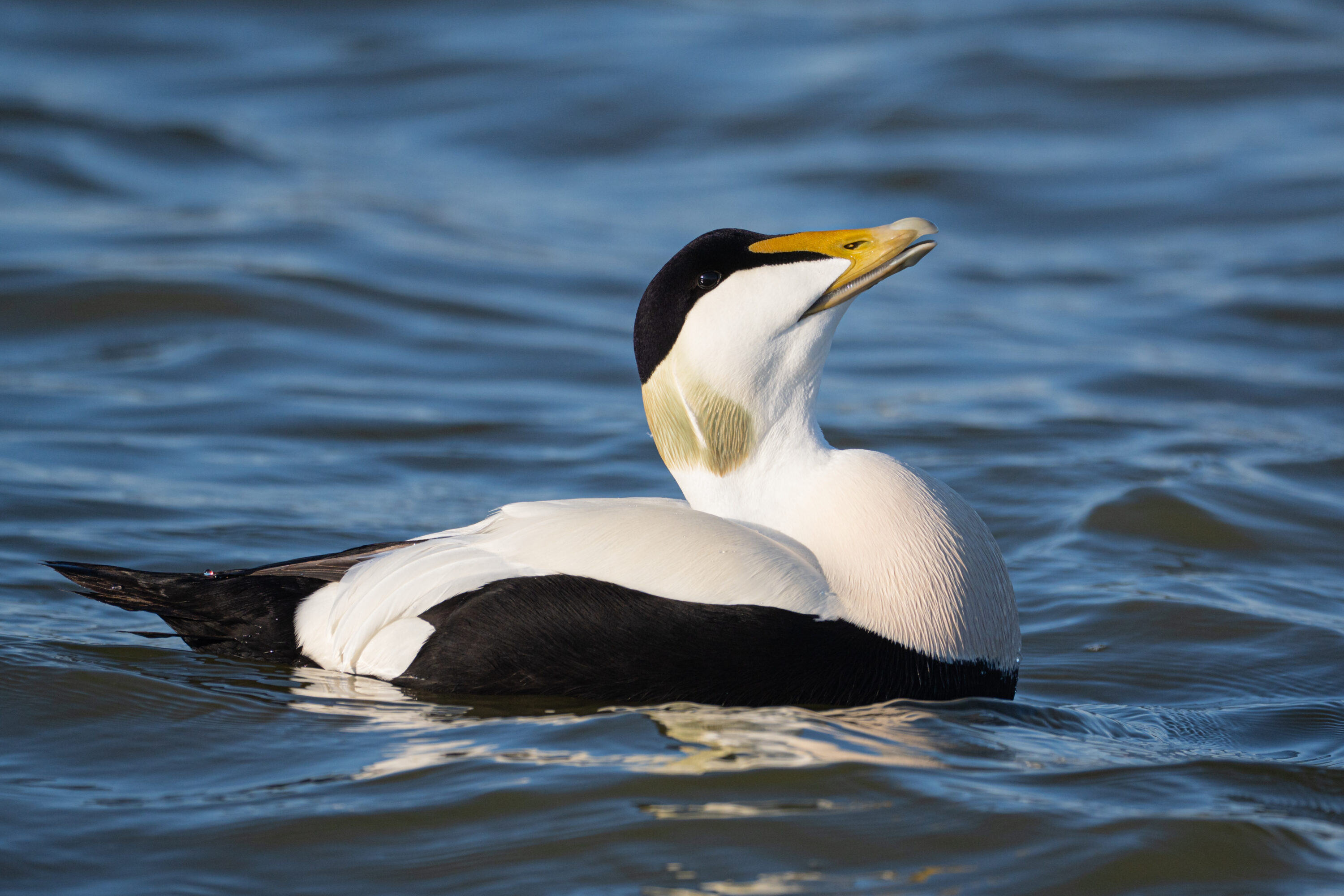
Colour-Banded Eider Linked Nunavut and Iceland More Than 2,800 Kilometres Apart
A male northern common eider banded on East Bay Island, Nunavut, in 2023 was filmed in western Iceland…
Read story →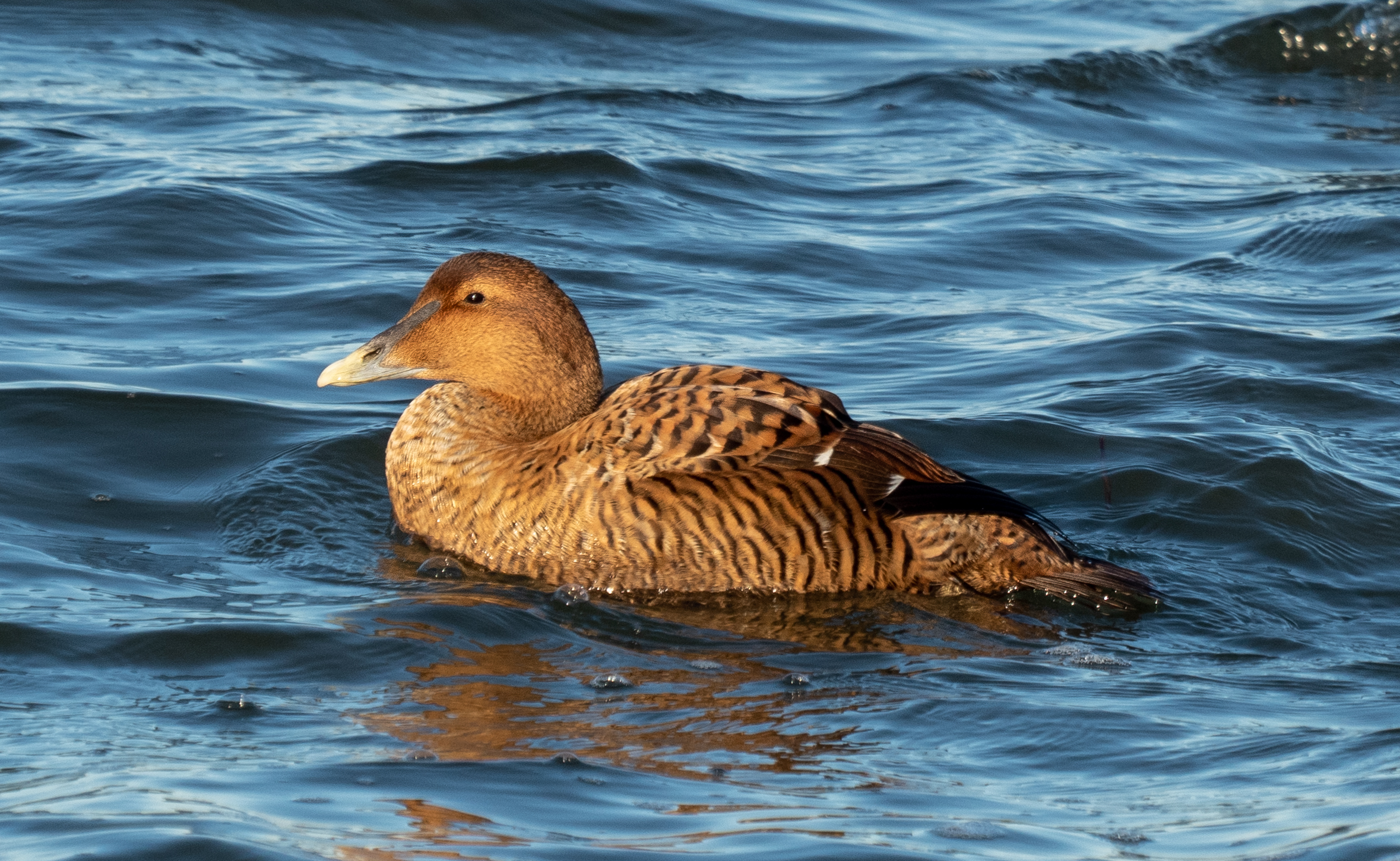
Only About Half of American Common Eider Females Were Estimated to Breed in a Given Year
Satellite tracking of 123 females across Maine and eastern Canada estimated overall breeding propensity at 53%, while regional…
Read story →
Higher PFOS Was Linked to Lower Egg Temperatures in Finnish Common Eiders
Researchers studied 18 female common goldeneyes and 37 female common eiders in Finland. Higher PFOS was linked to…
Read story →SPECIES IN THIS STORY