
Western Cattle Egrets Accounted for 99% of Occupied Nests in Ondangwa in 2020 as Other Species Declined
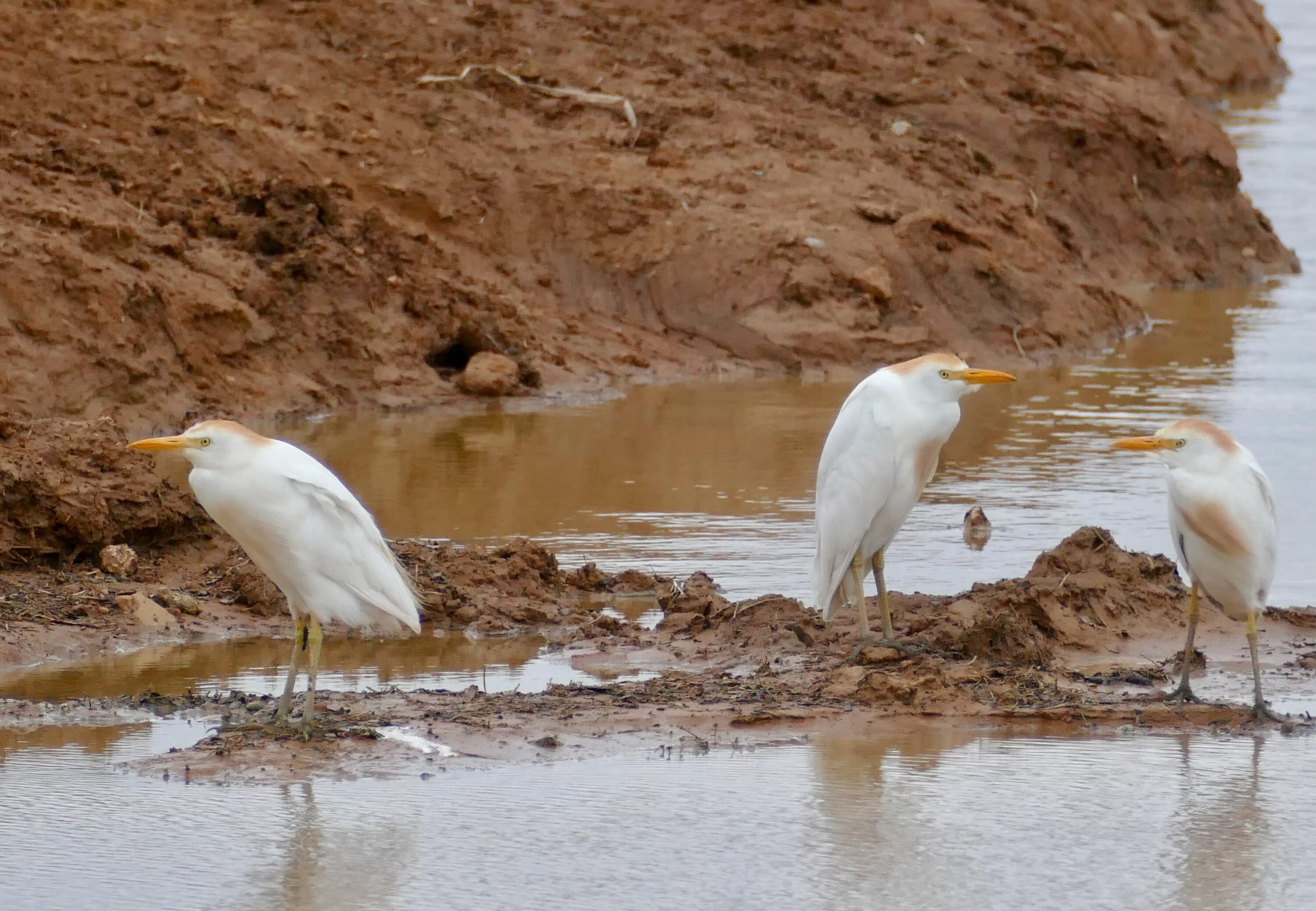
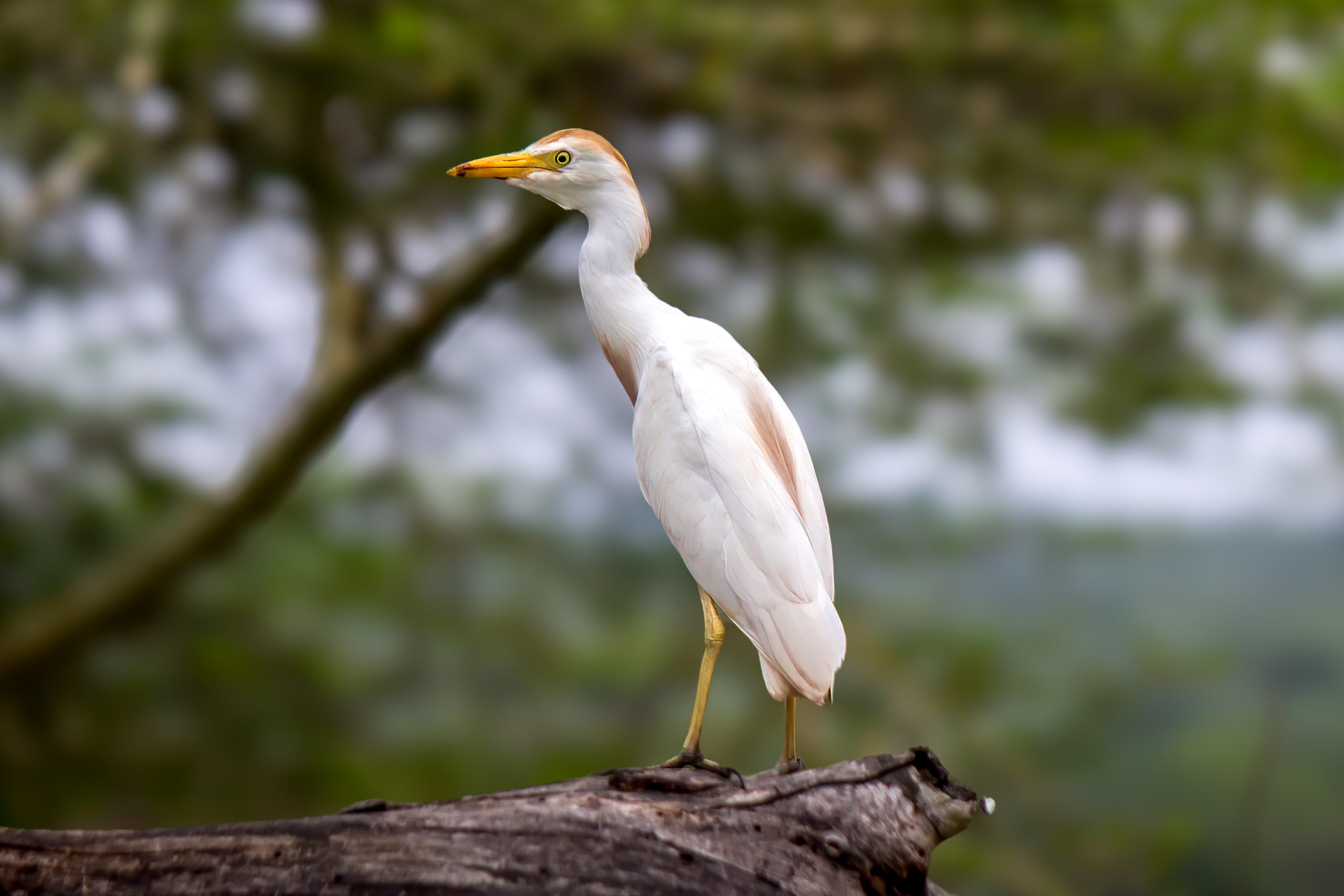
The long-established heronry in Ondangwa, north-central Namibia, changed strikingly in composition between 2011 and 2020. Estimated occupied nests of western cattle egret (Ardea ibis) increased from about 2,500 to about 11,000, leaving the species with roughly 99% of occupied nests in 2020. Several other colonial waterbirds that had been numerous in 2011 became far less common.
The colony has been known since at least 1945. A wider survey searched for heronries across the roughly 40,000 km² Cuvelai Drainage System during 2018–2020, while the Ondangwa colony itself was counted in 2011, 2018 and 2020. Only nests attended by incubating or brooding adults were counted. Because the western cattle egret nests were extremely numerous, their totals were estimated from counts in selected nesting trees, so the figures are approximate rather than exact totals.
A mixed colony became almost entirely dominated by western cattle egrets
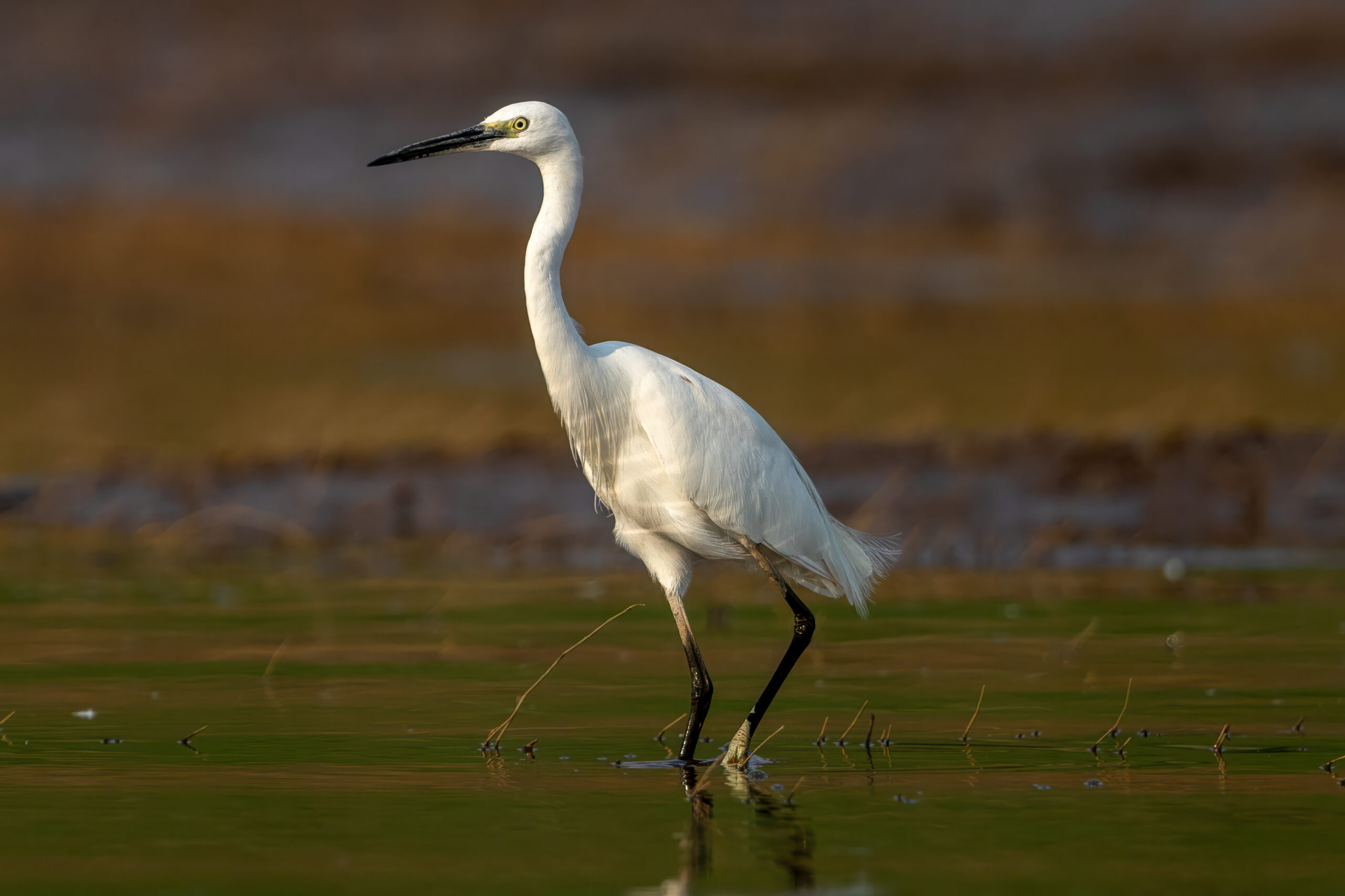
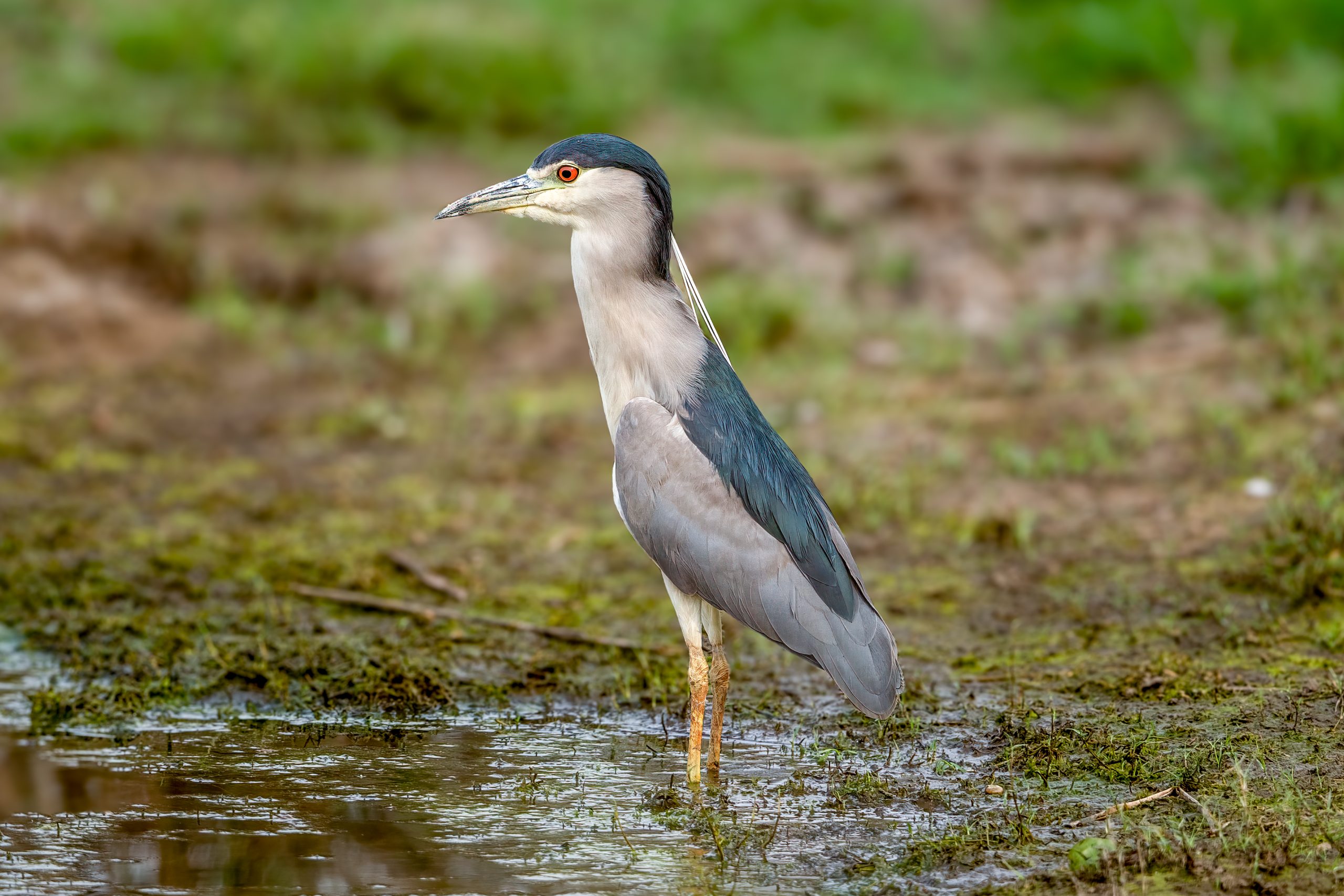
In 2011, the colony held about 2,500 occupied nests each of western cattle egret and little egret (Egretta garzetta), around 400 yellow-billed egret (Ardea brachyrhyncha) nests and about 200 black-crowned night heron (Nycticorax nycticorax) nests. Grey heron, black-headed heron and African reed cormorant nested in smaller numbers.
By 2020, the western cattle egret estimate had risen to about 11,000 nests. Compared with 2011, the author calculated a 4.4-fold increase in western cattle egret nests, while little egret declined by about 99%, yellow-billed egret by 95% and black-crowned night heron by 85%. Despite those declines, the total number of breeding pairs in the colony more than doubled.
Rainfall and disturbance may both have contributed
The study does not assign the shift to a single cause. The author notes that nest numbers and species composition changed strongly between surveys and suggests that some species may use the colony irregularly depending on local feeding conditions, rainfall and movements associated with rainfall.
Human disturbance is another proposed influence. In 2018, NamWater demolished nests and tried to frighten birds away from the Ondangwa heronry. The author suggests that western cattle egrets may be relatively tolerant of disturbance, whereas grey herons, little egrets and black-crowned night herons were much less numerous in 2020. This is presented as a possible contributor to the change rather than a demonstrated single cause.
Ondangwa was the only long-lasting heronry found in the wider survey
Across the Cuvelai Drainage System, Ondangwa was the only long-lasting heronry found. The other colonies recorded were small and short-lived, including black-headed heron colonies near Ogongo and a small purple heron colony at Olushandja Dam. A separate western cattle egret colony of about 1,000 nests on the University of Namibia’s Ogongo campus was destroyed in 2018 while most birds were incubating.
The Ondangwa colony lies immediately beside a hospital. The author argues that such proximity may create a human–wildlife conflict because of possible transmission of zoonotic diseases and parasites, and mentions relocation to a safer site as a management option. The study therefore documents both the long history of the Ondangwa colony and a major shift in the species that now dominate it.
Population & status
Related news
Waterbird Nest Counts Nearly Halved at an Indian Wetland, but Bird Numbers Showed No Clear Decline
At Vettangudi Bird Sanctuary in India, recorded waterbird nests fell from 396 to 190 across eight sampled breeding…
Read story →
Earlier Laying, Larger Clutches and Better Habitat Were Linked to Higher Western Cattle Egret Breeding Success
A five-year study of 1,779 Western Cattle Egret nests in northeastern Algeria found that breeding performance varied strongly…
Read story →
Great Egret and Grey Heron Dominated Many Inland Heron Colonies in South Korea
Across 176 South Korean breeding colonies, two colony groups had more than 90% of nests from large-bodied herons…
Read story →SPECIES IN THIS STORY
Species in this story
Independent research and conservation news archive
Did you find this information useful?
Wildlife Vagabond is independently built and maintained. Voluntary support helps cover source verification, hosting and continued work on research and conservation news.
Support Wildlife VagabondThe news archive will remain freely available.