
Parasites Were Common but Usually Subclinical in 61 Greater Kruger Leopards
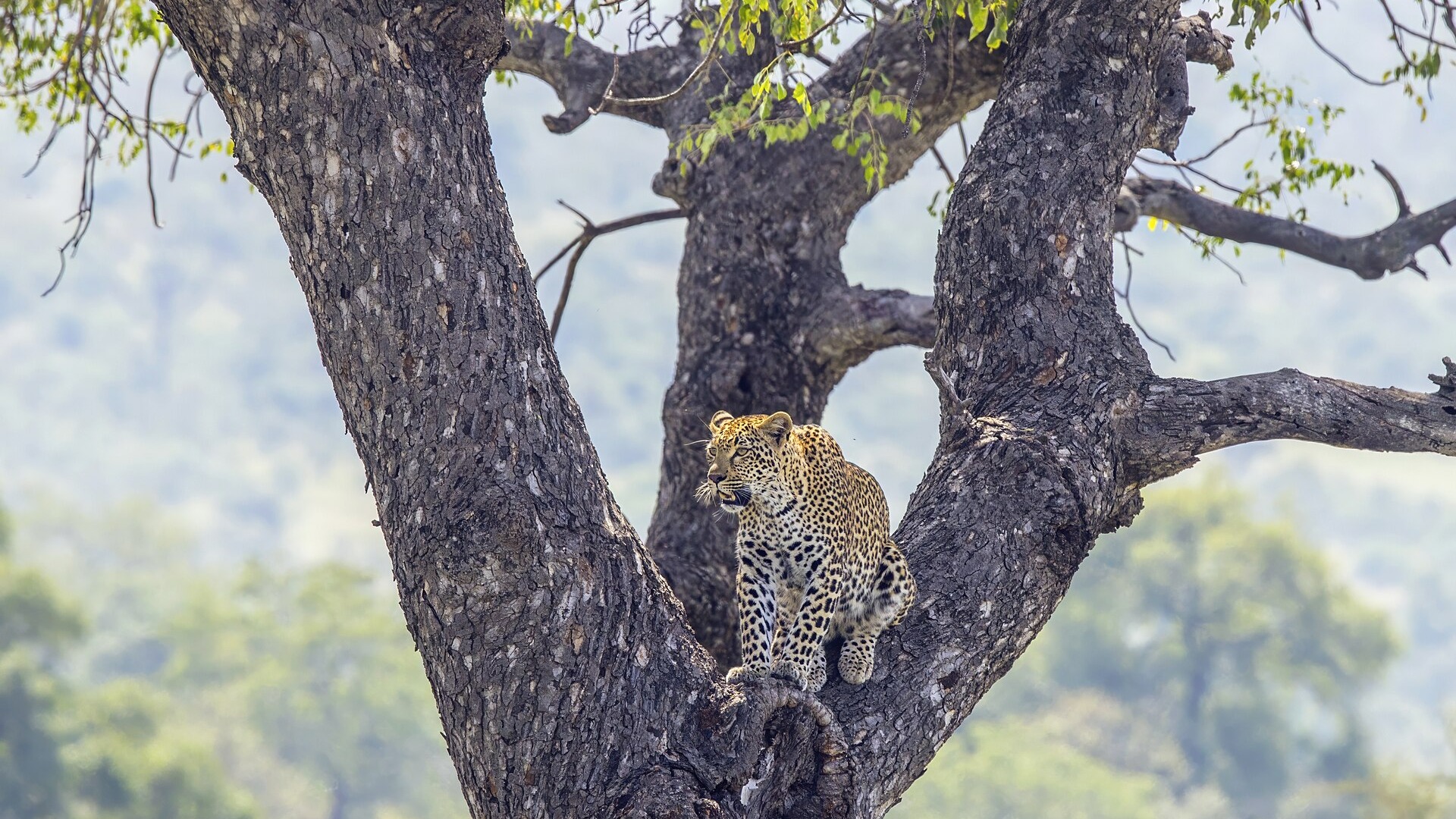
Post-mortem examinations of 61 free-ranging leopards (Panthera pardus) from the Greater Kruger, South Africa protected area found parasites or parasite-associated lesions in 52 animals. Most infections produced little inflammation and were considered likely to have been subclinical — present without obvious clinical illness — but five animals had severe conditions that may have affected their health.
The records span 1998–2023 and came from opportunistic field necropsies conducted for long-term disease monitoring. Researchers examined preserved tissues microscopically and, when possible, identified worms collected during necropsy. The study therefore documents pathological findings in carcasses rather than testing living animals at randomly selected sites.
Hepatozoon and Cylicospirura were the most frequent findings
Protozoa of the genus Hepatozoon were the most frequent finding. Their reproductive stages were present in the heart muscle of 34 of 61 animals, or 56%. In many cases they produced minimal or no inflammation. One animal, however, had severe inflammation and tissue death in the heart muscle associated with Hepatozoon, without another pathogen detected in the affected tissue.
The nematode Cylicospirura pardalis was associated with inflammation of the stomach and duodenum in 31 animals, or 51%. The worms formed firm nodules in the tissue. In two animals, these lesions obstructed the outlet of the stomach. Lung inflammation attributed to metastrongylid worms occurred in 14 animals, while cysts of Sarcocystis were found in skeletal muscle in 17. The muscle cysts generally caused little or no inflammation. Single cases of Dirofilaria sudanensis, Armillifer armillatus and Linguatula serrata infestation were also recorded.
Five leopards had severe parasite-associated disease
Parasites often occurred together. Thirteen animals had one recorded parasite, 29 had two or three and seven had five or more. Besides the severe heart case and two gastric obstructions, two animals had severe mange. Four of these five severely affected animals also carried at least four additional parasite infestations.
Not every parasite could be identified to species. The lungworms were classified only as metastrongylids from their appearance in tissue. The mites causing mange were considered likely to be Sarcoptes scabiei, but specimens were not submitted for definitive identification. The species of Hepatozoon and Sarcocystis in the tissues also remained unresolved.
The carcass series cannot estimate population prevalence
The figures are not prevalence estimates for the Greater Kruger population. This was a highly selected set of dead animals, biased towards the human–wildlife interface. Most of the animals — 52 of 61, or 85% — were euthanised because they had attacked or killed a person or had severe traumatic injuries or disease. Other leopards may die without being found, and the organs available for examination varied with scavenging, the location and time of discovery, and the circumstances of death.
Variable sampling also left gaps: some organs were not collected for microscopic examination, especially when they looked normal during a field necropsy. Because many animals were euthanised for behavioural rather than clinical reasons, the authors could not determine the health significance of every infection. They conclude that a key unresolved question is what causes common, usually subclinical parasitic conditions to become potentially life-threatening disease.
Disease, parasites & microbiology
Related news
Living With Carnivores Is About More Than Livestock Losses
Near Iran’s Golestan National Park, researchers explored what was associated with people’s willingness to accept leopards, wolves and…
Read story →
Sri Lankan Leopards in Tea Landscape Were Less Active by Day and More Active at Dusk
In Sri Lanka’s Central Highlands, only 4.4% of leopard records in an unprotected tea landscape were diurnal while…
Read story →
Amur leopard density nearly tripled in a decade
Ten years of camera-trap data from Russia’s Land of the Leopard National Park show a strong recovery in…
Read story →SPECIES IN THIS STORY
Species in this story
Independent research and conservation news archive
Did you find this information useful?
Wildlife Vagabond is independently built and maintained. Voluntary support helps cover source verification, hosting and continued work on research and conservation news.
Support Wildlife VagabondThe news archive will remain freely available.