
Parasitic Nematodes from Serengeti Lions Formed a Distinct Mitochondrial Lineage
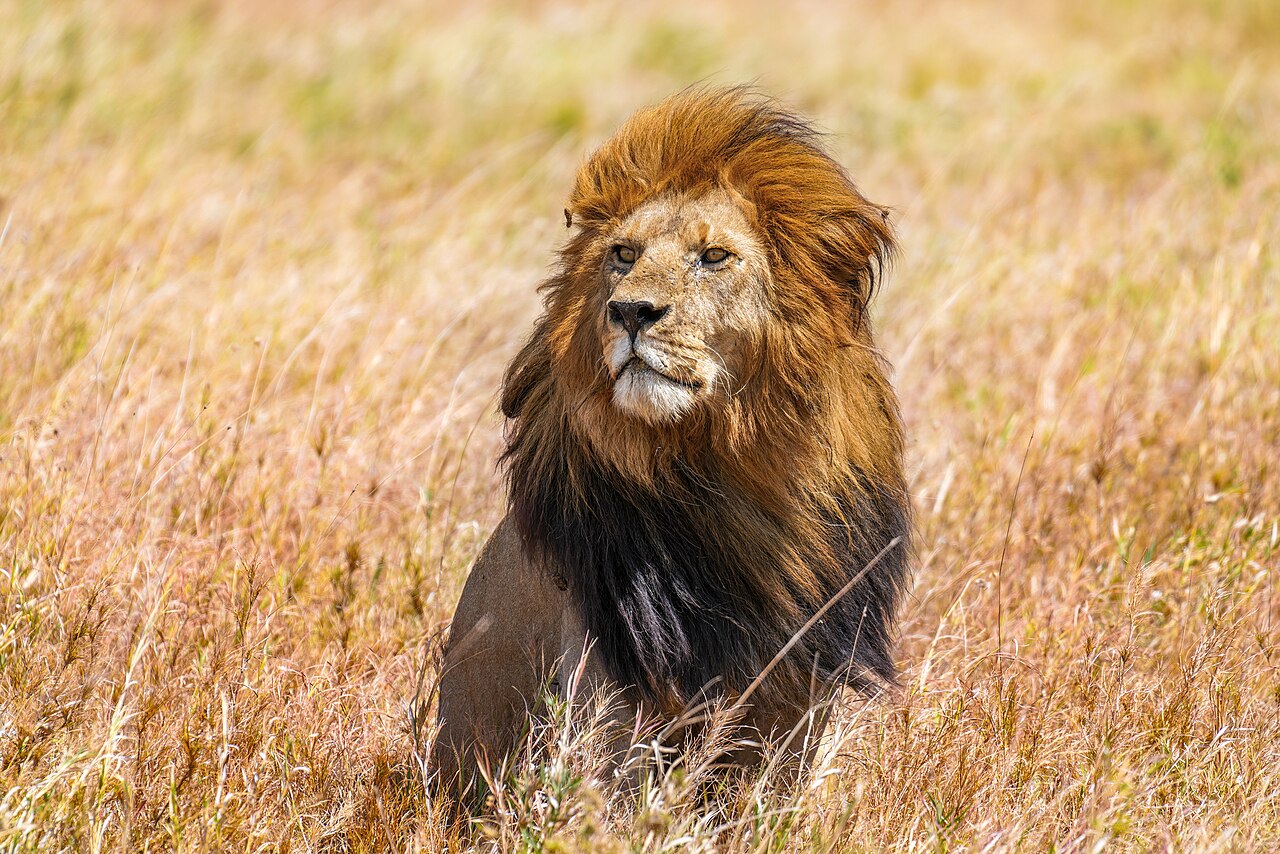
Adult parasitic nematodes recovered from the stomachs of wild lions (Panthera leo) in Serengeti National Park, Tanzania, had morphology consistent with Physaloptera praeputialis and nuclear DNA that placed them close to that species, while mitochondrial DNA showed much deeper divergence. The study provides the first integrative morphological and molecular characterisation of adult Physaloptera worms recovered from African lions in Tanzania.
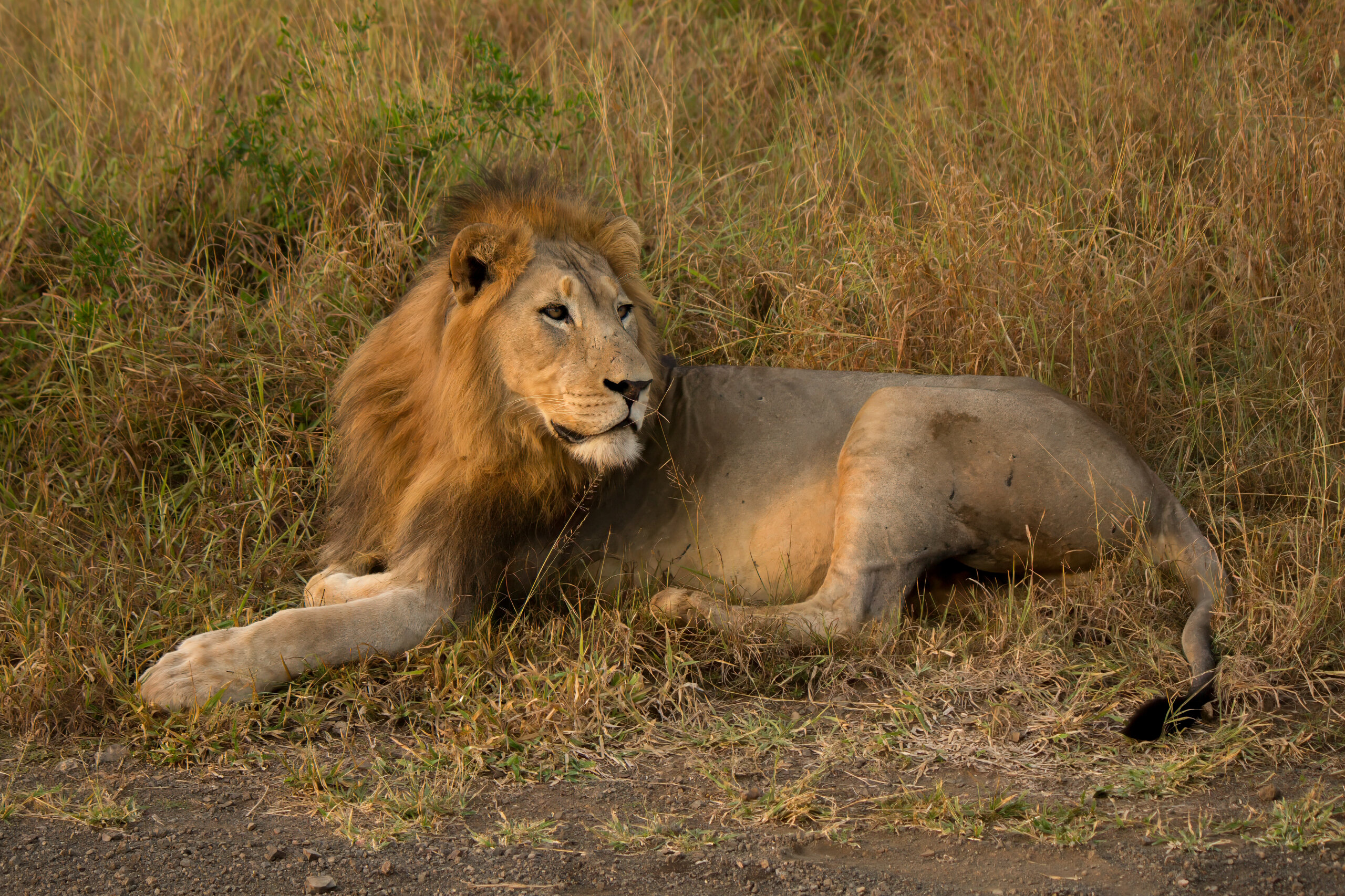
Researchers opportunistically examined seven non-captive lions that had died naturally in the central and eastern Serengeti between 2023 and 2025. Three were infected. A total of 157 adult nematodes were recovered: 57, 52 and 48 from the three infected lions.
Diagnostic anatomical features were consistent with P. praeputialis. Nine worms, three from each infected lion, were then selected for genetic analysis. The sequences obtained from the Tanzanian specimens were identical within each marker. Nuclear 18S rRNA data placed them close to reference P. praeputialis, including only 0.5% divergence from a sequence obtained from domestic cats in India.
Mitochondrial DNA Showed Much Deeper Divergence
The mitochondrial cox1 marker told a different story. The Tanzanian sequence had only 88–88.6% identity with the available Physaloptera references and formed a distinct mitochondrial lineage. The authors report roughly 12% divergence from available P. praeputialis reference sequences.
Morphology and the more conserved nuclear marker therefore support placement within the P. praeputialis species complex, while the mitochondrial divergence is substantially deeper. The authors note that the cox1 difference exceeds the range usually reported within a single nematode species and overlaps divergence seen between closely related species. They discuss deep phylogeographic structuring or cryptic diversification in African populations as possible explanations, rather than treating the lineage as a demonstrated new species. With only two genetic loci, the study could not resolve the species boundaries.
The Parasites Were Associated with Gastric Lesions
In the infected lions, the adult nematodes were associated with erosive and haemorrhagic gastritis. The authors note that attachment to the gastric mucosa, mechanical abrasion and blood-feeding by Physaloptera can contribute to chronic inflammation. They suggest that the observed lesions could contribute to subclinical morbidity, but direct effects on fitness, hunting success or survival remain speculative in this study.
A Small Sample, but a New Molecular Baseline
Physaloptera has an indirect life cycle involving arthropod intermediate hosts, while vertebrates can serve as paratenic hosts. The researchers propose that Serengeti lions may act as terminal accumulation hosts by repeatedly consuming infected prey. Intermediate hosts and transmission pathways were not investigated, however, so that route was not demonstrated directly.
Because only seven opportunistically available lions were examined, the study cannot estimate how common P. praeputialis is in the Serengeti lion population. The small sample and the use of only two genetic markers also limit taxonomic resolution. Even so, the Tanzanian sequences provide new molecular reference material for future work on identification, geographic variation and transmission of these parasites in African wildlife.
Disease, parasites & microbiology
Related news
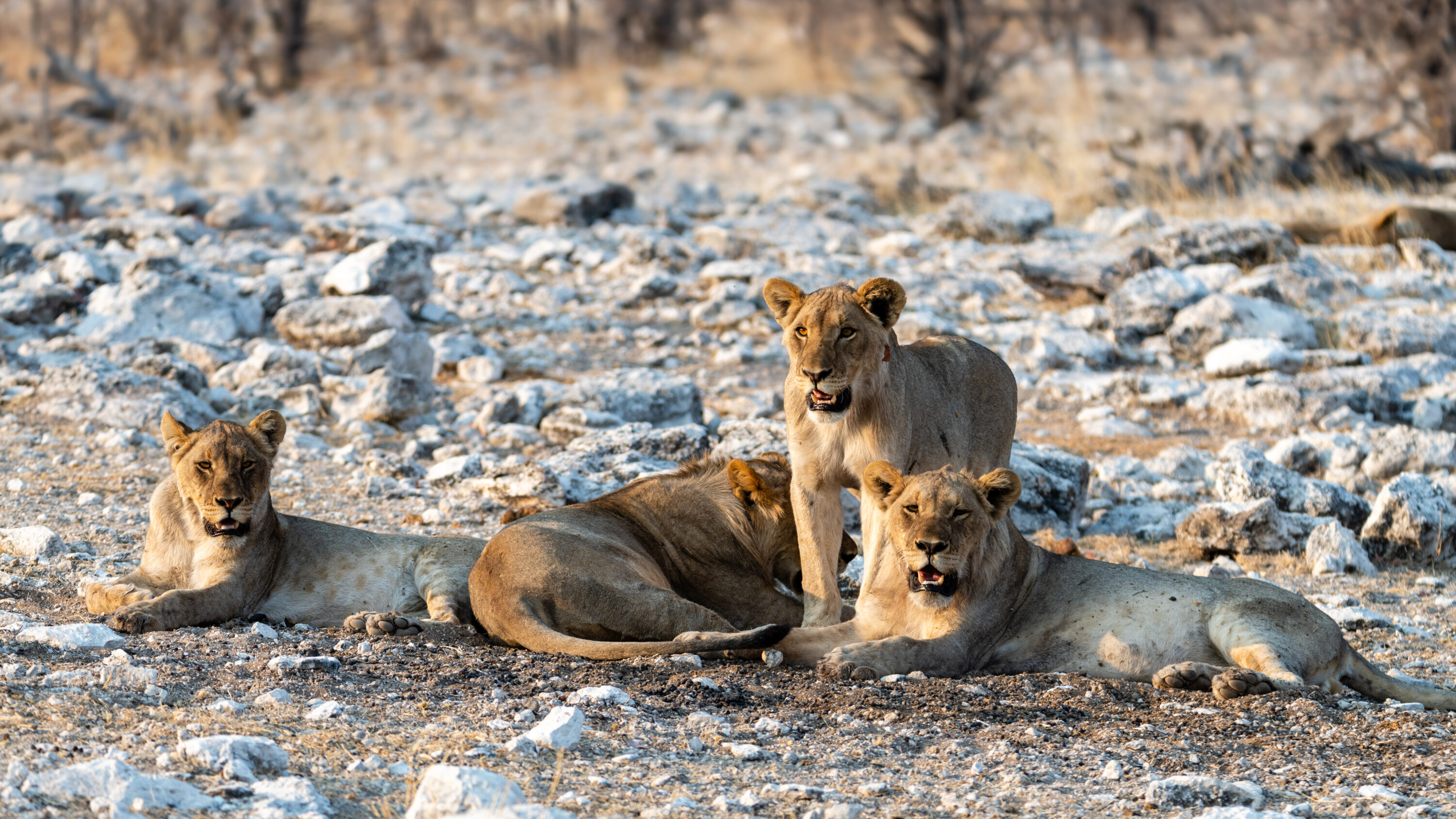
A Little-Known Microbial World Inside Lions’ Guts
Faecal samples from wild lions in Namibia gave researchers a much clearer picture of their gut bacteria. Microbial…
Read story →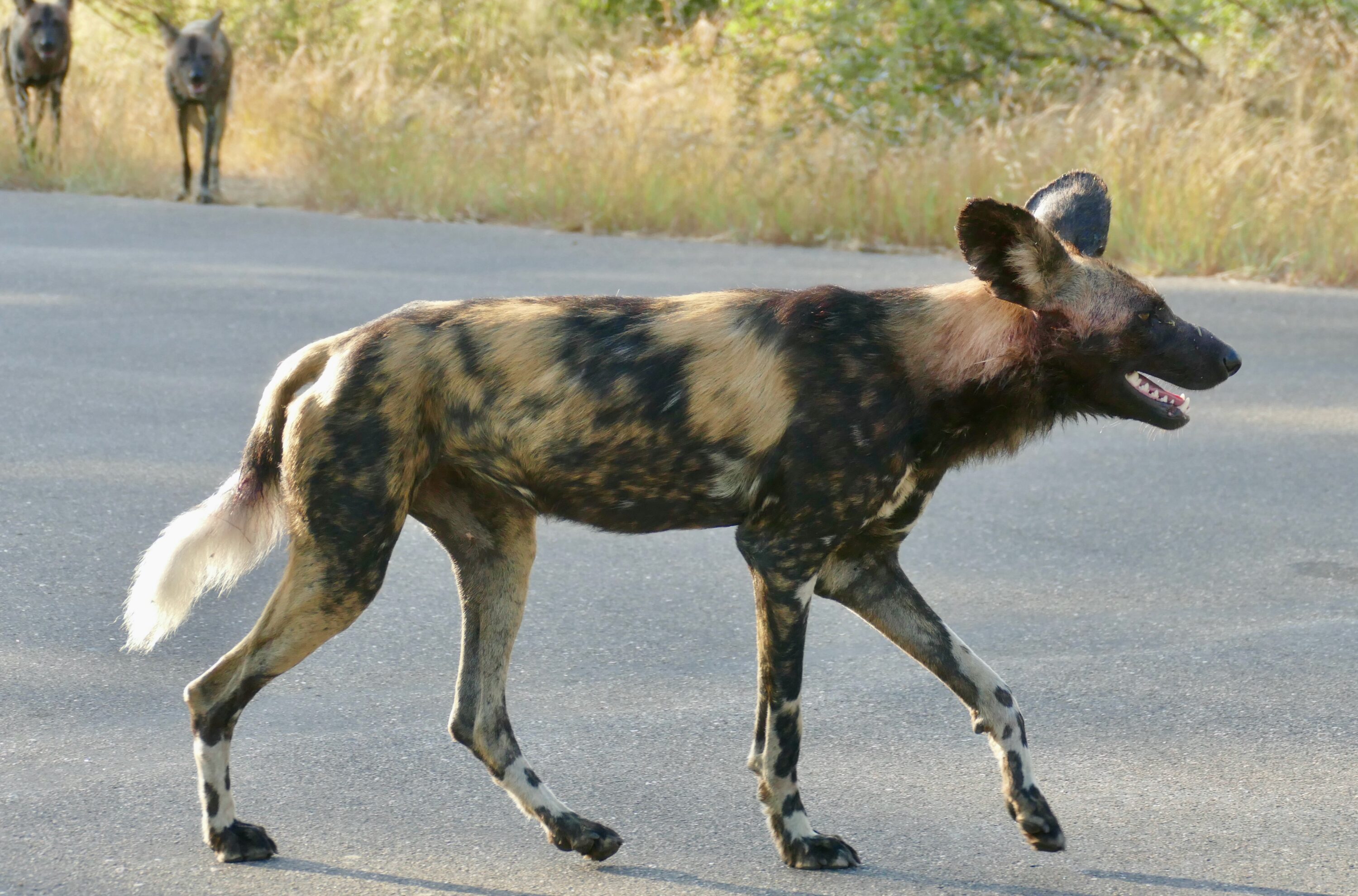
Food Leaves Its Mark on the Gut Bacteria of Kruger’s Wildlife
Gut bacteria in nine mammal species from Kruger National Park followed clear patterns linked to food and digestion.…
Read story →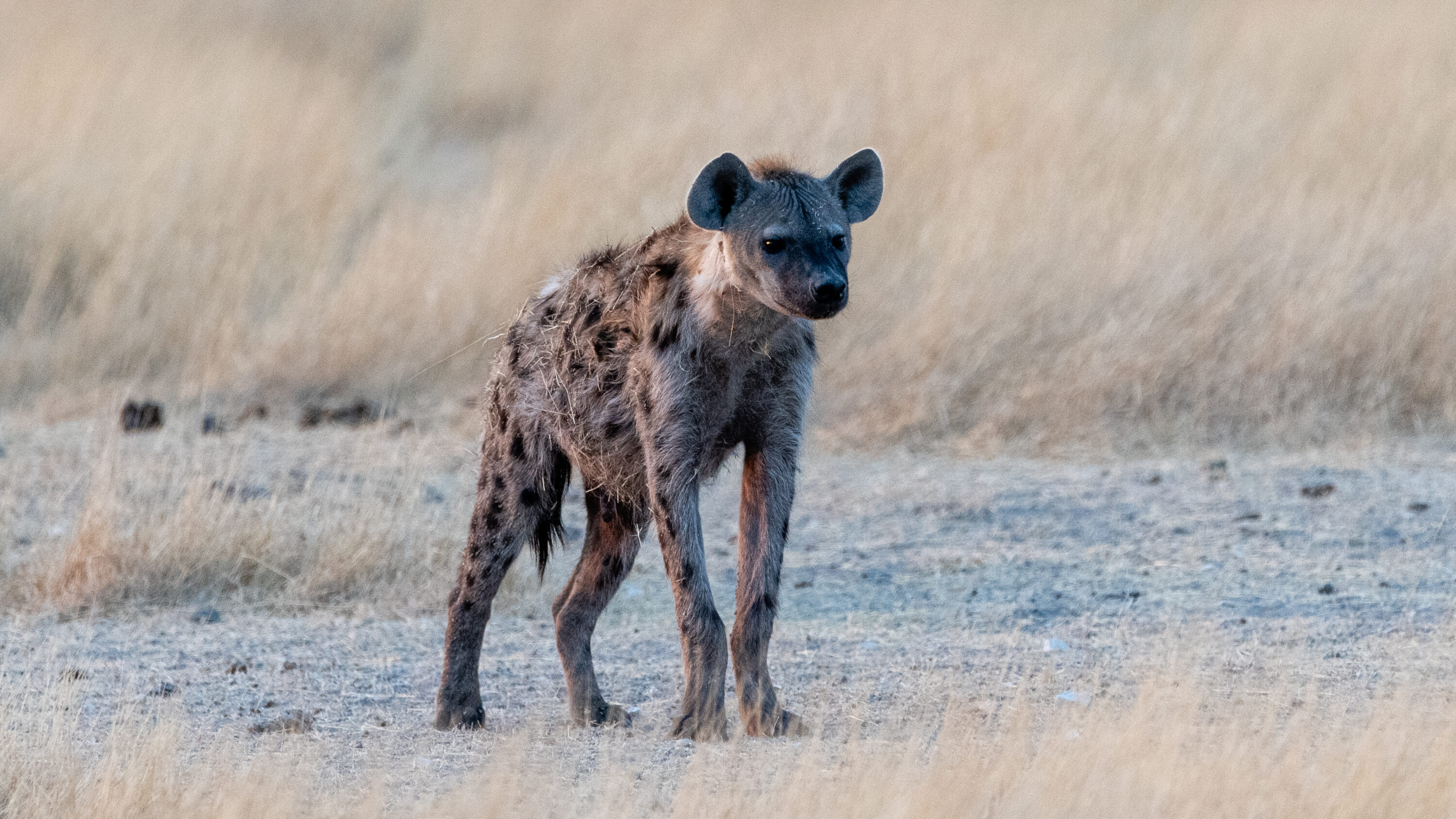
Spotted Hyenas Repeatedly Moved Away From Lions in Five-Minute GPS Data
High-frequency GPS data from Namibia and Botswana showed a robust retreat bias in spotted hyenas around lions, while…
Read story →SPECIES IN THIS STORY
Species in this story
Independent research and conservation news archive
Did you find this information useful?
Wildlife Vagabond is independently built and maintained. Voluntary support helps cover source verification, hosting and continued work on research and conservation news.
Support Wildlife VagabondThe news archive will remain freely available.