
PFAS Biomagnified From Insects Into Barn Swallows, With the Highest Estimated Risk Just After Hatching
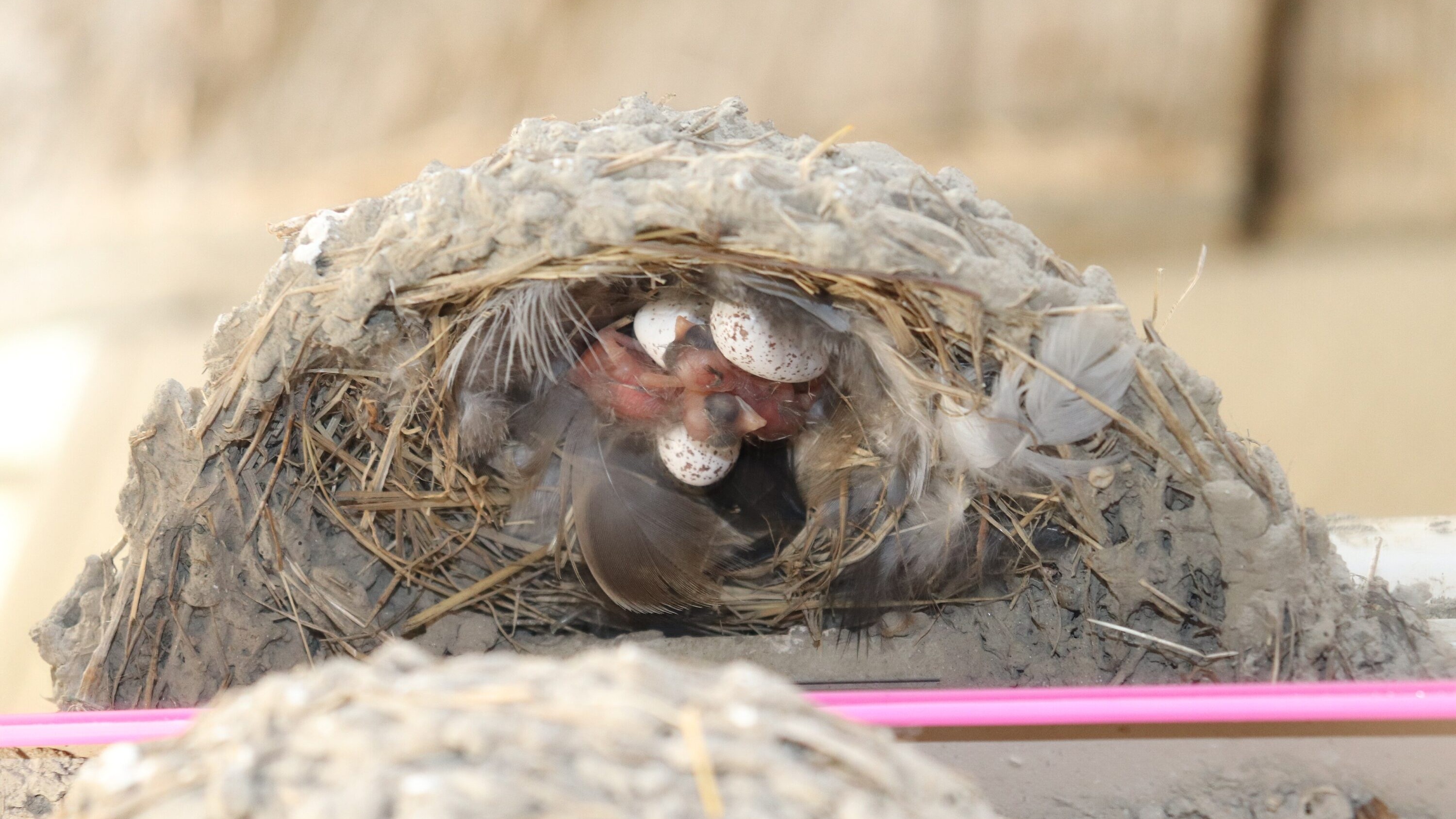
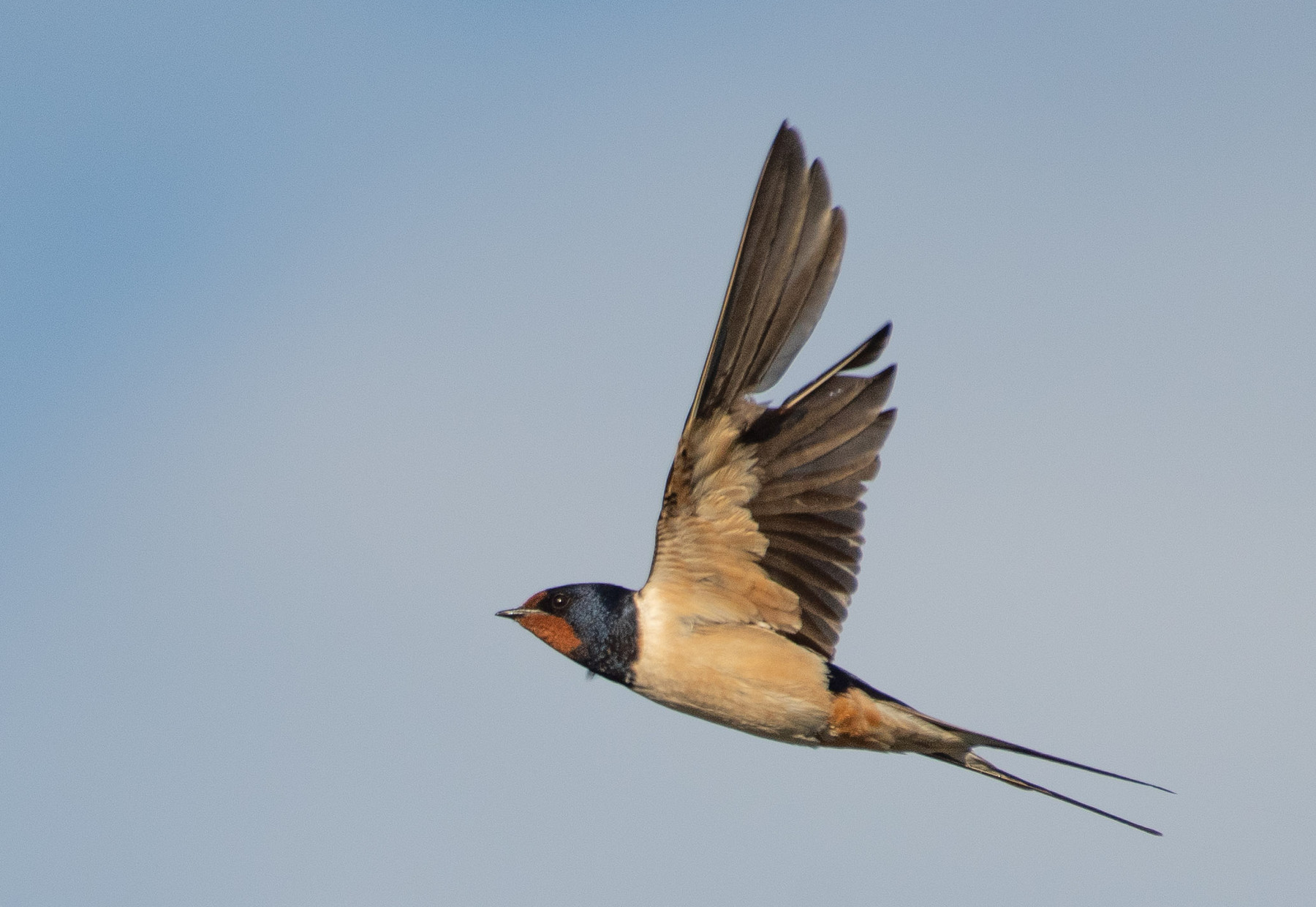
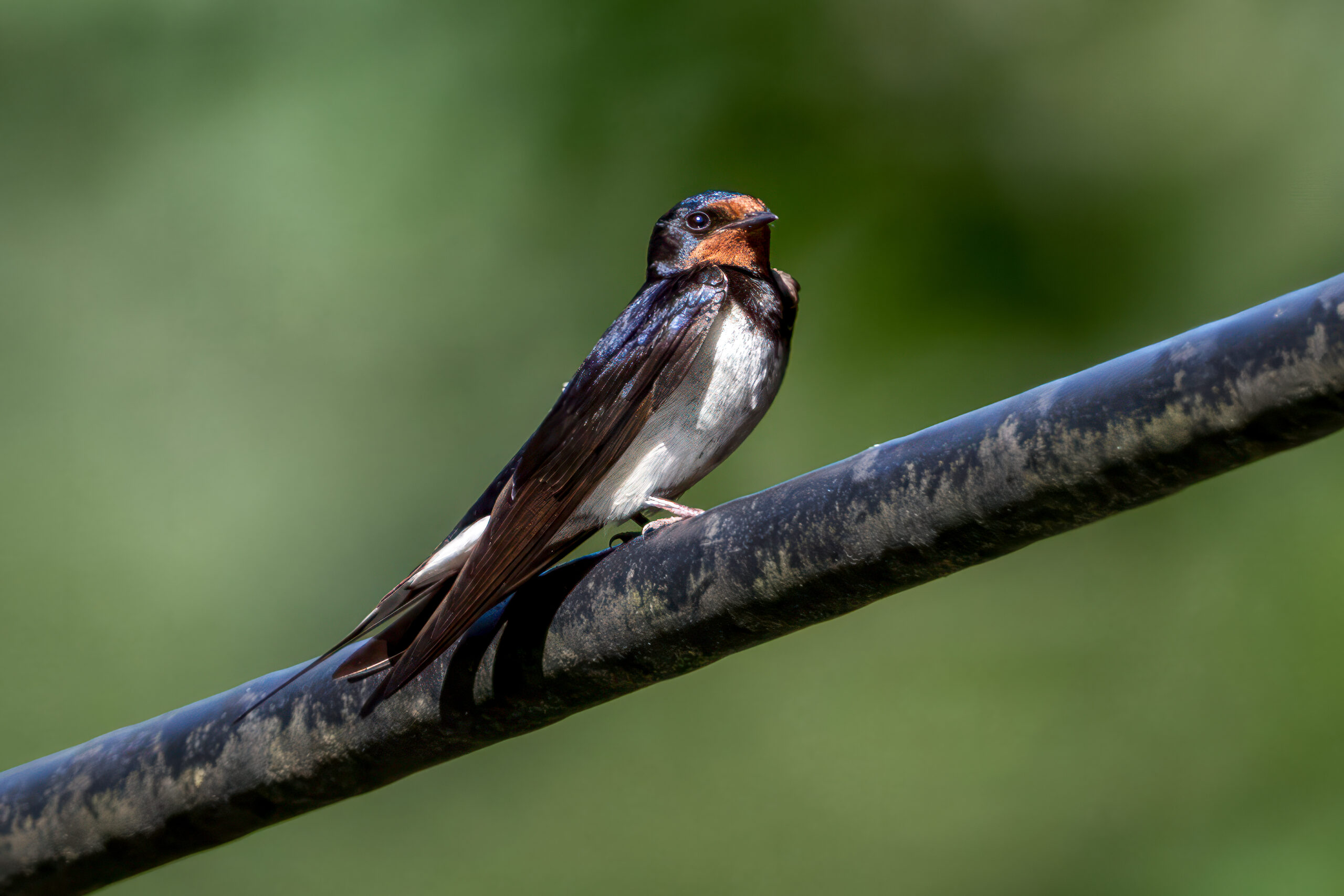
Per- and polyfluoroalkyl substances, or PFAS, became more concentrated as they moved from insects into barn swallows (Hirundo rustica) at a tropical rural site in South China. Researchers measured 33 PFAS compounds in environmental samples, insects, eggs, guano and chicks from one to 20 days old.
PFAS biomagnified from insects into the swallows
Biomagnification factors from insects to swallows were greater than one, indicating trophic magnification. The analysis also pointed to water and soil ingestion as additional sources of some long-chain perfluorocarboxylic acids, a subgroup of PFAS, so insect prey was not the only route by which the birds accumulated the chemicals.
Concentrations fell during early growth and rose again after day 13
PFAS concentrations followed a U-shaped pattern from eggs through chick development. As chicks grew from day one to day 13, the increase in body mass diluted measured concentrations. Between days 13 and 20, dietary exposure outweighed this dilution and concentrations rose again. The estimated total amount in the body showed a similar age pattern for most compounds, although perfluorooctane sulfonic acid (PFOS) and perfluorooctanoic acid (PFOA) differed, reflecting compound-specific exposure sources and metabolism.
Estimated risk was highest just after hatching
Hazard quotients — ratios comparing measured exposure with toxicological reference values — indicated substantially higher potential risk during the first days after hatching than in eggs or older nestlings. The paper also identifies guano as a possible route by which barn swallows can carry PFAS from agricultural fields into buildings and create potential exposure for residents.
Threats
Related news
Usutu Virus RNA Was Found Nearly Three Times as Often as West Nile Virus RNA in Southern France
Among 2,533 wild birds from 69 species in southern France, Usutu virus RNA was detected in 12.0% and…
Read story →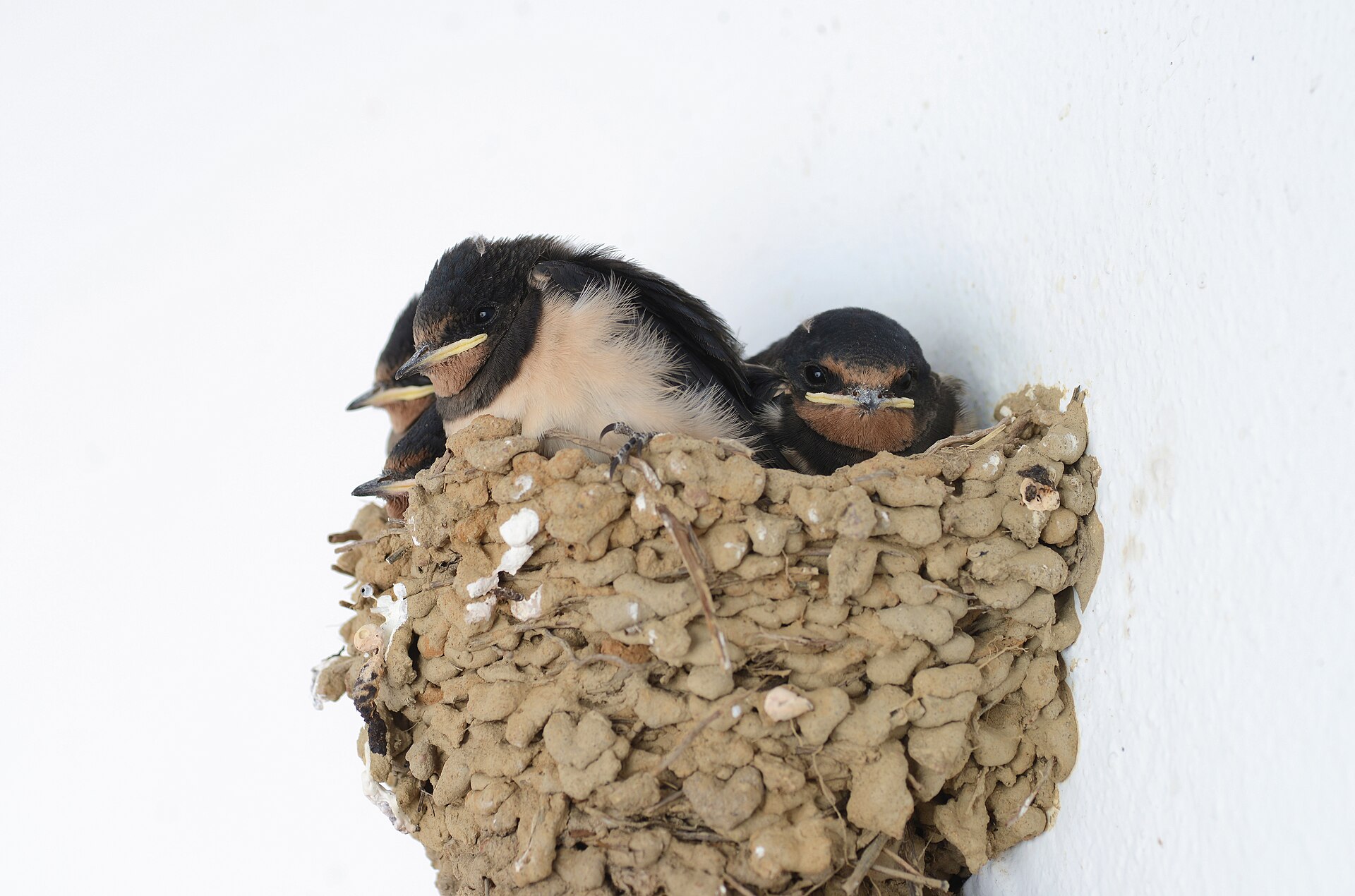
Larger Broods and Older Social Fathers Were Linked to Shorter Telomeres in Male Barn Swallow Nestlings
A long-term study near Milan found shorter telomeres in male barn swallow nestlings from larger broods or with…
Read story →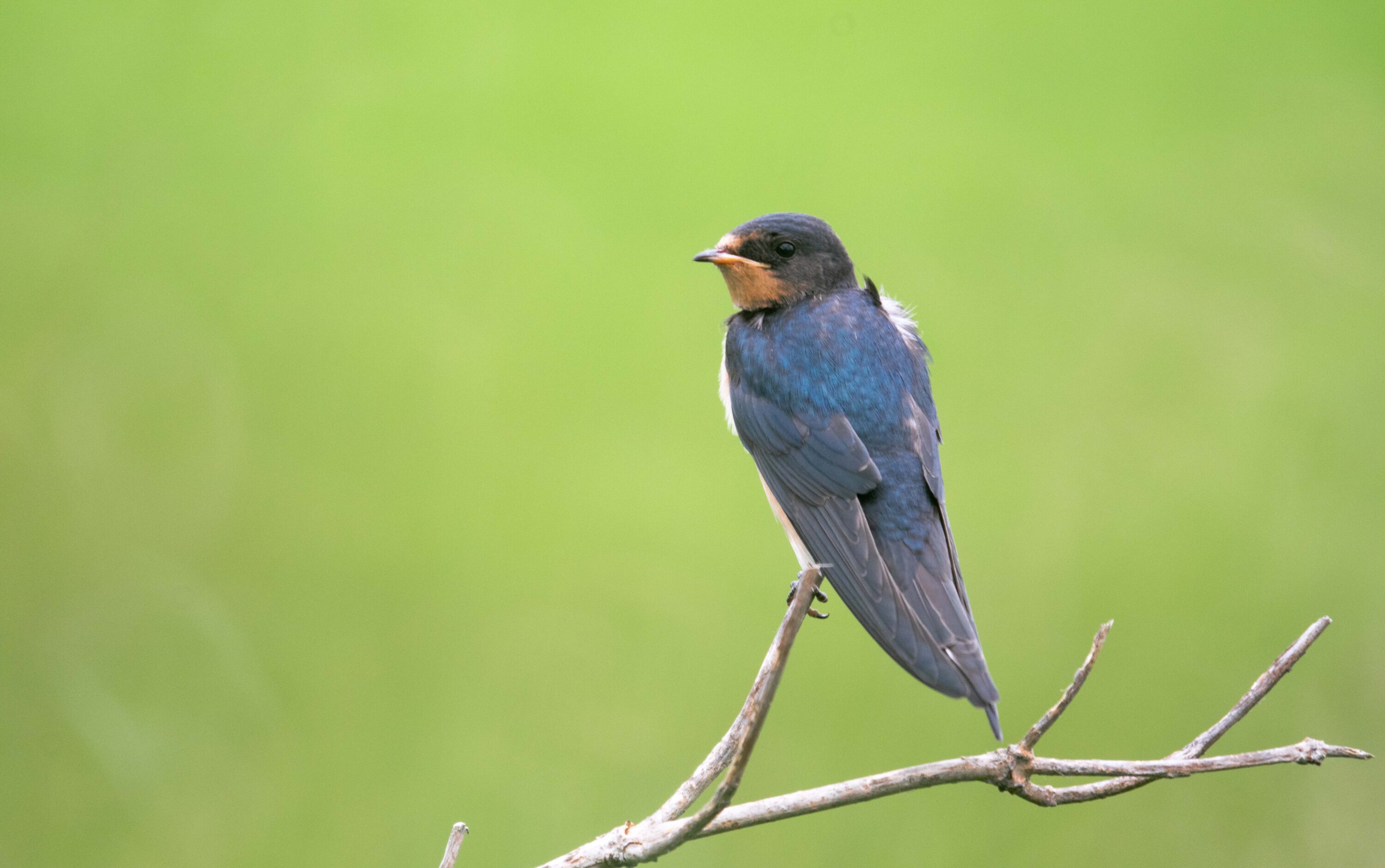
Mitochondrial DNA Reveals a More Complex Evolutionary History of Barn Swallows
A study of 580 complete barn swallow mitochondrial genomes found five major maternal lineages, including a newly recognised…
Read story →SPECIES IN THIS STORY
Species in this story
Independent research and conservation news archive
Did you find this information useful?
Wildlife Vagabond is independently built and maintained. Voluntary support helps cover source verification, hosting and continued work on research and conservation news.
Support Wildlife VagabondThe news archive will remain freely available.