
PFAS Exposure Was Linked to Oxidative Stress in Starling Chicks, but Not to Similar Changes in Great Tits
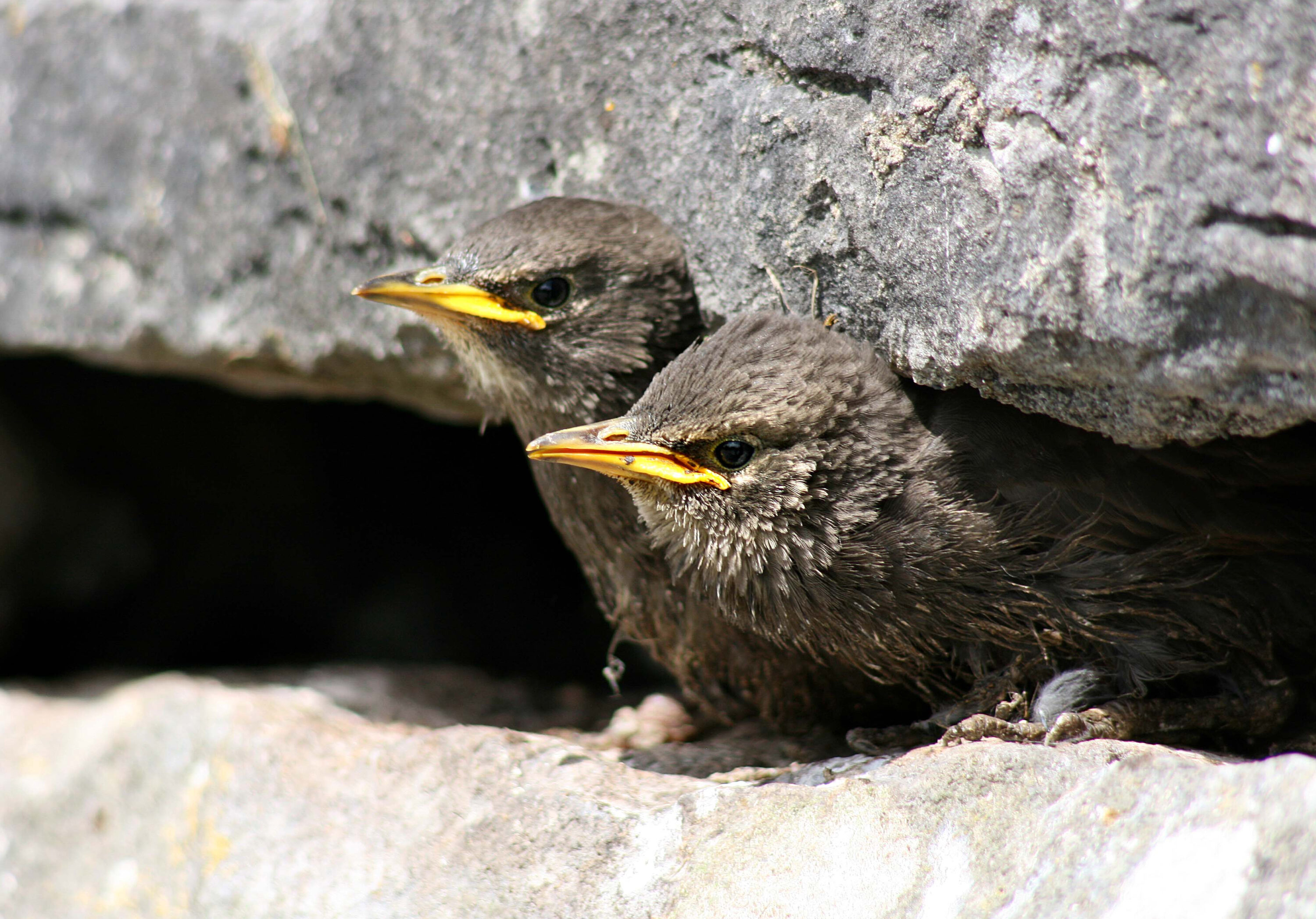
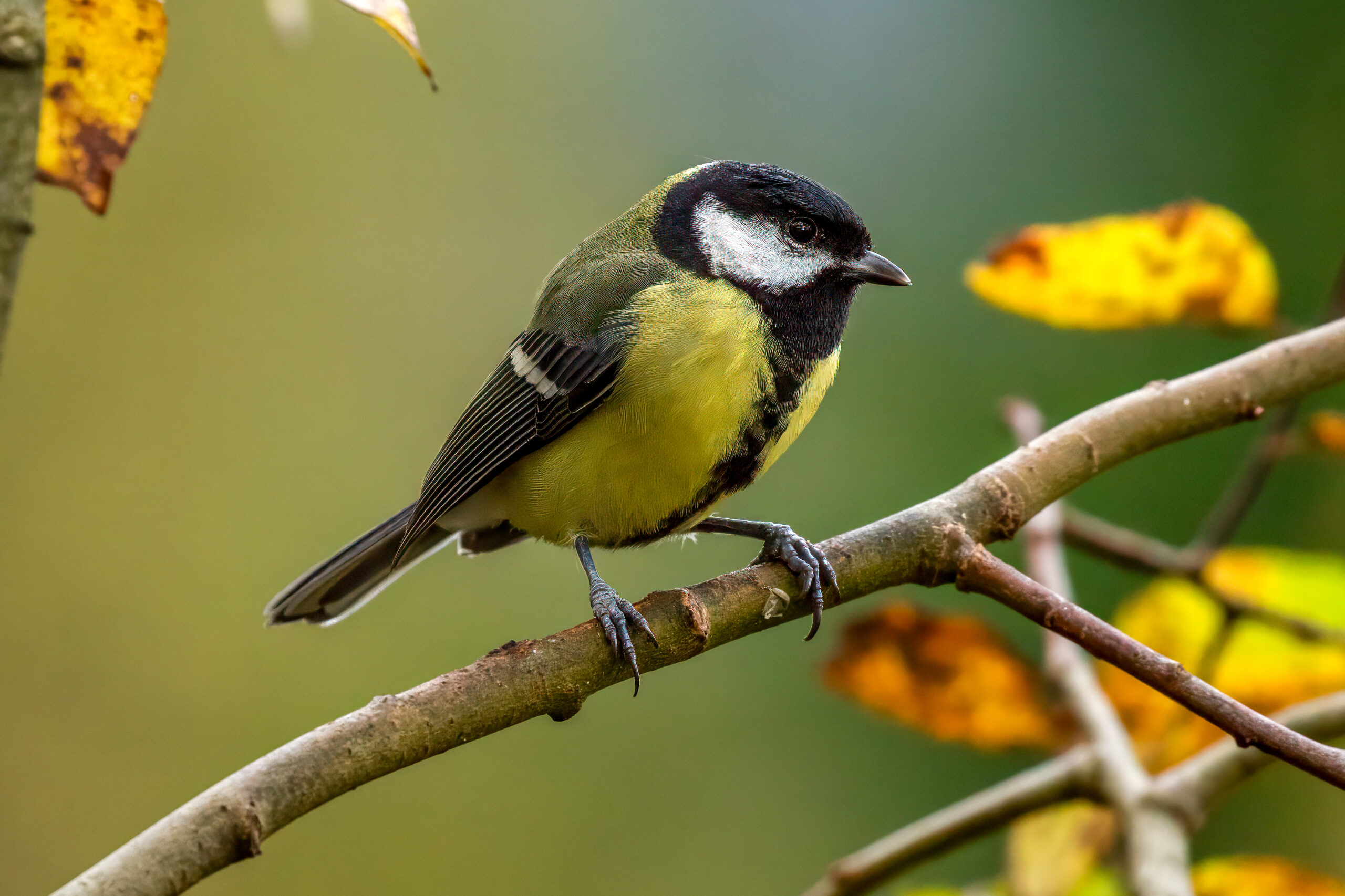
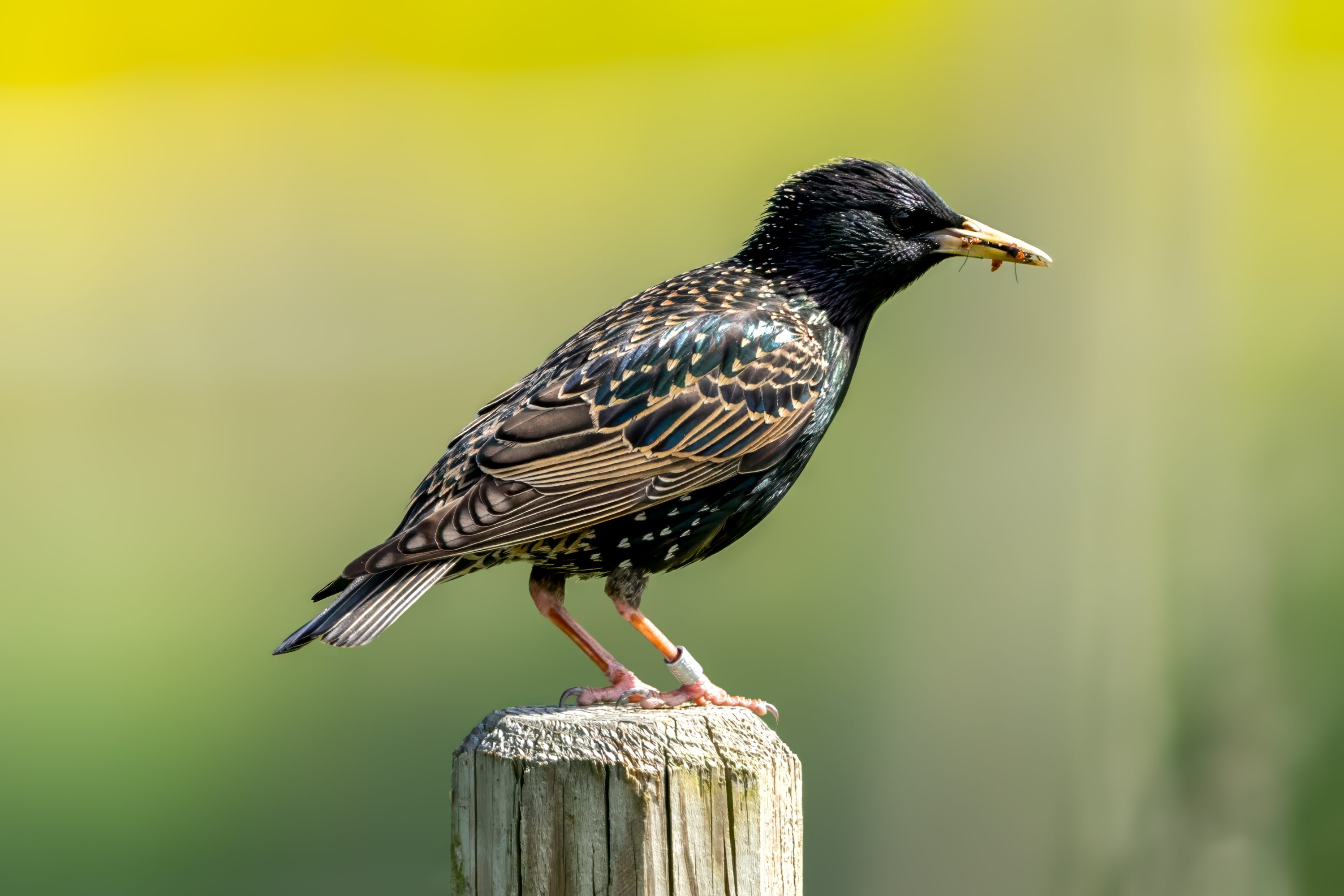
Birds breeding near a fluoropolymer plant in northwestern Italy carried far more PFAS in their eggs than birds from an agricultural reference area, but the physiological response differed between species. PFAS — per- and polyfluoroalkyl substances — are a large group of highly persistent synthetic fluorinated chemicals; several can accumulate in living organisms and move through food webs, making transfer into bird eggs biologically relevant. Common starling (Sturnus vulgaris) nestlings near the plant showed signs of oxidative stress, while the analysis did not support similar clear changes in the same measured stress markers in great tit (Parus major) nestlings.
The researchers screened eggs for 38 older and newer per- and polyfluoroalkyl substances (PFAS). Twenty-one were detected. Total concentrations reached as much as 6,576 nanograms per gram fresh weight in great tit eggs and 1,451 nanograms per gram in starling eggs, and levels near the plant were up to ten times those in the reference area. Chlorinated perfluoropolyether carboxylic acids, a group of newer PFAS associated with fluoropolymer production, dominated the contamination profile.
PFAS in eggs documented maternal transfer
Finding PFAS in eggs shows that compounds accumulated by adult females had been transferred into the eggs before hatching. The researchers then measured antioxidant and detoxification systems in nestling blood together with lipid peroxidation, which indicates oxidative damage to fats in cells.
Starling and great tit nestlings responded differently
The analysis did not support clear differences in the measured oxidative-stress markers between areas for great tit nestlings. That does not demonstrate that PFAS had no biological effect in great tits; it means that this study did not detect the same oxidative-stress pattern measured in starlings. Starling nestlings near the plant, however, had altered antioxidant defences and increased lipid peroxidation. The authors interpret this combination as evidence of oxidative stress, and lipid peroxidation in starlings was also positively associated with several PFAS measured in eggs from the same nest boxes.
The contrast shows why contaminant concentration alone does not necessarily predict the same biological effect in different species. The paper notes that starlings and great tits differed in their PFAS profiles, including a greater contribution of long-chain compounds in starling eggs, and calls for further field studies of how PFAS mixtures move through food webs and affect free-living wildlife.
Physiology
Related news
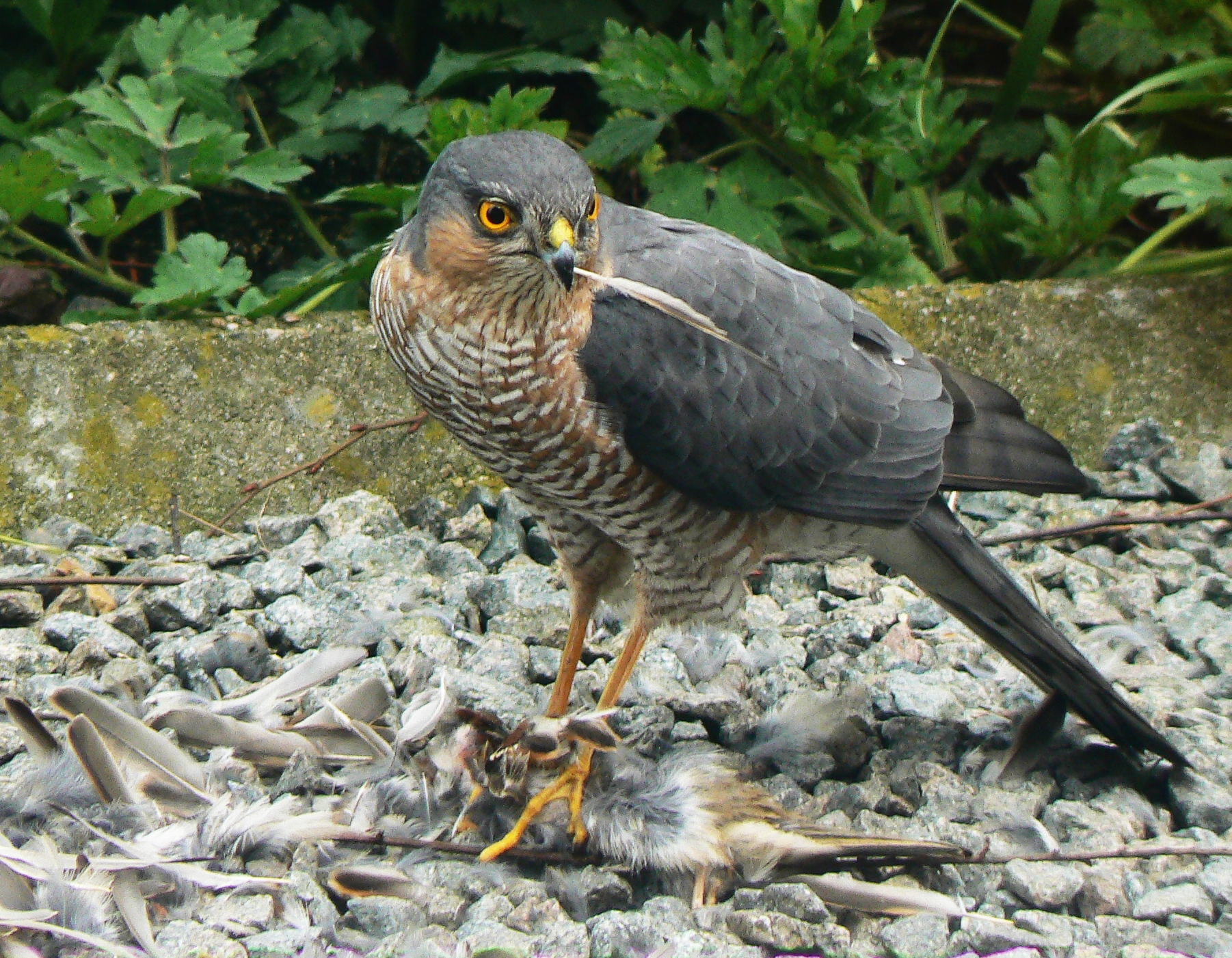
Habitat and Prey Traits Shaped Sparrowhawk Diet Around 62 Czech Nests
A 2026 Czech study of 1,107 prey items from 62 Eurasian sparrowhawk nests found that diet composition varied…
Read story →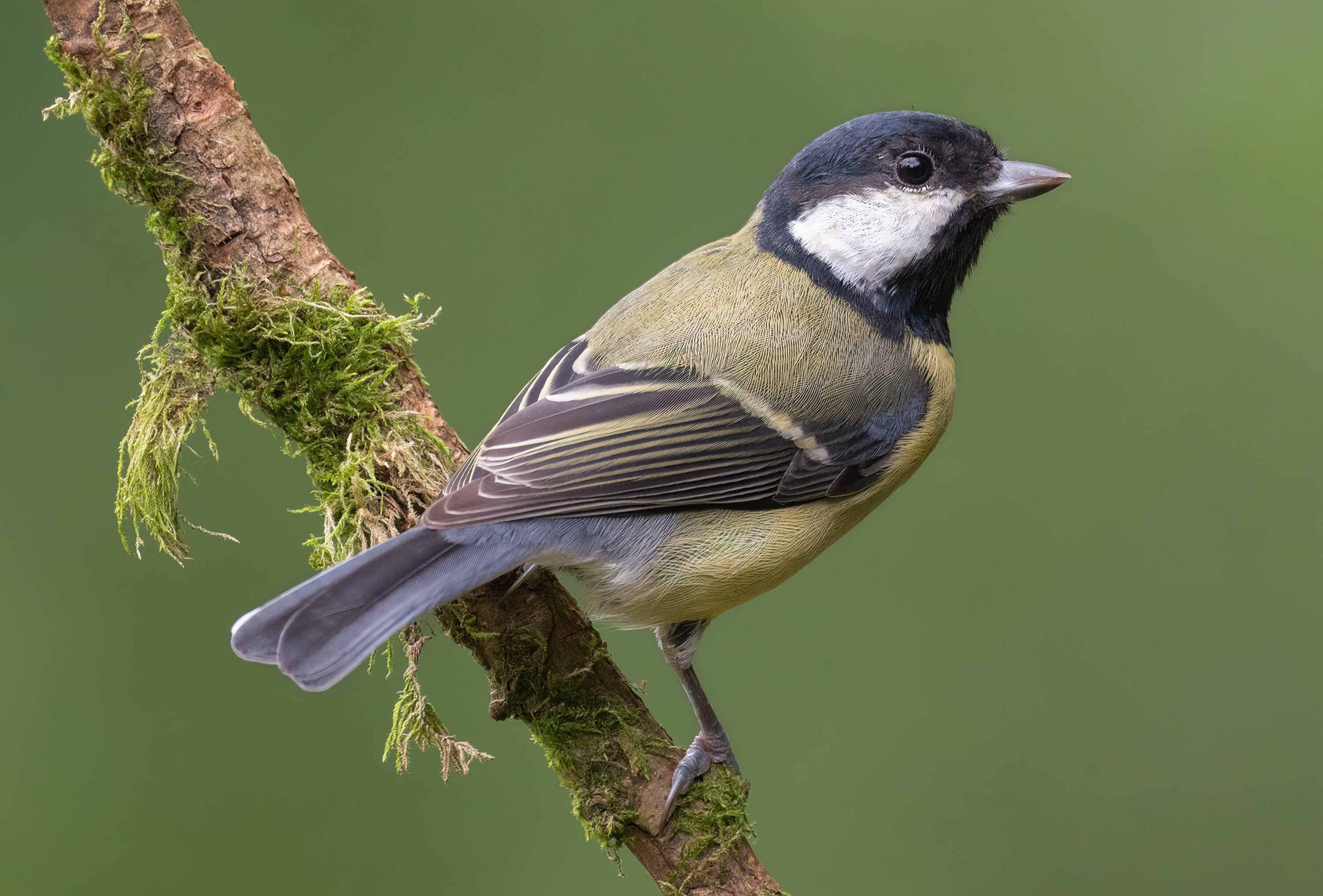
Great Tits Infected Ticks With Borrelia Most Often During Breeding
Across 420 xenodiagnoses in northern Belgium, wild Great Tits were much more likely to transmit Borrelia garinii to…
Read story →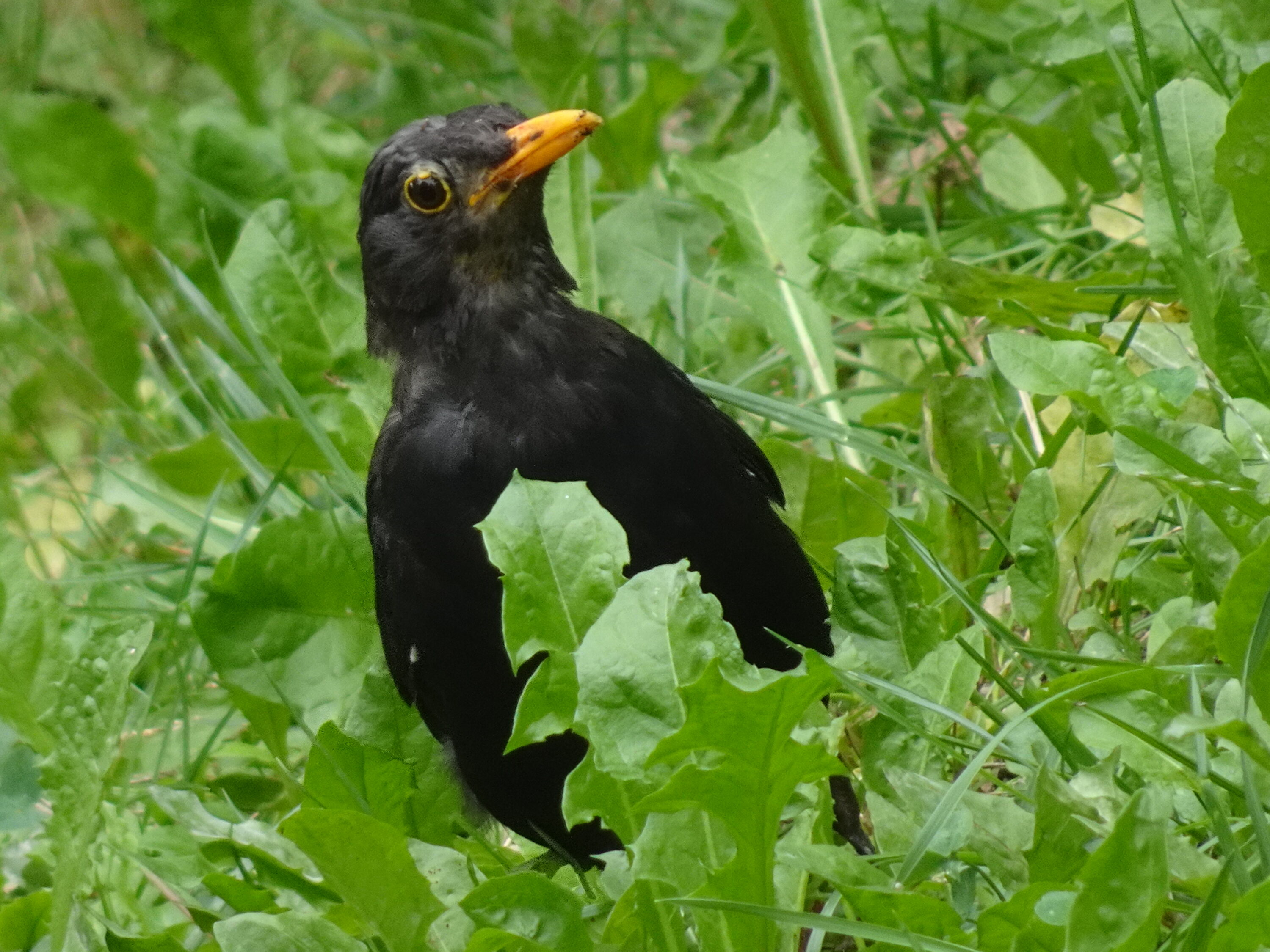
Urban Bird Diversity Was More Strongly Linked to Forest Structure Than the Surrounding City
Across 12 urban forests in three Italian cities, researchers recorded 2,035 birds from 52 species. Local forest structure…
Read story →SPECIES IN THIS STORY
Species in this story
Independent research and conservation news archive
Did you find this information useful?
Wildlife Vagabond is independently built and maintained. Voluntary support helps cover source verification, hosting and continued work on research and conservation news.
Support Wildlife VagabondThe news archive will remain freely available.