
Pied avocet calls became a test for counting birds by sound

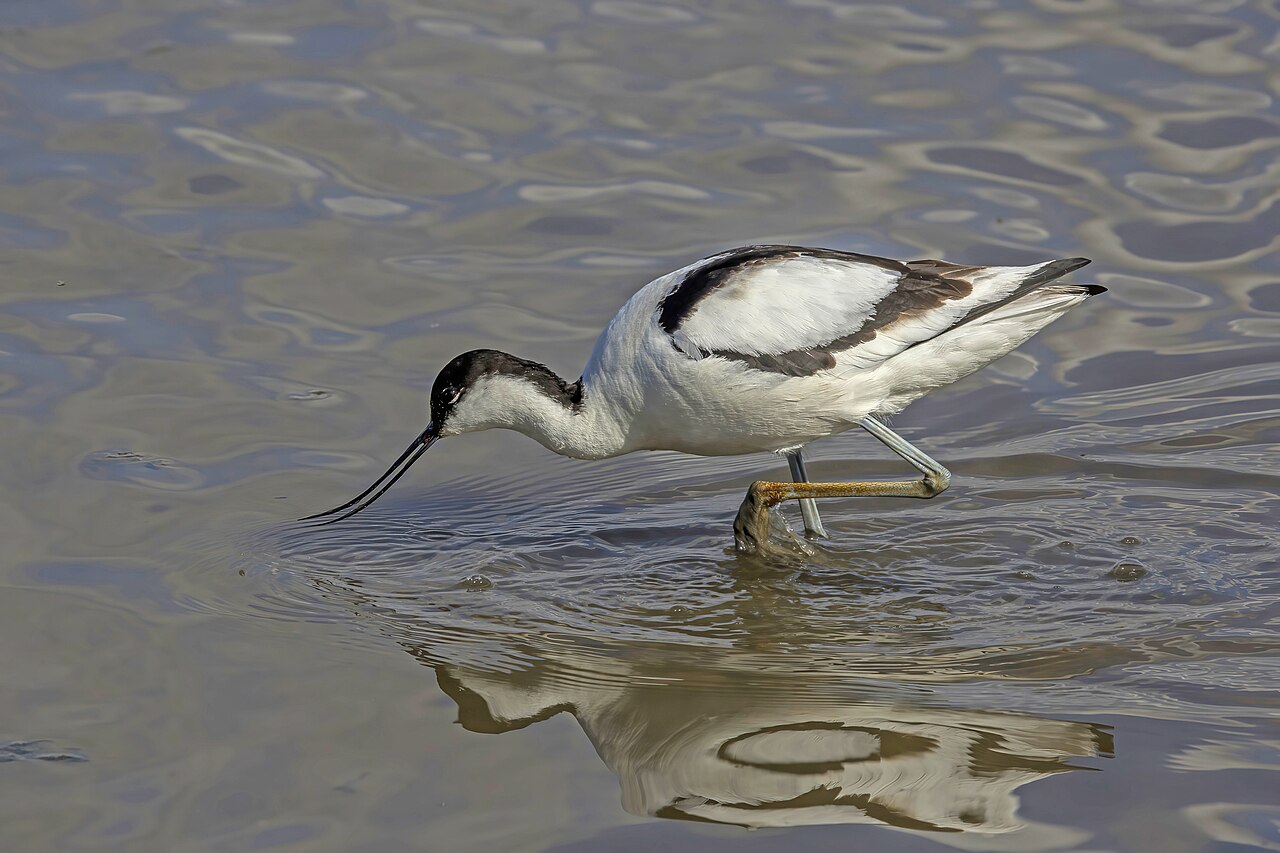
Pied avocet (Recurvirostra avosetta) became a dedicated test species in the 2026 BioDCASE bird-counting challenge, which asks researchers to estimate the number of birds from passive acoustic recordings. The challenge’s evaluation dataset was released on 1 June 2026 and includes pied avocets in four test aviaries at European zoos that were not used to develop the methods.
From species detection to individual counting
The task moves beyond simply asking whether a species can be heard. Participants must return an integer estimate of how many target individuals are present in each aviary. Pied avocet is an optional fourth target species, separate from the three main targets—greater flamingo, red-billed quelea and hadada ibis. Avocet results contribute to a secondary leaderboard designed to test systems that can generalise across species.
The organisers selected pied avocet because its calls are distinctive and clearly articulated. This contrasts with flock-calling species, in which many birds may vocalise at once and merge into a continuous chorus. The avocet recordings therefore provide a test of methods that try to distinguish individual call structure and convert patterns of vocal activity into an abundance estimate.
380,000 clips from ten aviaries
The evaluation material contains about 380,000 audio files from ten aviaries. Each aviary was recorded continuously for five to ten days, and the sound was divided into consecutive three-second clips. Four aviaries contain different numbers of pied avocets, undisclosed at the dataset’s release. Other bird species call in the same spaces, while visitor noise, aviary infrastructure, dawn choruses, midday lulls and natural changes in behaviour create conditions that are more complicated than isolated studio recordings.
Participants may use different machine-learning approaches, including regression, clustering, density estimation or pre-trained detection systems such as BirdNET and PERCH. The organisers also provide baseline software that first detects target calls and then calculates more than 80 features related to call rate, timing, activity periods and acoustic contrast. For the formal score, the important output is the final number of birds rather than detection accuracy by itself.
The test uses the zoos’ known population counts as ground truth for acoustic estimates. When the evaluation dataset was released, counts in the test aviaries were withheld from participants so that methods could be assessed on recordings they had not been calibrated against.
Other research
Related news
Ringed Pied Avocet Set a UK Longevity Record at 36 Years
A Pied Avocet ringed as a nestling at Titchwell Marsh on 2 July 1990 was identified alive at…
Read story →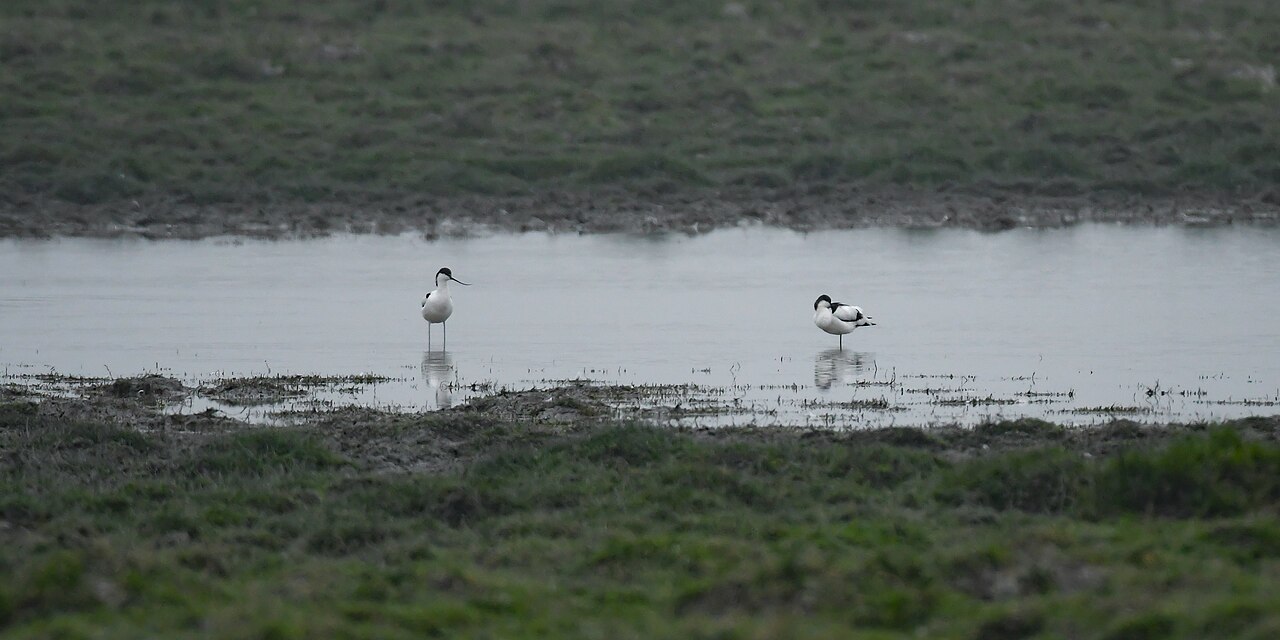
Fungal Communities Differed Across Pied Avocet Breeding Substrates
Around ten Pied Avocet nest sites in China's Yellow River Delta, researchers detected 9,980 fungal DNA variants but…
Read story →
Female Pied Avocets Migrated Farther Than Males
The standardized migration-distance measure averaged 1,928 kilometres for GPS-tracked female pied avocets and 1,277 for males; females also…
Read story →SPECIES IN THIS STORY
Species in this story

Independent research and conservation news archive
Did you find this information useful?
Wildlife Vagabond is independently built and maintained. Voluntary support helps cover source verification, hosting and continued work on research and conservation news.
Support Wildlife VagabondThe news archive will remain freely available.