
Record 30 Polar-Bear Days on Kongsfjorden’s Eider Islands in One Month

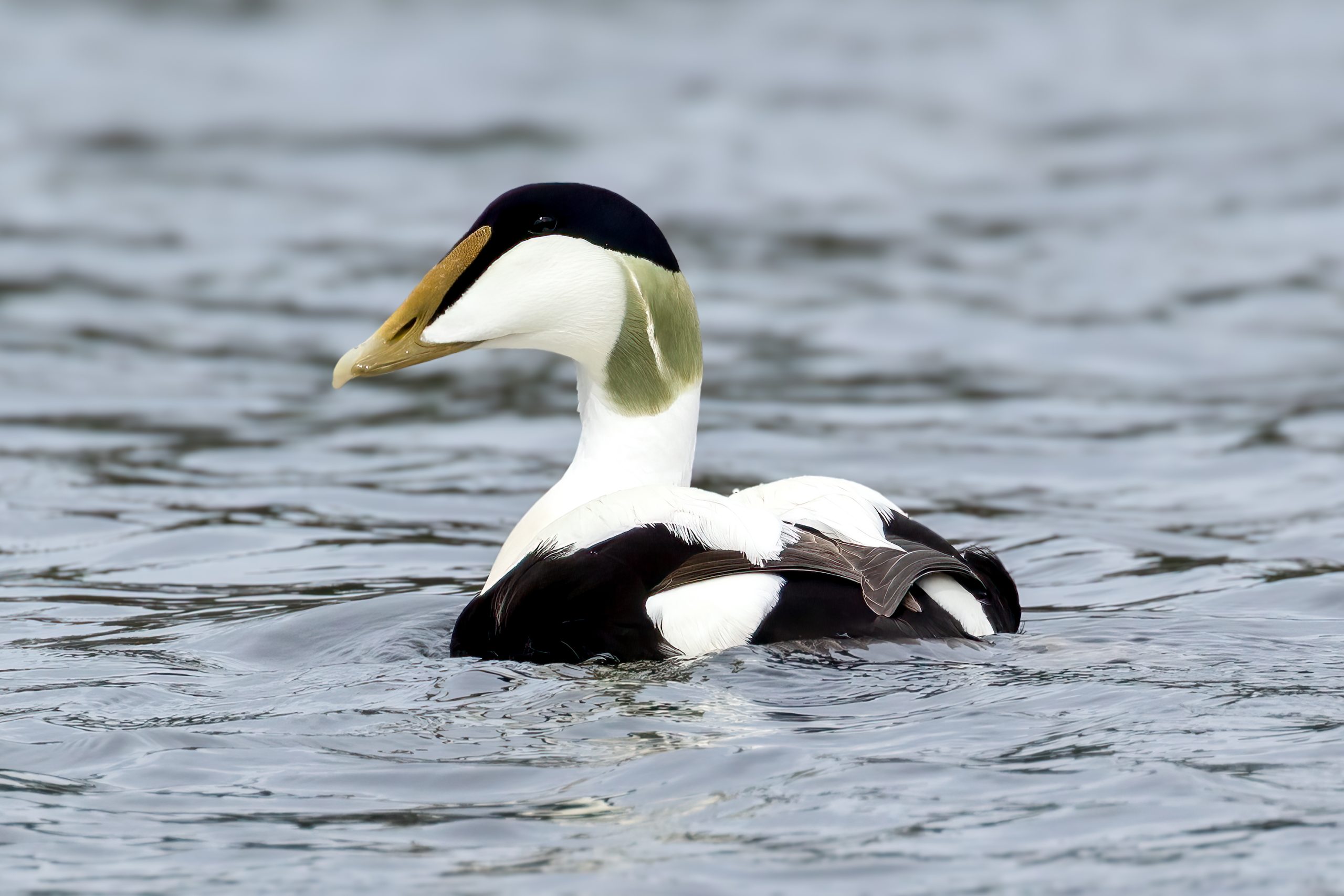
Researchers recorded a record 30 polar-bear days on the breeding islands used by common eiders (Somateria mollissima borealis) in Kongsfjorden, Norway, Svalbard, from 4 June to 4 July 2026. One polar-bear day represents one bear present for one day, so the measure sums daily bear presence rather than implying that the same individual stayed throughout the month. NINA describes 30 bear-days as equivalent to an average of one polar bear (Ursus maritimus) being present each day while the eiders were incubating.
NINA researchers Sveinn Are Hanssen and Børge Moe said this was the highest level recorded during their long-term fieldwork in Kongsfjorden. The eider monitoring is carried out with the Norwegian Polar Institute.
Eggs were eaten at ten of eleven camera nests
Polar bears visited all eleven nests monitored by cameras. At ten, the images showed the eggs being eaten. At the remaining nest, the female had hatched her eggs and left with the ducklings before the bear arrived.
Checks of a larger number of nests showed the same broad picture: very few females succeeded in producing young in Kongsfjorden in 2026. Counts also indicated that the eider population was about 28% lower than in 2025.
Less sea ice is bringing bears onto land more often
NINA links the growing summer presence of polar bears on land to declining Arctic sea ice. Jon Aars of the Norwegian Polar Institute explains that reduced sea ice limits access to the bears’ main seal-hunting habitat, increasing the importance of alternative food on land.
Long-term research on Spitsbergen has found that summer occurrences of polar bears on land have increased as sea ice has declined over the past 30–40 years. Bird eggs can then become an alternative food source, creating direct pressure on colonial nesting birds such as eiders.
The 28% decline does not identify a single cause
Common eiders are long-lived and can tolerate poor breeding success in individual years. Hanssen notes, however, that polar bears have reduced breeding success in many seasons during the past decade. After the 2026 count, Norwegian Polar Institute seabird researcher Sébastien Descamps said the population may now be beginning to show an effect of poor recruitment.
The researchers do not present the one-year 28% decline as proof of a single cause. The importance of the long-term monitoring is precisely to determine how repeated breeding failures and changing Arctic conditions affect the population over time.
Threats
Related news
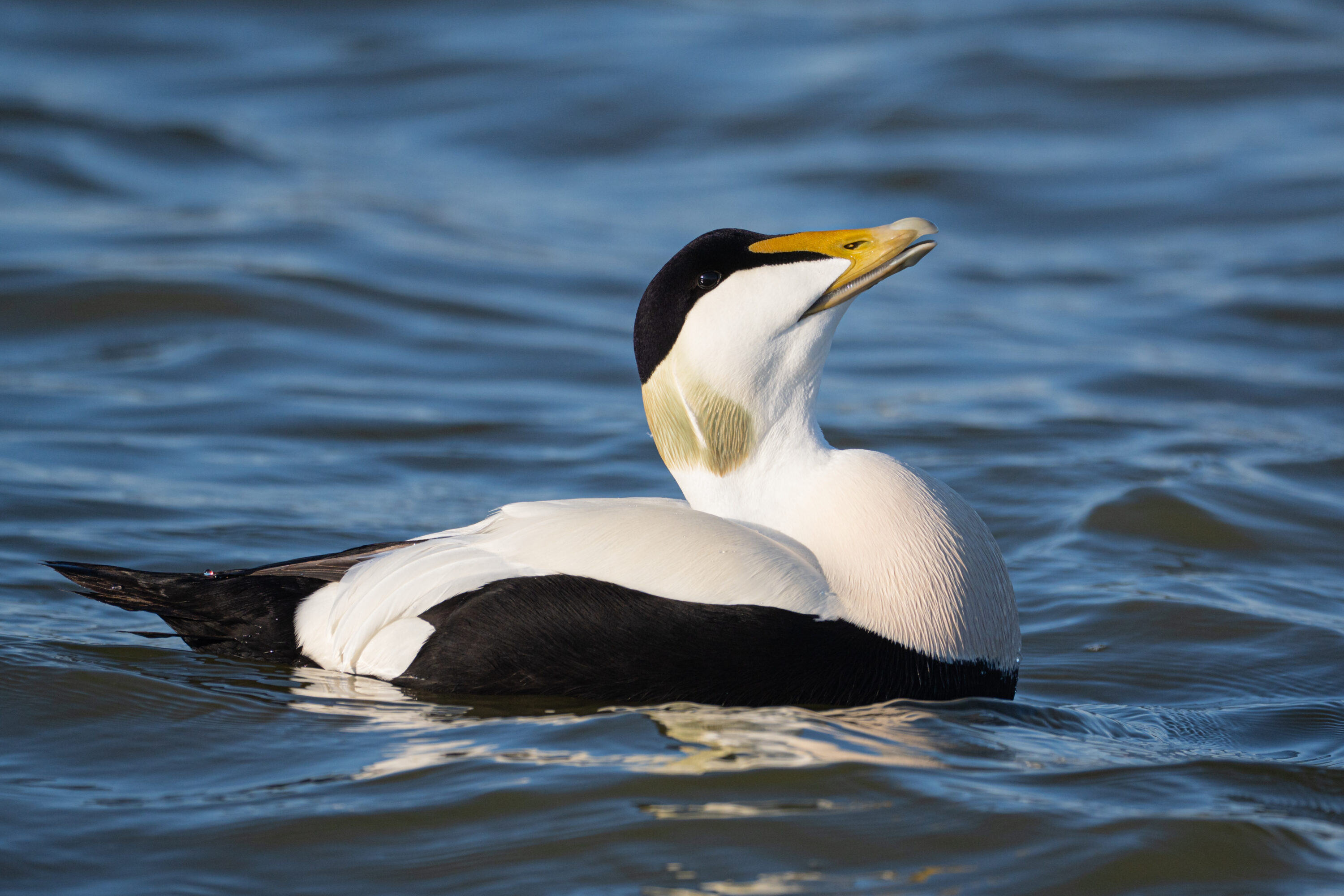
Colour-Banded Eider Linked Nunavut and Iceland More Than 2,800 Kilometres Apart
A male northern common eider banded on East Bay Island, Nunavut, in 2023 was filmed in western Iceland…
Read story →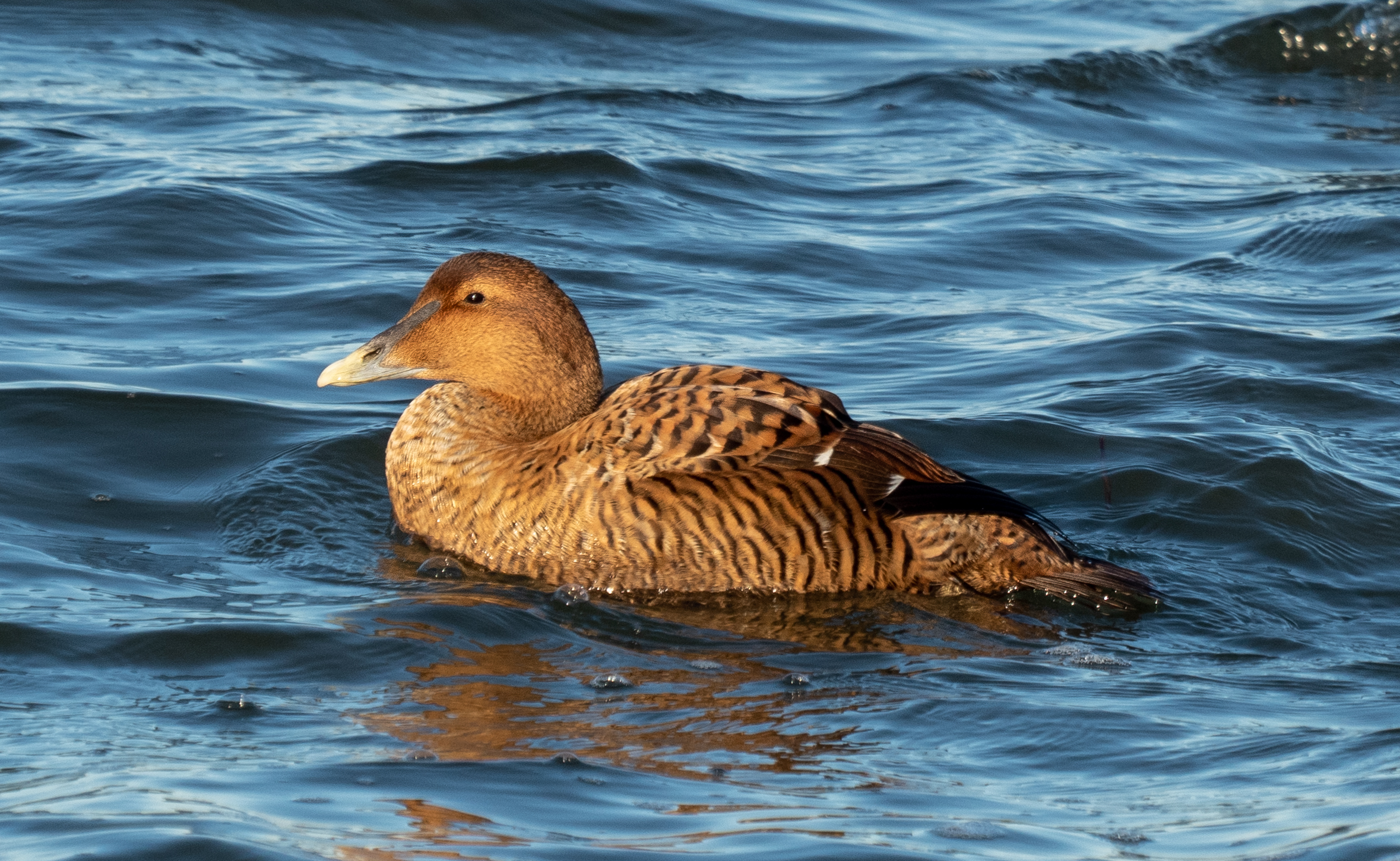
Only About Half of American Common Eider Females Were Estimated to Breed in a Given Year
Satellite tracking of 123 females across Maine and eastern Canada estimated overall breeding propensity at 53%, while regional…
Read story →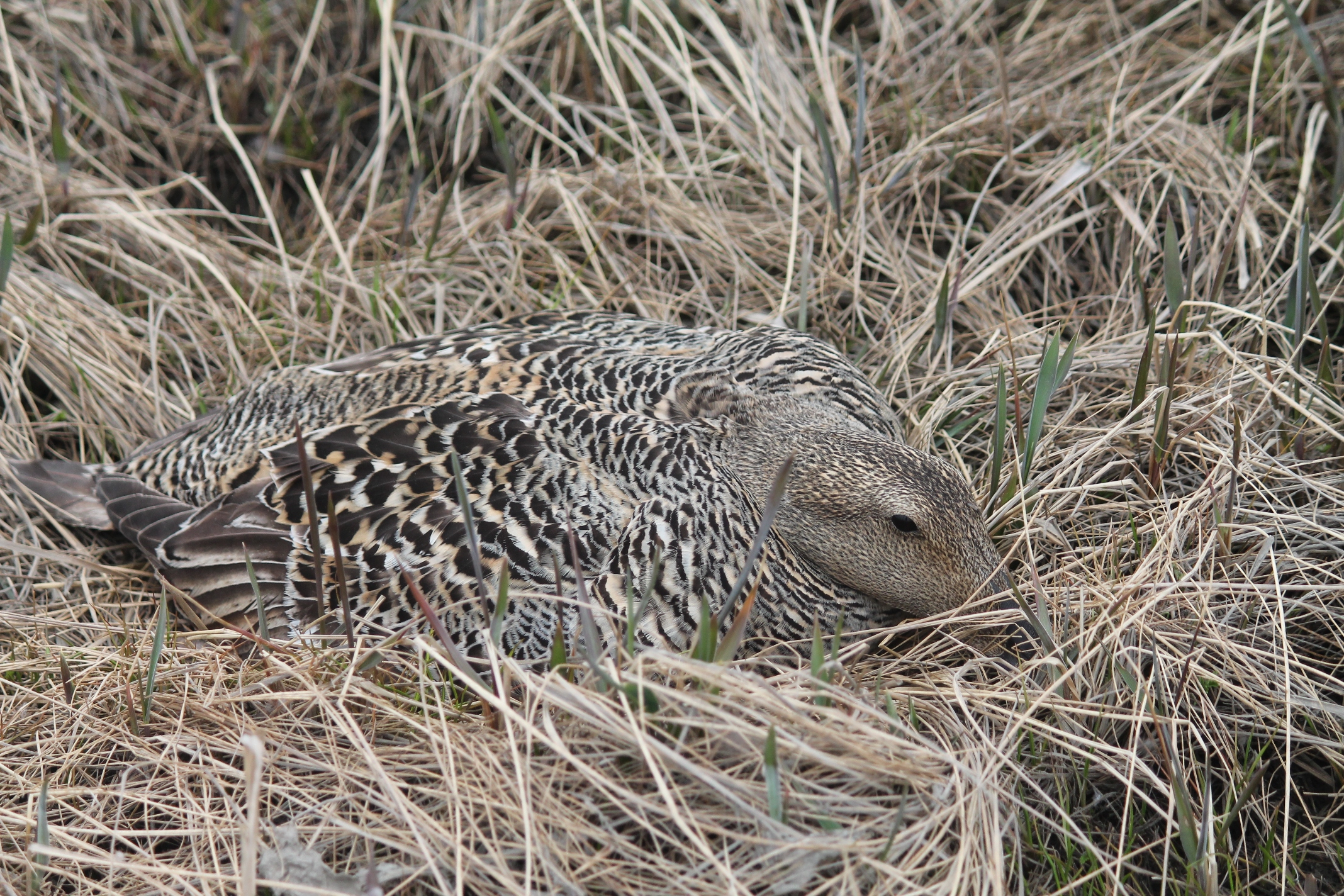
Higher PFOS Was Linked to Lower Egg Temperatures in Finnish Common Eiders
Researchers studied 18 female common goldeneyes and 37 female common eiders in Finland. Higher PFOS was linked to…
Read story →SPECIES IN THIS STORY
Species in this story
Independent research and conservation news archive
Did you find this information useful?
Wildlife Vagabond is independently built and maintained. Voluntary support helps cover source verification, hosting and continued work on research and conservation news.
Support Wildlife VagabondThe news archive will remain freely available.