
Red Deer Shared 68% of Their Plant Genera With Brown Bears or Capercaillie in the Pyrenees
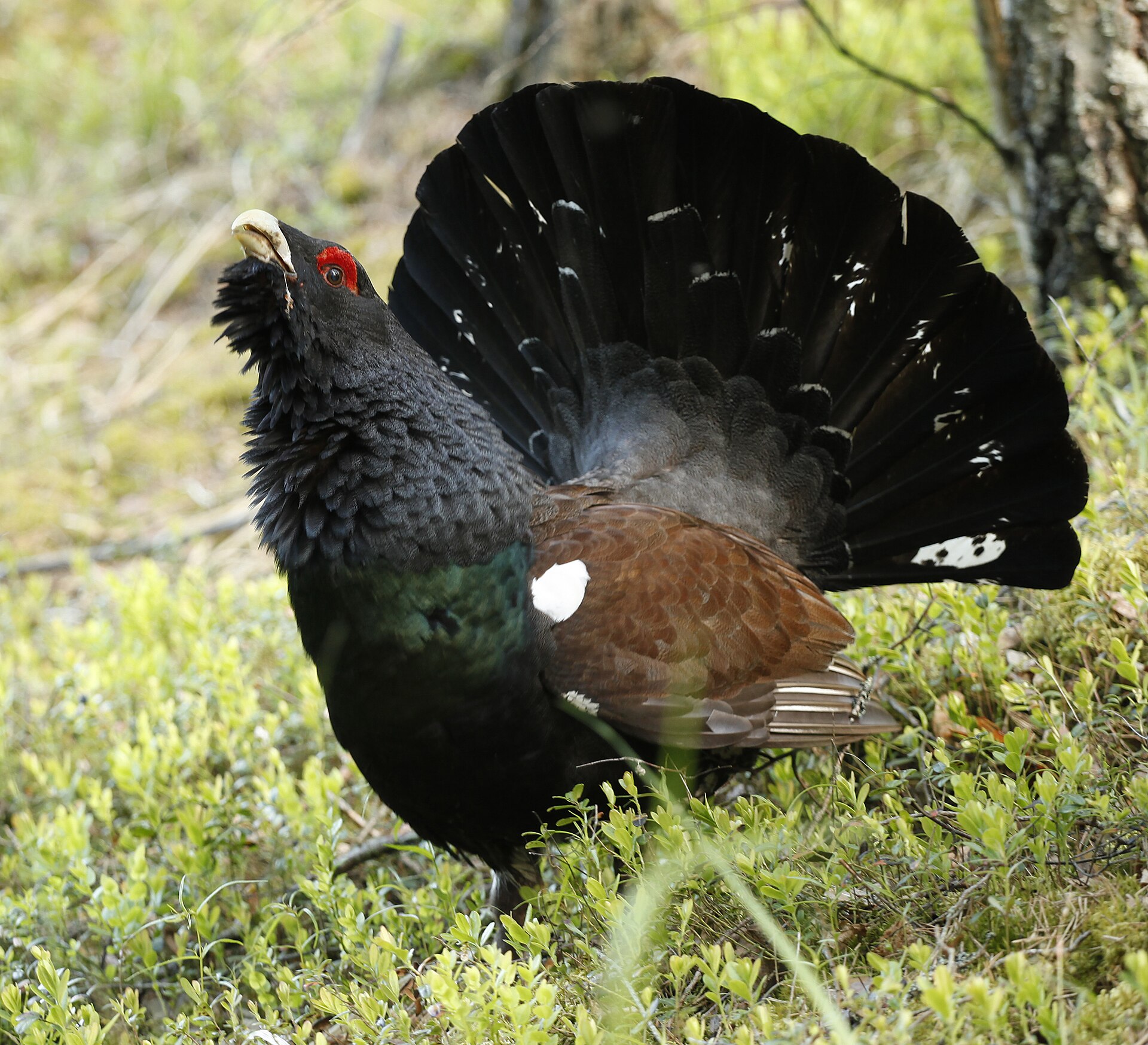
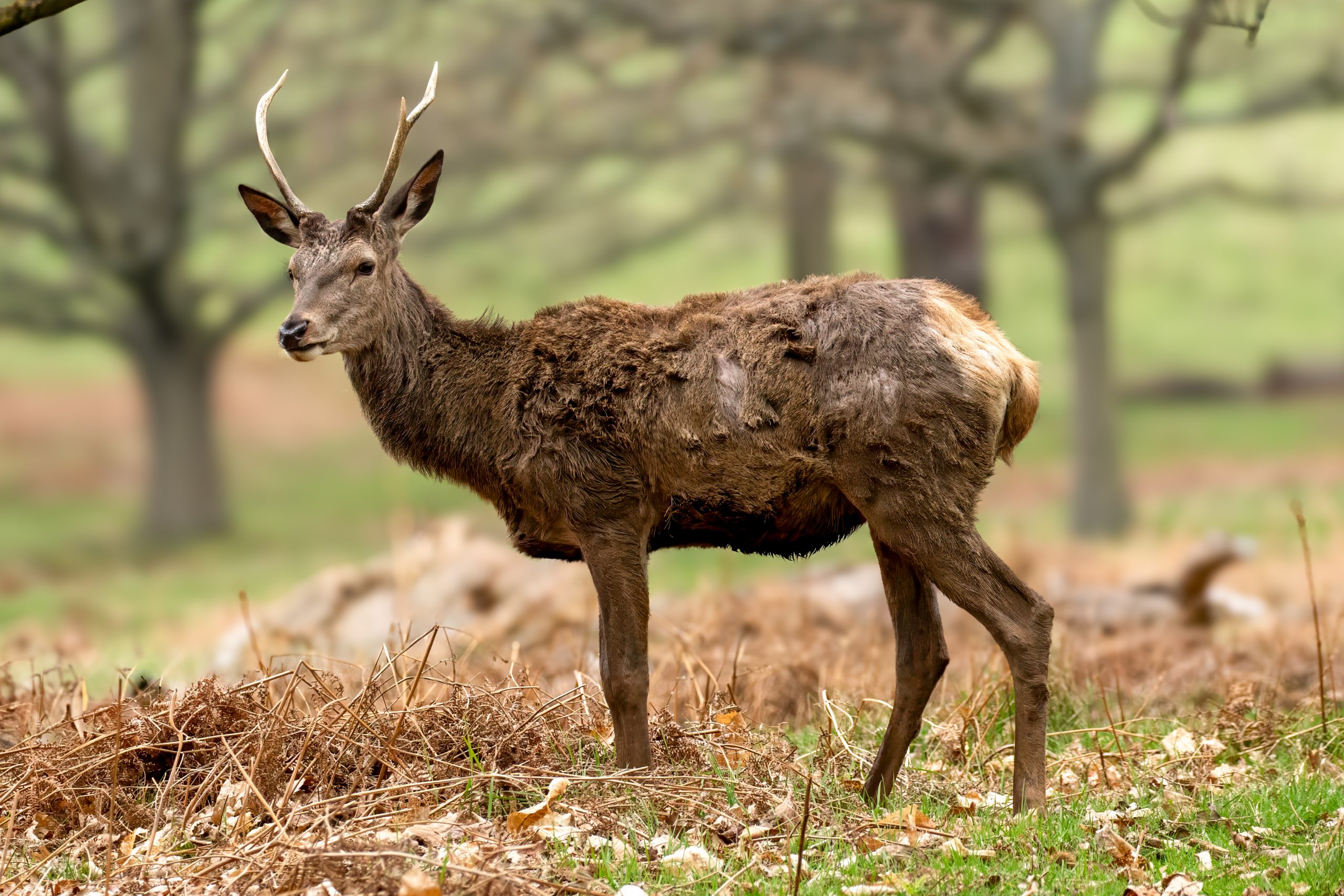
Red deer (Cervus elaphus) in the French Pyrenees shared 68% of the plant genera detected in their diet with brown bears (Ursus arctos) or western capercaillie (Tetrao urogallus). Researchers used DNA metabarcoding on 30 red deer, 47 brown bear and 50 capercaillie faecal samples collected from 2019 to 2023. The method identifies plant DNA remaining in faeces, allowing the researchers to reconstruct which plant genera each species had consumed without relying only on visible plant fragments.
Diet overlap was highest between red deer and brown bears
Diet overlap was highest between red deer and brown bears, with a Pianka overlap index of 0.66. Brown bears and capercaillie had an overlap of 0.57, while red deer and capercaillie had 0.45. The index ranges from 0 for no shared resource use to 1 for identical use, so the values show the strongest dietary similarity between red deer and brown bears and the weakest of the three pairings between red deer and capercaillie. Fleshy-fruited plants were especially important to the shared part of the diet, including plants in the genera Rubus and Vaccinium.
The diets were not identical. Capercaillie consumed more dry-fruited woody plants, while red deer and brown bears used a wider range of forbs and grasses. Red deer showed high plant diversity within individual faecal samples, whereas brown bears had the most diverse plant diet overall. In practical terms, a single red-deer sample often contained many plant genera, while the set of brown-bear samples varied more among one another and therefore covered the broadest plant diet across the population.
Shared Vaccinium resources could create competition
The authors point to Vaccinium as a potentially important shared resource. They suggest that browsing by abundant red deer could reduce its availability to brown bears and capercaillie and potentially affect body mass or reproduction in these smaller and more vulnerable populations. The study documents dietary overlap, however, rather than directly measuring competition or demographic effects.
Ecology
Related news
Velvet Antler Had the Most Distinct Metabolite Profile in Red and Sika Deer
A Chinese study detected 2,361 metabolites across three antler tissues from red and sika deer. Velvet antler separated…
Read story →
Tarim Red Deer Microbiomes Showed Greater Capacity to Break Down Reed Fibre
Under the same reed-containing diet, captive Tarim red deer had more fibre-associated gut microbes, higher cellulase and hemicellulase…
Read story →
Wolf Kills Provided Plenty of Food for Red Foxes
Red foxes visited all 26 wolf-killed red deer monitored in Stelvio National Park. The amount of meat left…
Read story →SPECIES IN THIS STORY
Species in this story
Independent research and conservation news archive
Did you find this information useful?
Wildlife Vagabond is independently built and maintained. Voluntary support helps cover source verification, hosting and continued work on research and conservation news.
Support Wildlife VagabondThe news archive will remain freely available.