
Even Substantially Higher Harvest Was Not Projected to Reduce Arctic Norway’s Red Fox Population
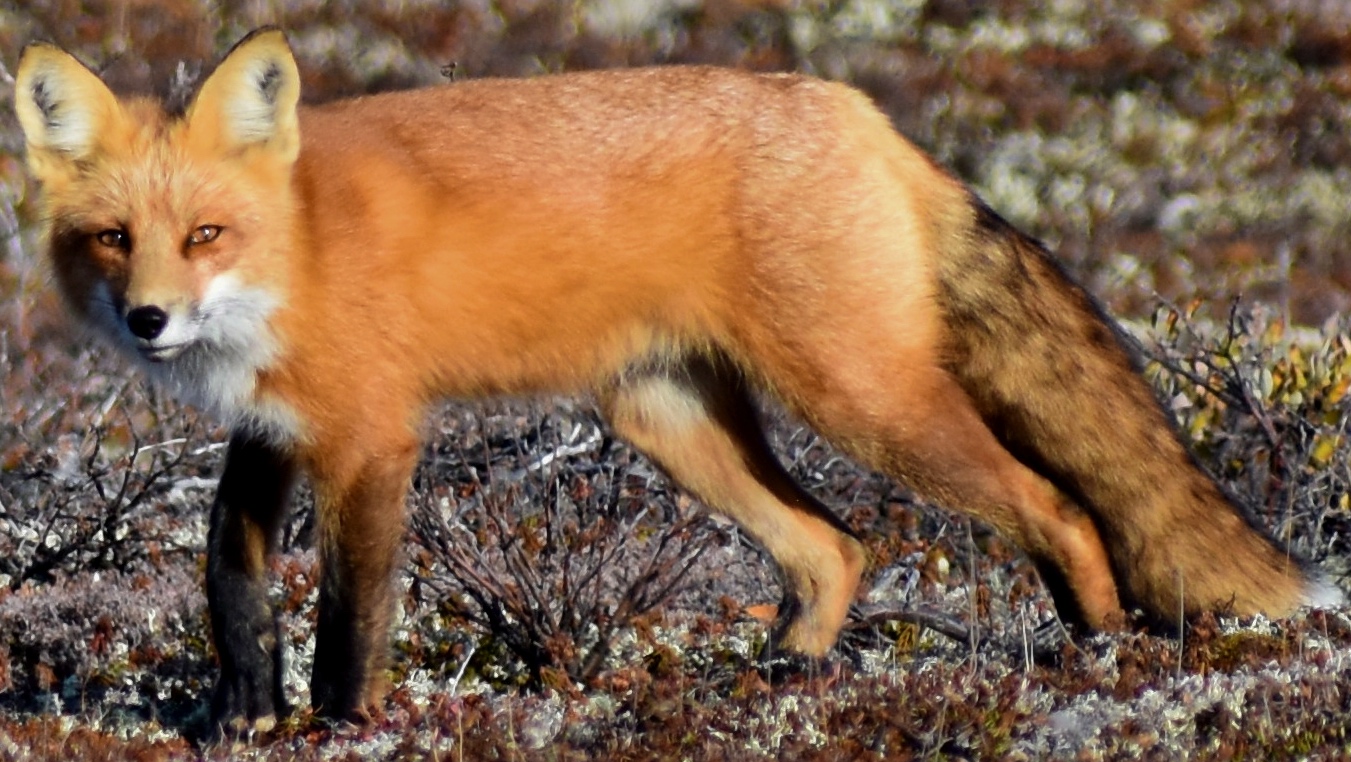
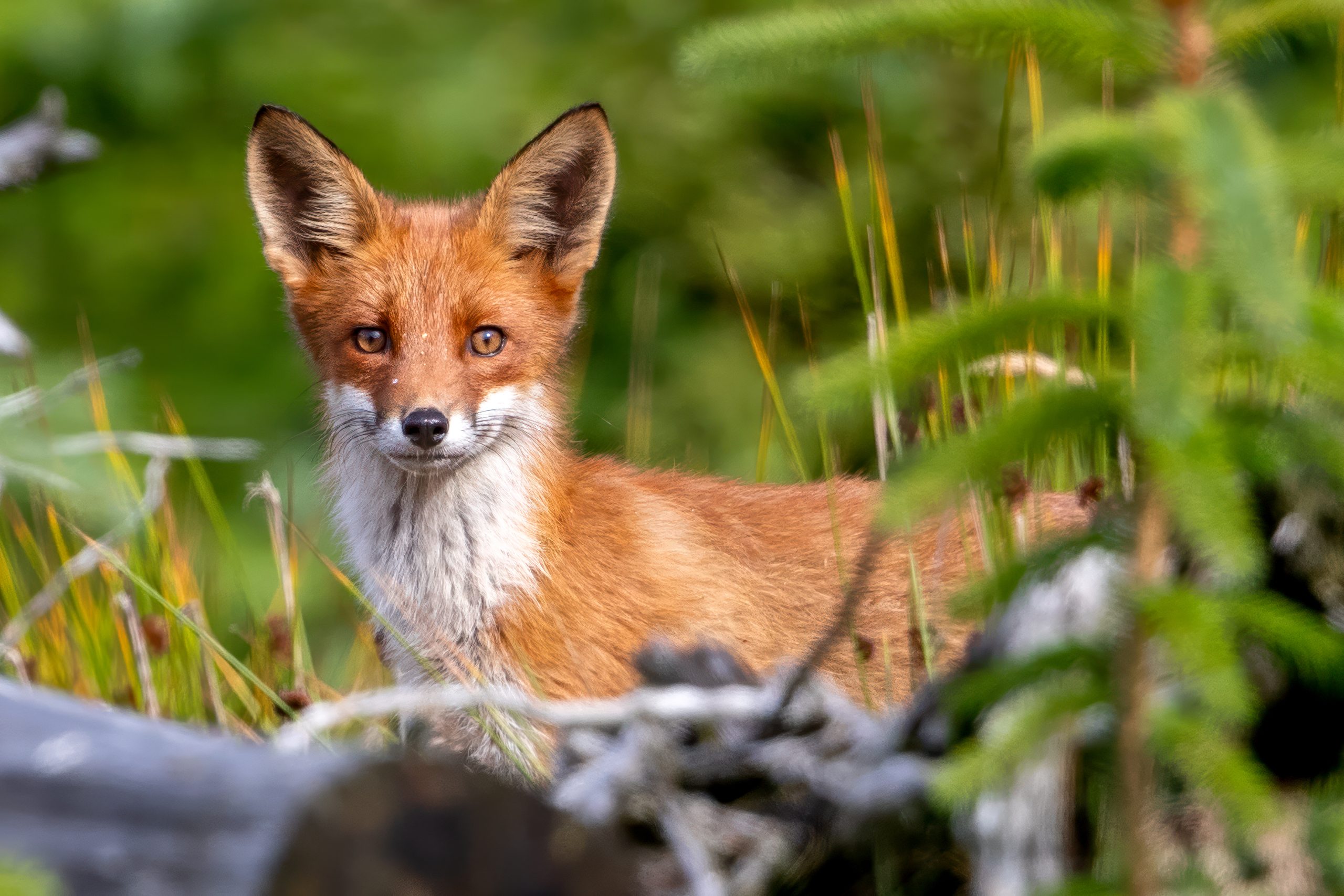
A study published in 2026 used an integrated population model to examine how harvest and natural demographic processes affect an expanding population of red foxes (Vulpes vulpes) in Arctic Norway. The population fluctuated strongly from year to year, and forward projections indicated that current harvest levels were likely sufficient to prevent long-term population increase. Even substantial increases in harvest, however, did not produce a projected population decline.
Researchers combined data on age, reproductive status and genetic similarity from more than 4,000 harvested red foxes with opportunistic field observations and information published on red foxes elsewhere. The model covered a 20-year period and was used both to identify the processes driving past changes in population growth and to project outcomes under different harvest regimes.
Natural mortality and immigration drove annual fluctuations
Changes in natural mortality and immigration were the main causes of annual fluctuations in population size. Both responded to rodent prey availability and fox density. The authors found strong density-dependent buffering, particularly through immigration, which compensated for losses as harvest pressure increased.
In the forward projections, present harvest levels were likely enough to keep the population from increasing over longer periods, but substantially higher harvest still failed to generate a decline. The authors developed the workflow to support mesopredator management and note that it can be rerun when new monitoring and harvest data become available.
Management
Related news
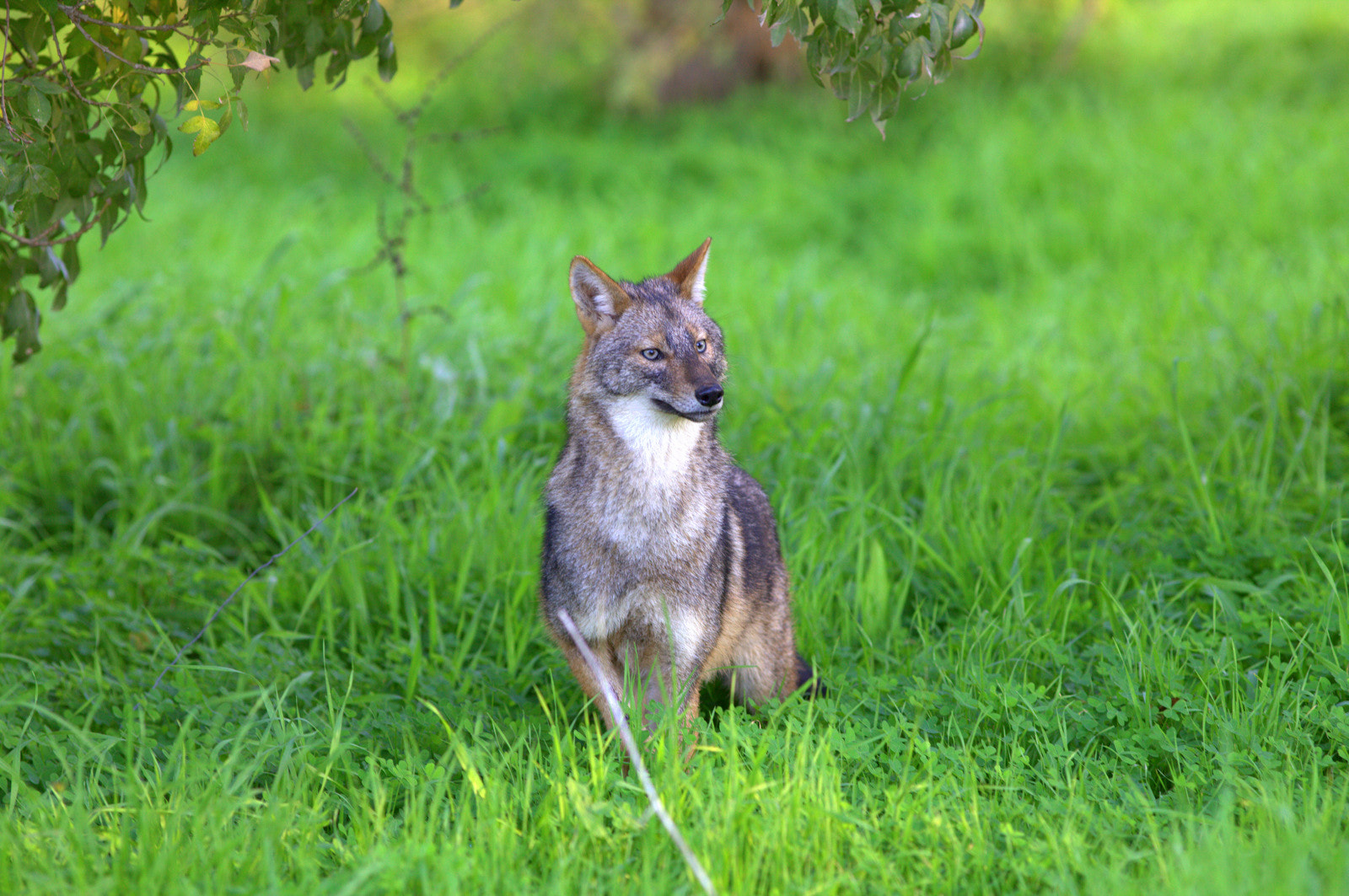
Similar Mammal Diversity, Different Activity Patterns in Grazed and Ungrazed Areas
Camera traps in four northern Israeli reserves found similar numbers of mammal species with and without livestock grazing.…
Read story →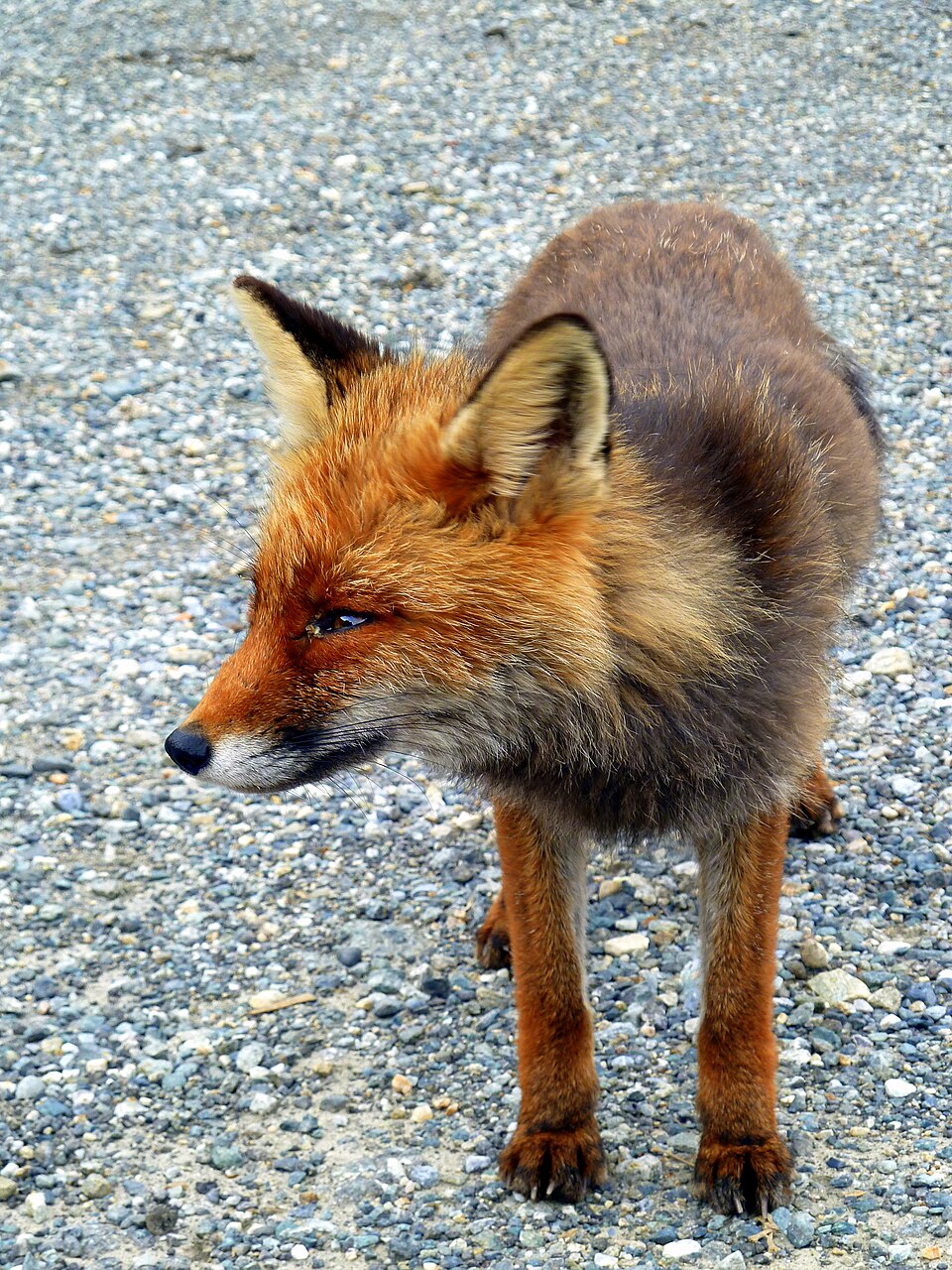
Wolf Kills Provided Plenty of Food for Red Foxes
Red foxes visited all 26 wolf-killed red deer monitored in Stelvio National Park. The amount of meat left…
Read story →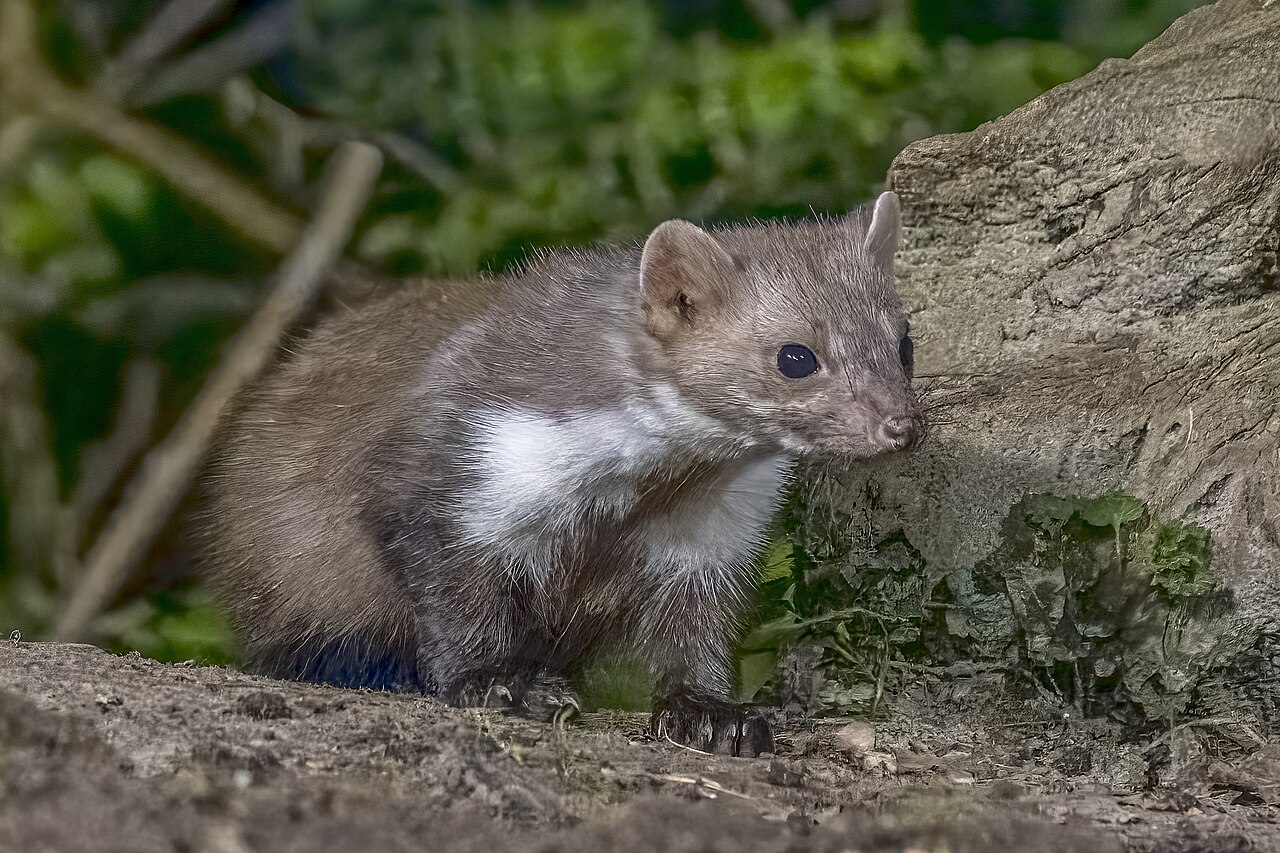
Red Foxes and Stone Martens Share Places at Different Times
Red foxes and stone martens often used the same sites in central Spain. Their daily activity differed more…
Read story →SPECIES IN THIS STORY
Species in this story
Independent research and conservation news archive
Did you find this information useful?
Wildlife Vagabond is independently built and maintained. Voluntary support helps cover source verification, hosting and continued work on research and conservation news.
Support Wildlife VagabondThe news archive will remain freely available.