
Detection of CDV and Toxoplasma in Red Foxes Was Linked to Farming Habitats
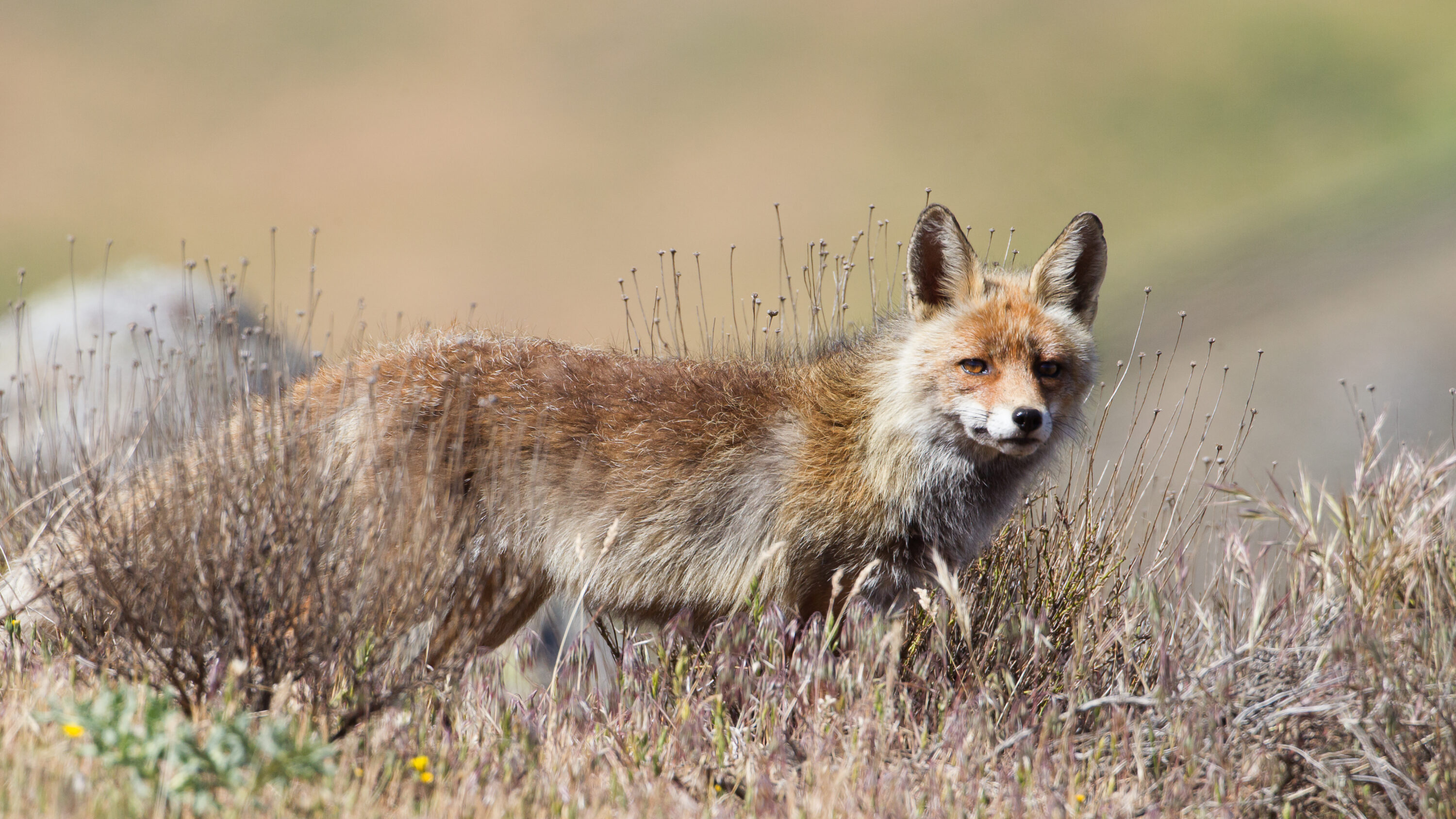
A 2026 study of 239 legally hunted red foxes (Vulpes vulpes) from northwestern Spain detected four pathogens with the potential to circulate across wildlife, livestock and human interfaces. Canine distemper virus (CDV) was detected most often, in 18 foxes (7.5%), followed by Toxoplasma gondii in 17 (7.1%), Neospora caninum in 11 (4.6%) and canine adenovirus type 1 in four (1.7%). CDV and canine adenovirus are viruses of canids, while T. gondii and N. caninum are single-celled parasites with life cycles that can involve several animal hosts.
Researchers analysed brain tissue from the foxes using PCR and examined whether pathogen positivity was associated with sex, age and habitat. A positive PCR result shows that pathogen genetic material was present in the tissue; it does not by itself show that the fox had clinical disease. CDV and T. gondii positivity were clearly associated with farming habitats, while the study also assessed the number of pathogens detected in individual foxes.
The authors interpret the findings as support for using red foxes as sentinel species in integrated disease surveillance—that is, as animals whose pathogen findings can provide information about what is circulating in the wider environment. The association of CDV and T. gondii with farming habitats makes agricultural areas particularly relevant for monitoring pathogen circulation where wildlife and livestock overlap.
Disease, parasites & microbiology
Related news
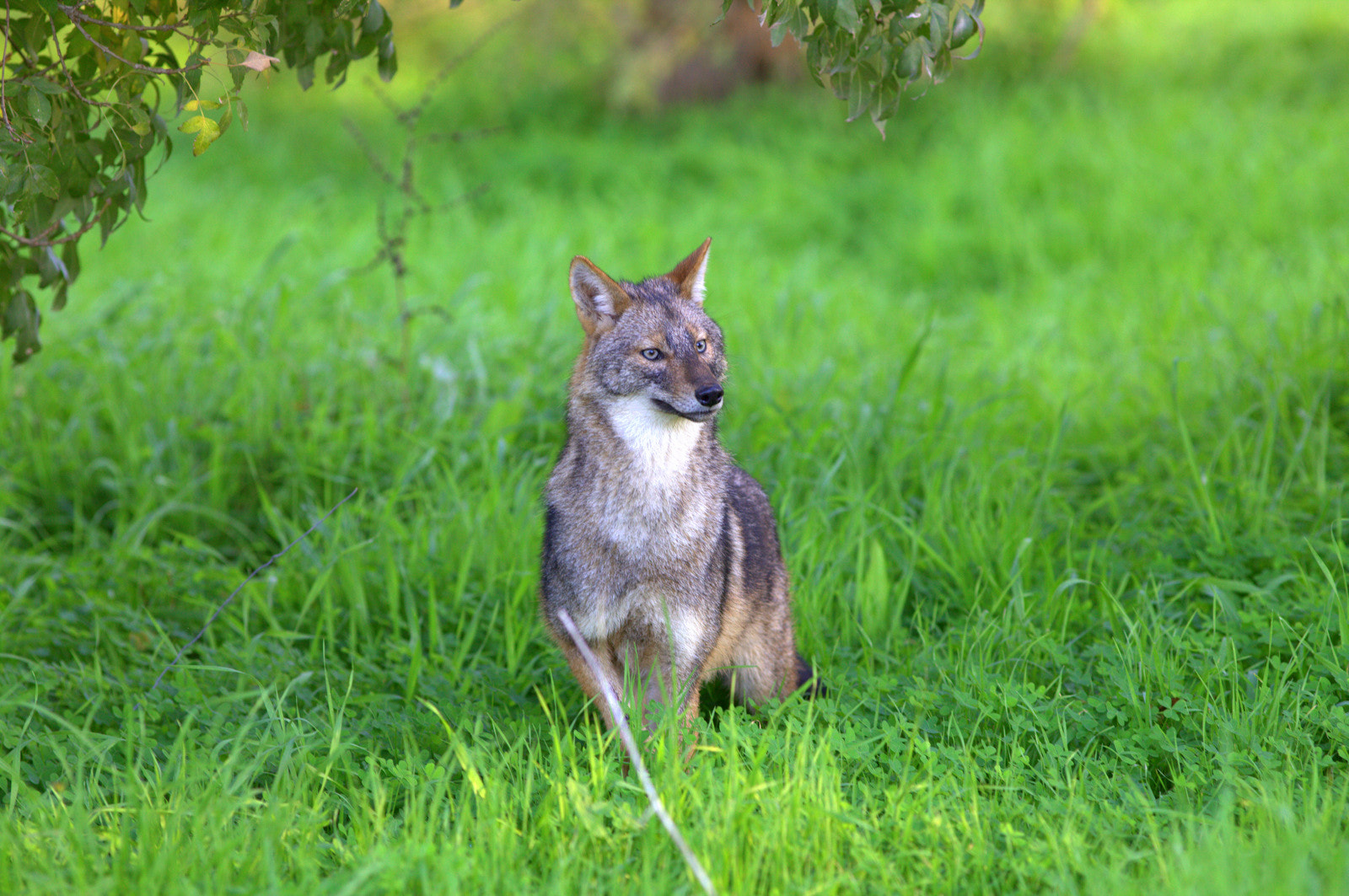
Similar Mammal Diversity, Different Activity Patterns in Grazed and Ungrazed Areas
Camera traps in four northern Israeli reserves found similar numbers of mammal species with and without livestock grazing.…
Read story →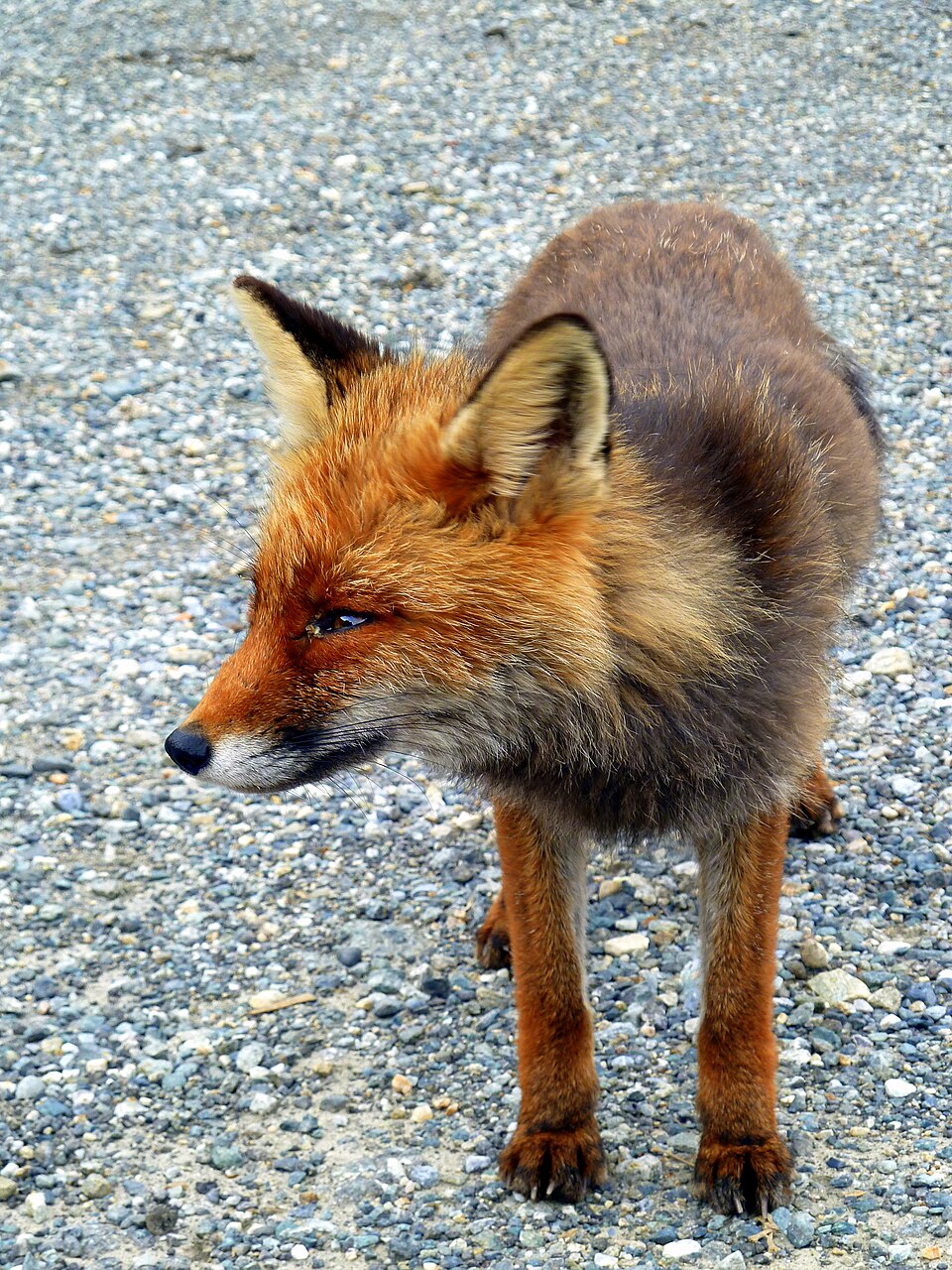
Wolf Kills Provided Plenty of Food for Red Foxes
Red foxes visited all 26 wolf-killed red deer monitored in Stelvio National Park. The amount of meat left…
Read story →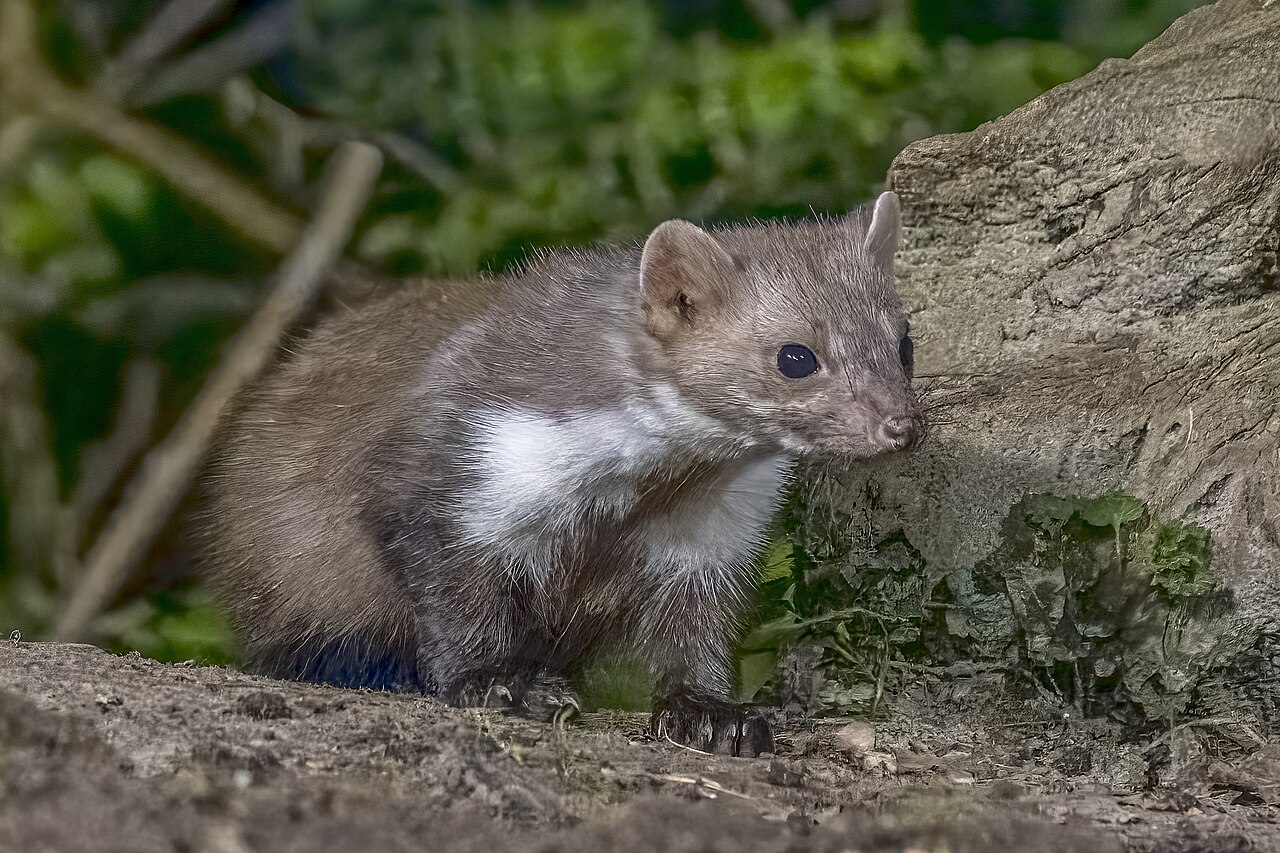
Red Foxes and Stone Martens Share Places at Different Times
Red foxes and stone martens often used the same sites in central Spain. Their daily activity differed more…
Read story →SPECIES IN THIS STORY
Species in this story
Independent research and conservation news archive
Did you find this information useful?
Wildlife Vagabond is independently built and maintained. Voluntary support helps cover source verification, hosting and continued work on research and conservation news.
Support Wildlife VagabondThe news archive will remain freely available.