
Models Estimated Galliformes at 43% of Fox Diet on Releasing Sites and 33% Elsewhere
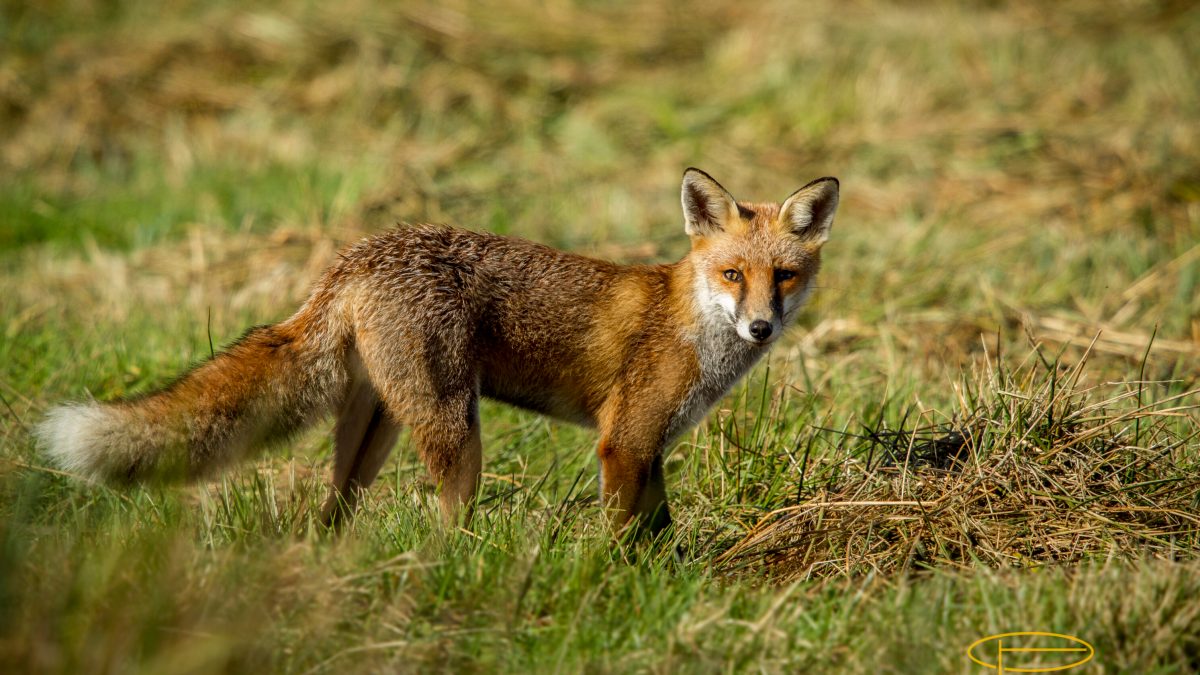
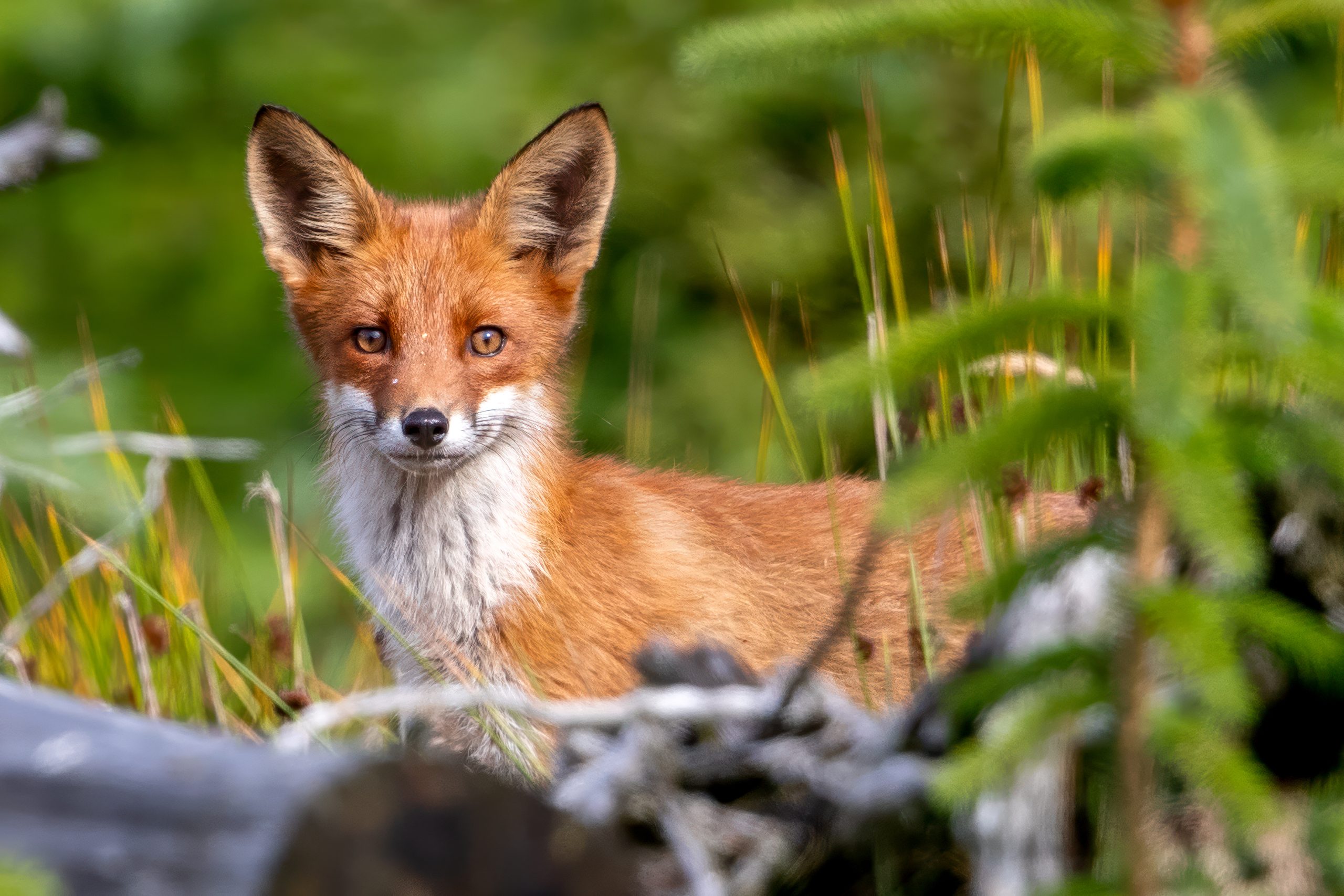
Stable-isotope models estimated that Galliformes made up a substantial part of the assimilated diet of red foxes (Vulpes vulpes) across rural southern England. The estimated contribution was 43.1% on sites managed for gamebird releases and 32.5% on sites without releases, but the uncertainty around the two estimates overlapped strongly, so the study did not establish a clearly separated dietary proportion between the site types.
The analysis used ear hair from 117 foxes collected between 2018 and 2023: 84 from gamebird-releasing sites and 33 from non-releasing sites. Stable carbon and nitrogen isotopes in hair reflect food assimilated while the hair was growing, allowing researchers to estimate broad dietary contributions over that period rather than only the last meal.
Mammals remained the largest diet category
The researchers compared fox isotope values with nine vertebrate prey sources and then based their main interpretation on three broader categories because several individual prey species had overlapping isotope signatures: mammals, common wood-pigeon and Galliformes.
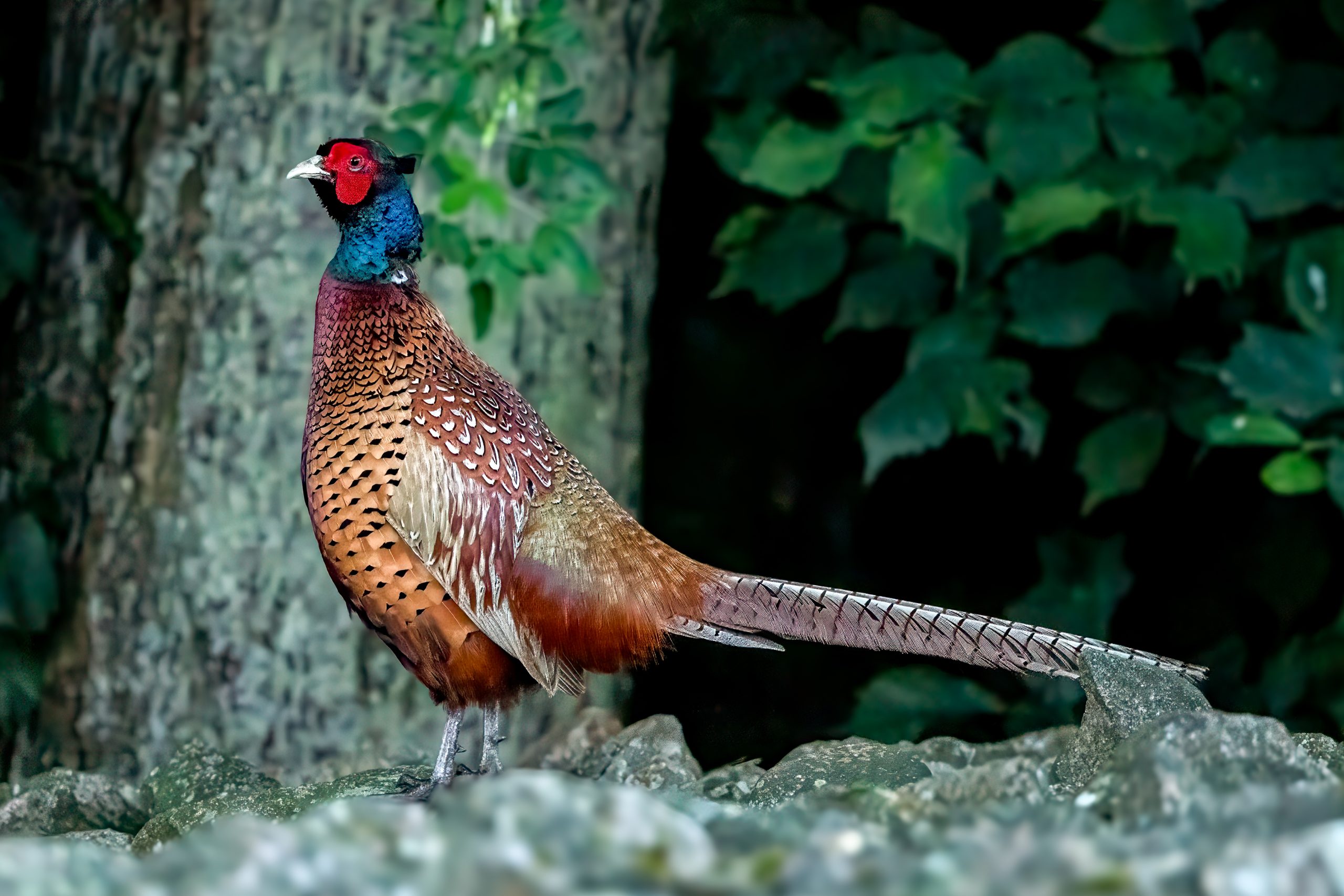
The detailed model results estimated mammals at 50.4% of assimilated diet on releasing sites and 60.6% on non-releasing sites. Galliformes — represented by common pheasant (Phasianus colchicus) and red-legged partridge (Alectoris rufa) — were estimated at 43.1% and 32.5%, respectively. Wood-pigeon contributed only about 7% in both settings.
Although the point estimate for Galliformes was higher on releasing sites, the credible ranges overlapped considerably. The biologically secure conclusion is therefore that Galliformes formed a substantial component of fox diet across the region, including outside sites formally classified as gamebird-releasing.
Ear hair records assimilated food, not identifiable prey remains
Stable-isotope mixing models do not identify individual prey items in the way that stomach contents, scats or DNA metabarcoding can. Instead, they estimate which source groups could have produced the chemical isotope signature incorporated into the fox’s hair.
This creates an important limitation. A Galliformes-like isotope signal cannot be assigned uniquely to released pheasants and red-legged partridges. Free-ranging poultry can have similar signatures, and foxes that consume dog faeces may acquire a chicken-rich pet-food signal. Diet changes in released birds after release can also alter their isotope values.
Where a fox was collected may not be where all of its diet came from
Classifying a fox as coming from a releasing or non-releasing site assumed that it had been resident around the place where it was collected. Foxes can cross estate boundaries, make forays toward concentrated food and move into territories vacated by culling. Because hair records diet from an earlier growth period, some food represented in the sample may have been eaten elsewhere.
The authors note that this movement would tend to blur genuine differences between site types. They nevertheless argue that recently released gamebirds probably account for an important part of the Galliformes signal because releases are extremely numerous in the region — roughly 2.5 million pheasants and partridges annually across nearly 300 registered sites — and mortality of released birds is high.
The study did not measure whether releases increase fox density
The results support the idea that gamebird releases can provide a substantial anthropogenic food subsidy to foxes. Such a subsidy could potentially help sustain fox populations and influence wider predator–prey relationships.
However, the isotope data estimate diet, not fox abundance. The study therefore does not demonstrate that gamebird releases increase fox density. Linking the dietary subsidy directly to population size would require additional movement and population data.
Ecology
Related news
Magpies Dominated Predation on Artificial Pheasant Nests in Polish Urban Sites, Red Foxes in Farmland
Eurasian magpies were the main predator at destroyed artificial pheasant nests in Polish urban sites, while red foxes…
Read story →
Predation, Almost Entirely by Red Foxes, Accounted for 42% of Recorded Mortality in Wild Norfolk Hen Pheasants
Radio-tracking of 154 wild hen pheasants in eastern England found a median survival of 129 days; predation caused…
Read story →
Similar Mammal Diversity, Different Activity Patterns in Grazed and Ungrazed Areas
Camera traps in four northern Israeli reserves found similar numbers of mammal species with and without livestock grazing.…
Read story →SPECIES IN THIS STORY
Species in this story
Independent research and conservation news archive
Did you find this information useful?
Wildlife Vagabond is independently built and maintained. Voluntary support helps cover source verification, hosting and continued work on research and conservation news.
Support Wildlife VagabondThe news archive will remain freely available.