
Red Foxes Had Fewer Recorded Litters During Mange and When Both Lynx and Wolves Were Present
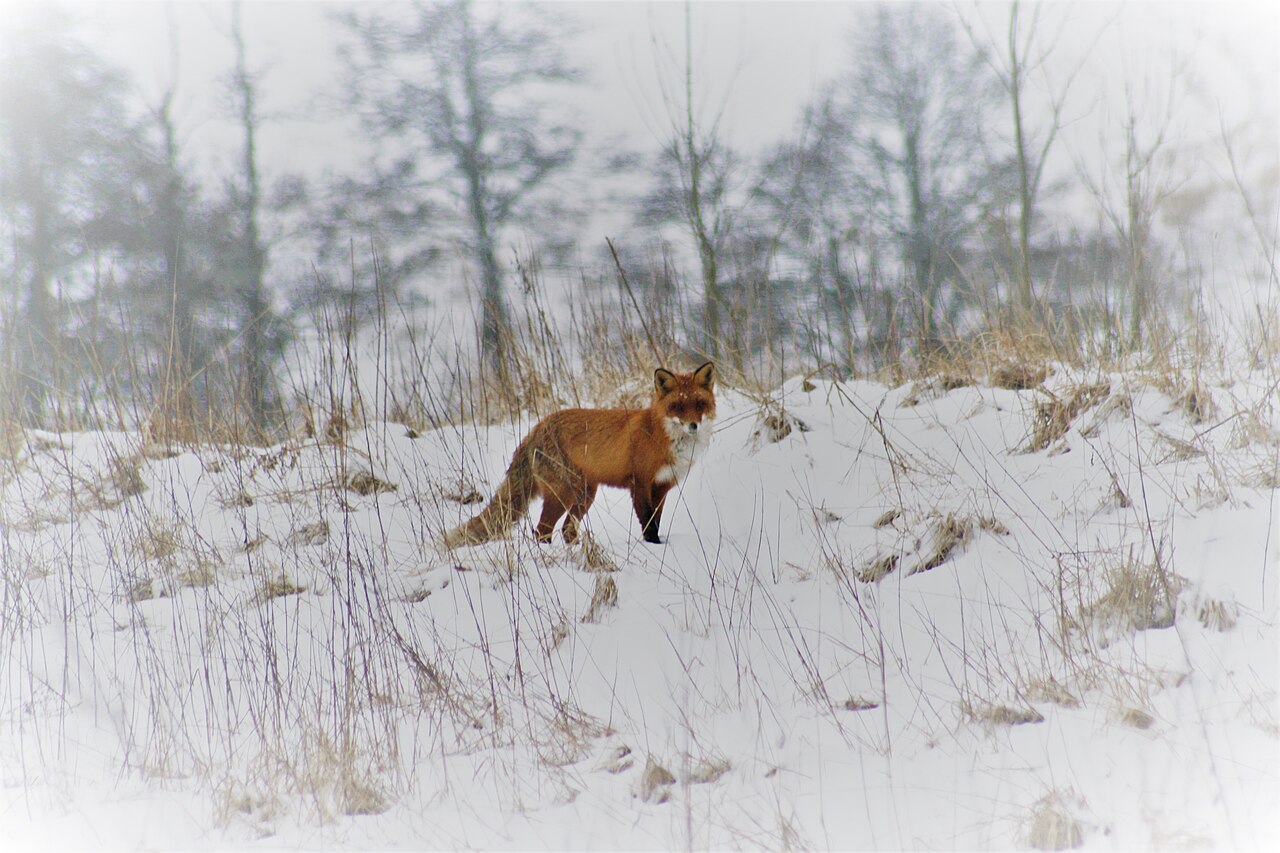
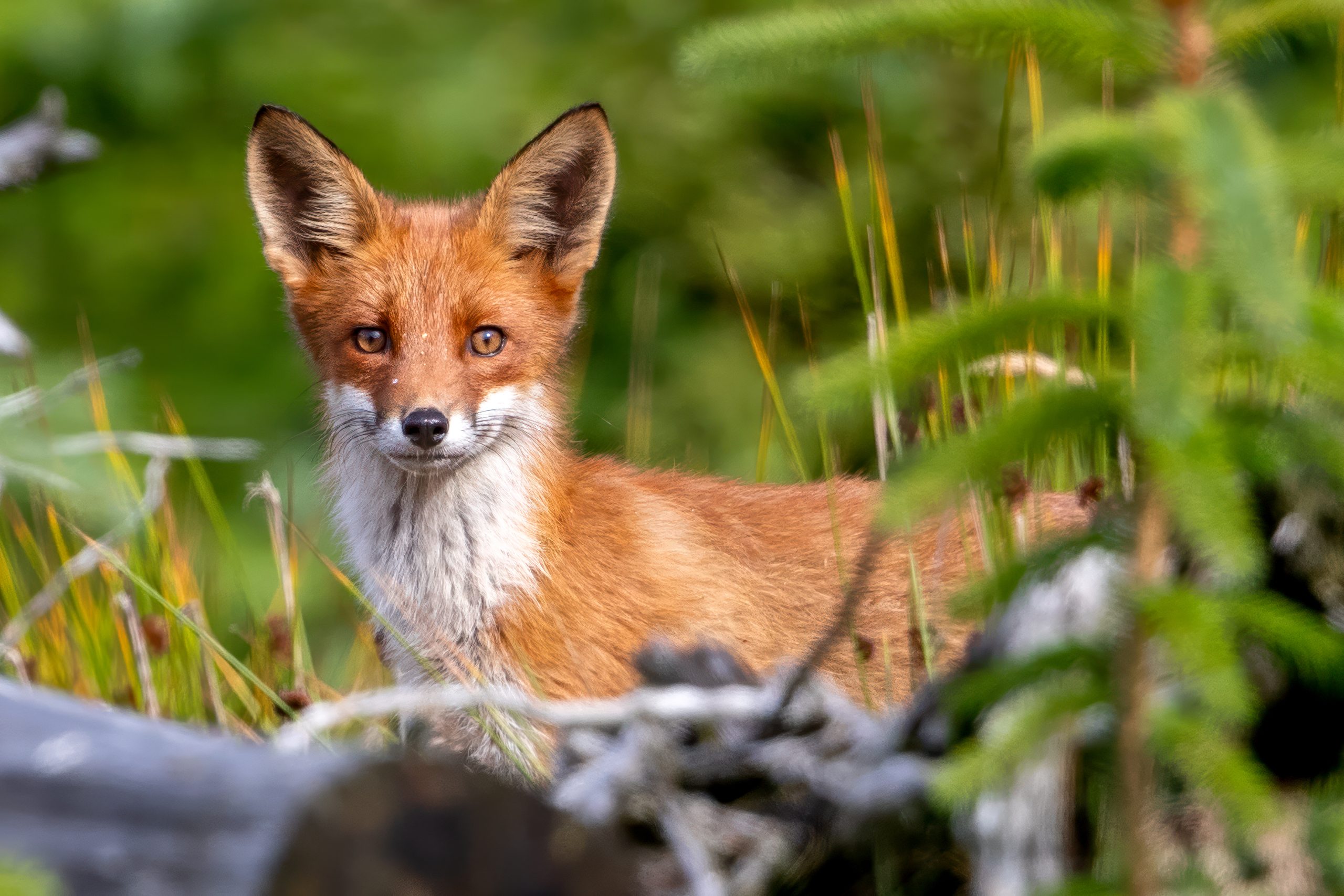
Across 52 years at the Grimsö Wildlife Research Area in south-central Sweden, years with more voles had more confirmed red fox (Vulpes vulpes) litters. Fewer litters were recorded during the severe sarcoptic mange outbreak of 1983–1989 and during 2004–2024, when both Eurasian lynx (Lynx lynx) and wolves (Canis lupus) were present. The study was first published on 7 August 2026.
Each May and June, researchers checked all known fox dens in the study area — between 120 and 210 dens depending on the year. Worn entrances, pup scats or prey remains were used to confirm reproduction. Vole abundance came from twice-yearly trapping of bank voles and field voles at fixed sites. The litter count therefore represents confirmed breeding dens, not a census of all foxes in the area.
Food availability still mattered throughout the 52 years
The positive relationship between vole abundance and the number of fox litters remained similar through the mange and large-predator periods. Sarcoptic mange had the strongest negative relationship with litter numbers, while the period with both lynx and wolves was also linked to fewer litters. The overall pattern is an example of simultaneous bottom-up and top-down regulation: greater vole abundance was linked to more litters, while disease and larger predators were linked to fewer.
Fewer fox litters did not simply mean more secondary prey
The study also followed hares and woodland grouse as secondary prey. Their density indices increased during the mange period, when fox litter numbers were lower, but declined after large predators became re-established. The earlier synchrony between vole cycles and these secondary prey also weakened. The authors argue that this more complicated pattern is consistent with lynx and wolves affecting hares and woodland grouse directly as well as indirectly through red foxes, rather than a simple mesopredator-release pattern in which lower fox reproduction automatically led to more secondary prey.
Ecology
Related news
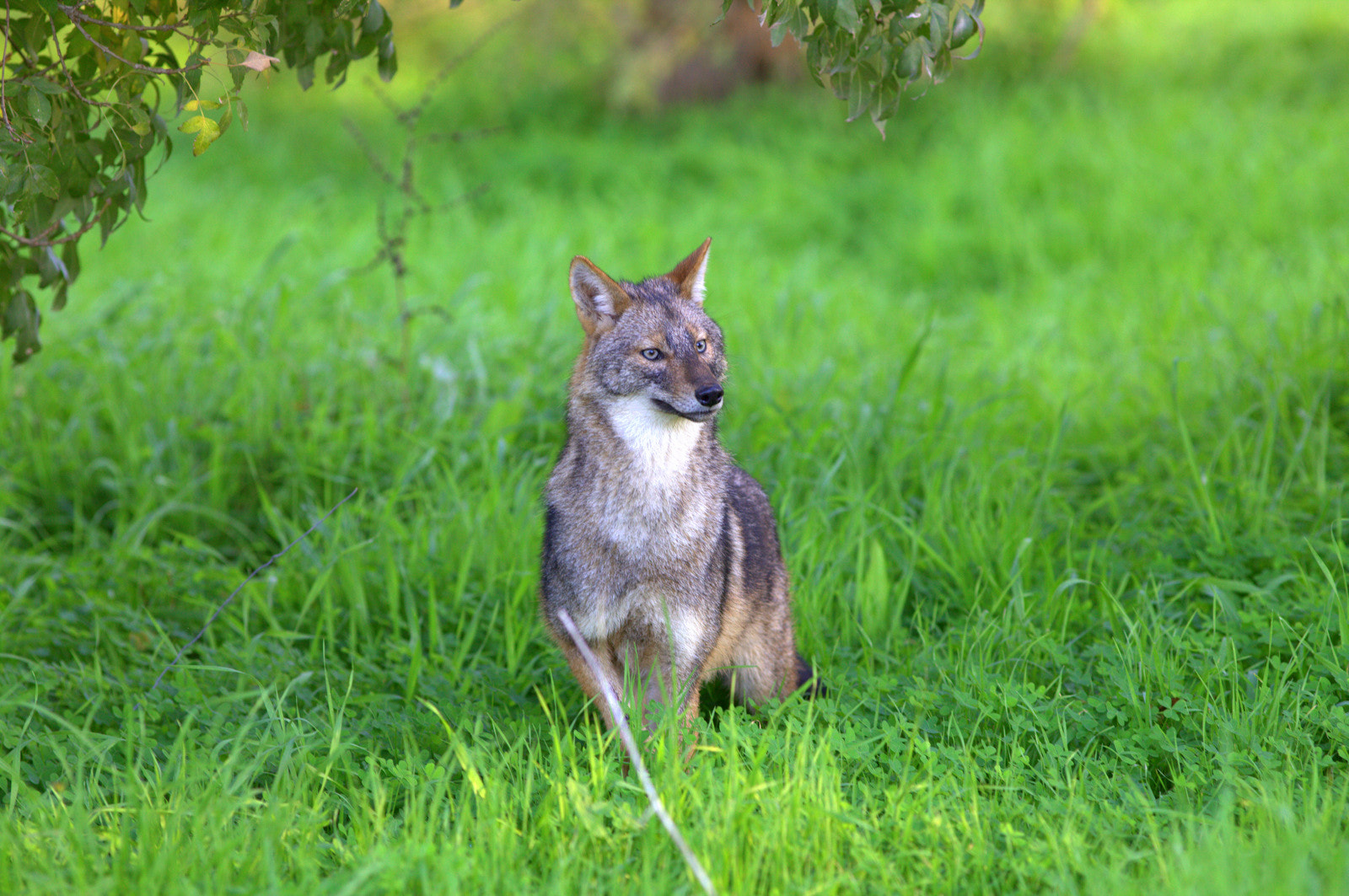
Similar Mammal Diversity, Different Activity Patterns in Grazed and Ungrazed Areas
Camera traps in four northern Israeli reserves found similar numbers of mammal species with and without livestock grazing.…
Read story →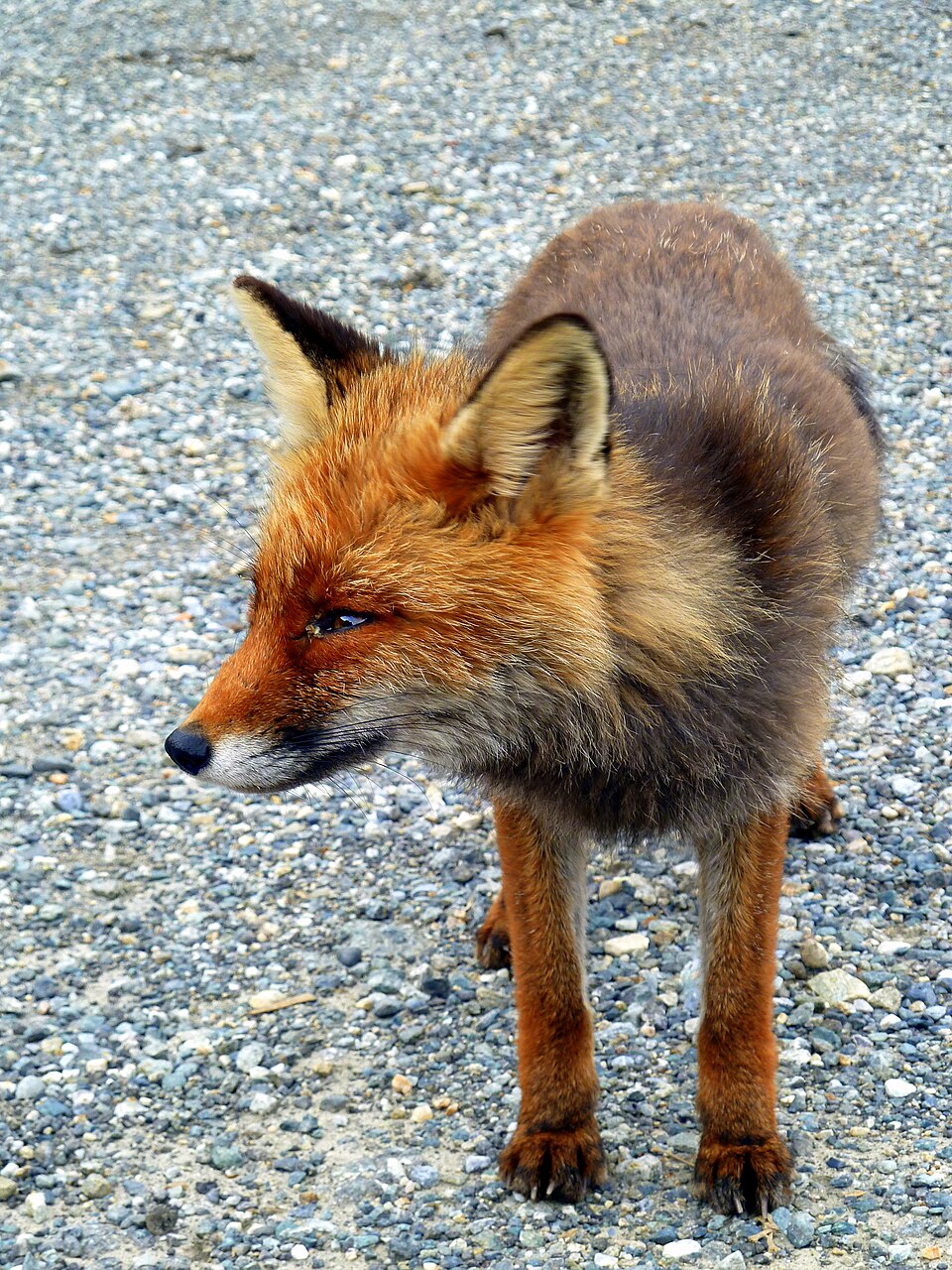
Wolf Kills Provided Plenty of Food for Red Foxes
Red foxes visited all 26 wolf-killed red deer monitored in Stelvio National Park. The amount of meat left…
Read story →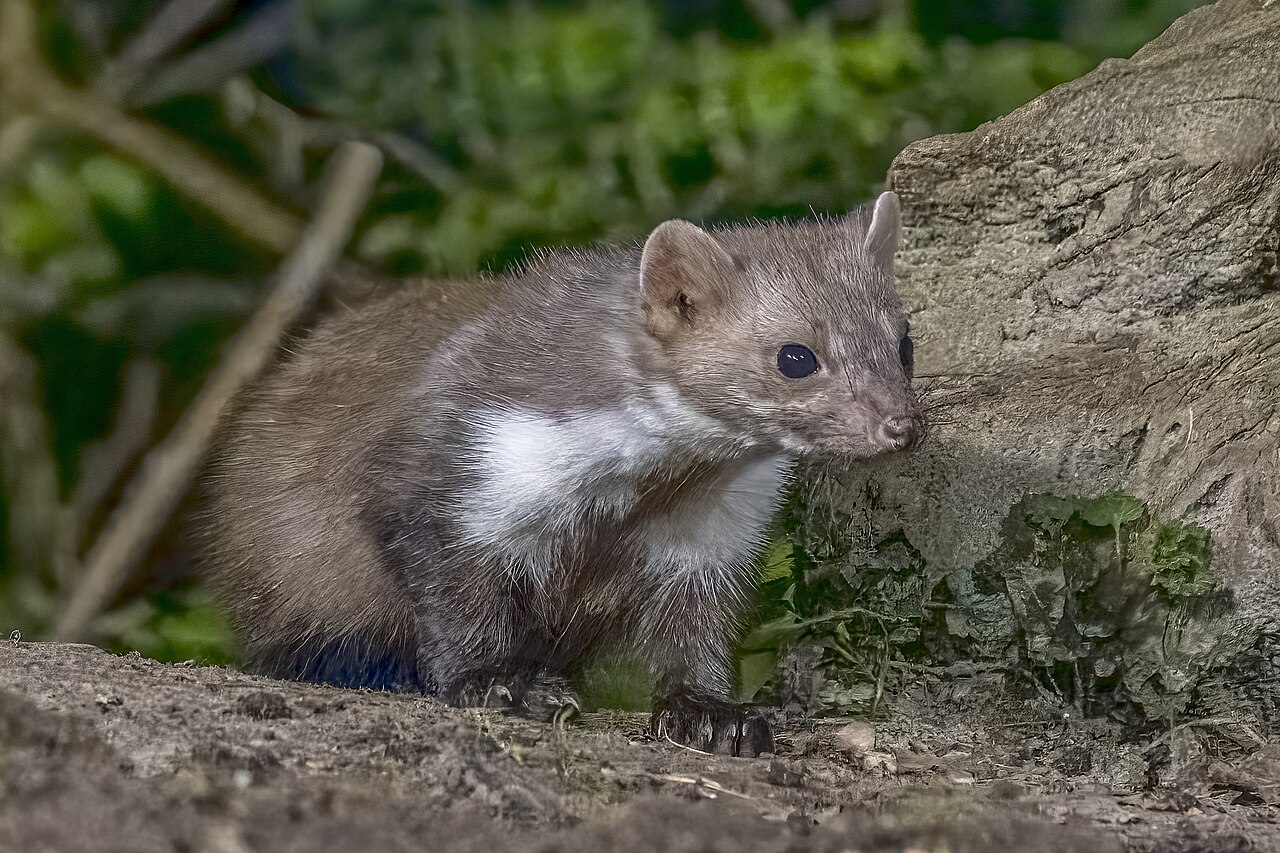
Red Foxes and Stone Martens Share Places at Different Times
Red foxes and stone martens often used the same sites in central Spain. Their daily activity differed more…
Read story →SPECIES IN THIS STORY
Species in this story
Independent research and conservation news archive
Did you find this information useful?
Wildlife Vagabond is independently built and maintained. Voluntary support helps cover source verification, hosting and continued work on research and conservation news.
Support Wildlife VagabondThe news archive will remain freely available.