
Forestry Researcher Urges Retention of Subalpine Fir for Moose Winter Browse
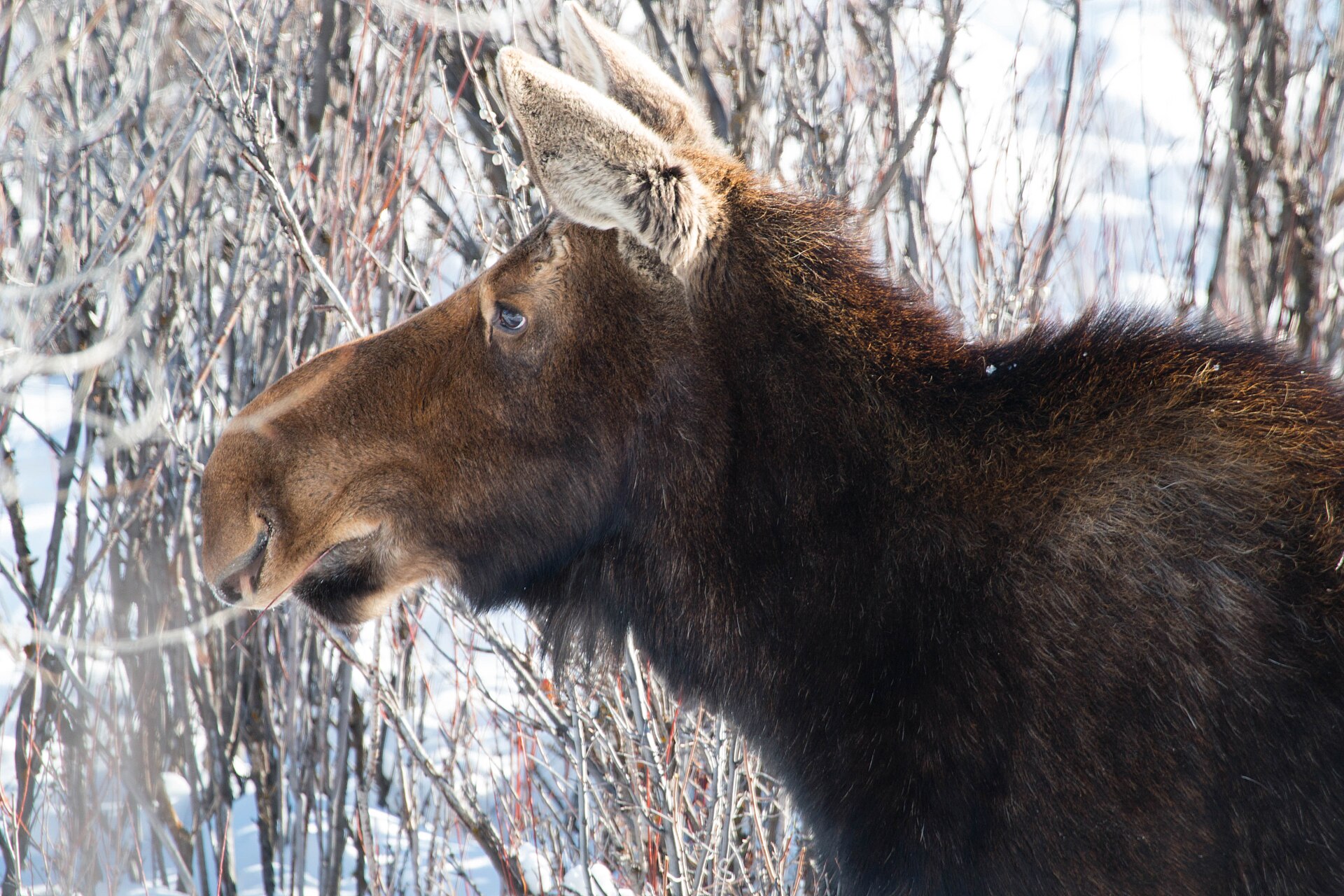
Forest professionals in British Columbia, Canada should retain more regenerating subalpine fir (Abies lasiocarpa) during timber harvesting, argues Roy V. Rea of the University of Northern British Columbia. In a feature published in the winter 2026 issue of BC Forest Professional, he builds the case around the tree’s importance as winter food for moose (Alces alces) and its wider value in forest structure.
Moose populations have declined by 50–70% since the early 2000s in some parts of north-central British Columbia. Rea notes that many moose deaths have been linked to what has been termed “apparent starvation”, but the cause of any nutritional limitation remains unresolved: it is not clear how much may arise from summer forage, winter browse or both.
Subalpine fir is an important winter food
Research cited in the feature suggests that subalpine fir can make up nearly half of the winter diet of moose in north-central British Columbia and that moose select it relative to other browse available on the landscape. Yet provincial reforestation standards generally treat the species as acceptable rather than preferred, while pine and spruce are more commonly favoured. Rea argues that repeated conversion of natural forest to conifer plantations may therefore leave less fir on the landscape over time. He also stresses that the landscape-scale consequences of such a decline have not been quantified.
Retention during harvesting is the main recommendation
His main recommendation is practical: where possible, leave healthy patches of advanced fir regeneration standing during harvesting and protect them from machinery. Rea is not proposing that every sapling be retained. Instead, he argues for training operators to recognise the species, keeping useful patches and some overhead cover where feasible to reduce sun scald after harvesting, and adjusting harvesting practices to reduce damage. Where existing regeneration cannot be retained effectively, he suggests increasing subalpine fir in planting mixes or leaving mature fir as a seed source.
The argument extends beyond winter food. Rea notes that mature and young fir can provide cover and forest structure for moose and other wildlife, and that retaining regeneration can also contribute to stand diversity. His central point is therefore a forestry-management one: subalpine fir should be treated as a component worth deliberately retaining rather than routinely losing during harvest and reforestation.
The landscape-scale consequences remain uncertain. Rea notes that research examining the loss of subalpine fir across the landscape does not appear to be under way, so the article does not establish how much declining fir availability contributes to broader moose declines.
Management
Related news
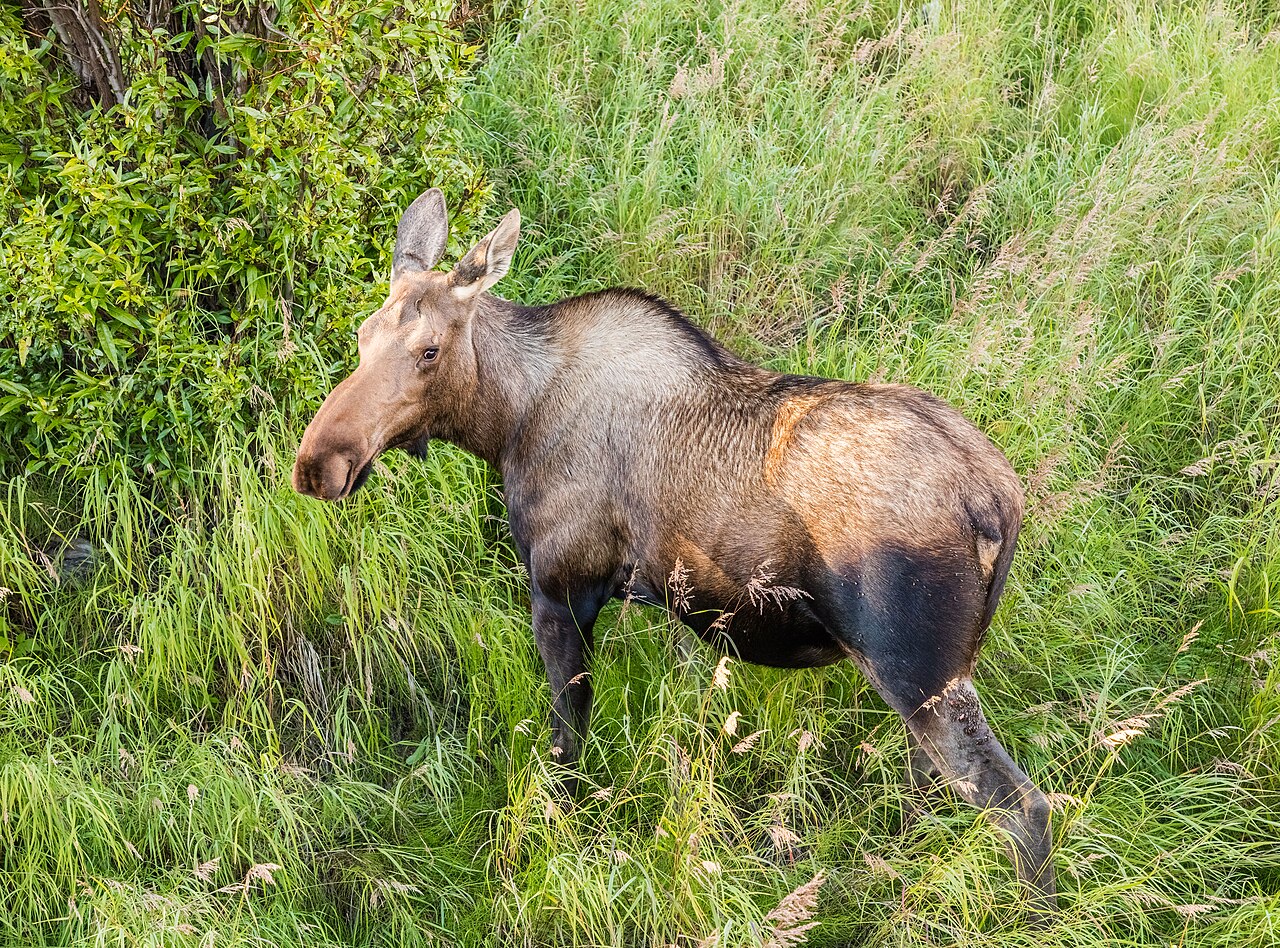
Arctic Moose Follow the River Valleys
GPS tracking in Alaska showed that half of 24 female moose migrated between summer and winter ranges. Migrants…
Read story →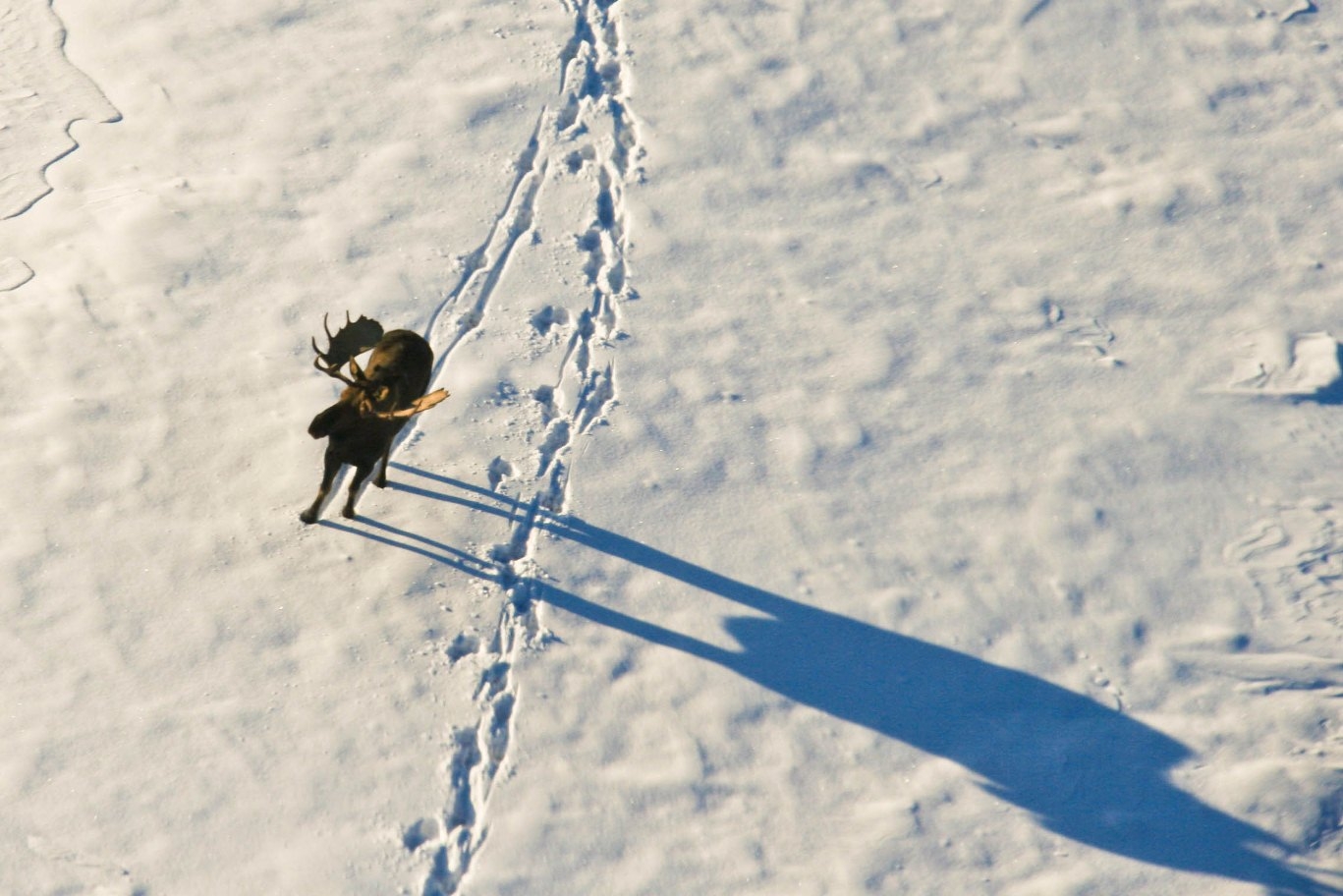
Thermal Drones Found Nearly All Moose in Favourable Winter Weather
Swedish trials found detection close to 100% in cold, overcast winter conditions, but the survey effort needed for…
Read story →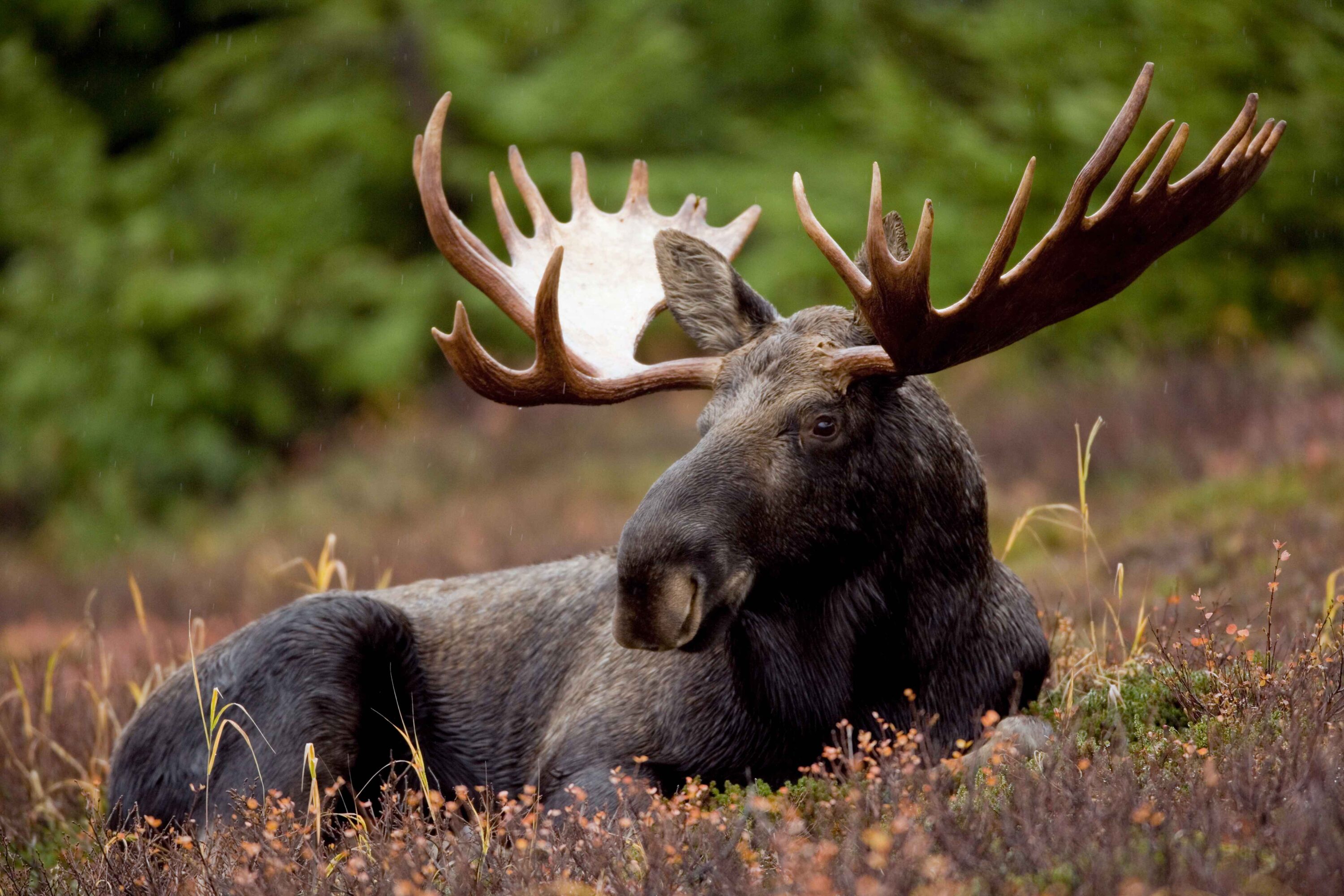
Even Adirondack Park’s Densest Moose Area Was Too Sparse for Precise Aerial Estimates
Helicopter surveys estimated about 92 moose in the Adirondack core in 2024 and 112 in 2025, but broad…
Read story →SPECIES IN THIS STORY
Species in this story
Independent research and conservation news archive
Did you find this information useful?
Wildlife Vagabond is independently built and maintained. Voluntary support helps cover source verification, hosting and continued work on research and conservation news.
Support Wildlife VagabondThe news archive will remain freely available.