
Eight of 11 Alpha-Male Replacements in Taihang Rhesus Macaques Were Successions
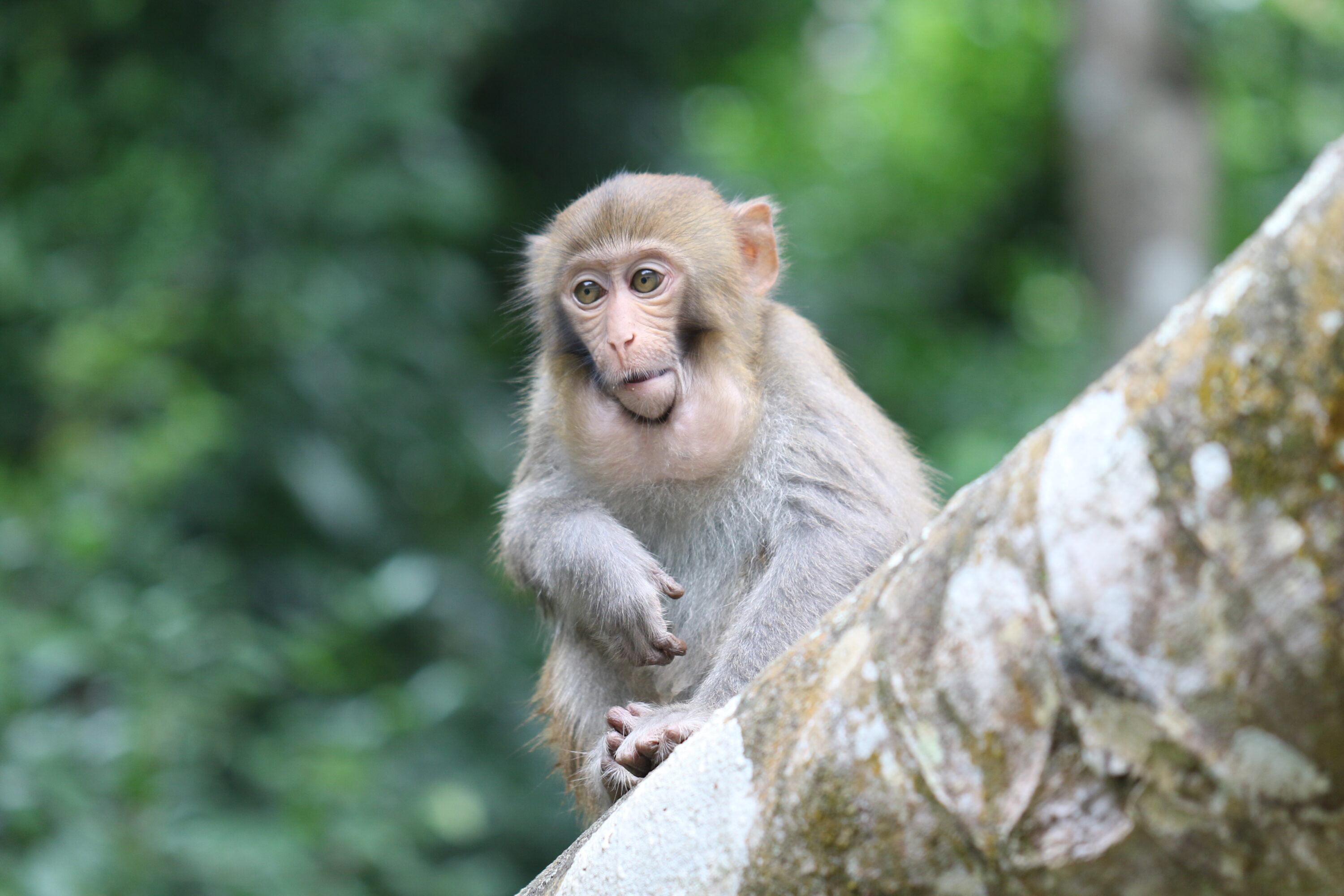
A 13-year study of free-ranging rhesus macaques (Macaca mulatta) in the southern Taihang Mountains of Henan, China, documented 11 changes in alpha male between 2013 and 2025. Eight of the 11 were successions: a subordinate male already living in the group rose to the alpha position after the previous alpha died or disappeared.
Rhesus macaques live in multi-male, multi-female groups with a steep linear dominance hierarchy. Their social style is described as extremely despotic, meaning rank differences are pronounced, aggression can be intense and lower-ranking animals have relatively little ability to counter higher-ranking individuals. The alpha male occupies the highest position in the male hierarchy and generally has priority access to limited resources.
Most alpha changes happened without a direct challenge
The researchers distinguished three types of alpha-male replacement. In a succession, a co-resident subordinate takes over after the previous alpha dies or disappears. Eight of the 11 events followed this pattern. One event was a rank reversal, in which a subordinate resident male actively displaced the current alpha. The remaining two occurred after groups split, with new alpha males emerging in the daughter groups.
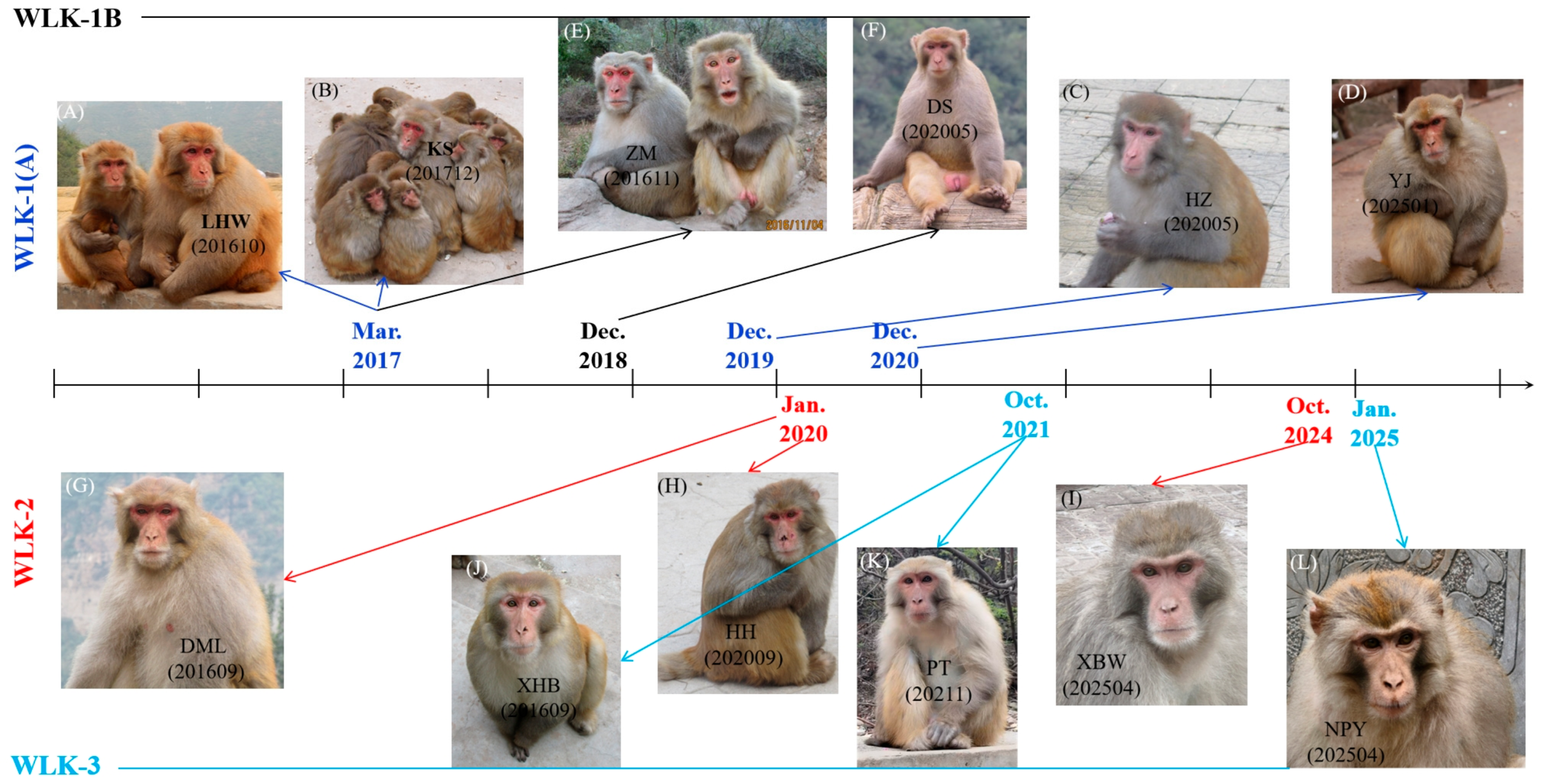
Males were on average 10.2 years old when they reached alpha rank. Their average previous rank was 3.91, but the mean hides a strong concentration near the top of the hierarchy: second-ranking and third-ranking males each accounted for about 36% of the cases. By contrast, males that became alpha in newly formed daughter groups had previously ranked as low as seventh and twelfth in the original group.
The authors argue that this pattern fits a despotic hierarchy in which high-ranking resident males are already well positioned to take over when the incumbent disappears. It does not mean that aggressive challenges never occur; one clear rank reversal was observed, and group fission created two additional routes to alpha status.
Newborn mortality was higher after alpha replacement
The researchers compared several group-level measures before and after alpha-male replacement: group size, natality, adult sex ratio, the proportion of immature animals and newborn mortality. Only newborn mortality showed a clear difference, with a higher proportion of newborn deaths after replacement events.
No infanticide was observed in the study groups. The authors therefore do not interpret the mortality increase as evidence that incoming alpha males killed infants. Instead, they suggest that social instability after a leadership change could increase anxiety or reduce protection from mothers and kin, although the study did not directly test that mechanism.
The other measured demographic variables did not change clearly before versus after replacement. With only 11 replacement events, the authors caution that the demographic comparisons are based on a small sample.
Recent alpha tenures appeared shorter, but the trend is descriptive
Alpha males recorded after 2017 held the top rank for an average of about 2.6 years, compared with more than 7.5 years in the earlier records. The authors present this as a descriptive pattern rather than a confirmed temporal change.
They discuss one possible human influence. The Wulongkou macaques have long received supplementary food associated with tourism. Before 2018, feeding was mainly provided by staff at fixed times, which concentrated group members around predictable feeding events. After 2018, many visitors and other people also began feeding the monkeys throughout the day at scattered locations. The authors suggest that more dispersed feeding could weaken group cohesion and indirectly destabilise the dominance hierarchy, but this explanation was not tested experimentally.
The study therefore supports succession by resident males as the predominant observed route to alpha rank in this Taihang population. Whether the same pattern applies broadly across rhesus macaque populations will require more long-term data from sites with different social and human environments.
Behaviour
Related news
Female Rhesus Macaques That Watched Unfamiliar Female Faces Longer Were More Likely to Have Offspring the Following Year
At a semi-free-ranging population in Puerto Rico, females that spent longer looking at an unfamiliar female’s neutral face…
Read story →
Human Activity and Large Wildlife Overlapped Most in Chitwan’s Buffer Zone
Camera traps across Chitwan National Park and surrounding forests showed the greatest overlap of human activity with large…
Read story →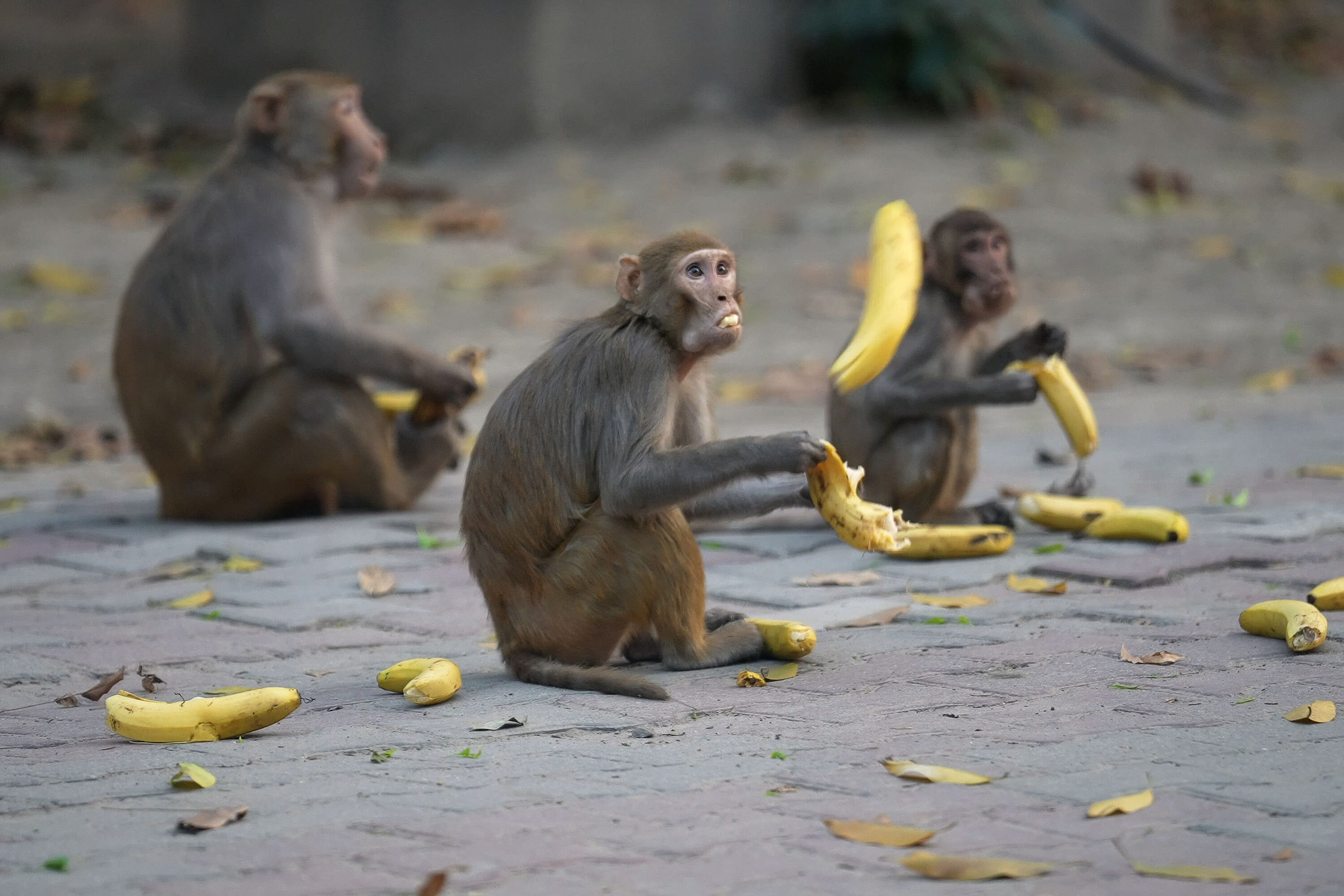
Aging rhesus macaques show broader protein changes in blood than in brain fluid
A study of 66 rhesus macaques found age-related differences in many more measured proteins in plasma than in…
Read story →SPECIES IN THIS STORY
Species in this story
Independent research and conservation news archive
Did you find this information useful?
Wildlife Vagabond is independently built and maintained. Voluntary support helps cover source verification, hosting and continued work on research and conservation news.
Support Wildlife VagabondThe news archive will remain freely available.