
More Sensitive PCR Revealed Rickettsia DNA in Six New South African Wildlife Hosts
A more sensitive molecular test revealed Rickettsia DNA in six South African wildlife hosts in which these bacteria had not previously been recorded. Rickettsia are obligately intracellular bacteria, and several groups include tick- or other vector-borne pathogens that can infect animals and people.
A more sensitive test uncovered DNA missed by the earlier assay
The researchers re-examined spleen samples from 73 wild mammals representing 11 species in Kruger National Park, Timbavati Private Nature Reserve, Mountain Zebra National Park and Lapalala Wilderness Reserve. All 73 samples had previously tested negative with a reverse line blot assay.
The new method used nested PCR: two successive amplification rounds targeting a conserved part of the gltA gene, which increased the chance of detecting small amounts of Rickettsia DNA. The method found DNA in 32 of the 73 animals. This 44% value applies only to this deliberately selected set of previously negative samples and is not a prevalence estimate for South African wildlife.
Six wildlife species became new host records
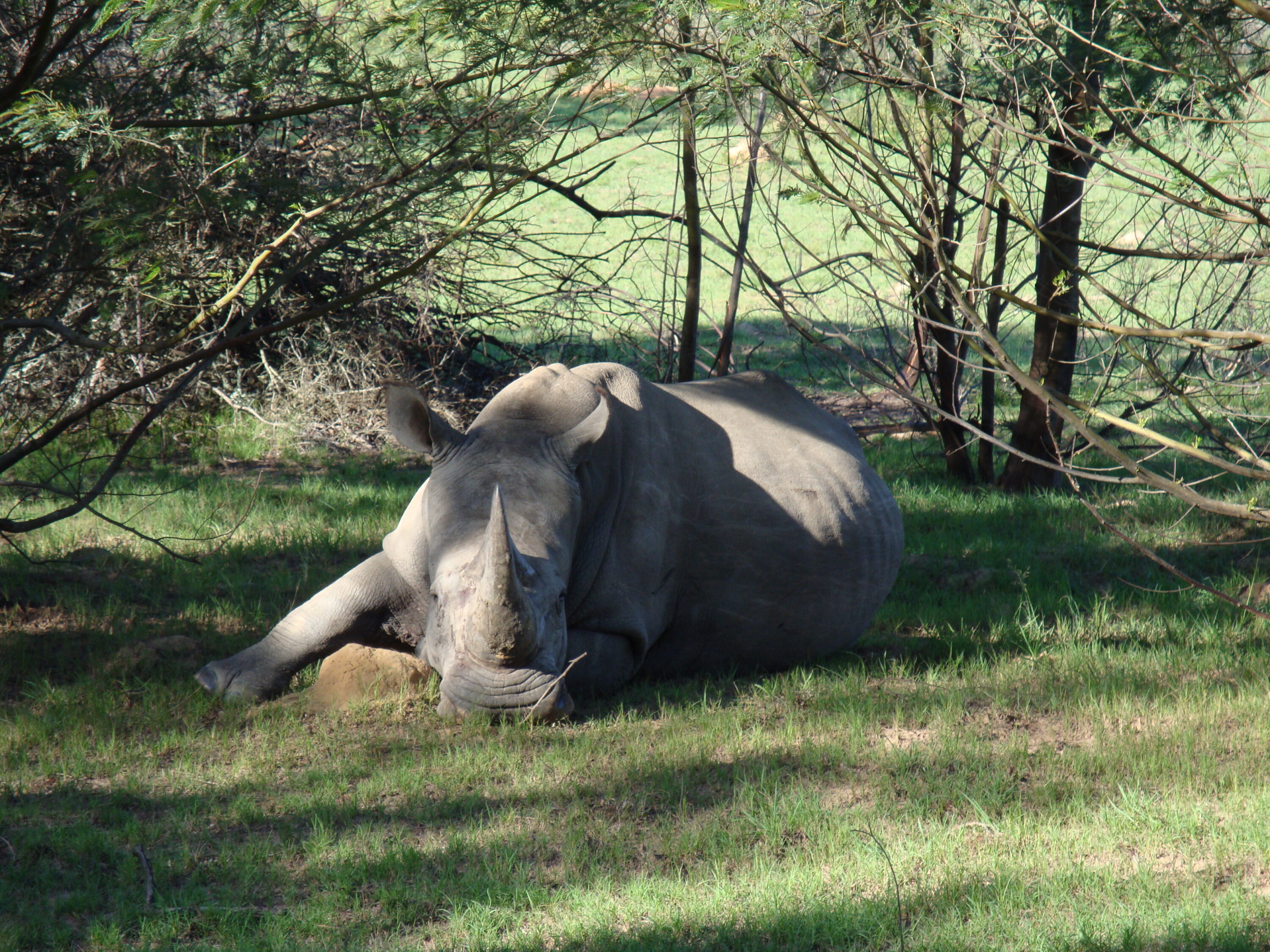
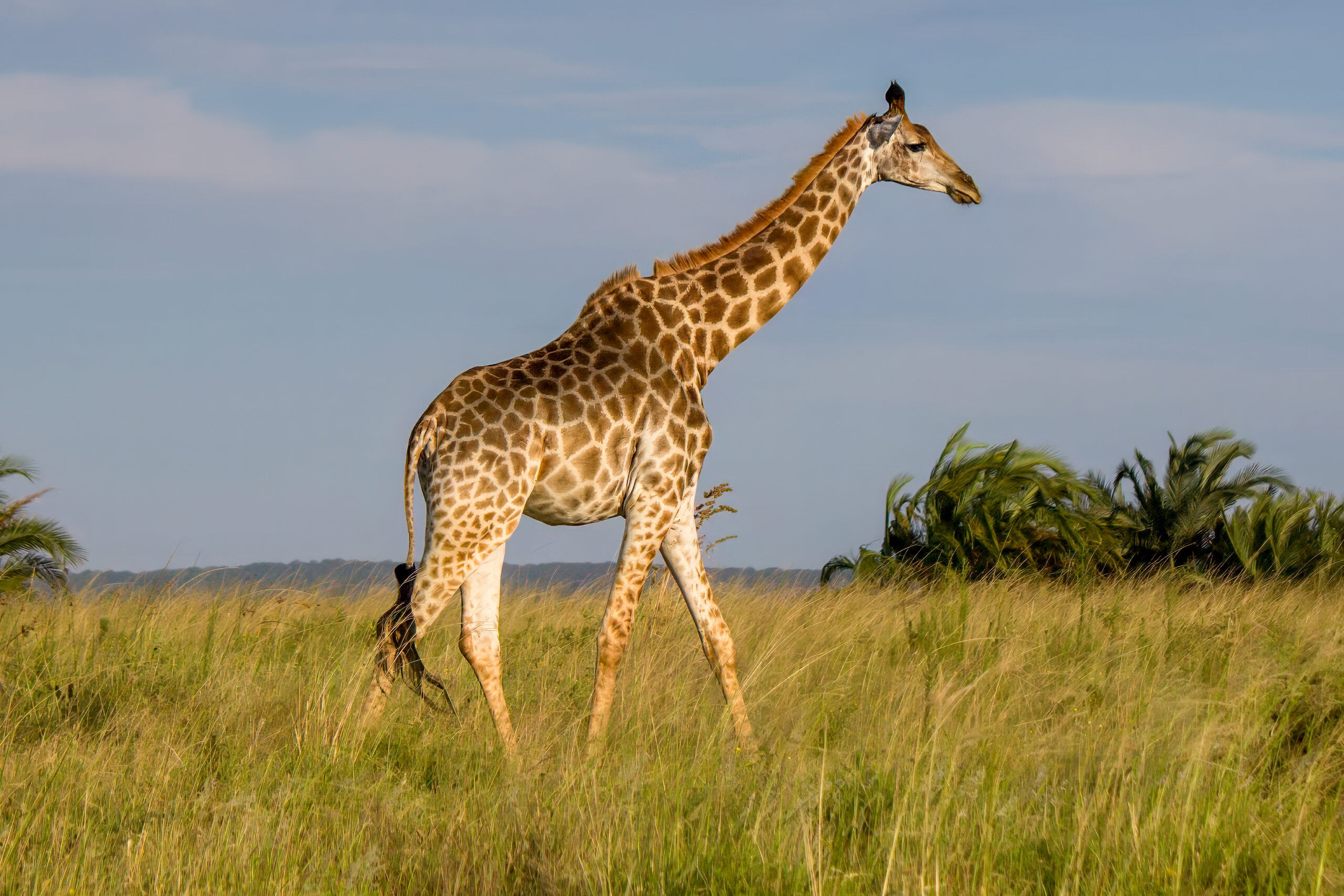
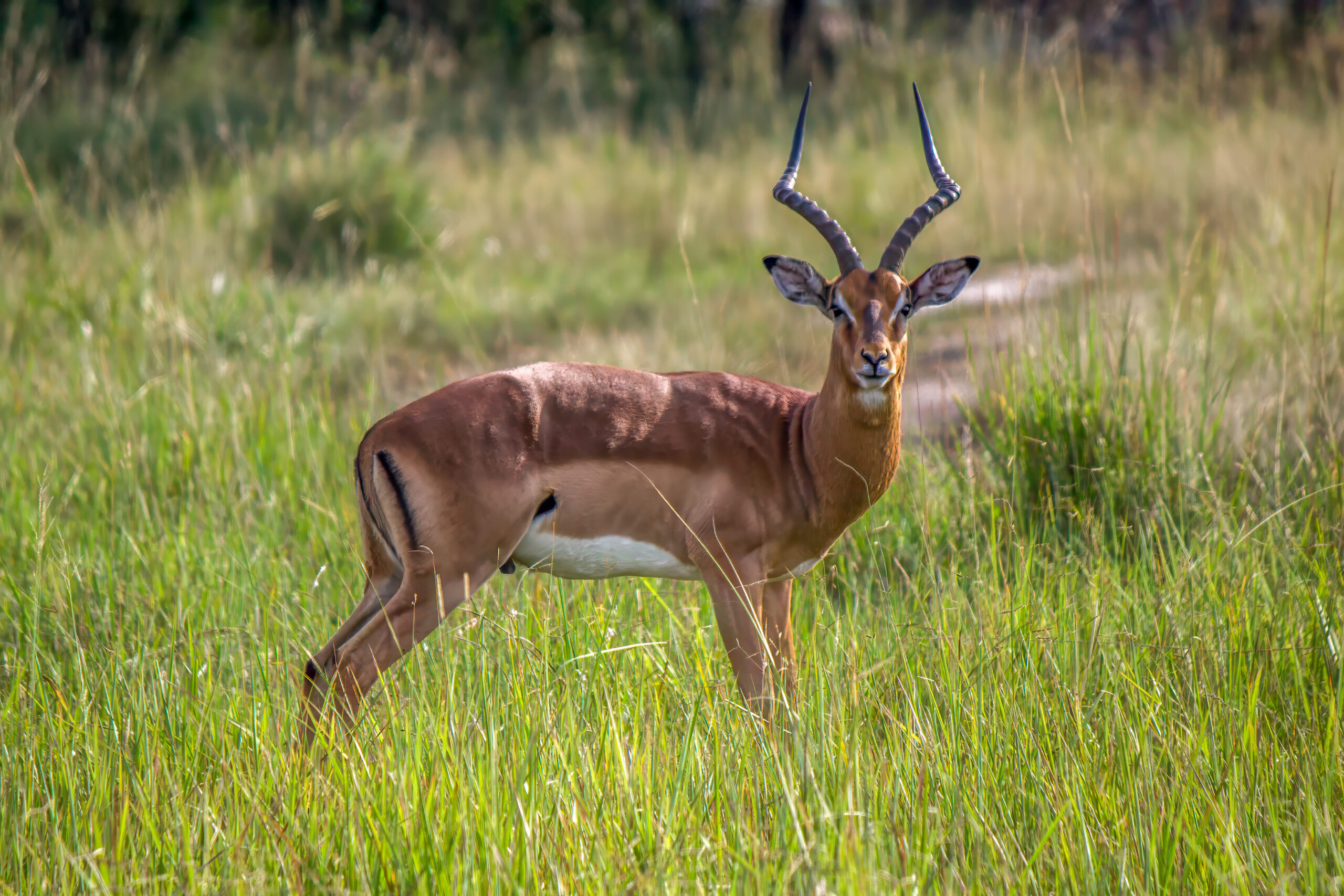
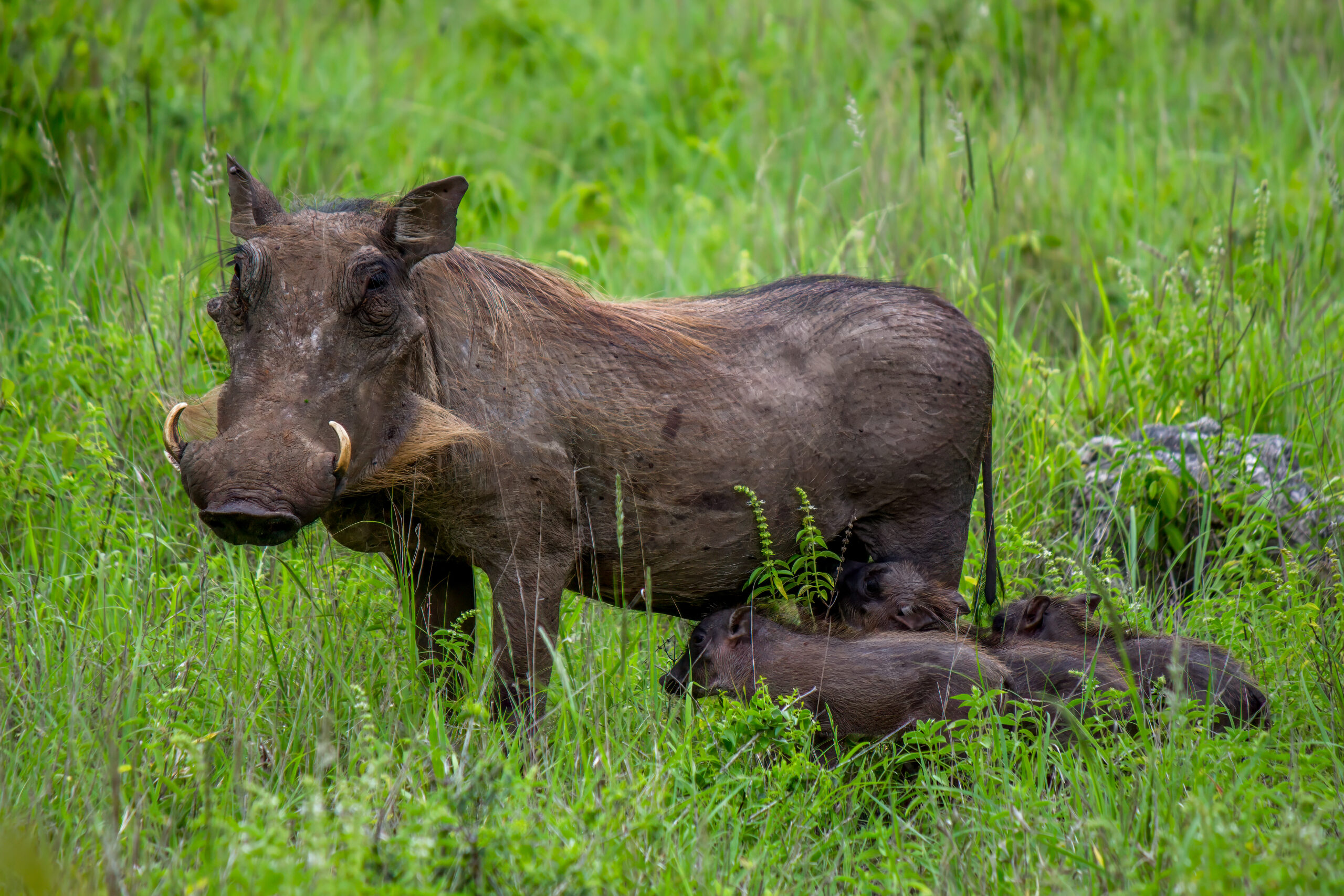
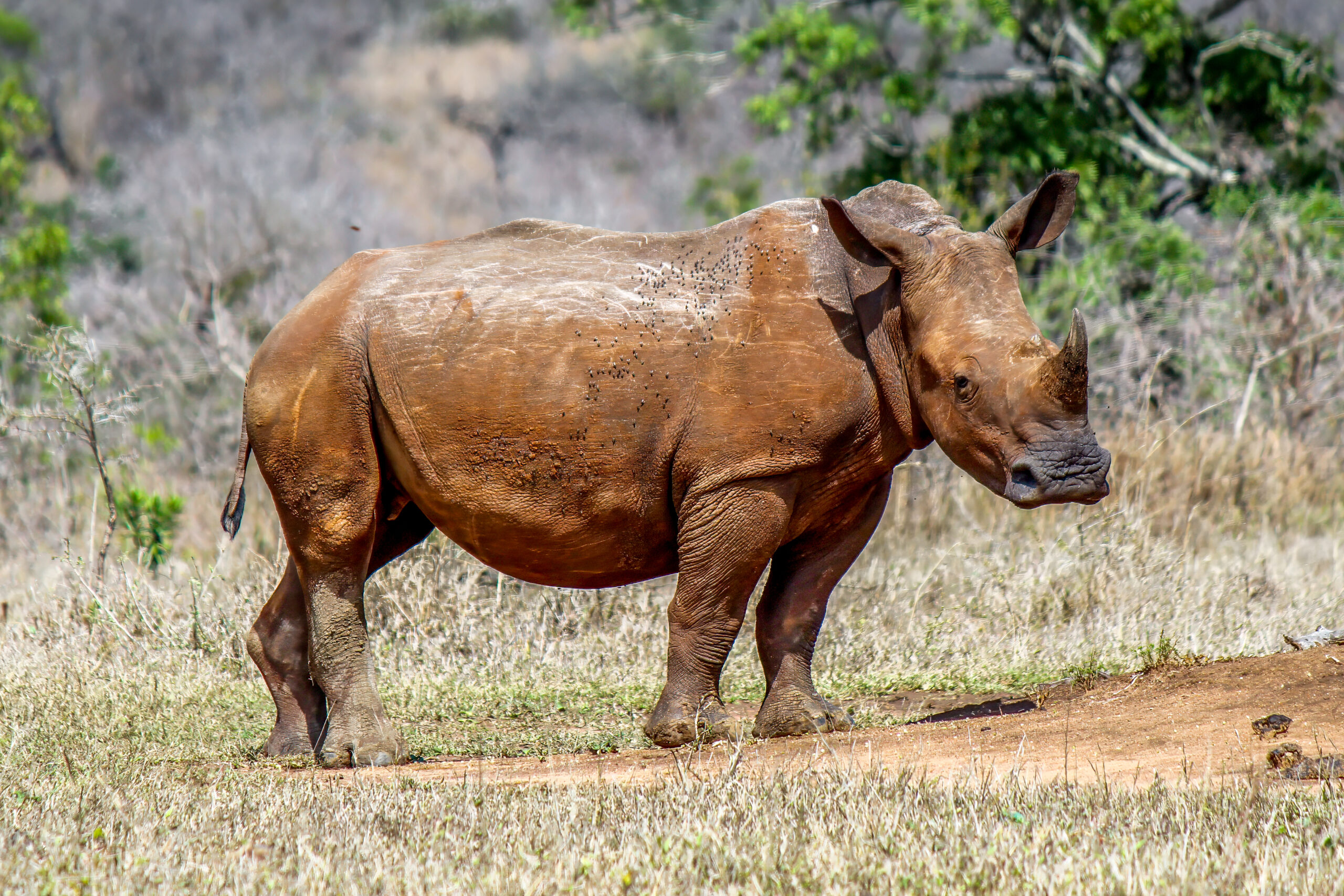
First host records were reported for giraffe, common hippopotamus (Hippopotamus amphibius), impala (Aepyceros melampus), common warthog (Phacochoerus africanus), white rhinoceros (Ceratotherium simum) and plains zebra (Equus quagga). The single giraffe, hippopotamus and white rhinoceros samples were positive; four of 15 impalas, two of four warthogs and four of six plains zebras were also positive. Ratios based on one or a few animals describe the available samples and cannot be interpreted as population infection rates.
The giraffe record needs a taxonomic caveat. The sample came from Timbavati, within the South African range of southern giraffe (Giraffa giraffa), but the paper used the older collective name Giraffa camelopardalis and did not genetically identify the giraffe taxon. The link to southern giraffe is therefore based on geography rather than a species identification made by the study itself.
Sequencing succeeded for 27 positive PCR products. Most belonged to the spotted-fever group, three were closest to typhus-group bacteria and one resembled the transitional-group species Rickettsia felis. One zebra sequence could not be placed confidently, and one impala sample contained DNA signatures from both spotted-fever- and typhus-group bacteria. Because the short gltA fragment is highly conserved, most detections could not be resolved confidently to species or strain.
DNA detection did not establish active disease or reservoir status
Blood, liver, lymph-node and spleen material from two impalas was positive, which the authors interpret as preliminary evidence that rickettsial material can be distributed through several tissues. The study did not determine whether those animals were ill.
Detecting DNA alone cannot show whether live bacteria were present, whether infection was active, or whether a wildlife host can infect feeding ticks and maintain transmission in nature. Residual DNA after a cleared infection is another possibility. For that reason, the authors do not classify any of the six newly recorded species as reservoirs.
The authors recommend multi-gene sequencing, culture or RNA-based tests, together with pathology and vector surveillance, to determine what these detections mean biologically. The study therefore expands the known map of wildlife associations with Rickettsia in South Africa; it does not document a new outbreak.
Disease, parasites & microbiology
Related news
Food Leaves Its Mark on the Gut Bacteria of Kruger’s Wildlife
Gut bacteria in nine mammal species from Kruger National Park followed clear patterns linked to food and digestion.…
Read story →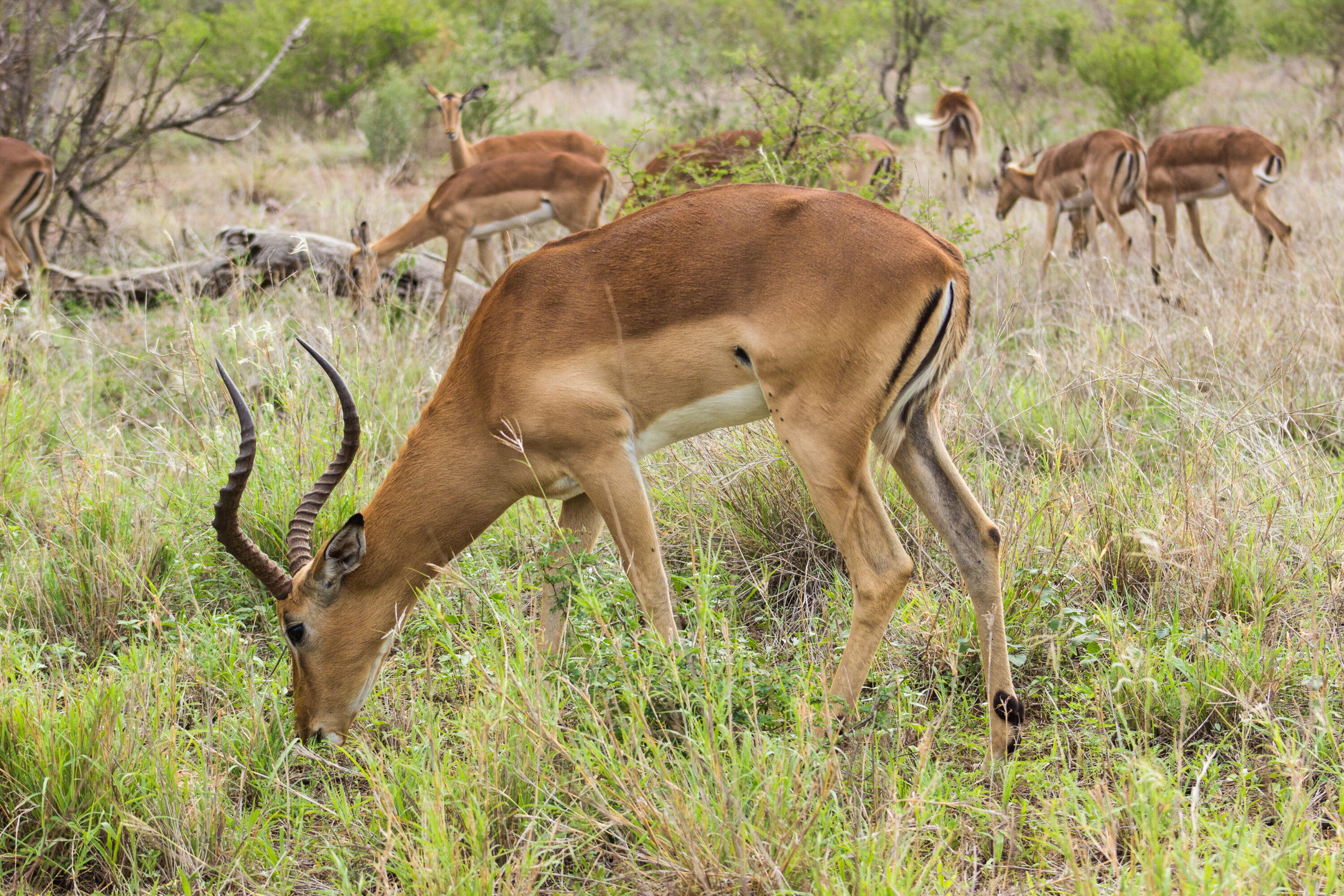
Impala fGCM Levels Were 57% Higher on Dry-Season Weekends in Four-Species Tourism Study
At Somabula, impala fGCM levels were about 57% higher over dry-season weekends than weekdays, while the other three…
Read story →
Faecal egg counts missed many nematode infections in African ungulates
In Kruger National Park, egg counts in faeces often detected fewer infections than counts of adult worms recovered…
Read story →SPECIES IN THIS STORY
Species in this story
 Southern Giraffe
Giraffa giraffa Explore species →
Southern Giraffe
Giraffa giraffa Explore species →
 Common Hippopotamus
Hippopotamus amphibius Explore species →
Common Hippopotamus
Hippopotamus amphibius Explore species →
 Impala
Aepyceros melampus Explore species →
Impala
Aepyceros melampus Explore species →
 Common Warthog
Phacochoerus africanus Explore species →
Common Warthog
Phacochoerus africanus Explore species →
 White Rhinoceros
Ceratotherium simum Explore species →
White Rhinoceros
Ceratotherium simum Explore species →
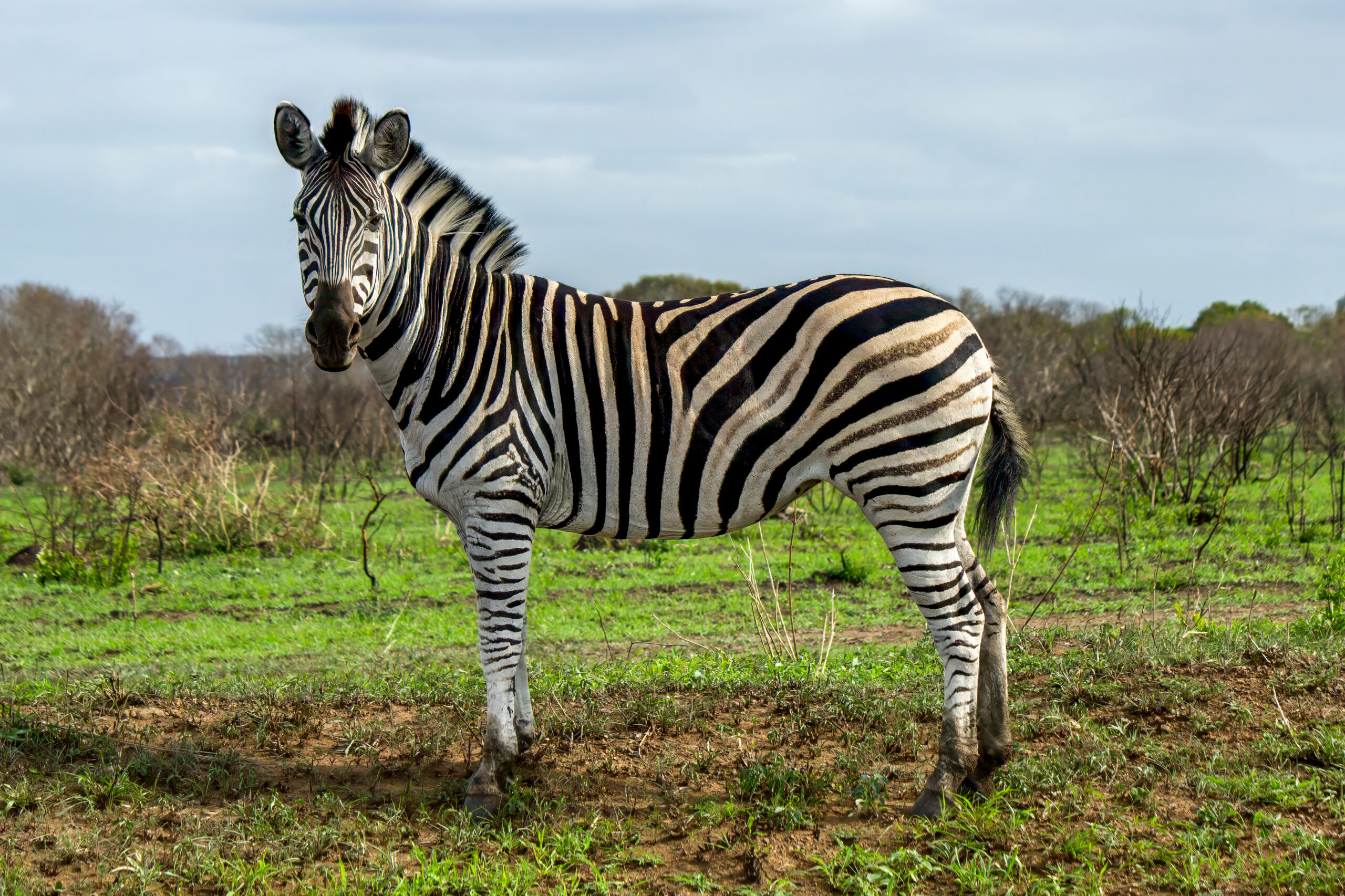 Plains Zebra
Equus quagga Explore species →
Plains Zebra
Equus quagga Explore species →
Independent research and conservation news archive
Did you find this information useful?
Wildlife Vagabond is independently built and maintained. Voluntary support helps cover source verification, hosting and continued work on research and conservation news.
Support Wildlife VagabondThe news archive will remain freely available.