
Spotted Flycatchers Disappeared Less Often and Colonised More Often in River-Rich British Landscapes
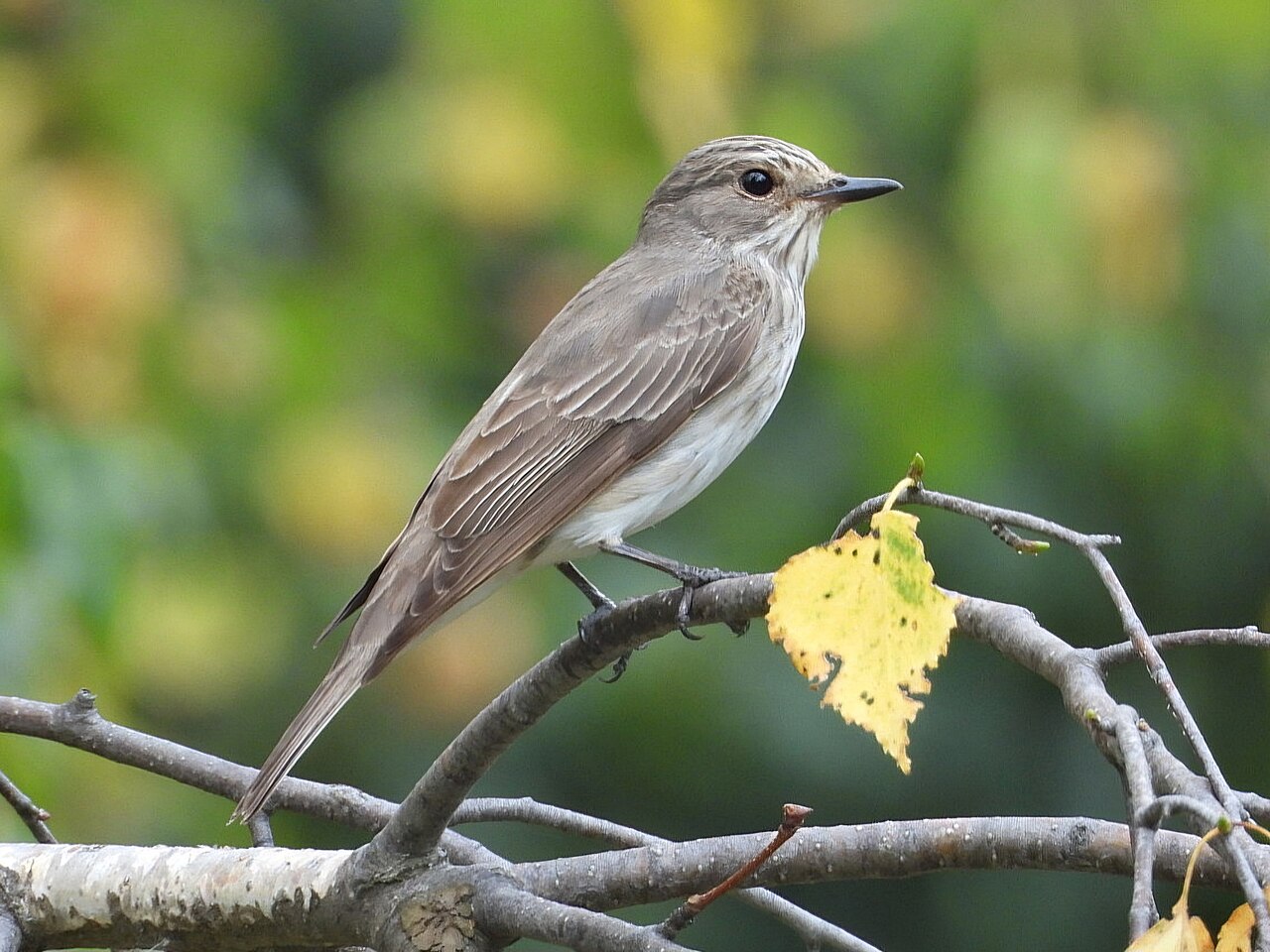
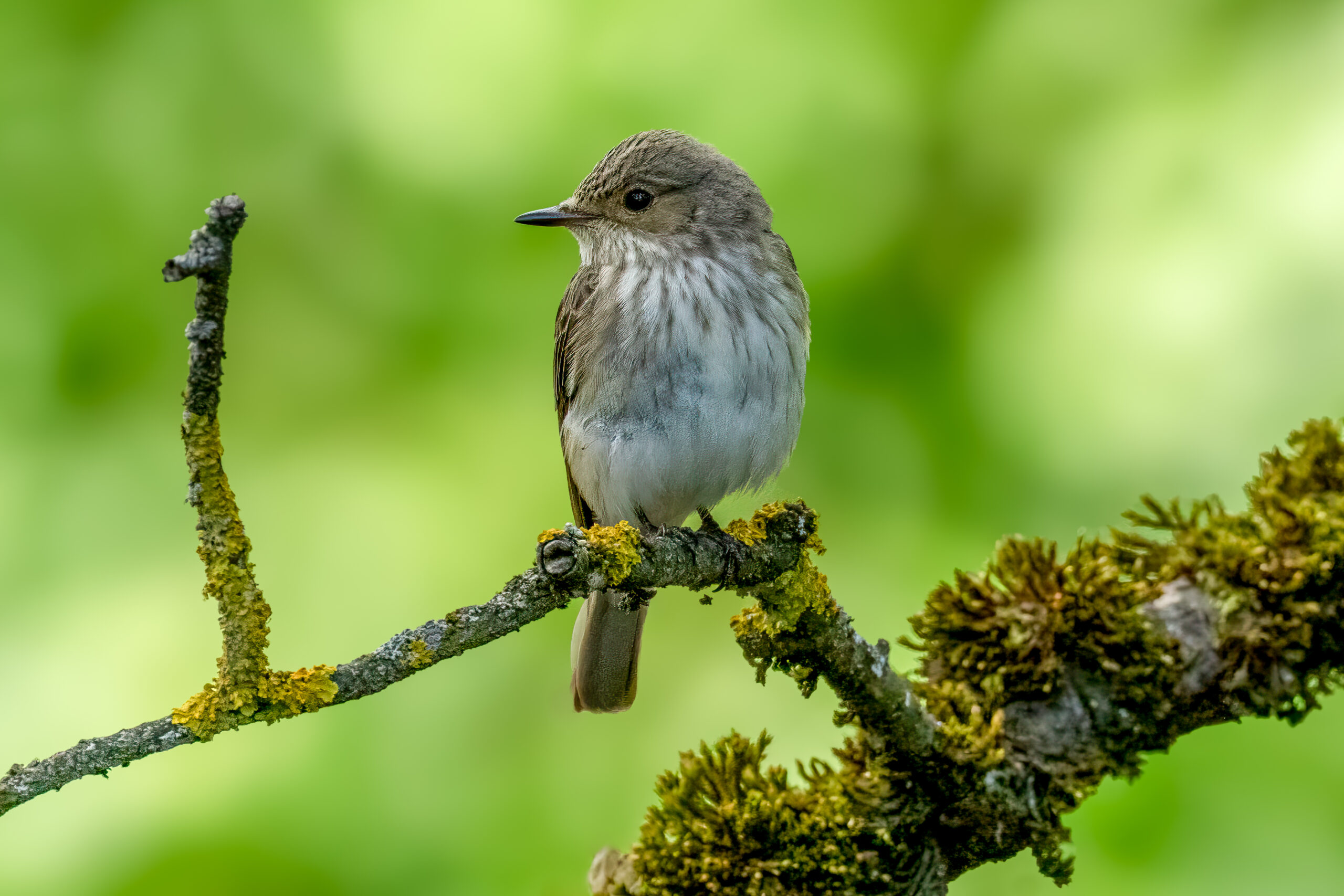
A national study of spotted flycatchers (Muscicapa striata) found that river density was strongly associated with whether the species persisted in or colonised breeding-atlas squares across Britain. The researchers compared 2 × 2-km squares between the 1988–1991 and 2008–2011 breeding-atlas periods and related these changes to rivers and shifts in woodland, standing freshwater, arable and urban land cover.
The analysis was restricted to Britain, despite the source atlases covering Britain and Ireland. The models compared colonisation across 20,951 squares where spotted flycatchers were absent in the first atlas period and local loss across 7,356 squares where they had been present. These are changes in breeding occurrence, not changes in the number of flycatchers within each square.
River-rich landscapes were more likely to retain or gain flycatchers
Greater river density was associated with a higher probability that spotted flycatchers colonised previously unoccupied squares and a lower probability that they disappeared from occupied ones. In the authors’ model, river-rich landscapes were associated with more colonisation and less local loss, even after the other measured landscape variables were considered. They therefore identify running-water landscapes as an important correlate of persistence during a period of severe national decline.
Urban expansion showed the opposite pattern: increasing urban cover was associated with lower colonisation and greater local loss. Unexpectedly, increases in woodland and standing freshwater were also linked to reduced colonisation, and more standing freshwater was associated with greater loss.
The models explained only part of the overall variation, so river density and land-cover change cannot account for the decline on their own. The authors note that other factors may also act elsewhere in the species’ annual cycle.
Aquatic insects are a possible mechanism, not a measured one
The authors suggest that rivers may benefit this terrestrial insectivore through emergent aquatic insects, which transfer prey biomass from freshwater into surrounding land and can extend food availability beyond peaks in terrestrial insects. The study did not measure insect abundance, diet or breeding success, so this remains a biologically grounded explanation rather than a mechanism demonstrated by the atlas analysis.
The unexpected woodland result may partly reflect the time needed for newly created woodland to develop the structure and insect communities used by flycatchers. The reason for the negative association with increasing standing freshwater was less clear.
The conservation emphasis is on established habitat
The authors conclude that simply creating more woodland or water is unlikely to reproduce the benefits associated with established riverine landscapes quickly enough for a rapidly declining species. They argue for protecting and improving existing habitats, with particular attention to rivers and the ecological links between freshwater and surrounding terrestrial habitat.
Ecology
Related news
Ten Migrants Followed Early-slow and Late-fast Passage Strategies Through Nigeria
Twenty-four years of ringing data from Jos showed striking species differences in migration timing: Icterine Warblers were among…
Read story →
New Darwin Tree of Life Genome Assembly Available for the Spotted Flycatcher
A Darwin Tree of Life BioProject registered on 20 August 2026 provides a new haplotype-1 genome assembly for…
Read story →
28 Acoustic Stations Tracked Spring Arrival of Three Migratory Songbirds Across Norway
A nationwide passive acoustic network collected 37,429 hours of audio and mapped the spring arrival of common chiffchaffs,…
Read story →SPECIES IN THIS STORY
Species in this story
Independent research and conservation news archive
Did you find this information useful?
Wildlife Vagabond is independently built and maintained. Voluntary support helps cover source verification, hosting and continued work on research and conservation news.
Support Wildlife VagabondThe news archive will remain freely available.