
Rock Doves on Cyprus Were at Least Semi-domesticated by Around 1400 BCE, Study Suggests
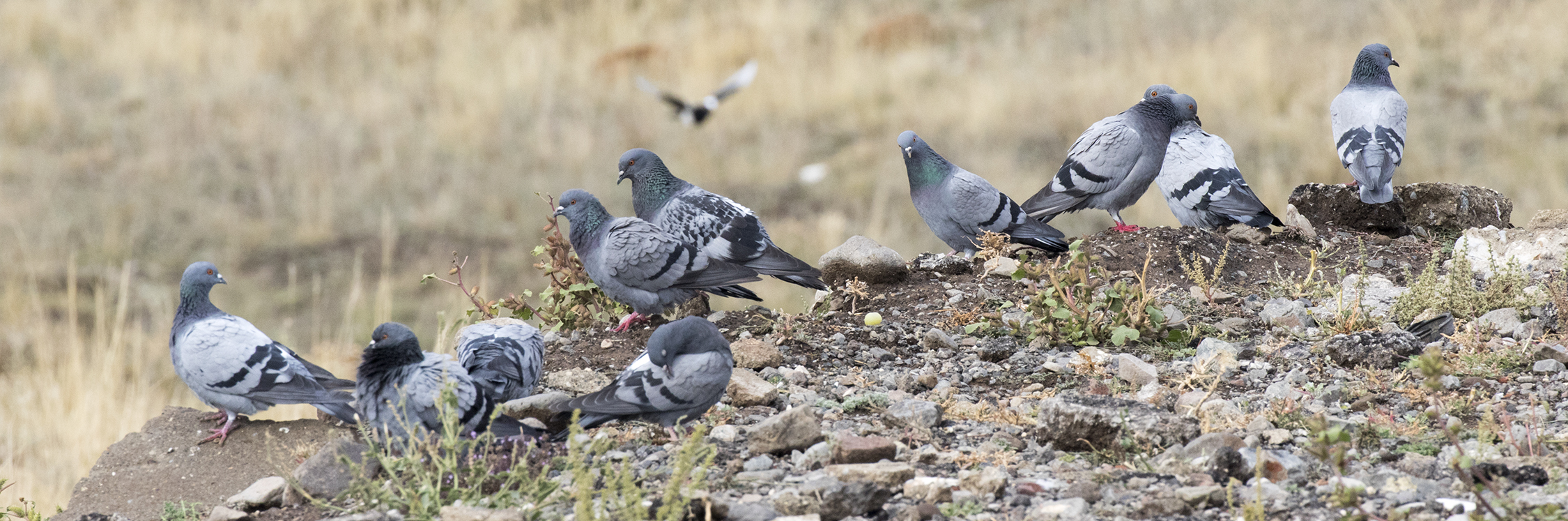
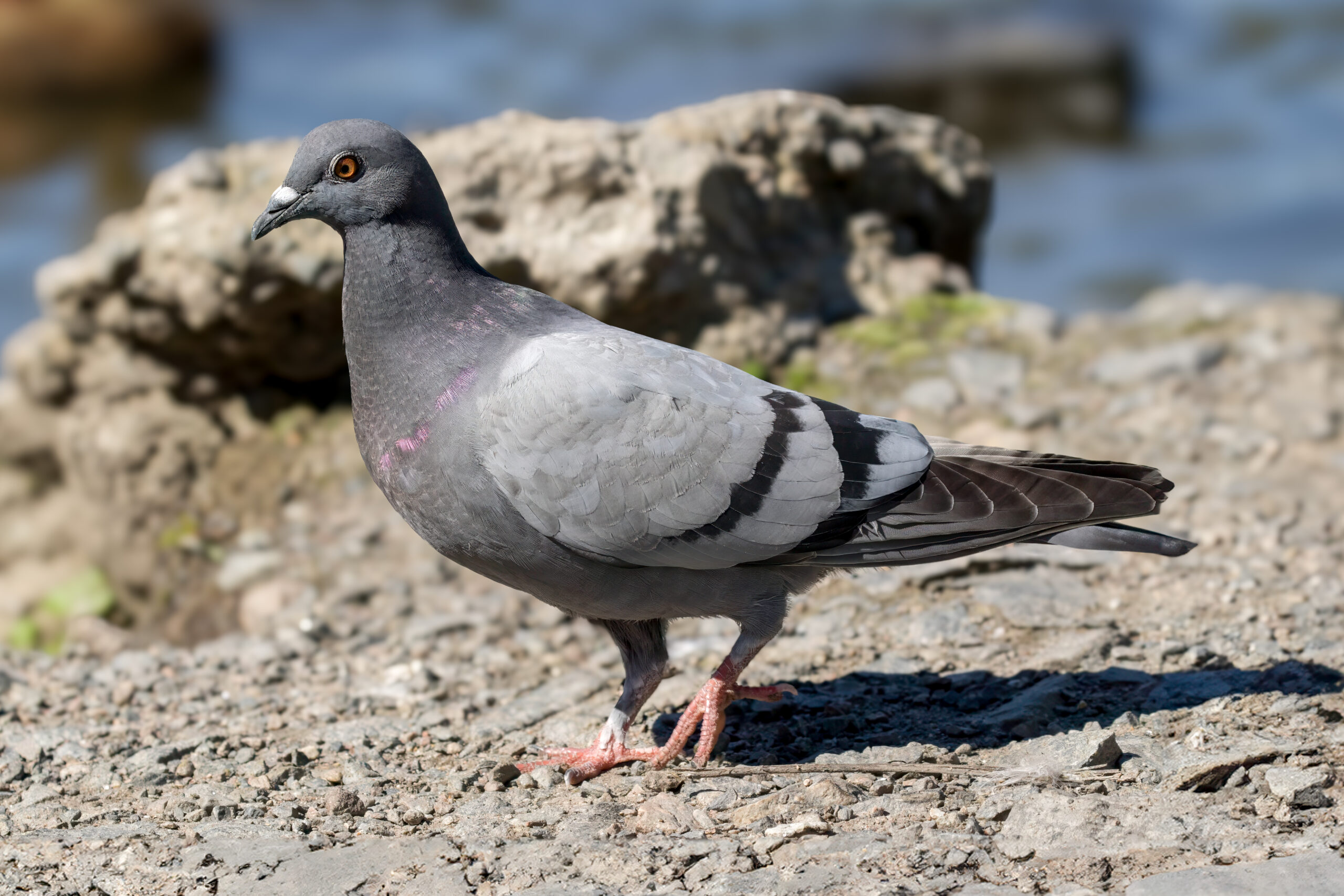
Rock doves (Columba livia) at Hala Sultan Tekke on Cyprus were probably living in sustained close contact with people and were at least semi-domesticated by around 1400 BCE, according to a study published online on 21 May 2026. The conclusion came from several lines of evidence rather than from bone size alone.
Researchers re-examined a large Late Bronze Age assemblage using zooarchaeology, measurements of the bones, archaeological context and stable-isotope analysis. Of 183 columbid specimens, 159 were identified as rock dove and represented a minimum of 55 individuals.
Juvenile bones suggest pigeons were breeding within the settlement
Most identifiable birds were adults, but the assemblage also contained 17 confirmed juvenile bones representing at least four young individuals. Young pigeons are still strongly tied to their nest area, so their presence supports the authors’ interpretation that pigeons were probably breeding at or very close to Hala Sultan Tekke rather than arriving only as hunted wild adults.
Just over half of the identified rock-dove specimens showed some contact with fire. Many bones came from City Quarter 1, including burnt animal-bone deposits beneath a plaster floor in rooms interpreted as a place used for feasting and possibly ritual activity. Rock-dove remains also occurred in refuse pits thought to contain feasting debris.
No cut or chop marks were found, but birds of this size do not need extensive butchery before cooking or eating. The archaeological contexts therefore support the conclusion that pigeons were consumed, including in settings linked to communal or ritual feasting.
Stable isotopes linked most pigeons to a human-associated food niche
Stable carbon and nitrogen isotopes were measured in bone collagen from 37 pigeons. Carbon-isotope values can help distinguish broad sources at the base of the food web, while nitrogen-isotope values generally increase as food is drawn from higher trophic levels. Together, the two isotopes can therefore provide a long-term chemical record of diet.
Most pigeons formed a tightly clustered isotope group with relatively high nitrogen values. Their values overlapped strongly with published human samples from Bronze Age Cyprus and showed less dietary variation than many wild or freely scavenging animals. The authors interpret this as evidence that these pigeons occupied a stable, human-associated feeding niche rather than simply foraging independently across the wider landscape.
A smaller group of three pigeons had isotope values closer to wild fauna and herbivores, showing that not every bird followed the same dietary pattern.
The human comparison samples came from several Bronze Age sites on Cyprus rather than directly from people at Hala Sultan Tekke. The isotopic similarity therefore supports a shared human-associated niche, but does not by itself prove exactly what the pigeons were fed or whether people deliberately provisioned every bird.
Bone size alone could not identify domestication
Measurements of the pigeon bones overlapped the broad size range seen in wild, feral and domestic rock doves. Because body size varies greatly among rock-dove populations, biometry alone could not distinguish a domestic population reliably.
The domestication interpretation therefore depends on the combination of evidence: numerous pigeons within the settlement, confirmed juveniles, repeated association with human food and feasting contexts, a highly consistent isotope signature in most analysed birds and a likely long-term relationship with the settlement.
The evidence supports a commensal route toward domestication
No pigeon towers or other purpose-built pigeon structures have been identified at Hala Sultan Tekke. The authors therefore do not describe a fully documented system of intensive pigeon husbandry.
Instead, they conclude that the birds were probably managed, bred locally and had entered at least a semi-domesticated relationship with people by around 1400 BCE. This fits a commensal pathway to domestication, in which wild pigeons first benefited from living close to human settlements and food before the relationship gradually became more controlled.
The material provides some of the earliest direct biomolecular evidence for humans and pigeons sharing the same ecological niche. It also shows why the early stages of domestication can be difficult to identify archaeologically: behaviour and diet can change before the skeleton develops an unmistakably domestic form.
Evolution & taxonomy
Related news
Rock Doves Preferred Predictive Information Despite a Lower Food Payoff
Seven rock doves preferred an informative option that paid on 20% of trials over a non-informative option that…
Read story →
Rotavirus A Antibodies Were Common in Feral Pigeon Samples but Rare in Wood-Pigeon Samples in Germany
A German study detected rotavirus A-reactive antibodies in 79.2% of free-ranging feral pigeons and 77.0% of domestic pigeons,…
Read story →
New Shiqi Pigeon Genome Placed 97.8% of Its Sequence on 41 Chromosomes
A chromosome-level genome from a female Shiqi pigeon in Zhongshan, China spans about 1.24 billion DNA bases, places…
Read story →SPECIES IN THIS STORY
Species in this story
Independent research and conservation news archive
Did you find this information useful?
Wildlife Vagabond is independently built and maintained. Voluntary support helps cover source verification, hosting and continued work on research and conservation news.
Support Wildlife VagabondThe news archive will remain freely available.