
Roe Deer Had Higher Blood Cadmium and Zinc Than Red Deer in Eastern Slovakia
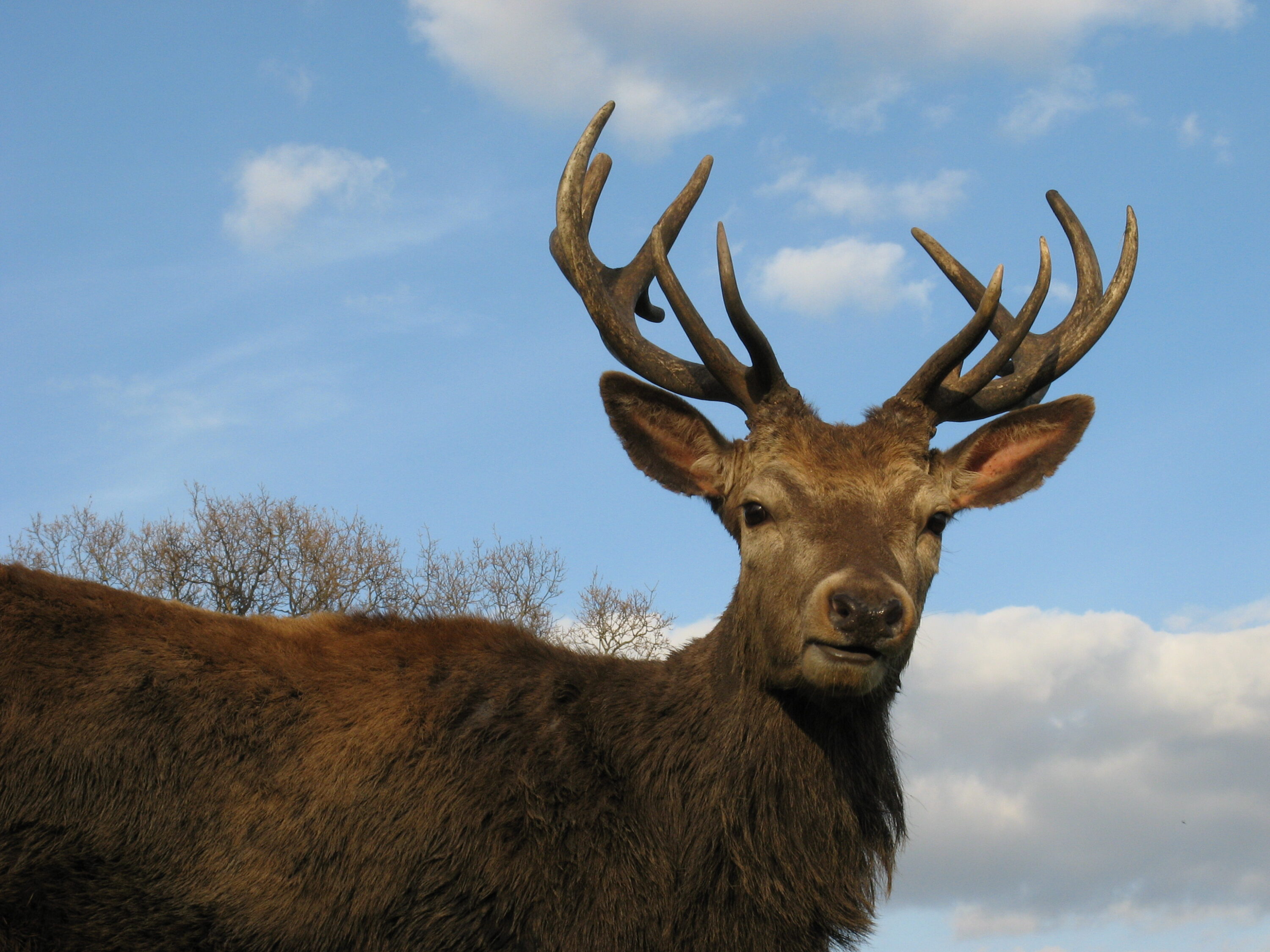
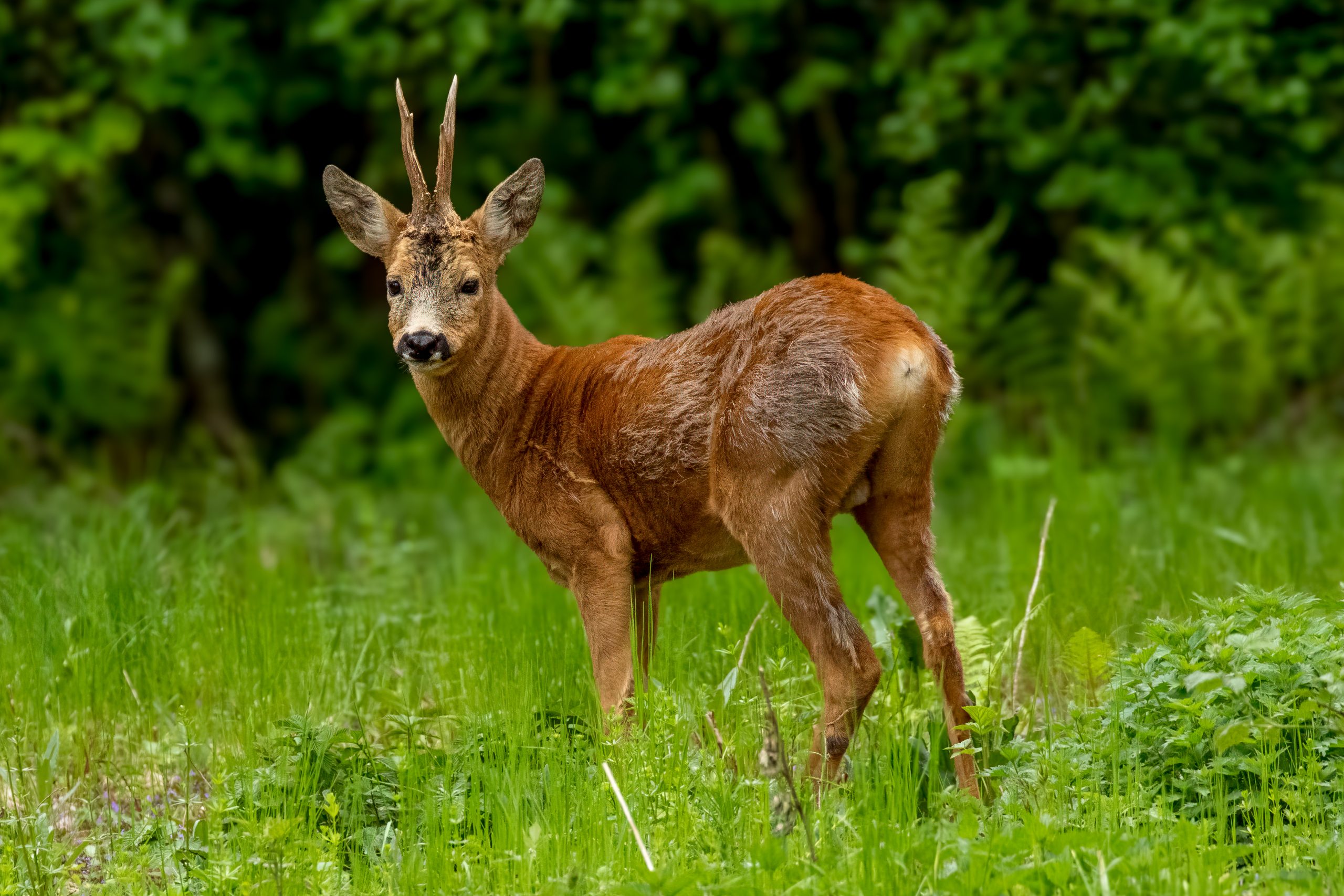
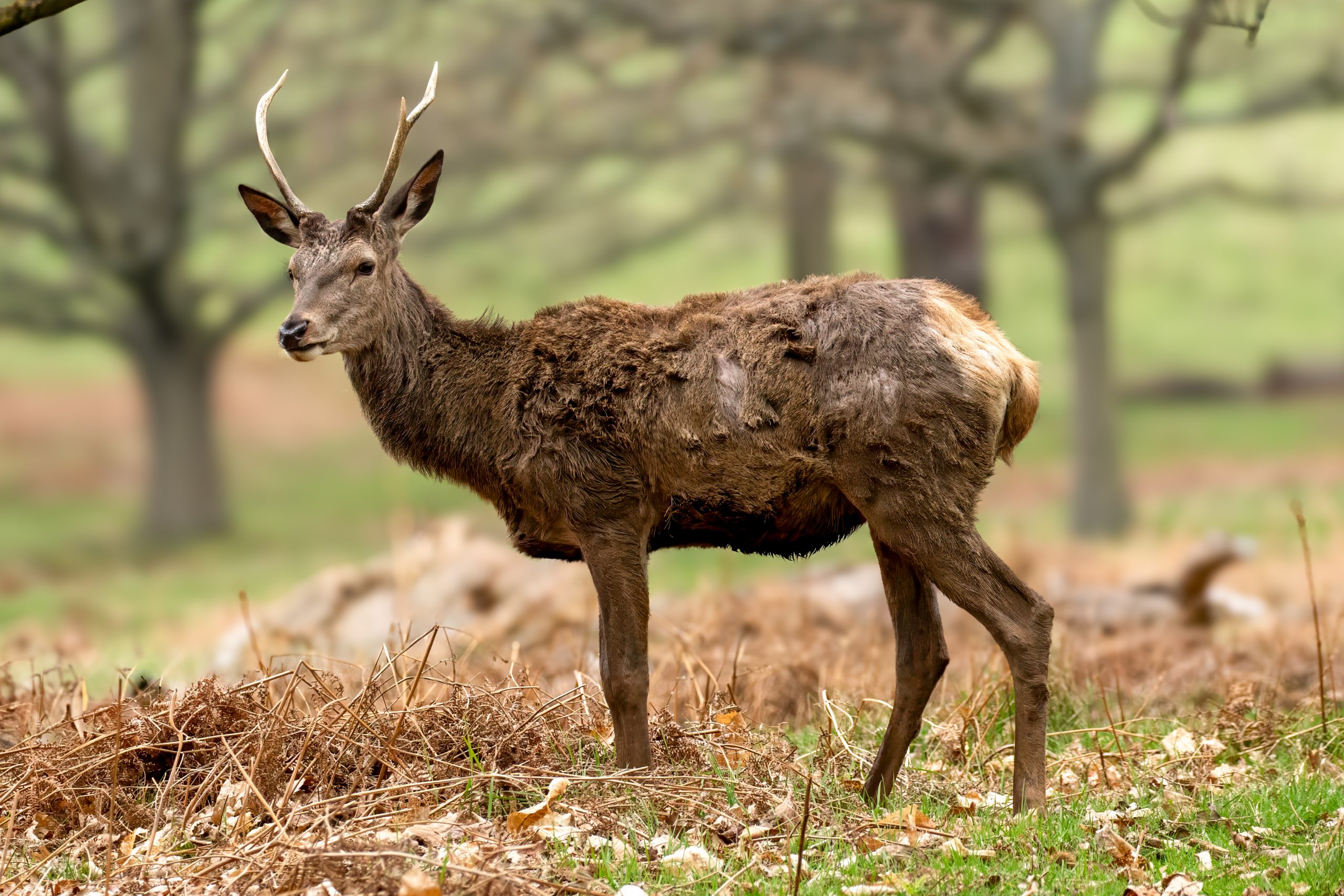
Blood samples from semi-free-ranging red deer (Cervus elaphus) and European roe deer (Capreolus capreolus) in a game reserve in eastern Slovakia showed generally low burdens of toxic elements and broadly similar biochemical profiles. The clearest species differences were higher cadmium and zinc in roe deer. Cadmium is a non-essential toxic element that can accumulate in the body, whereas zinc is an essential trace element required for normal metabolism, so a higher zinc concentration does not by itself indicate toxicity.
The study included 37 male red deer and eight male roe deer. Toxic and trace elements were measured in a subset of 15 red deer and all eight roe deer; the wider sample was used for blood biochemistry. Blood is mainly an indicator of relatively recent exposure to contaminants, whereas organs such as liver and kidney can better reflect longer-term accumulation. The animals had access to natural water and received hay during winter, and samples were taken from immobilised animals outside the breeding season.
Cadmium and zinc were higher in roe deer
Median cadmium concentration was 2.24 micrograms per litre in roe deer versus 0.20 in red deer, although the roe-deer values were highly variable and one reached 69.60 micrograms per litre. Zinc medians were 22.65 versus 13.4 micromoles per litre. The analysis did not support clear species differences in arsenic, chromium, copper, manganese or thallium, while mercury was mostly at or below the laboratory’s quantification limit—the lowest concentration the method could measure reliably. Manganese varied widely in both species.
The element differences did not translate into broad biochemical differences
The authors suggest that the zinc difference may reflect species-specific feeding behaviour and nutrient uptake rather than environmental exposure alone; they also note that previous studies have found stronger cadmium accumulation in roe deer. Despite the element differences, the analysis did not support clear species differences in the measured protein, liver-enzyme, metabolic, kidney or mineral indicators. Mild elevations in several enzyme measures were considered consistent with capture, handling and immobilisation stress rather than disease.
The authors conclude that the low overall toxic-element burden and comparable biochemical profiles are consistent with a relatively unpolluted study site. They caution that only eight roe deer were included and that the managed reserve, winter supplementary feeding and capture conditions limit how directly the results can be generalized to fully free-ranging populations. The study therefore provides a local baseline for using both species as environmental bioindicators rather than a broad estimate of exposure across Slovakia.
Threats
Related news
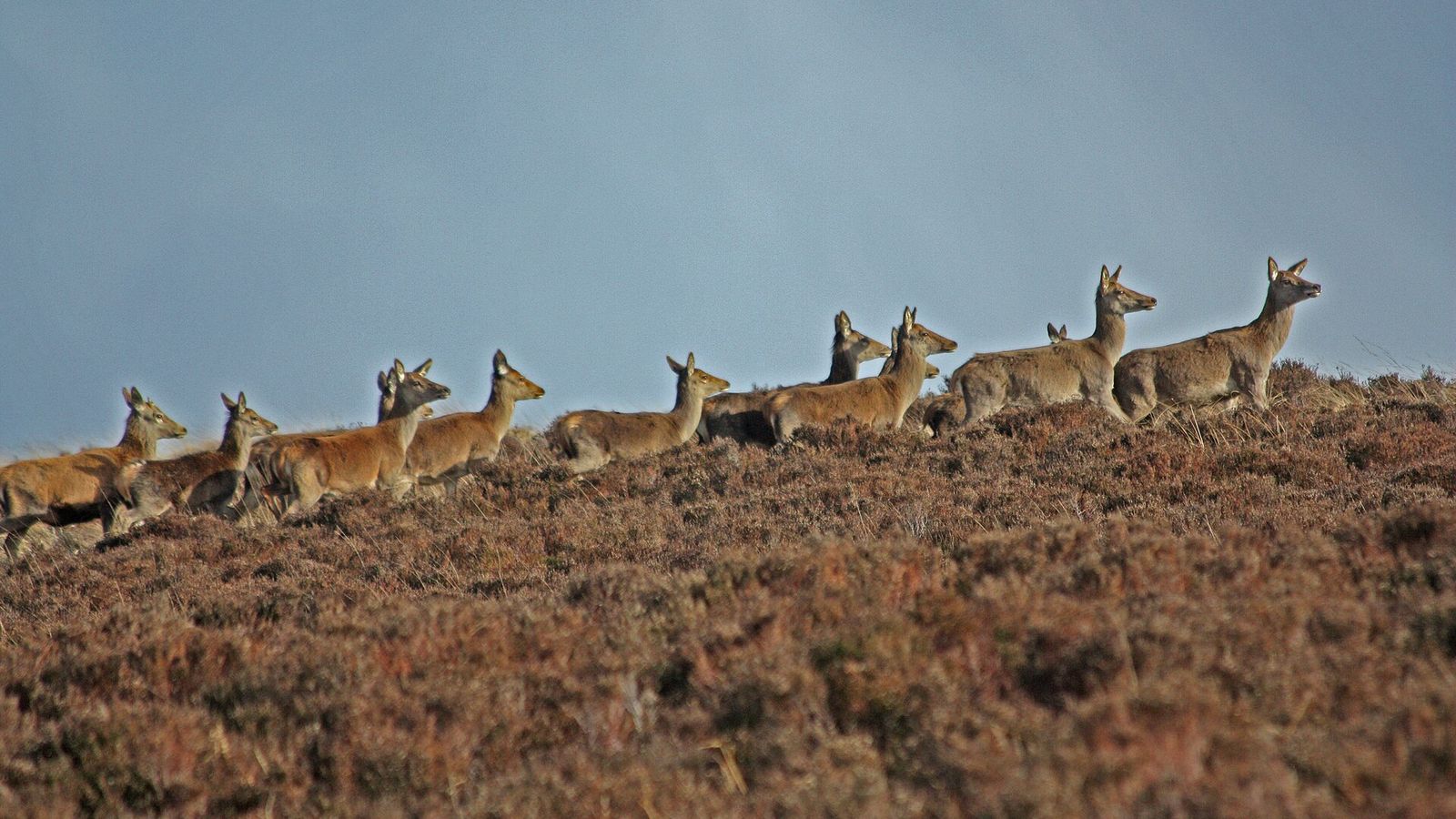
Estimated M. bovis Seroprevalence Was 26.6% in Exmoor Red Deer
A survey of 432 wild deer in the Exmoor area estimated Mycobacterium bovis seroprevalence at 26.6% in red…
Read story →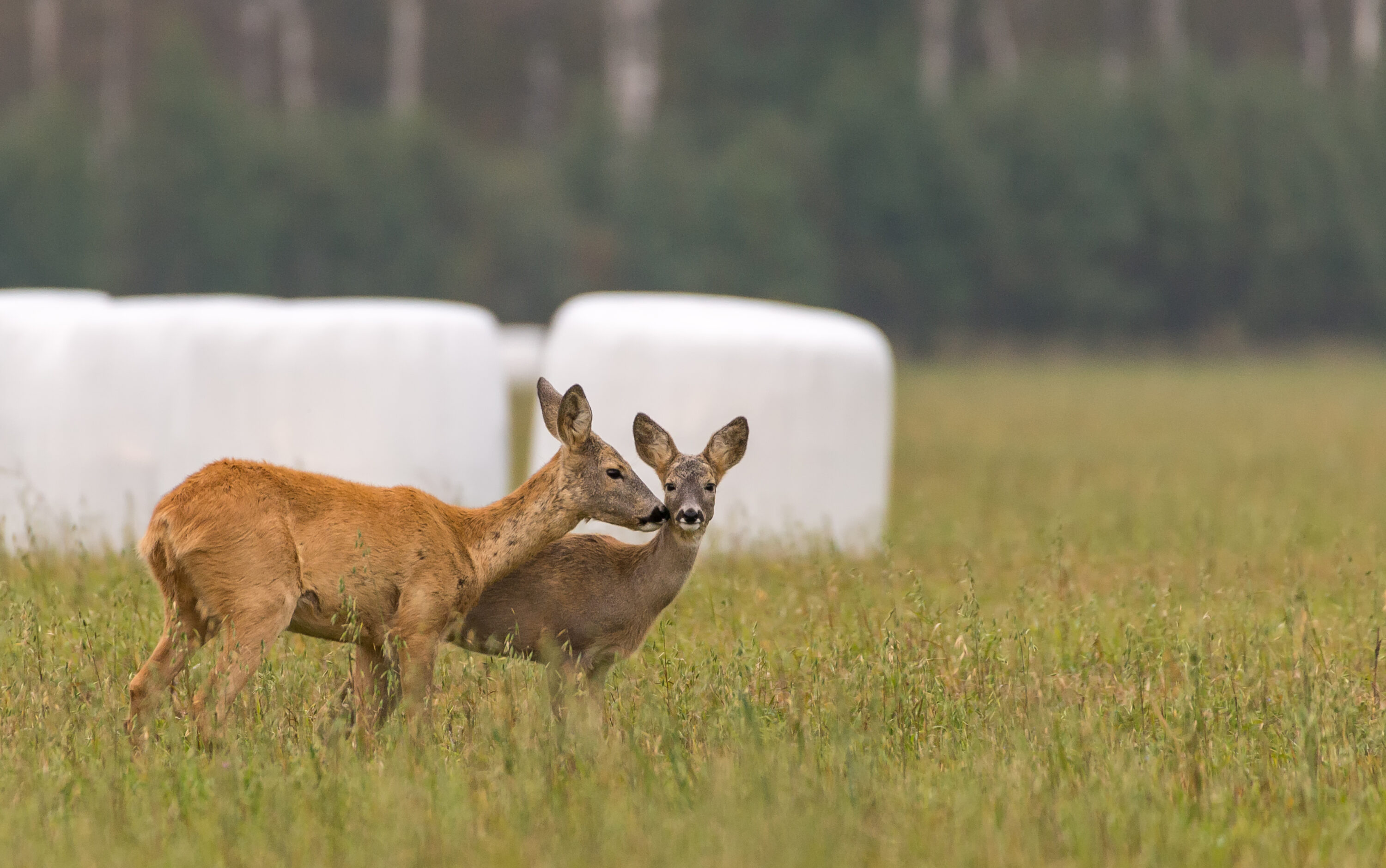
Metagenomics and Histology Gave Complementary Views of Parasites in Red Deer and European Roe Deer
In 106 wild cervids from Mecklenburg-Western Pomerania, Germany, faecal metagenomics revealed seasonal parasite dynamics in red deer while…
Read story →
Forest Disturbance Increased Modelled Habitat Suitability for Four European Herbivores
Tracking data from 3,069 animals showed that forest disturbance generally increased modelled relative habitat suitability for moose, red…
Read story →SPECIES IN THIS STORY
Species in this story
Independent research and conservation news archive
Did you find this information useful?
Wildlife Vagabond is independently built and maintained. Voluntary support helps cover source verification, hosting and continued work on research and conservation news.
Support Wildlife VagabondThe news archive will remain freely available.