
Scientists Reject Live-Decoy Method for Counting Wild Finches
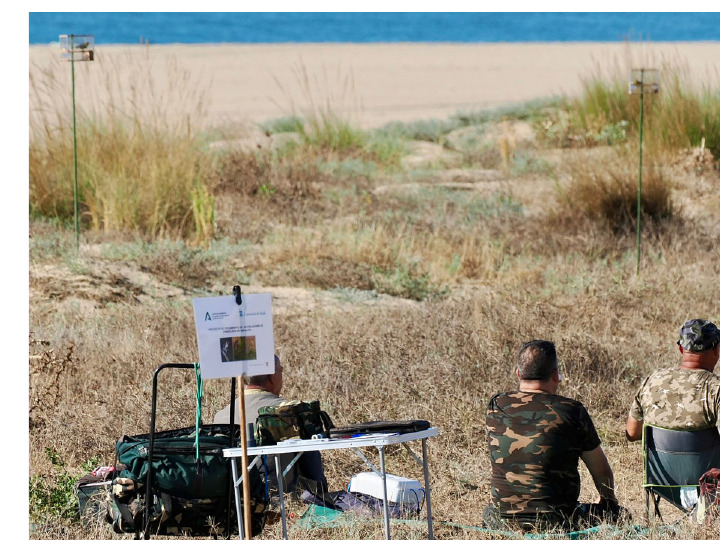
A proposed way of estimating wild finch populations with caged live birds has drawn a detailed scientific and ethical rebuttal. In a letter published online in Ecological Indicators on 27 February 2026, 33 researchers argue that the method cannot provide reliable population estimates and should not be used as a conservation-monitoring tool.
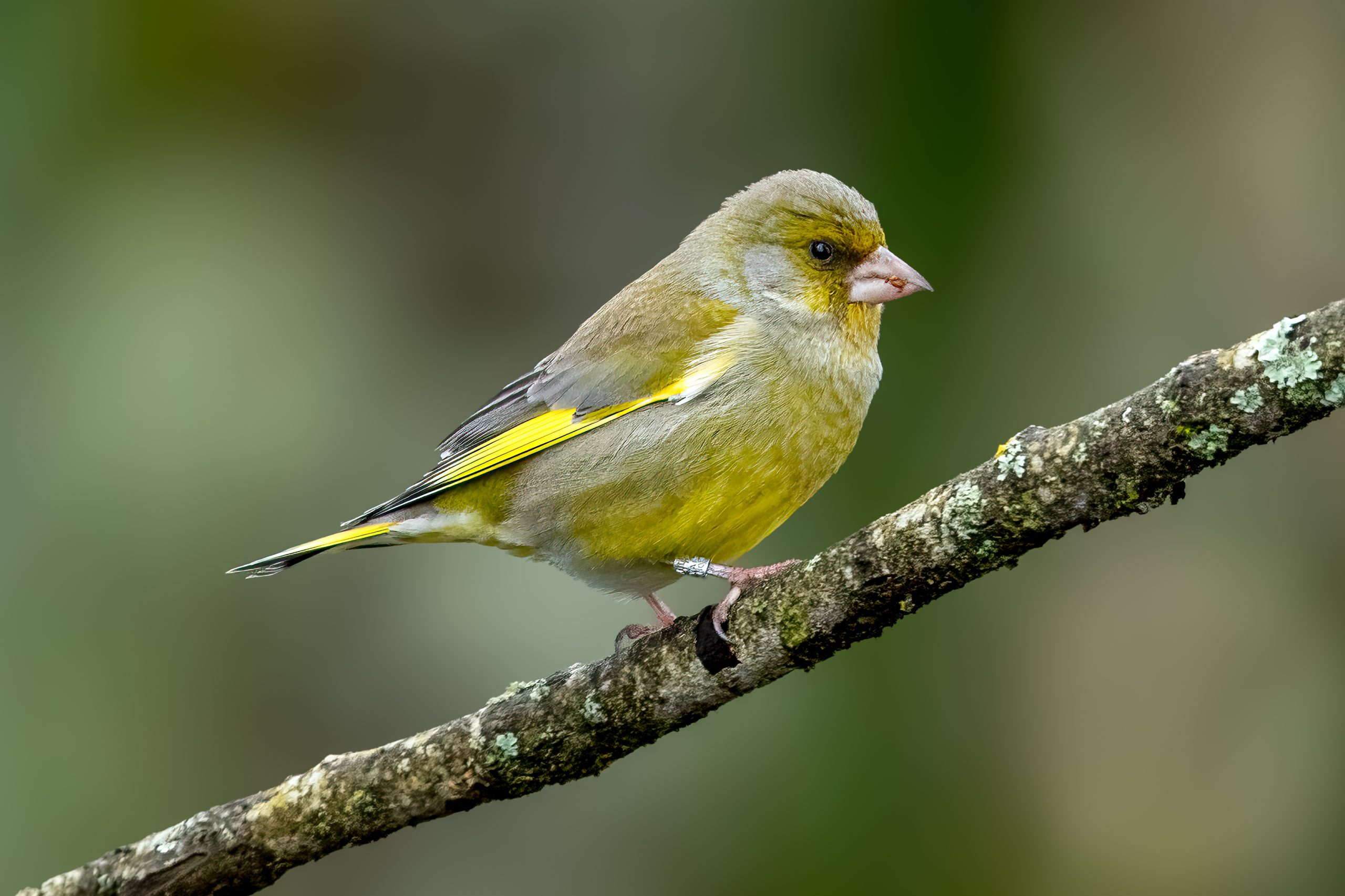
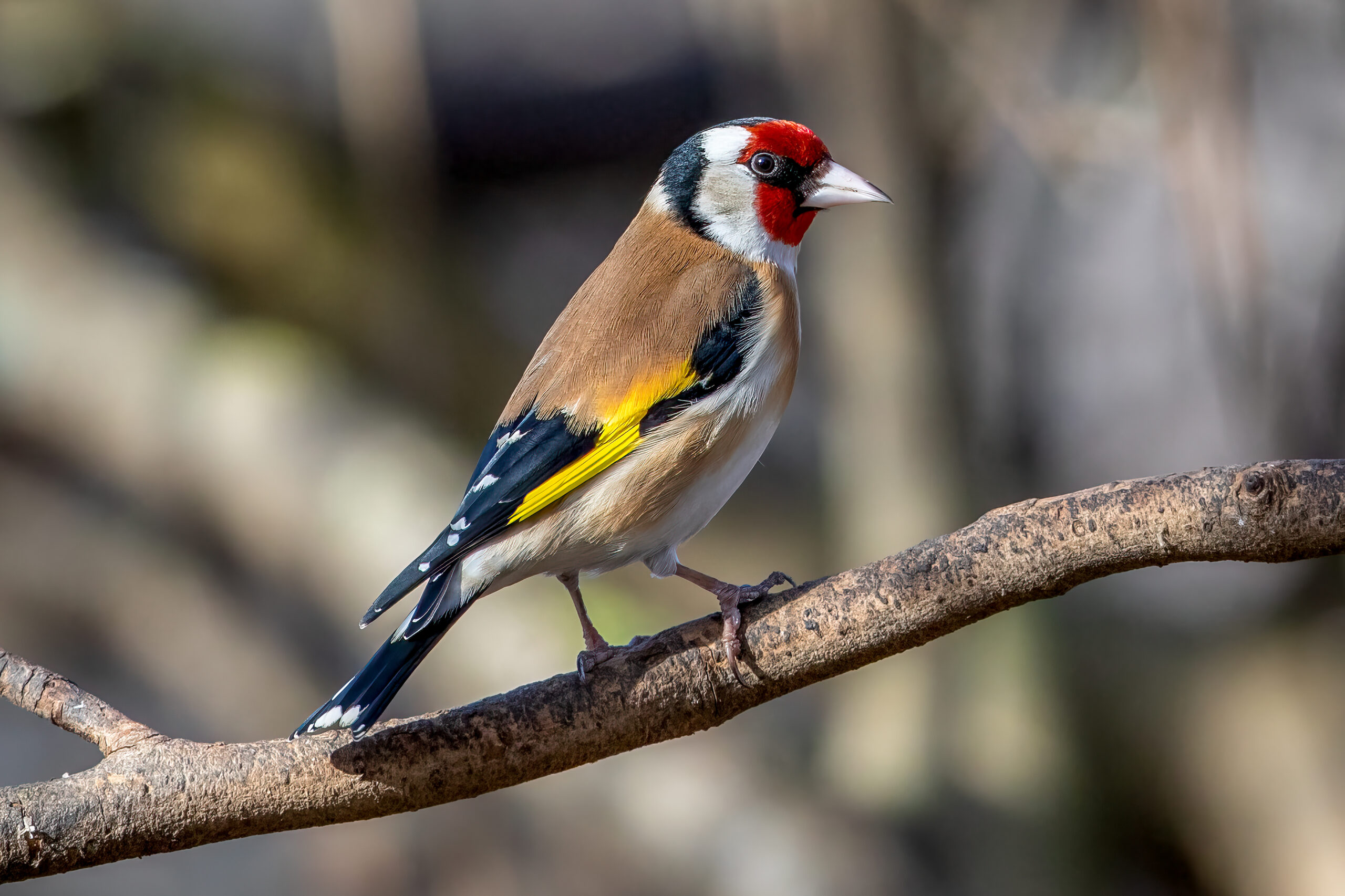
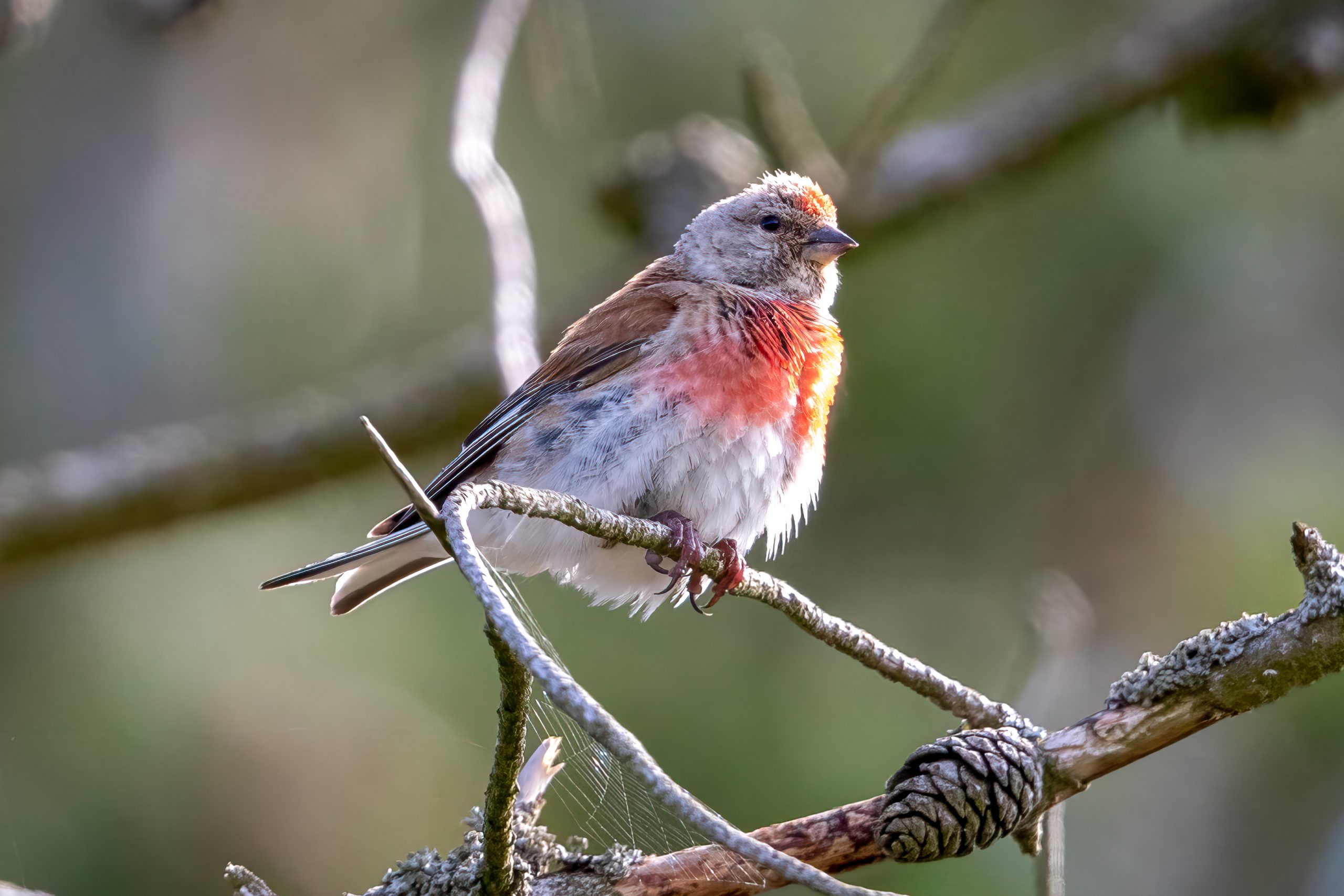
The disputed method was presented as an “attraction-point” census. According to the letter, the SEFRICAM project involved about 700 volunteers and more than 9,500 sampling points over five years in the Madrid region of Spain. Live European goldfinches (Carduelis carduelis), European greenfinches (Chloris chloris) and common linnets (Linaria cannabina) were kept individually in small cages as decoys whose calls and songs were used to attract free-living birds towards a clap-trap.
Why Attraction Is Not the Same as Abundance
The letter’s authors say the central problem is that the number of birds attracted to a decoy cannot simply be converted into the number living in the surrounding area. A free-living finch’s response may vary with sex, age, social rank, body condition, migratory status, personality and whether it is travelling alone or in a flock. The identity, behaviour and song of the caged decoy can also change the response.
These differences matter because an attraction count measures a flow of responding birds rather than population density. The signatories also question the assumed distance over which the decoys could be heard, and they say the method was not validated against an independent estimate of finch abundance. In their assessment, this leaves the resulting absolute population estimates unsupported.
The critique also addresses sampling design and statistical analysis. The authors say the study did not stratify its sampling across the Madrid region’s heterogeneous habitats, although the three finch species are not distributed uniformly. They also argue that seasonal coverage was uneven and that assuming a Gaussian distribution was inappropriate for clustered count data. Together, these issues could distort comparisons between places and seasons.
Live Birds Used as Survey Equipment
The disagreement is not only methodological. The letter describes the capture and confinement of wild finches for use as living lures, and says the original study did not report the ethical approval or permits required for this work. The signatories argue that the practice conflicts with the protective purpose of the European Union’s Birds Directive and risks giving scientific legitimacy to trapping traditions associated with keeping wild finches.
They contrast the attraction-point approach with Spain’s established SACRE and SACIN bird-monitoring programmes. Those schemes record around 100 species through standardised, non-invasive surveys. The criticised project, by comparison, required extensive effort and live decoys to target only three species.
The publication is a scientific commentary rather than a new field study and introduces no new dataset. Its contribution is a point-by-point assessment of the assumptions behind the proposed census method, which the authors conclude should not be adopted.
Threats
Related news
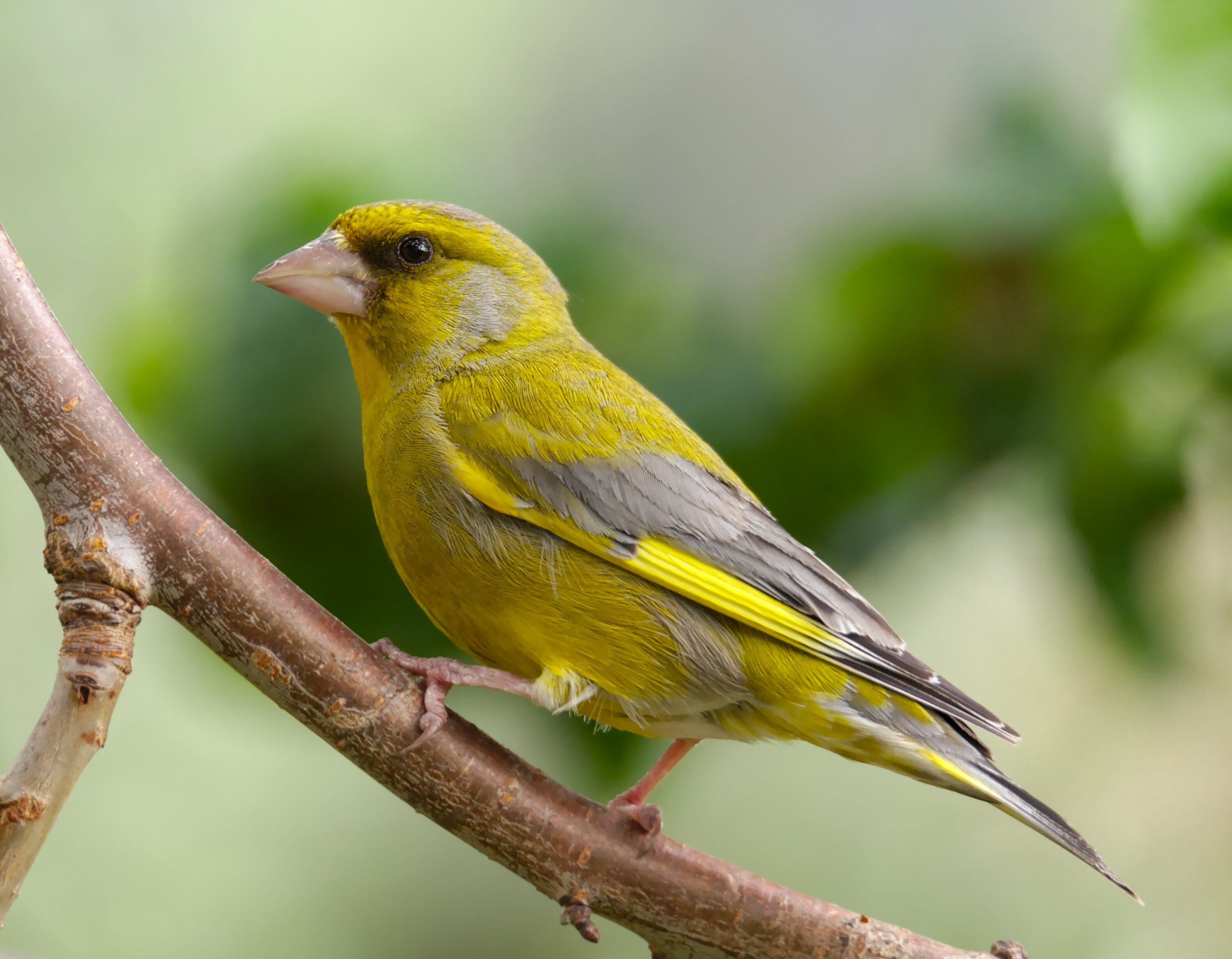
Feather Element Profiles Differed Between Farmland- and Forest-associated Songbirds
At one Polish winter feeding site, greenfinches and goldfinches showed wider variation in feather element profiles than two…
Read story →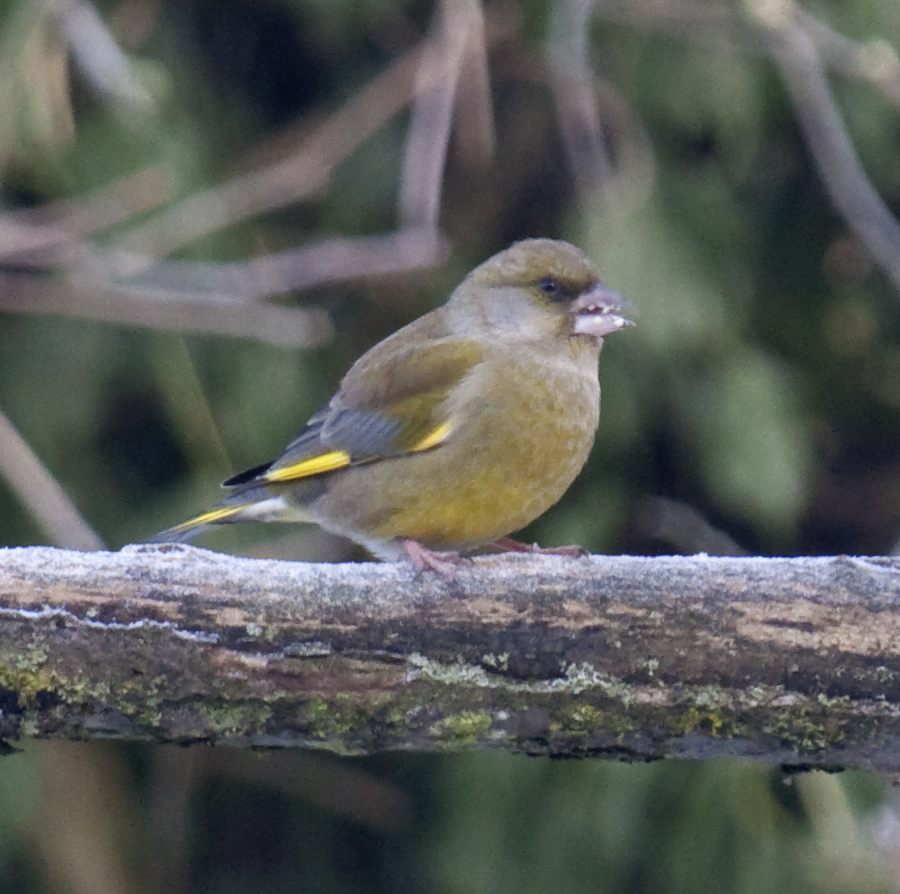
Type A Trichomonas Was More Than Twice as Prevalent in British Birds at Supplementary-fed Sites
Type A of the bird parasite Trichomonas gallinae was more than twice as prevalent in British birds at…
Read story →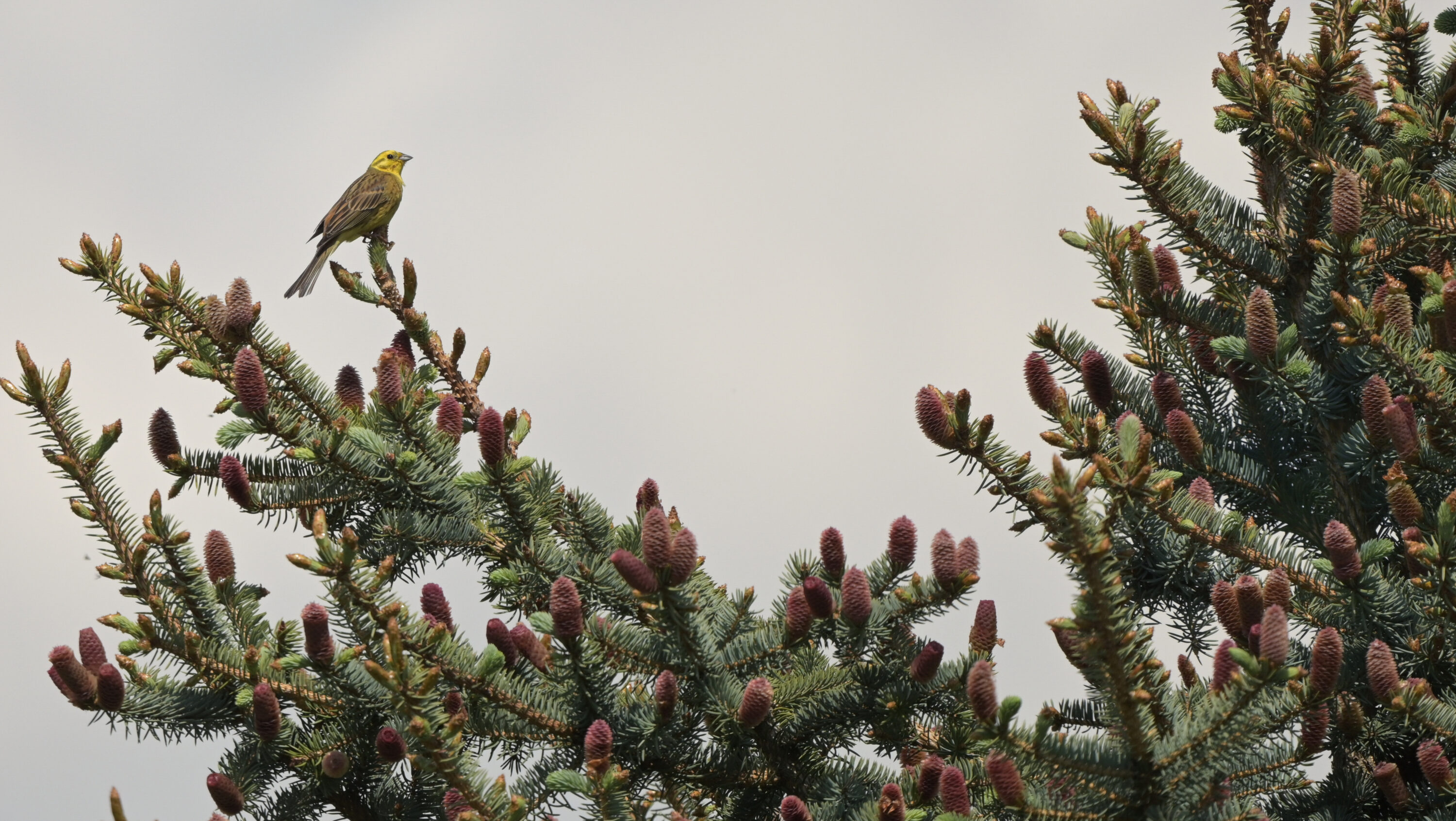
Diversified Crop Patches Had More Bird Observations Than Conventional Fields in Germany
A three-year study in Brandenburg recorded 20.0 bird observations per hectare in a diversified patch-cropping field, compared with…
Read story →SPECIES IN THIS STORY
Species in this story
Independent research and conservation news archive
Did you find this information useful?
Wildlife Vagabond is independently built and maintained. Voluntary support helps cover source verification, hosting and continued work on research and conservation news.
Support Wildlife VagabondThe news archive will remain freely available.