
Seasonal Microbiome Shifts Were Not Matched by Detectable Plant-Diet Changes in Groningen Pigeons
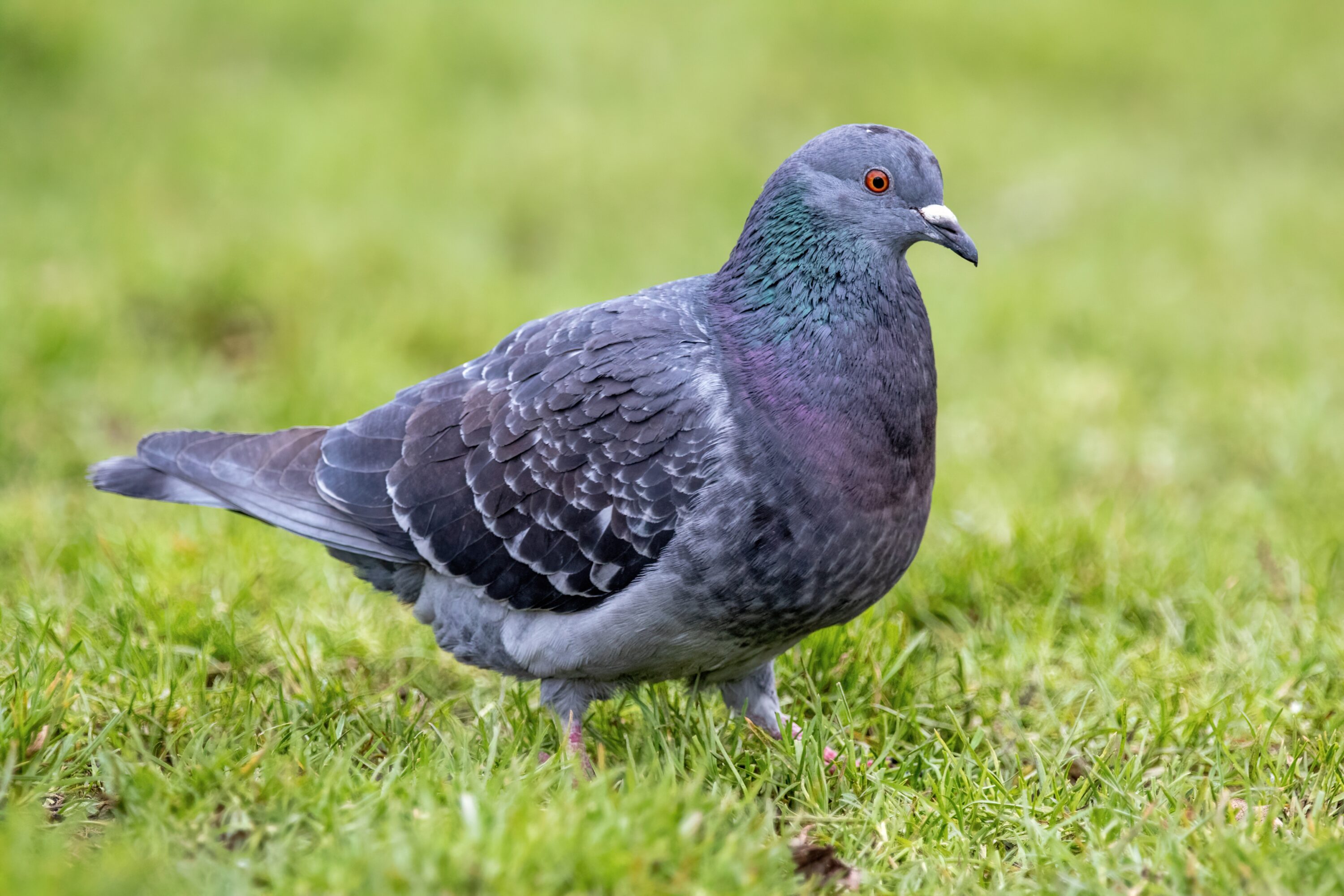
Free-living feral pigeons in Groningen, Netherlands showed seasonal changes in their cloacal bacterial communities even though researchers detected no broad seasonal shift in the plant component of the diet. The study compared pigeons sampled in winter and summer 2019 at three urban and suburban sites and found that temperature remained associated with microbiome composition after sampling location was taken into account.
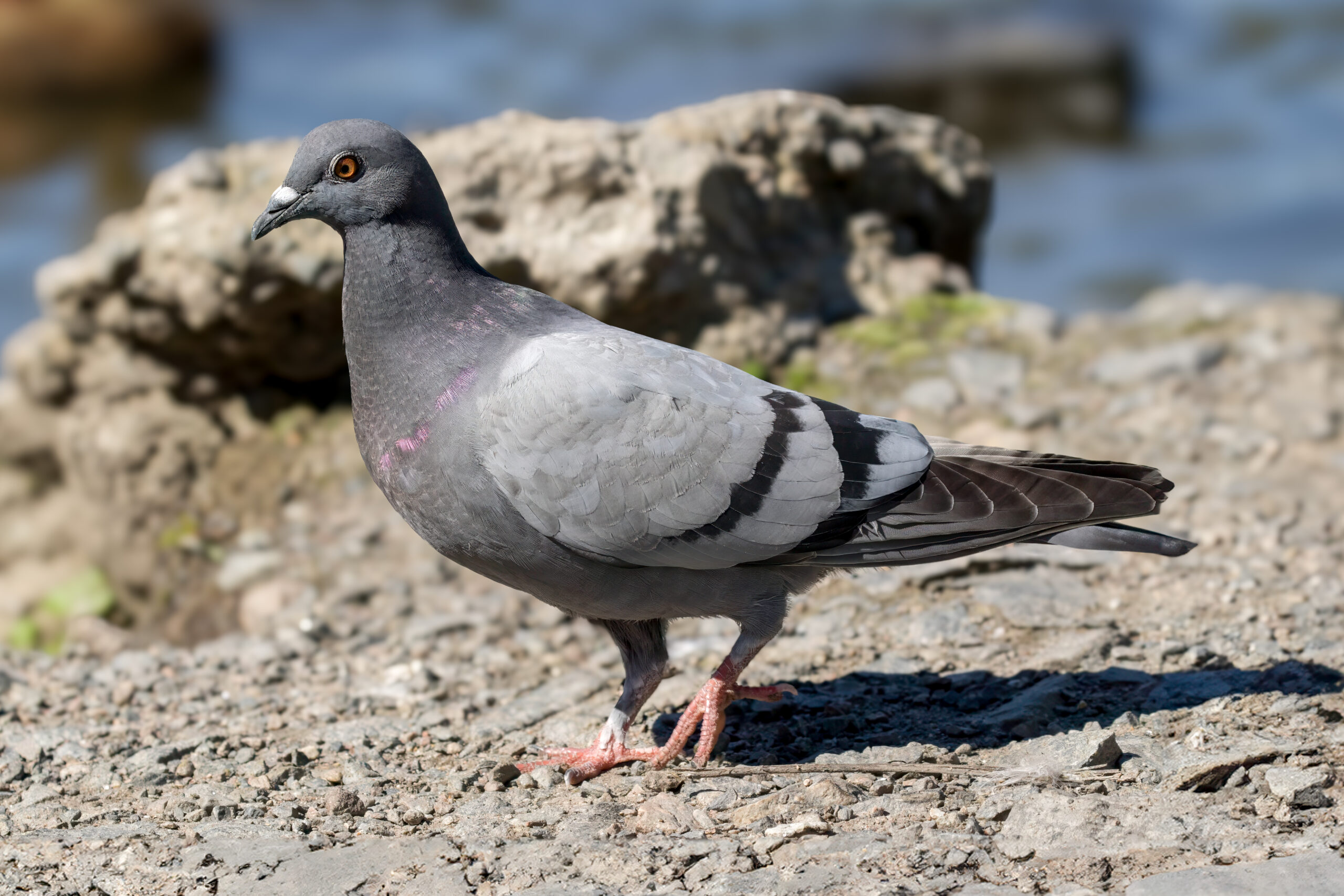
Feral pigeons are the domestic-derived form of the rock dove (Columba livia). The gut microbiome is the community of microorganisms associated with the digestive tract, where microbes can influence digestion, immunity and other aspects of host physiology. In this study, bacterial communities were sampled with cloacal swabs, while diet DNA was collected from faeces.
DNA methods measured bacteria and food in different ways
The researchers used 16S rRNA gene sequencing to characterise bacteria. This method reads a bacterial gene region that differs among lineages and can therefore show which bacterial variants are present and their relative representation in a sample. After quality filtering, the microbiome analyses were based on 63 pigeons: 30 sampled in winter and 33 in summer.
Diet was reconstructed with DNA metabarcoding, which amplifies short DNA markers from food remains in faeces and compares them with reference databases. The animal-food primers produced too few reliable target reads for quantitative comparison, so the downstream diet analyses focused on plants. The study therefore tested seasonal change in the measured plant diet, not every component of everything the pigeons ate.
Bacterial richness was generally lower in winter, but the pattern depended on location
Observed bacterial richness — the number of different bacterial sequence variants detected in a sample — was lower in winter overall. The seasonal effect was not identical at all three sites, however. At the city-centre Vismarkt site, richness was actually higher in winter than in summer, showing that the local environment modified the broader seasonal pattern.
Which bacteria were present also changed with season, and analyses that considered relative abundance likewise supported a seasonal difference. Actinobacteria made up a smaller proportion in summer than winter, whereas Lactobacillus and Enterococcus were less abundant in winter. There was also substantial variation among individual birds and among locations.
No broad seasonal shift was detected in the plant diet
The plant diet was dominated by grasses, legumes and members of the daisy family in both seasons. At the community level, the researchers did not detect a seasonal difference in which plant taxa were eaten, although some individual taxa — including wheat and meadow-grass — occurred more often in summer samples.
Direct comparisons likewise found no detectable relationship between the measured plant-diet composition and the cloacal microbiome. Temperature, location and sex were associated with bacterial community composition in the distance-based analysis, and the temperature association remained when location was controlled for. This is an association: the study did not experimentally change temperature and therefore does not show that temperature itself caused the microbial changes.
The diet method could miss nutritionally important differences
The authors caution that a stable list of plant taxa does not necessarily mean the birds ate nutritionally identical food in both seasons. Pigeons could eat different parts of the same plants — for example seeds rather than leaves or flowers — and those parts differ in carbohydrates, fats, protein, fibre and secondary compounds. The metabarcoding approach used here did not resolve those plant-part differences.
Validation tests also showed that strongly processed human foods such as bread and fries could be underestimated by the DNA method. Animal-derived diet reads were too sparse for quantitative analysis. The absence of a detected seasonal diet shift should therefore be read as an absence of a broad shift in the plant component that the method measured, not proof that the pigeons’ complete nutritional intake was identical.
Environmental seasonality remains a plausible contributor
The authors propose two non-exclusive routes by which seasonal conditions could affect the microbiome without a large detectable plant-diet shift. Environmental microbes from soil, air or water may enter the digestive system during feeding and drinking, while temperature and other seasonal conditions may alter host physiology in ways that favour different bacterial communities.
The study did not measure environmental microbial communities, immunity or other physiological mechanisms, so it cannot distinguish between these pathways. Cloacal swabs may also contain signals from the distal gut and urogenital tract rather than representing the entire intestinal microbiome. The results therefore show seasonal microbiome variation associated with environmental conditions, while leaving the biological mechanism unresolved.
Disease, parasites & microbiology
Related news
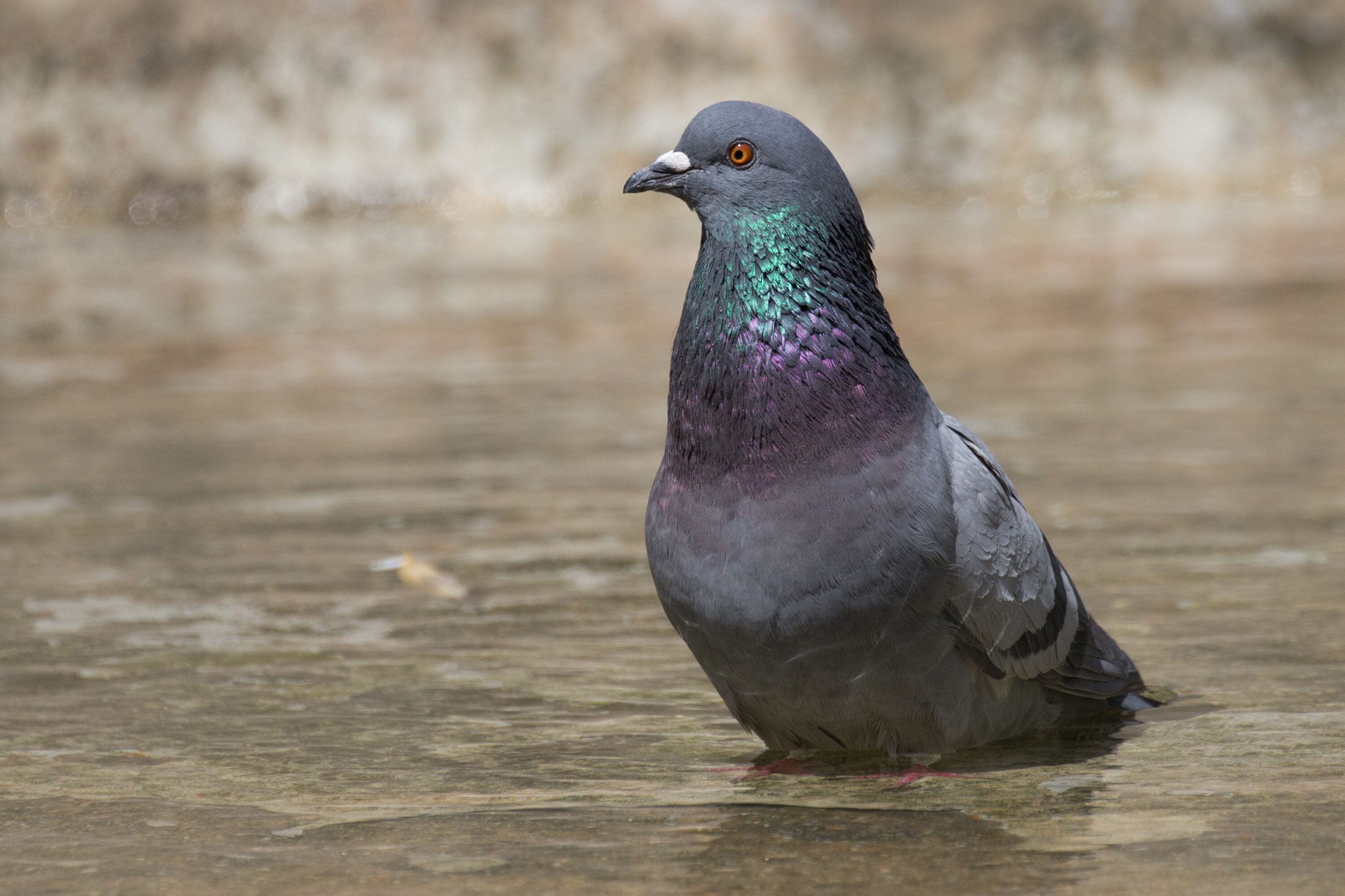
Rock Doves Preferred Predictive Information Despite a Lower Food Payoff
Seven rock doves preferred an informative option that paid on 20% of trials over a non-informative option that…
Read story →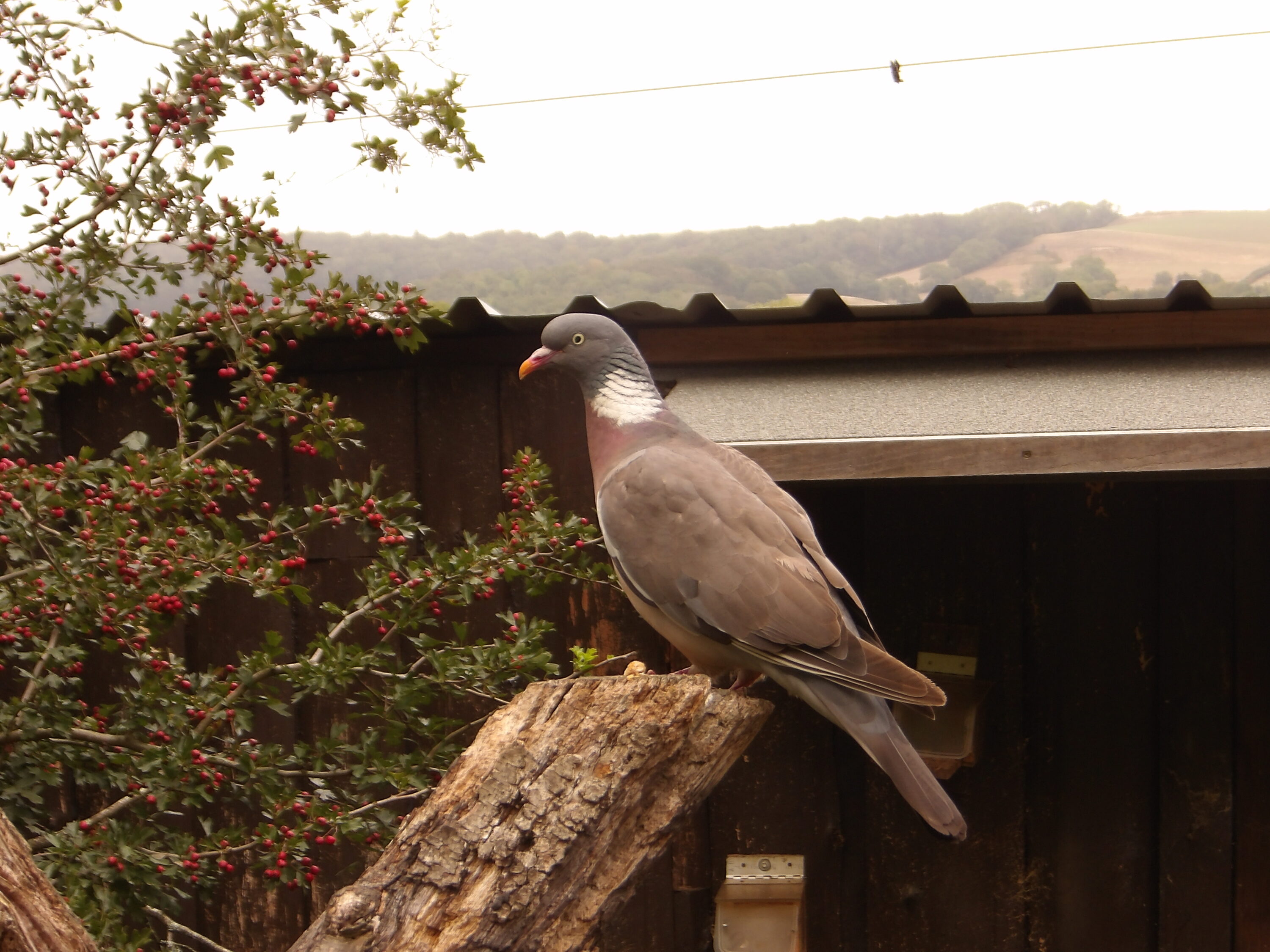
Rotavirus A Antibodies Were Common in Feral Pigeon Samples but Rare in Wood-Pigeon Samples in Germany
A German study detected rotavirus A-reactive antibodies in 79.2% of free-ranging feral pigeons and 77.0% of domestic pigeons,…
Read story →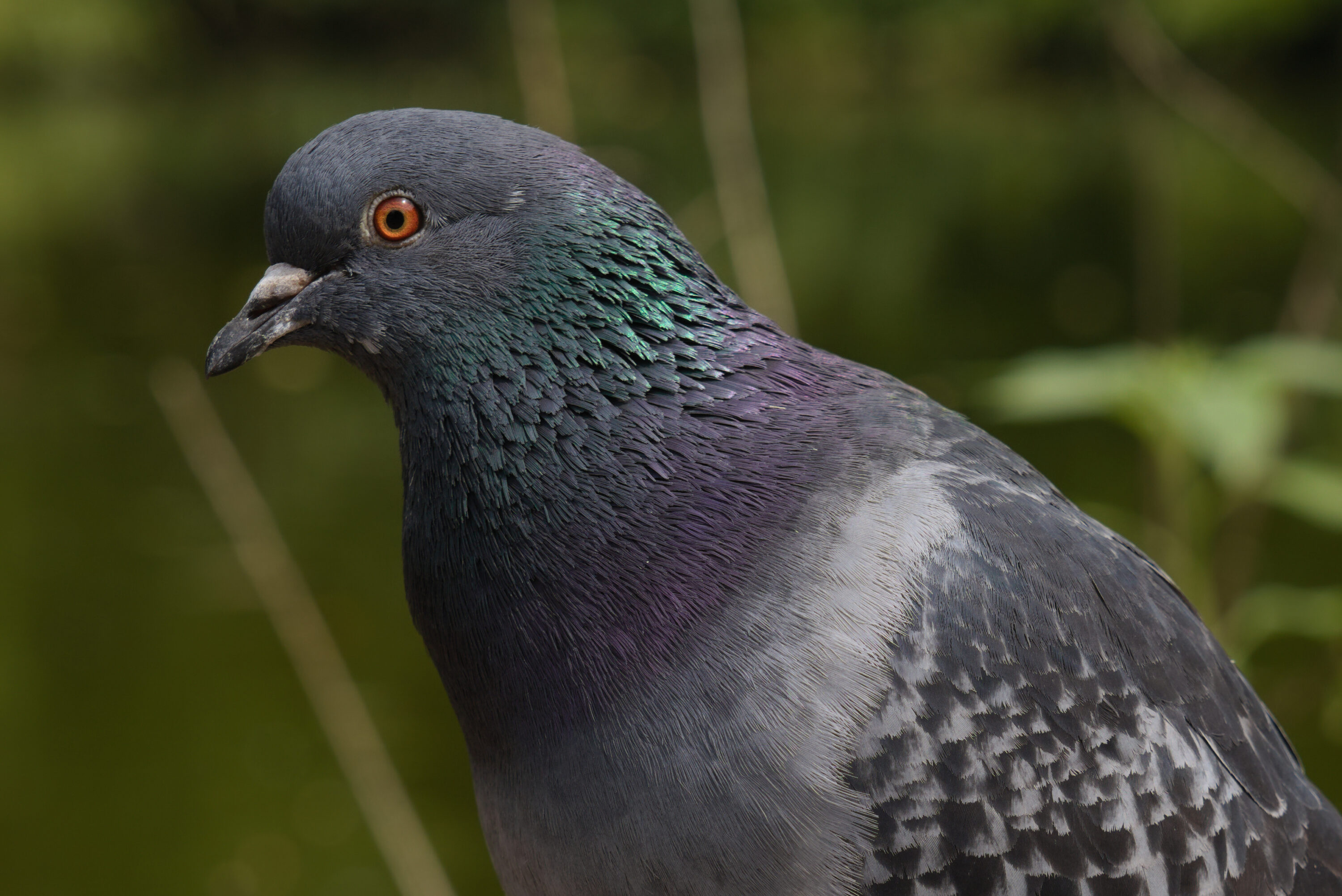
New Shiqi Pigeon Genome Placed 97.8% of Its Sequence on 41 Chromosomes
A chromosome-level genome from a female Shiqi pigeon in Zhongshan, China spans about 1.24 billion DNA bases, places…
Read story →SPECIES IN THIS STORY
Species in this story
Independent research and conservation news archive
Did you find this information useful?
Wildlife Vagabond is independently built and maintained. Voluntary support helps cover source verification, hosting and continued work on research and conservation news.
Support Wildlife VagabondThe news archive will remain freely available.