
Acoustic Recordings Detected Spotted Thick-knees Missed by Simultaneous Visual Counts
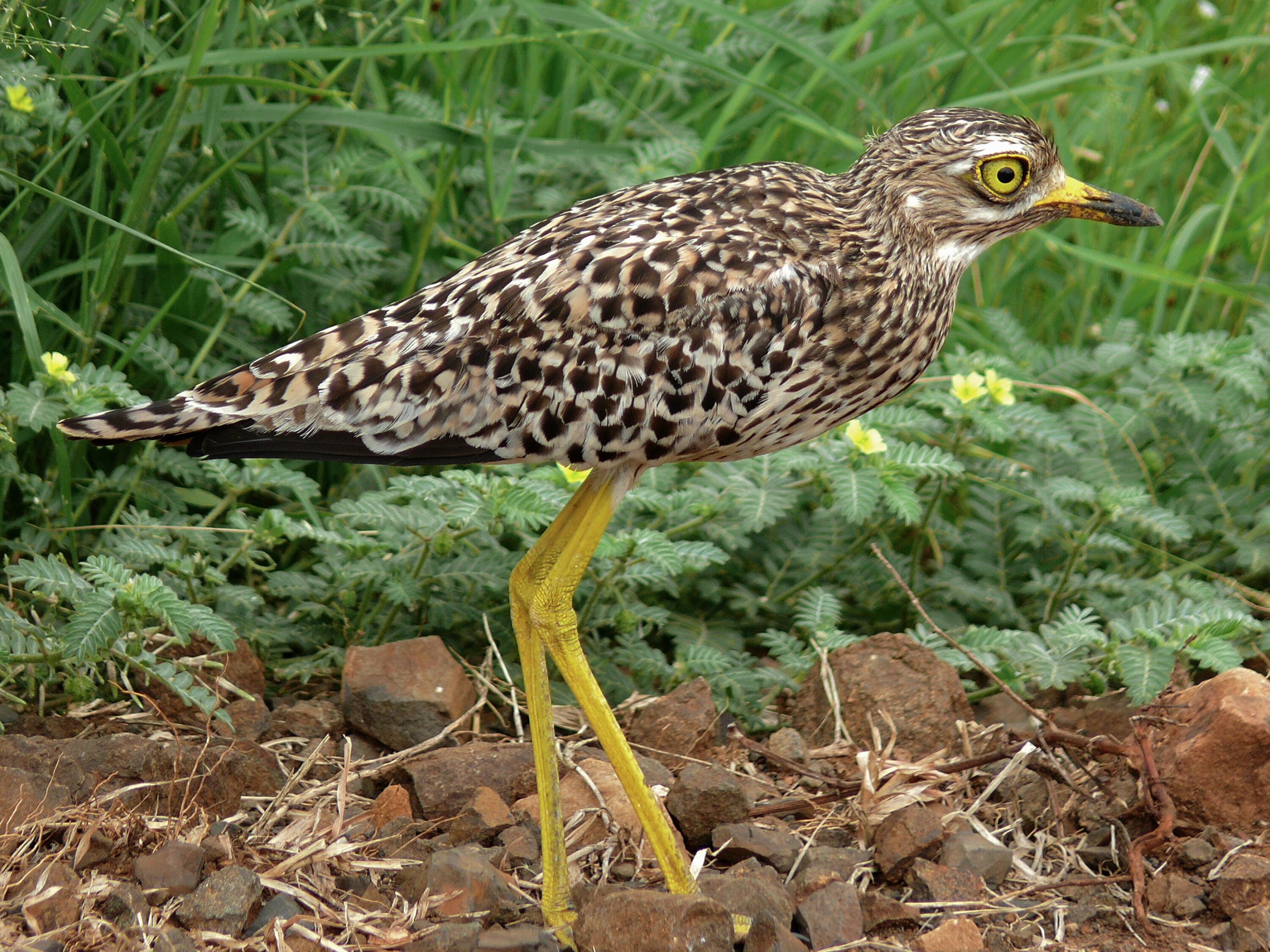
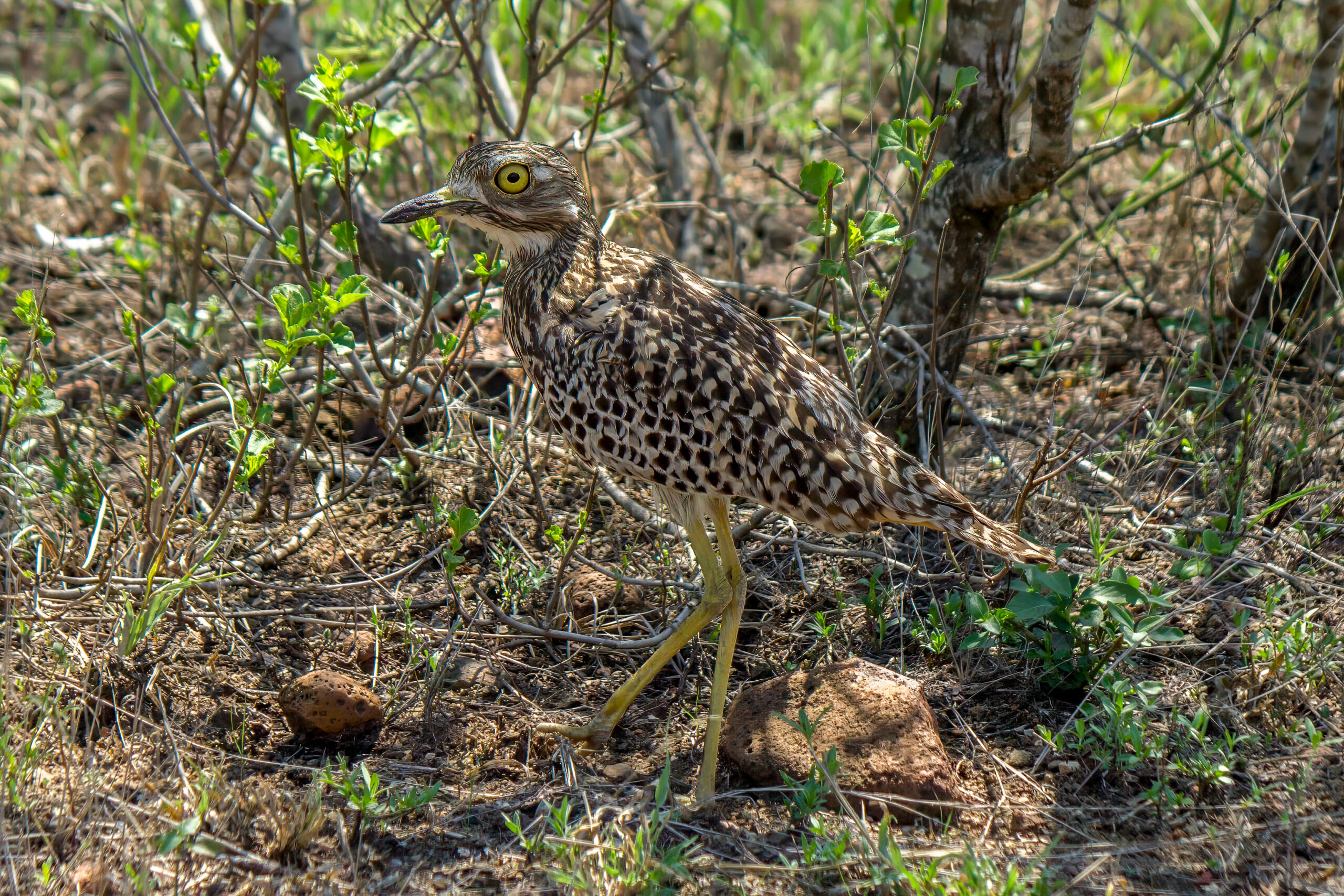
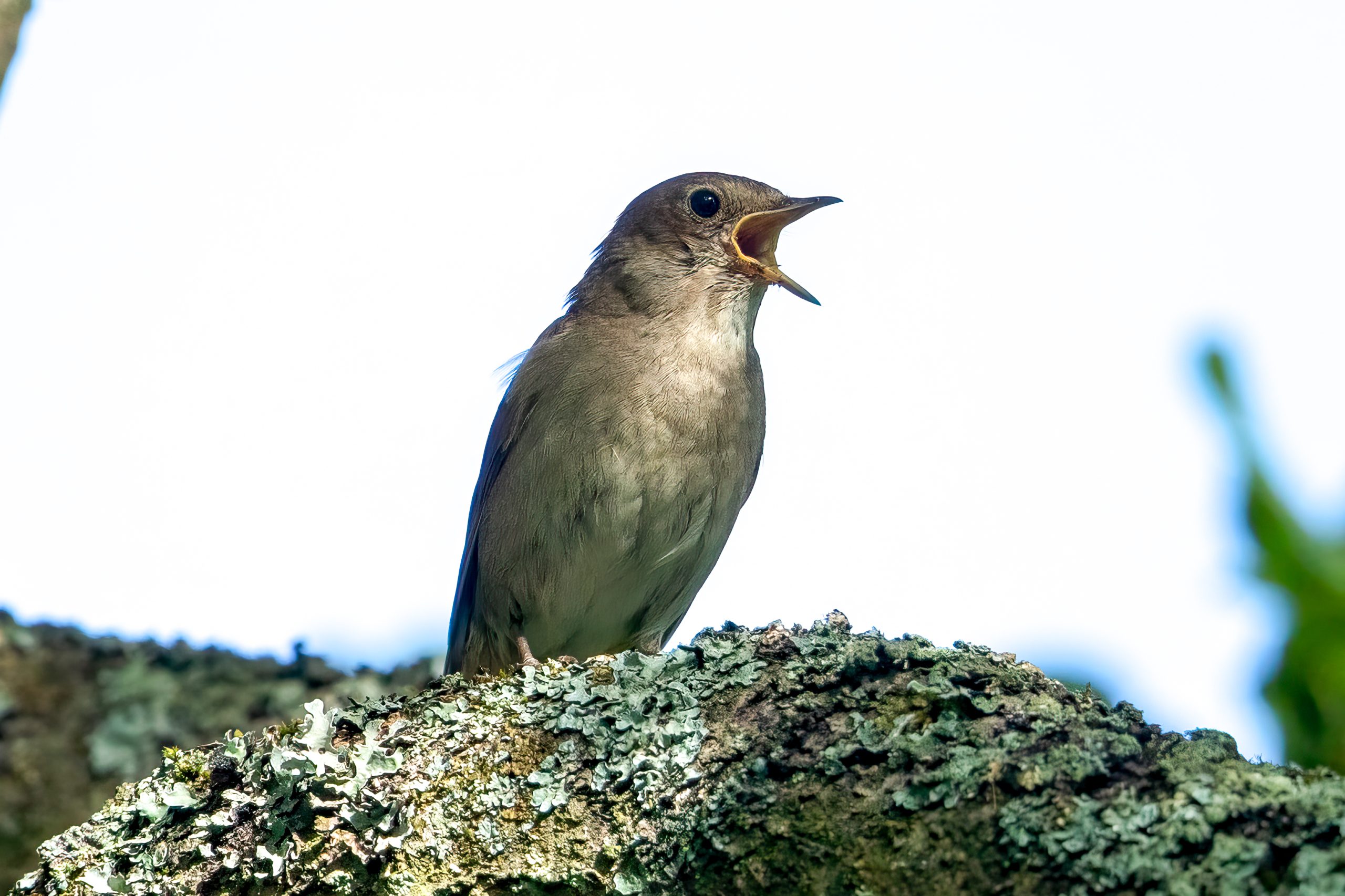
Simultaneous acoustic recordings detected substantially more bird species than visual point counts around Lake Tana in northwestern Ethiopia. Across four habitats, the observer recorded 31 species during ten-minute field counts, while later analysis of the sound recordings identified 47. Spotted thick-knee (Burhinus capensis) and thrush nightingale (Luscinia luscinia) were detected only acoustically.
The study compared an island, grazing land, cultivated land and an urban site in Bahir Dar from June 2019 to May 2021. At each fixed sampling point, an observer spent ten minutes recording birds seen or heard while the same period was captured with a sound recorder and directional microphone. A point count is therefore a standardised survey from one fixed location, not a transect in which the observer moves through the habitat.
Recordings detected 47 species compared with 31 in point counts
The difference was especially large at the grazing site, where the visual survey found 13 species and the recordings identified 24. The acoustic material also detected the rarely seen white-winged flufftail (Sarothrura ayresi). Some calls could be identified from distances of up to about 200 metres.
For nocturnal or inconspicuous species, sound can remain detectable when the bird itself is difficult to see. Spotted thick-knee illustrates this advantage particularly well because it is primarily active at night. The study therefore shows that analysing recordings can recover species that a simultaneous visual survey misses, even when both methods cover the same ten-minute period.
Vocal activity varied among habitats and seasons
The researchers did more than record presence or absence. They also measured when and where vocalisations occurred and analysed their acoustic structure. The relatively undisturbed, forested island had the highest number of recorded vocalisations, and vocal activity peaked in spring.
Some species vocalised across all four habitats, including Egyptian goose (Alopochen aegyptiaca) and greater blue-eared starling (Lamprotornis chalybaeus). Others were more seasonally restricted in the recordings. These differences show why repeated acoustic sampling across both habitats and seasons can reveal patterns that a single survey period would miss.
Bird calls also differed strongly in frequency
Vocalisation frequencies differed among species. Spur-winged lapwing (Vanellus spinosus) had the highest measured maximum frequency at about 16.2 kHz, while speckled pigeon (Columba guinea) produced the lowest measured minimum frequencies, around 30 Hz.
Egyptian geese and greater blue-eared starlings reached some of their highest measured frequencies at urban or cultivated sites. The authors discuss this as potentially consistent with birds shifting calls in response to human-generated noise, but the study did not directly measure noise as the cause. Habitat, behaviour and other factors can also affect call structure.
The main practical result is therefore broader than one species: acoustic recordings increased species detection while preserving information about the timing, habitat and acoustic characteristics of bird vocalisations. The authors propose long-term recording around Lake Tana as a complement to visual surveys, particularly for nocturnal, cryptic and rarely observed birds.
Other research
Related news
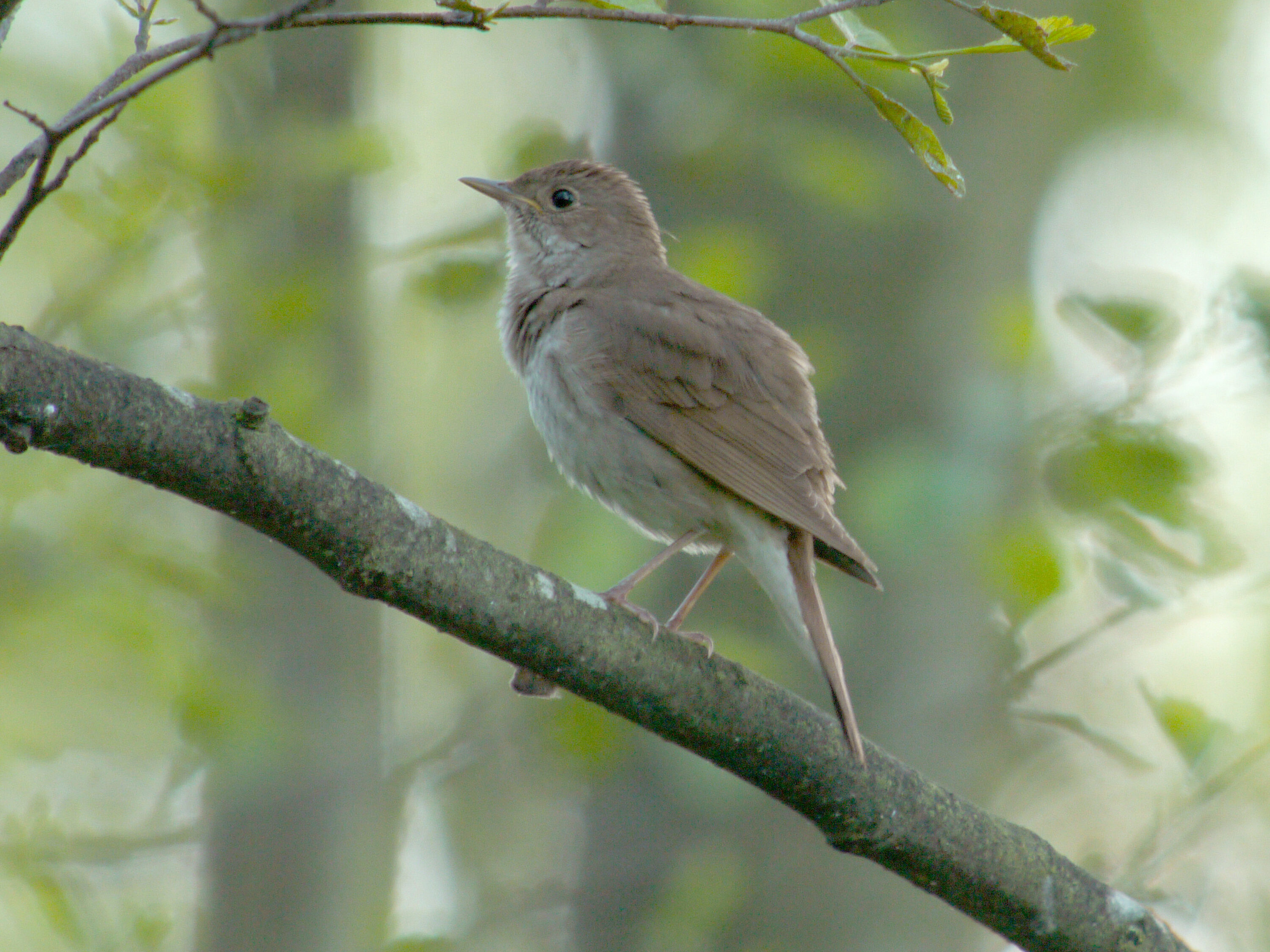
Simulated Pre-Saharan Magnetic Conditions Did Not Produce Sustained Extra Mass Gain in Thrush Nightingales
A 2026 replication found that juvenile thrush nightingales exposed to a magnetic simulation ending in northern Egypt did…
Read story →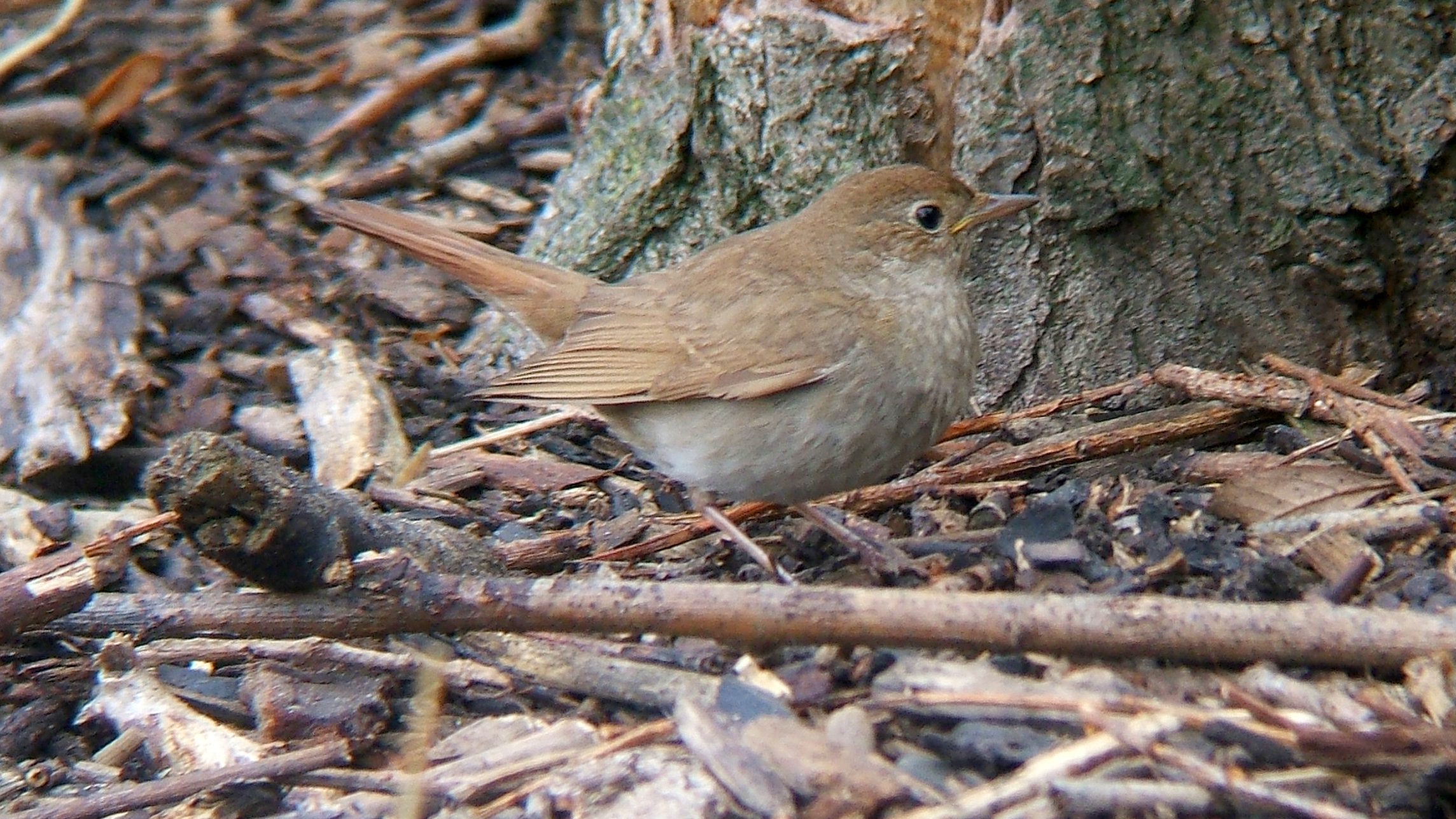
Thrush Nightingales Crossed Deserts by Flying at Night and Remaining Almost Inactive by Day
Multisensor loggers showed that thrush nightingales crossed the Sahara and Arabian Desert through consecutive nocturnal flights, with daytime…
Read story →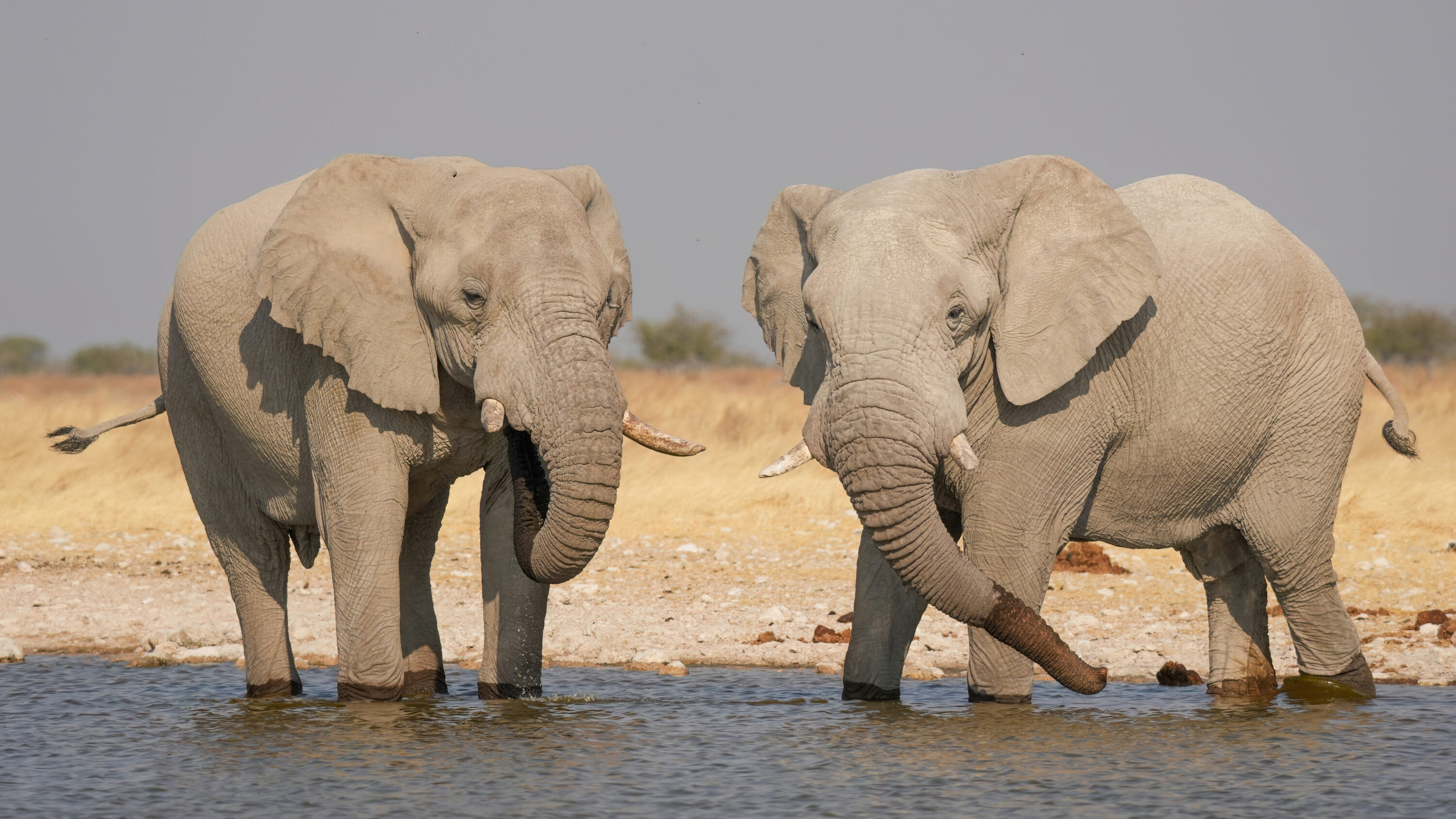
Three Ways of Analysing Elephant Calls Gave Different Results
Recordings from a semi-free herd in South Africa show how the method used to classify call timing can…
Read story →SPECIES IN THIS STORY
Species in this story
Independent research and conservation news archive
Did you find this information useful?
Wildlife Vagabond is independently built and maintained. Voluntary support helps cover source verification, hosting and continued work on research and conservation news.
Support Wildlife VagabondThe news archive will remain freely available.