
Microscopy Study Described the Respiratory System of Adult Spur-winged Geese
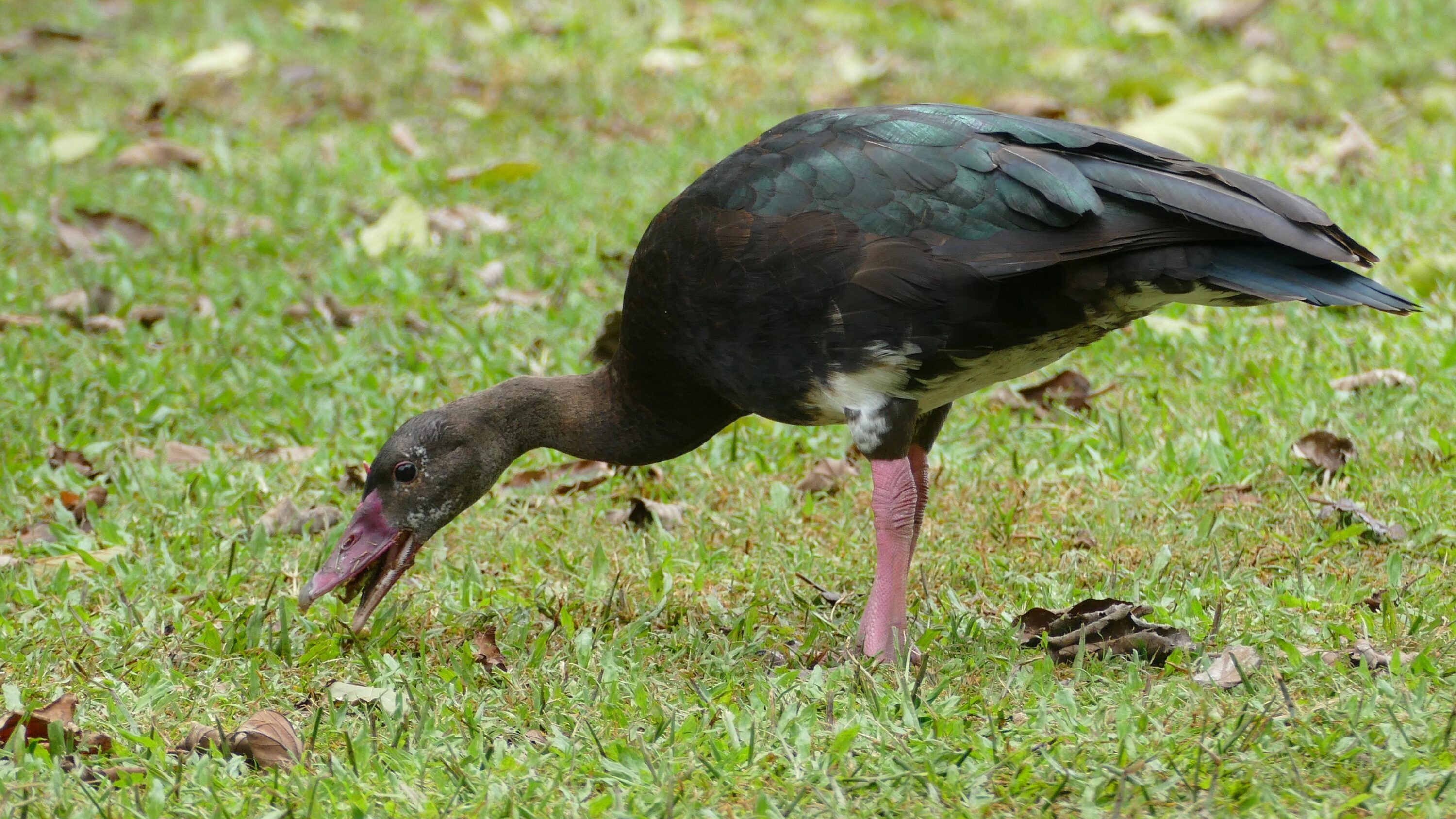
A Nigerian microscopic study of the respiratory system in spur-winged geese (Plectropterus gambensis) has described tissues from the nasal cavity and larynx through the trachea, bronchi and lungs. The article was published on 28 March 2026 in the Journal of Veterinary Anatomy.
Researchers examined ten apparently healthy adult birds, five males and five females. Tissue samples from the respiratory tract were processed for light microscopy, and histochemical staining was used to characterise mucus-producing glands in several regions.
Mucus-producing structures changed along the upper airways
The front part of the nasal cavity had a modified vestibular epithelium, while the broader region farther back contained nasal conchae lined by both respiratory and olfactory epithelium. The researchers also recorded several types of mucus-producing glands in the nasal lining. In their discussion, the authors note that mucus together with ciliated epithelium forms a mucociliary layer that helps trap and remove foreign material from the airways.
The front of the laryngeal mound was covered by non-keratinised stratified squamous epithelium. Beneath the surface were lymphoid cells, connective tissue and mucus glands ranging from simple acinar to branched tubular forms.
The trachea was lined by pseudostratified ciliated columnar epithelium with goblet cells. Numerous mucus glands occurred in its lining, and the authors report that these became particularly abundant toward the syrinx. Histochemical staining showed weakly sulfated mucus substances and sialomucins in several gland regions, different acidic components of the protective mucus layer.
The lungs showed the branching airway network typical of birds
Farther into the respiratory system, the extrapulmonary primary bronchi had a lower ciliated epithelium with fewer goblet cells and mucus glands. The lungs contained the branching airway network characteristic of birds, together with pulmonary blood vessels, numerous air capillaries, clusters of lymphoid cells and macrophages.
The authors describe the work as a species-specific anatomical baseline for the respiratory tract of the spur-winged goose. They note that the findings add comparative information on structures involved in respiration, flight, thermoregulation and vocalisation in waterfowl.
Anatomy & morphology
Related news
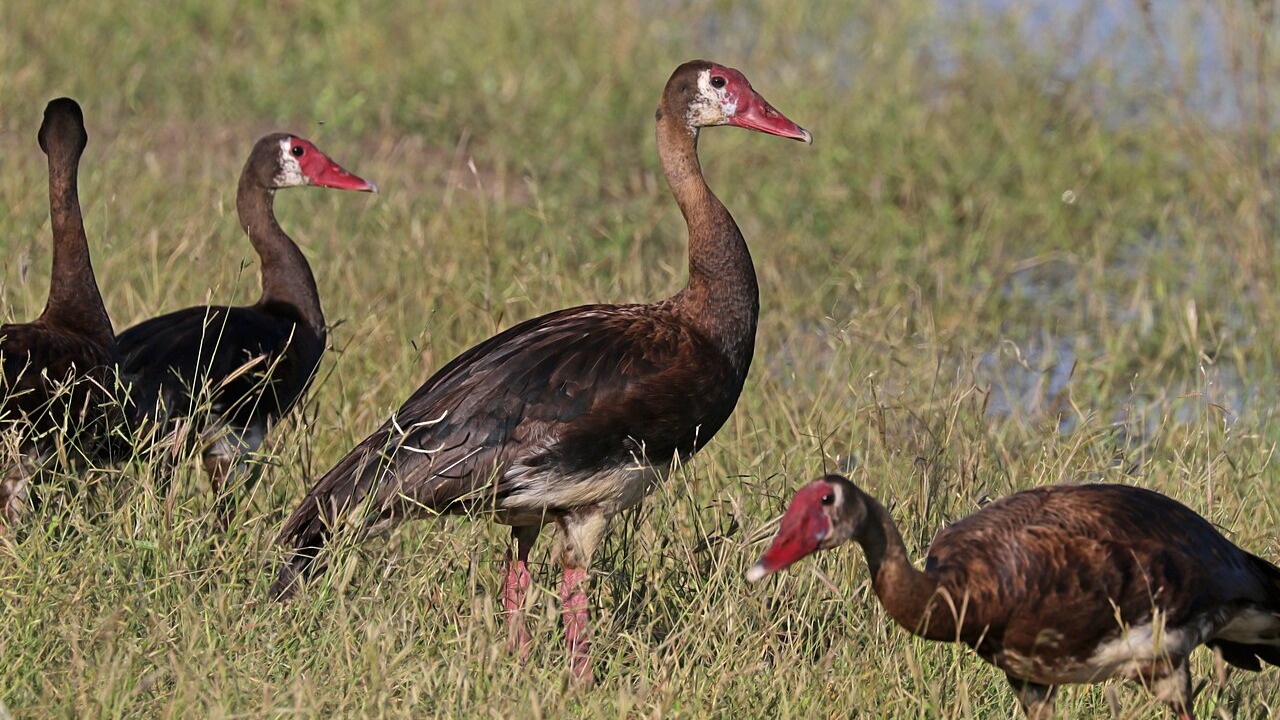
Anatomical Study Documented Feeding Structures and Sex Differences in the Spur-winged Goose Digestive Tract
A 2026 study of ten adult spur-winged geese from Jere, Borno State, Nigeria, described the beak, tongue, oesophagus…
Read story →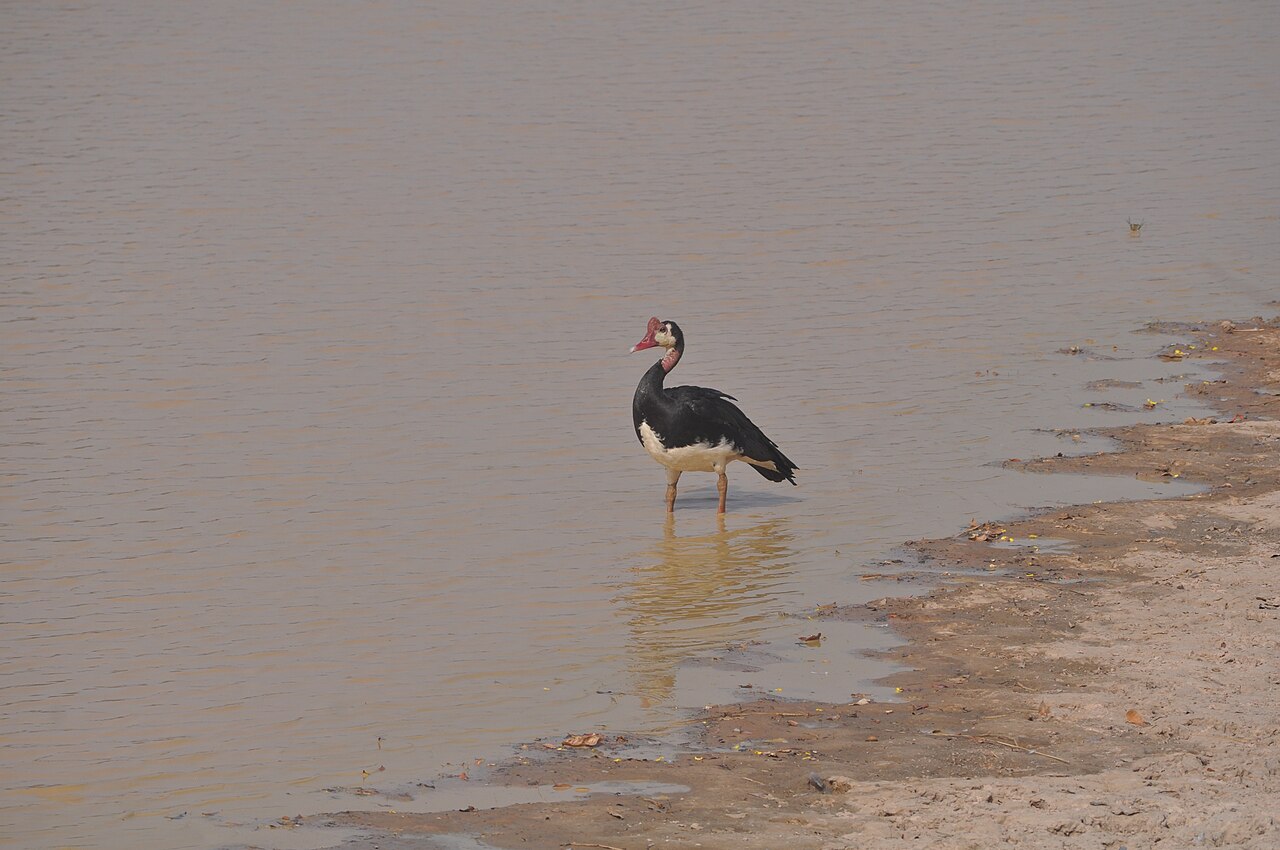
Microscopy Study Mapped the Upper Digestive Tract of Adult Spur-Winged Geese
A 2026 microscopy study of six adult spur-winged geese described tissues and glands throughout the upper digestive tract,…
Read story →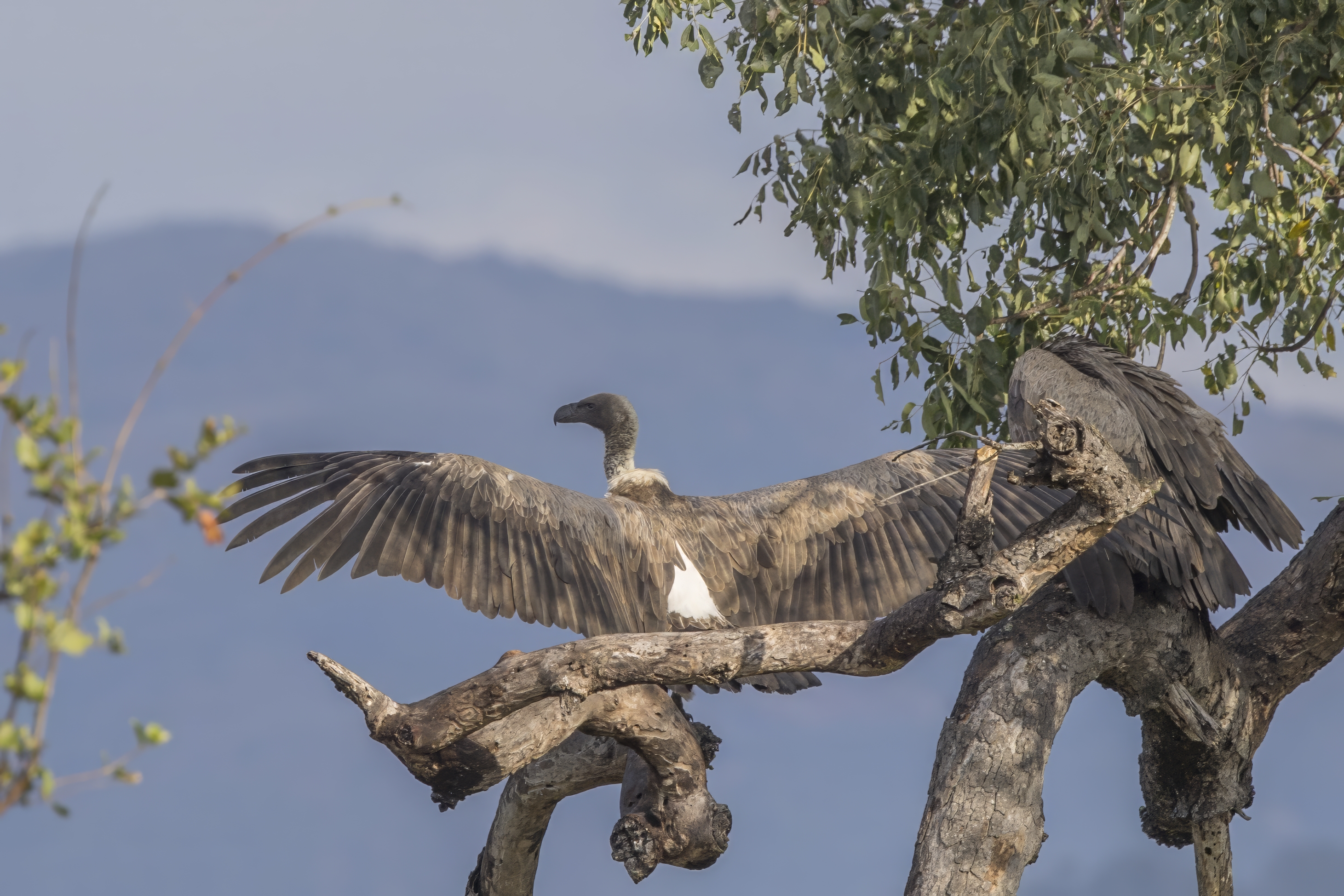
CT Reveals the Organs and Blood Vessels Inside a White-backed Vulture
A contrast-enhanced CT scan of one adult male white-backed vulture revealed major organs and vessels, while also showing…
Read story →SPECIES IN THIS STORY
Species in this story

Independent research and conservation news archive
Did you find this information useful?
Wildlife Vagabond is independently built and maintained. Voluntary support helps cover source verification, hosting and continued work on research and conservation news.
Support Wildlife VagabondThe news archive will remain freely available.