
Starlings Were Recorded Less Often Near Point Cook Runways During Three Years of Hazing
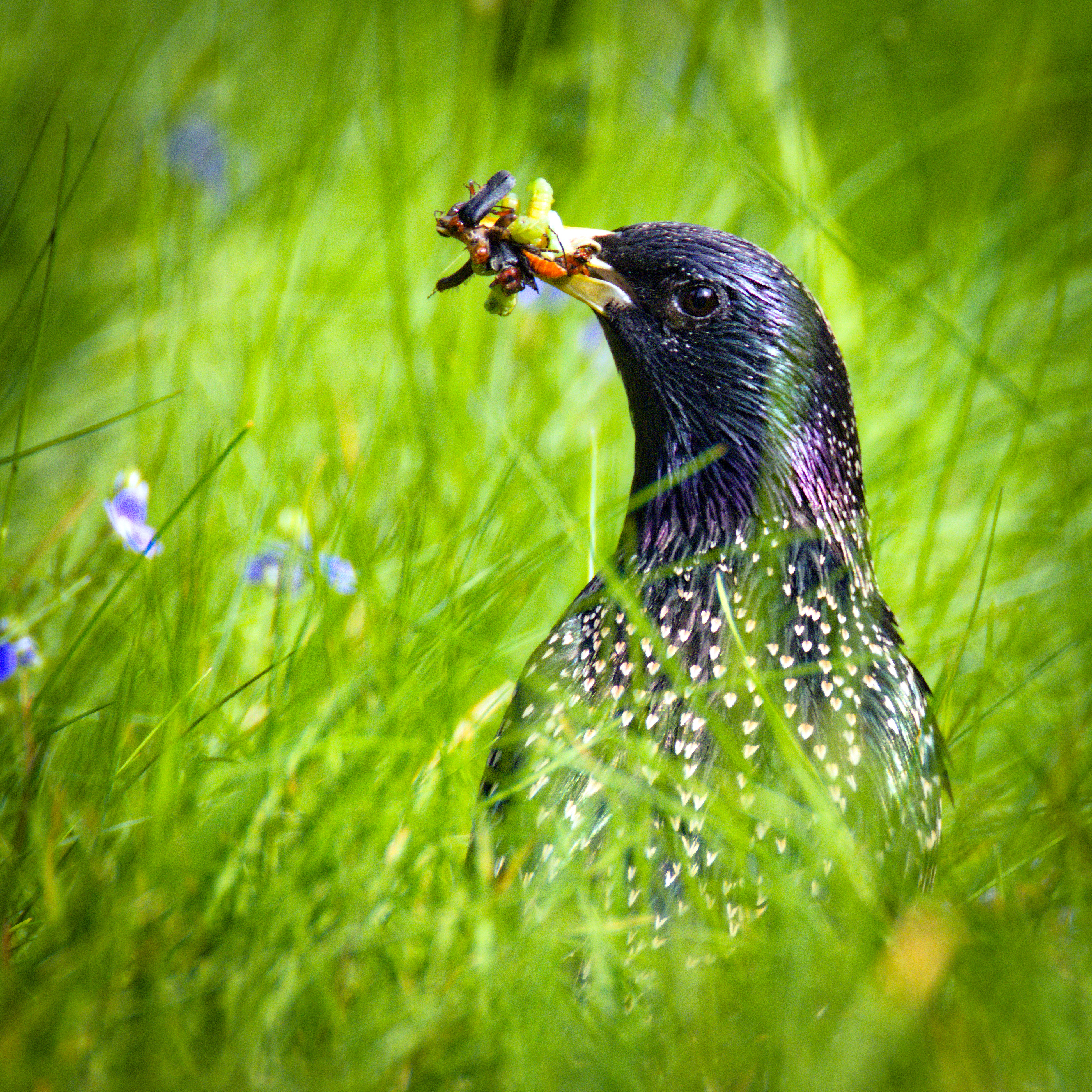
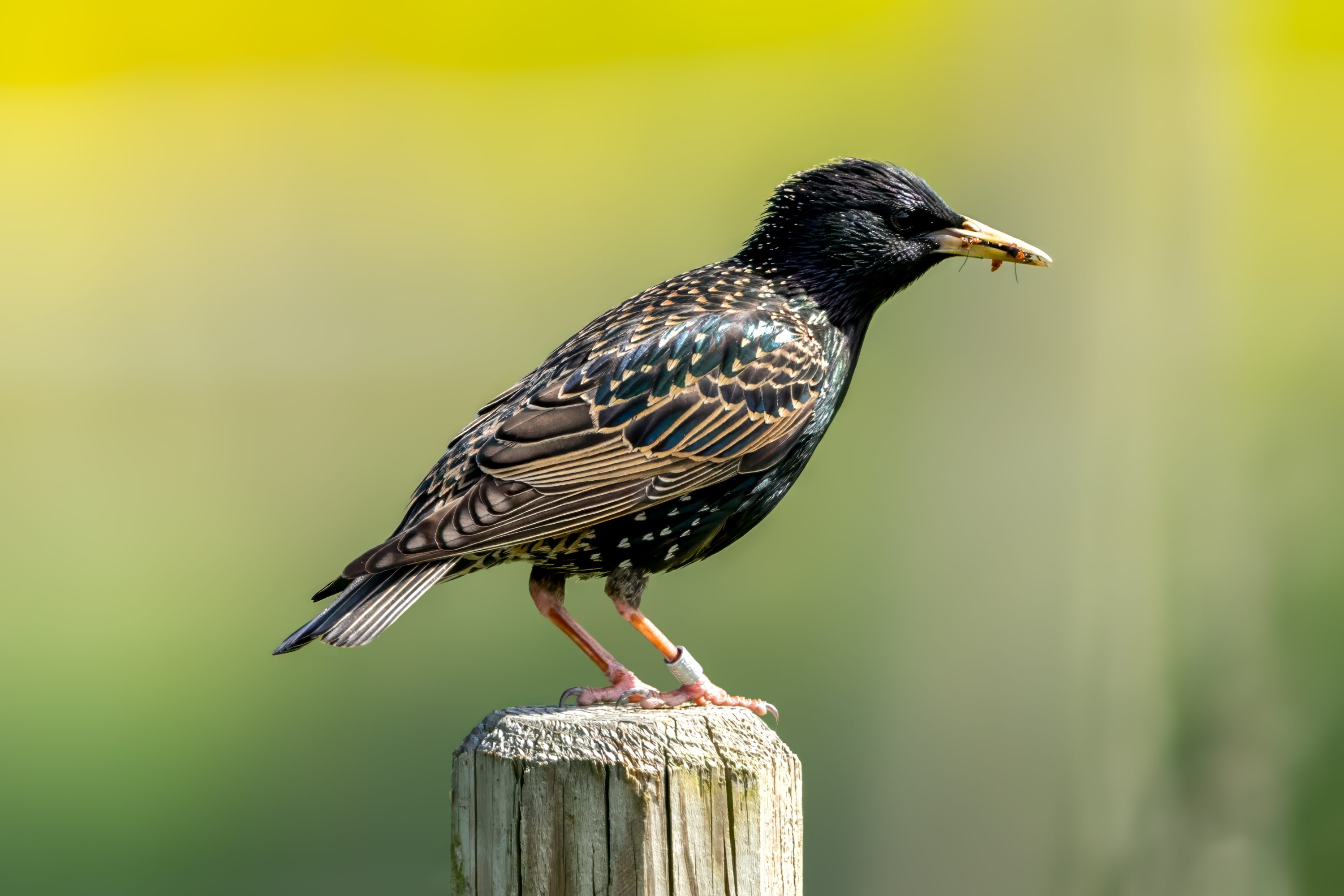
Common starlings (Sturnus vulgaris) were recorded less often in runway-critical areas over three years of non-lethal hazing at Point Cook RAAF Base in Victoria, Australia. The study, published on 6 August 2026, analysed routine wildlife-management records from December 2015 to December 2018. Starlings were one of eight focal species with enough records for species-level analysis.
Staff used escalating deterrents to move wildlife away from the areas closest to aircraft during take-off and landing. They began with low-intensity cues, such as approaching in a vehicle, and increased the intensity only when the animals did not move. For starlings, the records covered 590 hazing events and 33,202 birds. These were recorded birds, not 33,202 known individuals, because the same individuals or flocks could appear in more than one event.
Starlings were recorded less often near the runways
As the programme progressed, starling hazing events became less likely to occur in the runway-critical areas. Across the airport as a whole, wildlife use of these areas also declined while total wildlife numbers remained broadly stable. The authors therefore interpret the pattern as a local shift in space use rather than a general decline in wildlife using the airfield.
They reacted earlier, but were harder to move
Starling behaviour changed in two directions. Over time, the birds began responding to an approaching management vehicle from greater distances, suggesting that they became less tolerant of the approach. At the same time, common starlings were the one focal species for which stronger deterrent cues were increasingly needed to make them move. They therefore reacted to the approach earlier, but did not become progressively easier to displace once hazing began.
Only four wildlife–aircraft collisions were recorded at the base during the study period, too few to test whether collision rates changed. The researchers therefore used wildlife location and behavioural responses as indirect measures of exposure to collision risk. For starlings, the clearest result is that a smaller share of records came from the areas closest to active runways, while their responses to repeated hazing changed in different directions.
Management
Related news
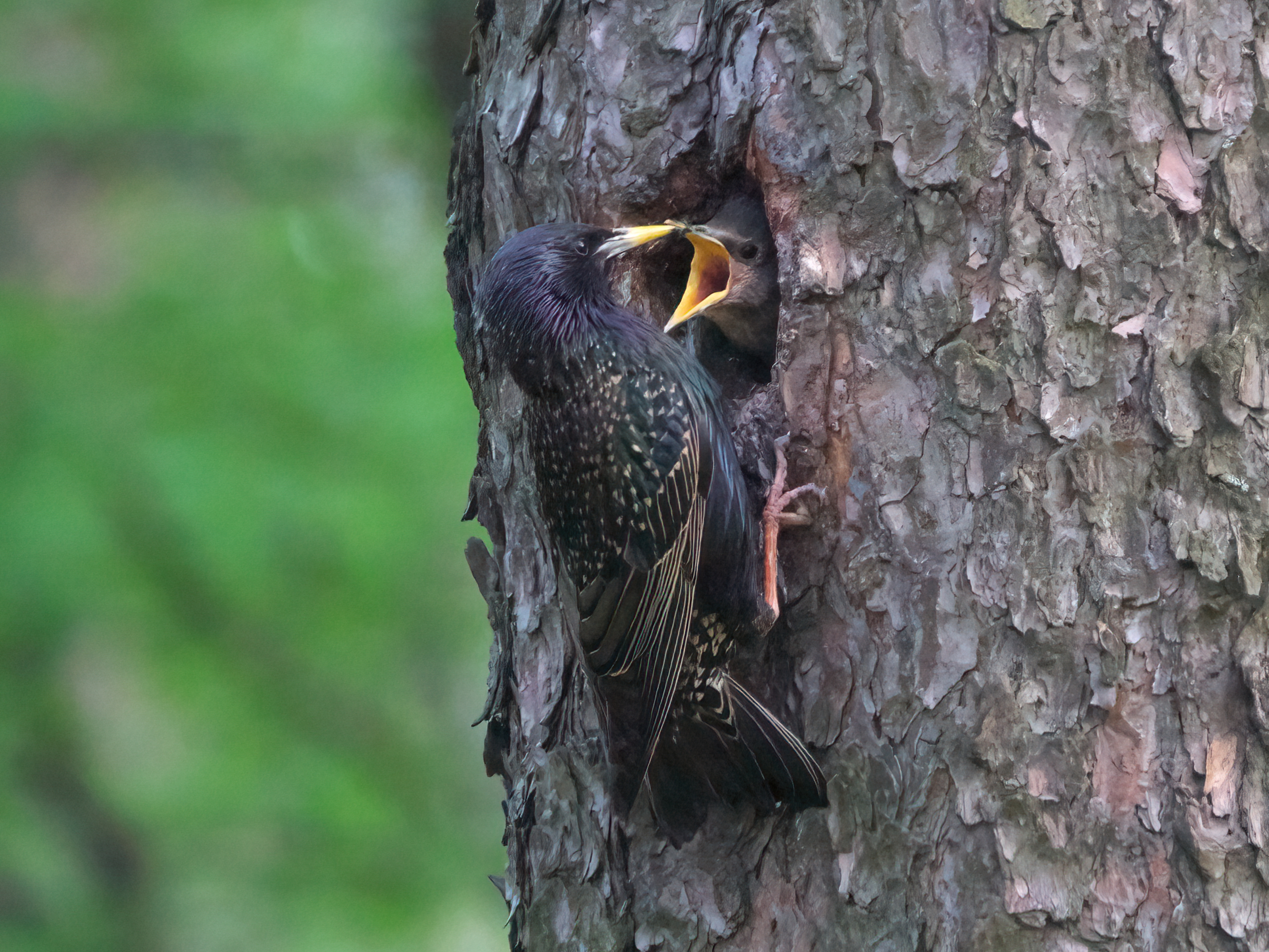
Common Starling Parents Called Less Often as Their Nestlings Grew Older
Common starling parents called on 62% of feeding visits when chicks were two days old but only 4%…
Read story →
Recent Starlings in Western Australia Differed Genetically from the 2000s Population
Starlings detected in Western Australia in 2017–2024 were genetically distinct from birds sampled there in the 2000s, a…
Read story →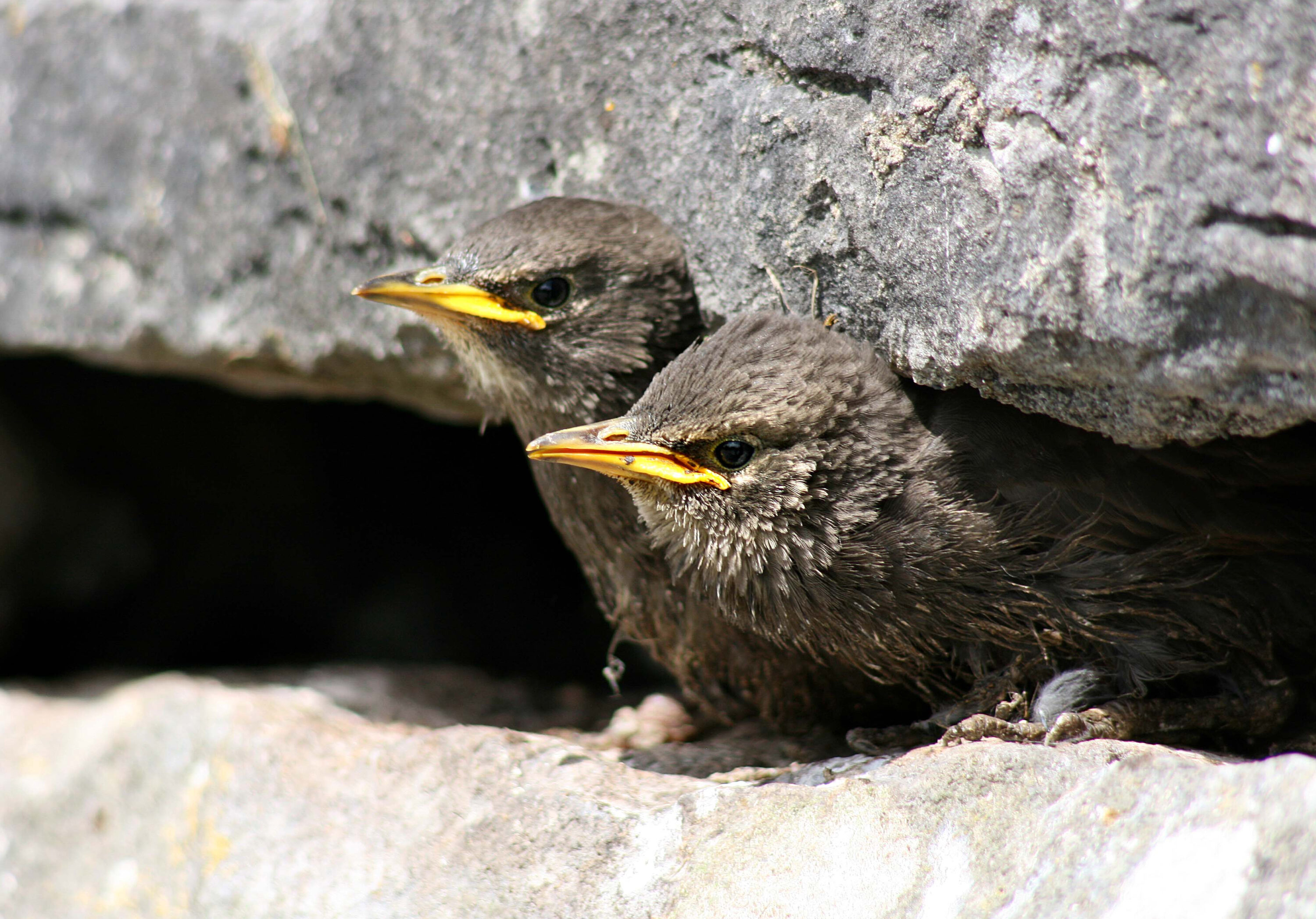
PFAS Exposure Was Linked to Oxidative Stress in Starling Chicks, but Not to Similar Changes in Great Tits
Eggs near an Italian fluoropolymer plant contained up to ten times more PFAS. Starling nestlings showed signs of…
Read story →SPECIES IN THIS STORY
Species in this story
Independent research and conservation news archive
Did you find this information useful?
Wildlife Vagabond is independently built and maintained. Voluntary support helps cover source verification, hosting and continued work on research and conservation news.
Support Wildlife VagabondThe news archive will remain freely available.