
Eleven of 12 Tagged Whooper Swans Shared an Early Spring Migration Axis Before Routes Diverged
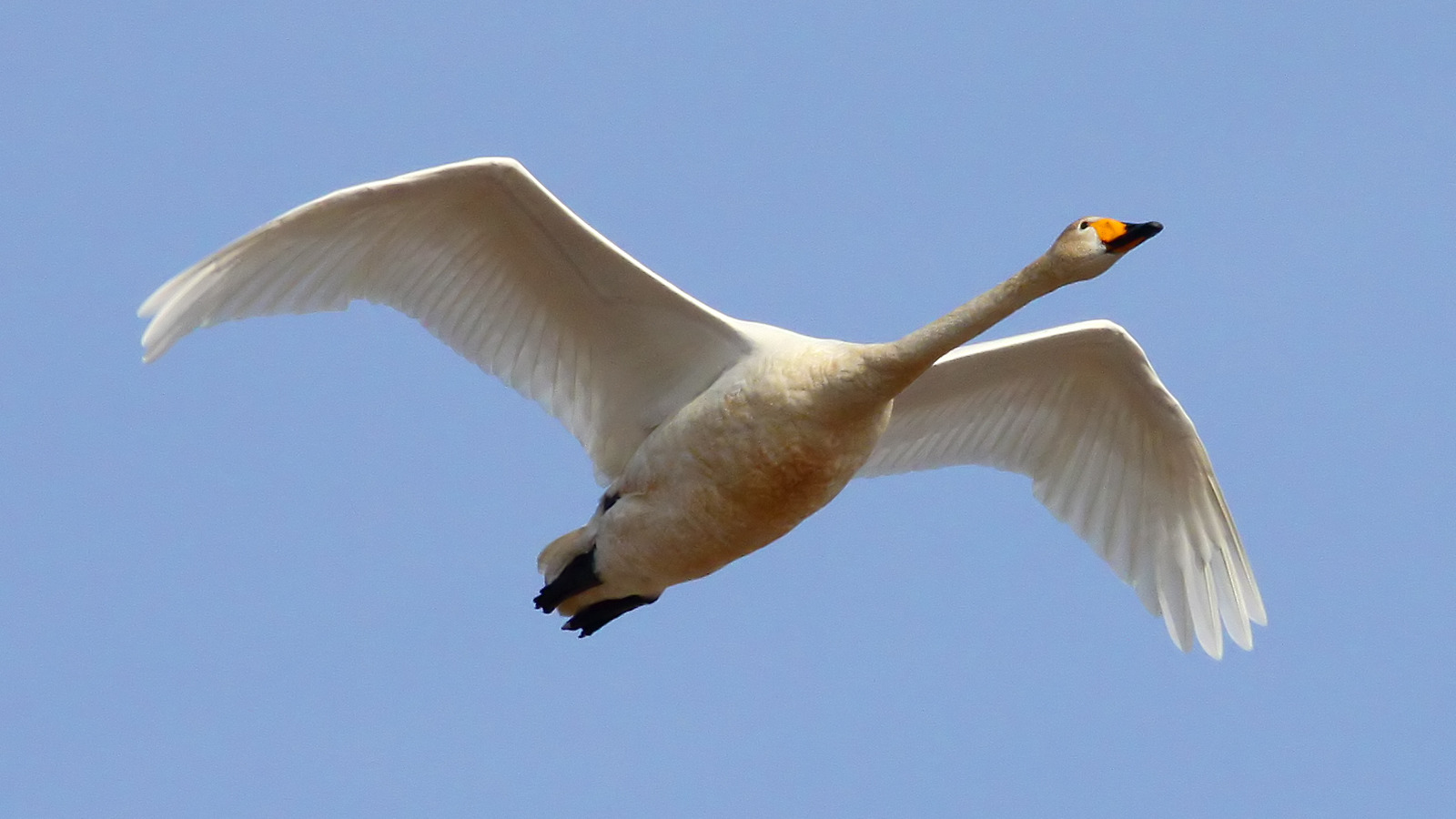
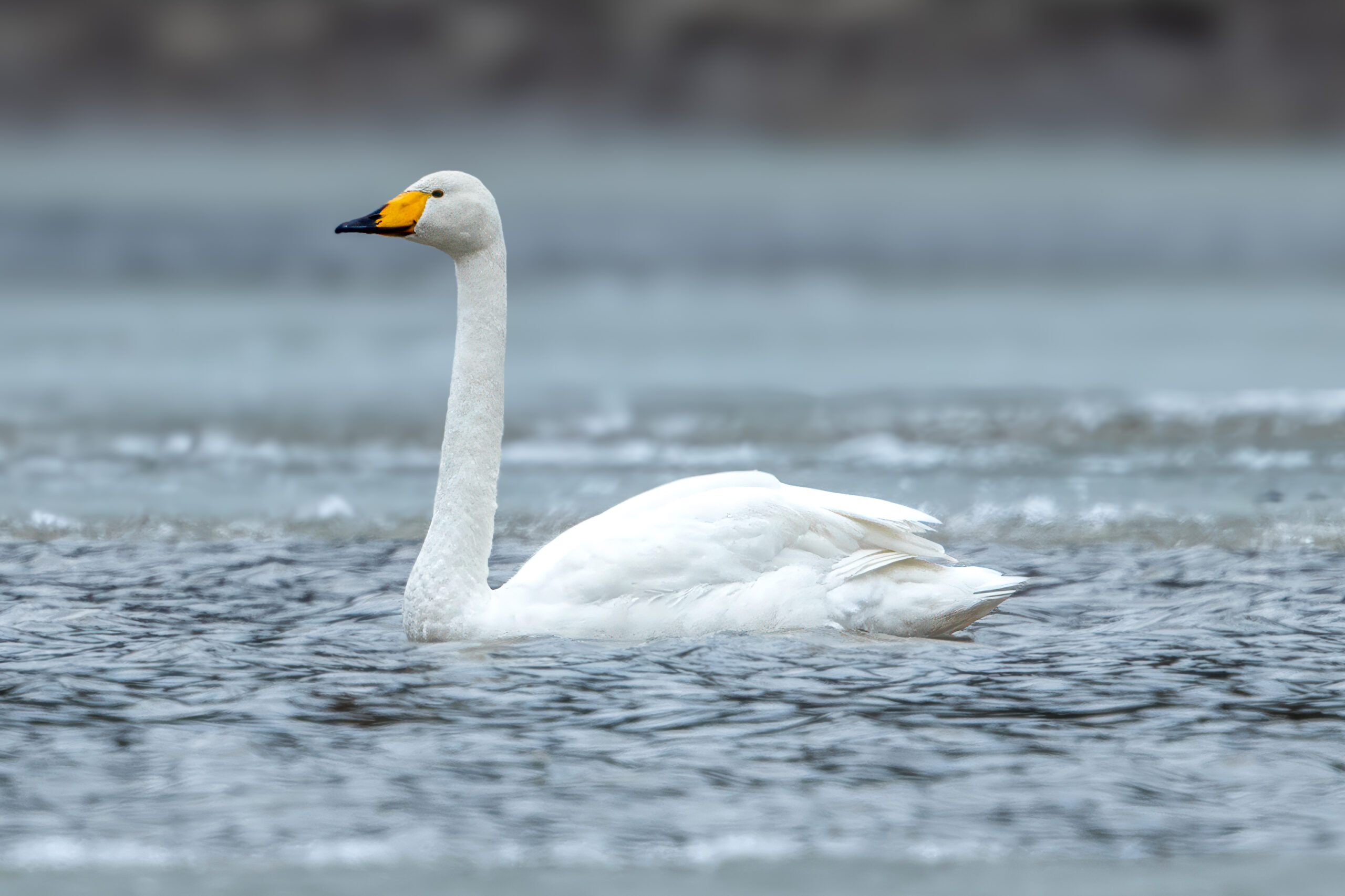
GNSS tracking of 12 whooper swans (Cygnus cygnus) wintering in the Nakdong Estuary in South Korea revealed a shared beginning to spring migration followed by markedly different routes and annual-cycle strategies. The study was first published online on 15 May 2026.
GNSS tags use satellite positioning to record where each bird is at repeated points through time, allowing researchers to reconstruct individual migration routes. Eleven of the 12 tagged swans initially followed the same broad west-central migration axis through Korea. In practical terms, almost all birds left the shared wintering area through the same geographical corridor before their routes diverged farther north.
Four broader migration patterns emerged after the shared start
The later movements fell into four patterns. Seven birds followed an inland route, one used a high-latitude strategy, two followed a Far East route and two showed short-distance or interrupted migration. The study therefore did not find one complete migration route shared by the Nakdong birds; it found a common early corridor followed by substantial individual variation.
Among six birds for which winter return could be assessed, three remained within a 20-kilometre return zone around the Nakdong Estuary. One bird re-entered this zone and later redistributed elsewhere, while two did not return to it. The 20-kilometre zone was used as a practical measure of return to the same wintering area rather than as proof that every bird reused the exact same sites within the estuary.
Spring journeys tended to use more stopovers
Four individuals produced interpretable round-trip tracks for both spring and autumn. Their spring migrations tended to be longer and to involve greater stopover use than the autumn journeys. A stopover is a temporary pause between longer migratory movements, when birds can rest and replenish energy before continuing.
With only four complete round trips, however, the seasonal differences were not statistically supported. The result is therefore a tendency in this small tracked sample rather than evidence that spring migration is generally longer or more stopover-intensive for the wider population.
Weather and vegetation relationships remained exploratory
Exploratory comparisons suggested that the timing and duration of stopovers may vary with freezing conditions before arrival and with seasonal vegetation development. The authors present these patterns as hypotheses generated from the tracks, not as firm causal explanations for why individual swans stopped where or when they did.
The strongest result is the combination of shared and divergent behaviour: almost all tagged birds used the same early northward axis through Korea, but later separated into very different migration strategies. This supports the Nakdong Estuary as both an important wintering area and a common early departure hub while showing that conservation of a single wintering population may need to account for several migration routes farther north.
Ecology
Related news
Whooper Swans in Urban and Natural Xinjiang Wetlands Had Different Gut Microbiomes
A study of 34 faecal samples found clear differences in gut bacterial communities between whooper swans wintering in…
Read story →
Gut Microbial Communities Differed Between Pre- and Post-migration Whooper Swan Samples in Xinjiang
Metagenomic sequencing of 24 whooper swan fecal samples from Xinjiang found similar overall microbial diversity before and after…
Read story →
Mute Swan Nests Were More Concealed Where Whooper Swans Also Bred
Across 68 Mute Swan nests in Polish fishpond systems, nests were more concealed when Whooper Swans bred in…
Read story →SPECIES IN THIS STORY
Species in this story
Independent research and conservation news archive
Did you find this information useful?
Wildlife Vagabond is independently built and maintained. Voluntary support helps cover source verification, hosting and continued work on research and conservation news.
Support Wildlife VagabondThe news archive will remain freely available.