
Thailand Habitat Models Linked Rhesus Macaques to Human-Modified Landscapes
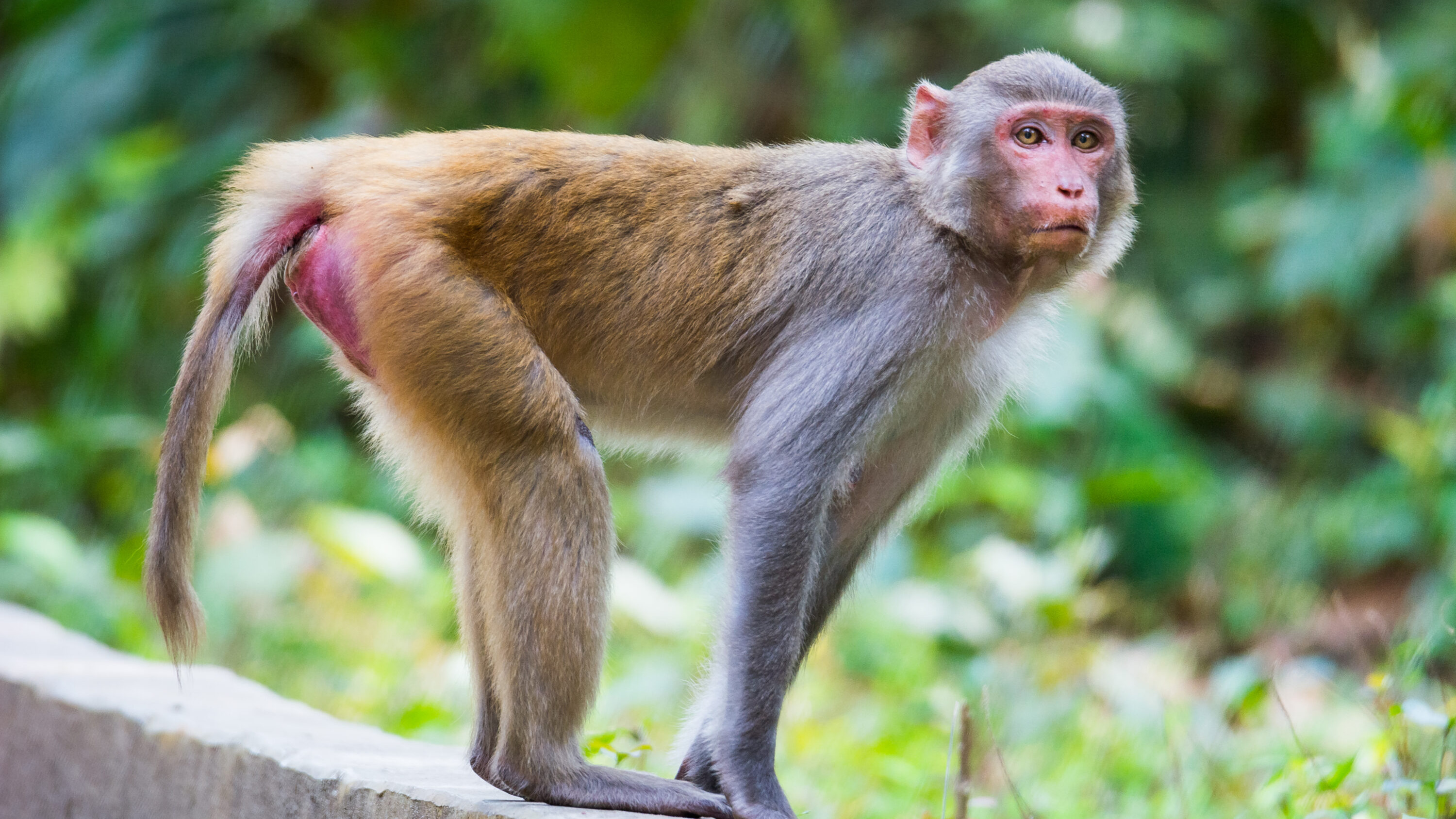
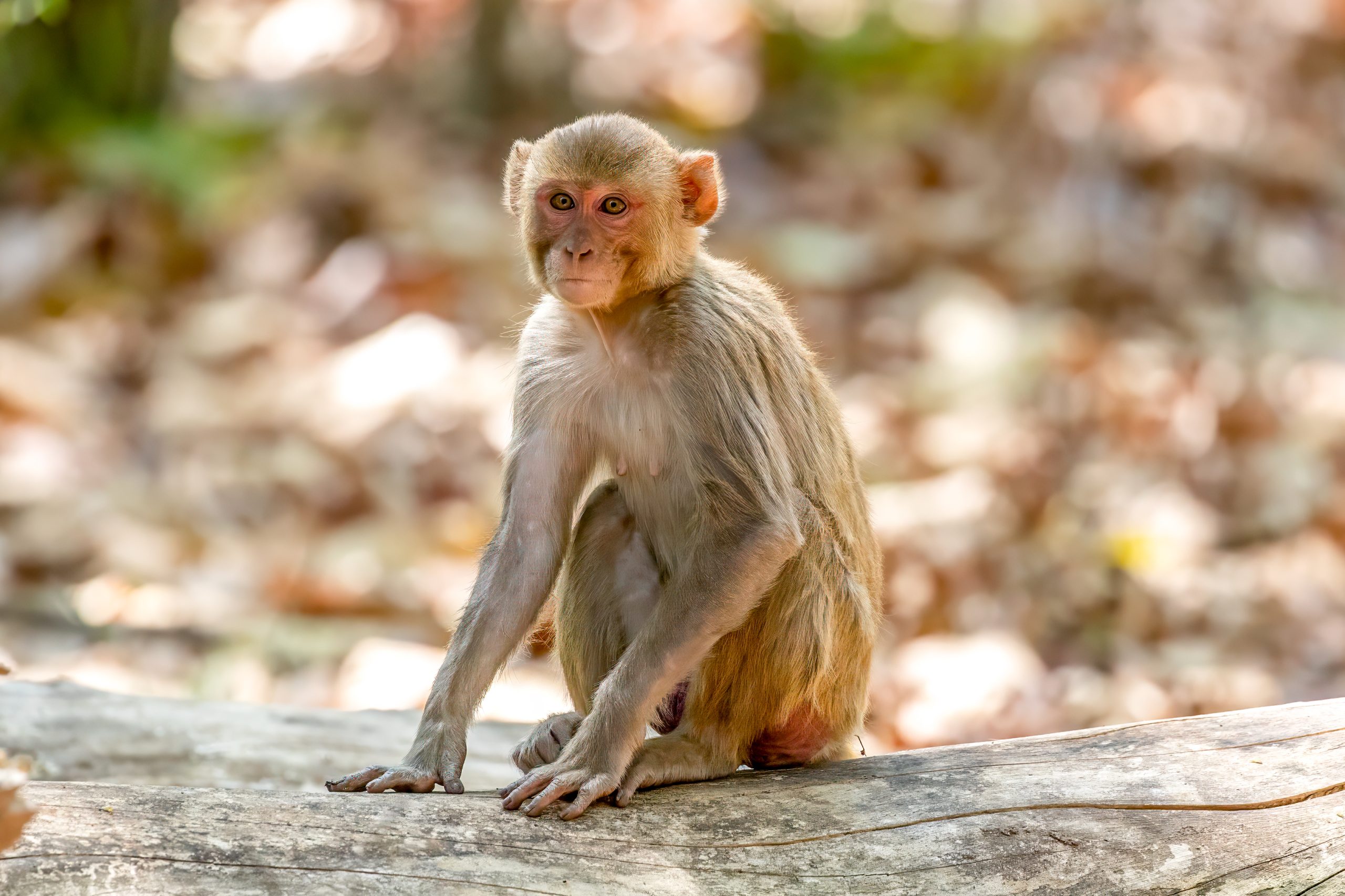
A modelling study of six macaque species in Thailand found that rhesus macaques (Macaca mulatta) were primarily associated with human-modified landscapes rather than the higher-quality natural forest habitats identified for some other macaques. The study combined occurrence records from field surveys conducted between 2005 and 2025 with literature and citizen-science data.
The researchers modelled habitat suitability for long-tailed macaques (Macaca fascicularis), rhesus macaques, stump-tailed macaques (Macaca arctoides), Assamese macaques (Macaca assamensis), northern pig-tailed macaques (Macaca leonina) and Sunda pig-tailed macaques (Macaca nemestrina). The researchers used Maxent species-distribution models, which estimate where conditions are suitable from known occurrence records and environmental variables. They then combined these predictions with the macaque habitat, anthropogenic dependence and coexistence (MAC) framework, which adds information about how strongly species are associated with natural versus human-modified environments.
Rhesus macaque habitat was linked most strongly to temperature seasonality
Temperature seasonality was the strongest predictor in the rhesus macaque and stump-tailed macaque models. The habitat-quality assessment associated Sunda pig-tailed and stump-tailed macaques with high-quality natural forest, whereas long-tailed and rhesus macaques were more closely associated with human-modified landscapes. Artificial light at night had a particularly strong influence on the long-tailed macaque model.
Suitable habitat extent differed markedly among species
Predicted suitable habitat was extensive for northern pig-tailed, stump-tailed and long-tailed macaques, while it was more restricted for Assamese, rhesus and Sunda pig-tailed macaques. The authors use these differences to identify species-specific priorities for monitoring and habitat management across Thailand.
Ecology
Related news
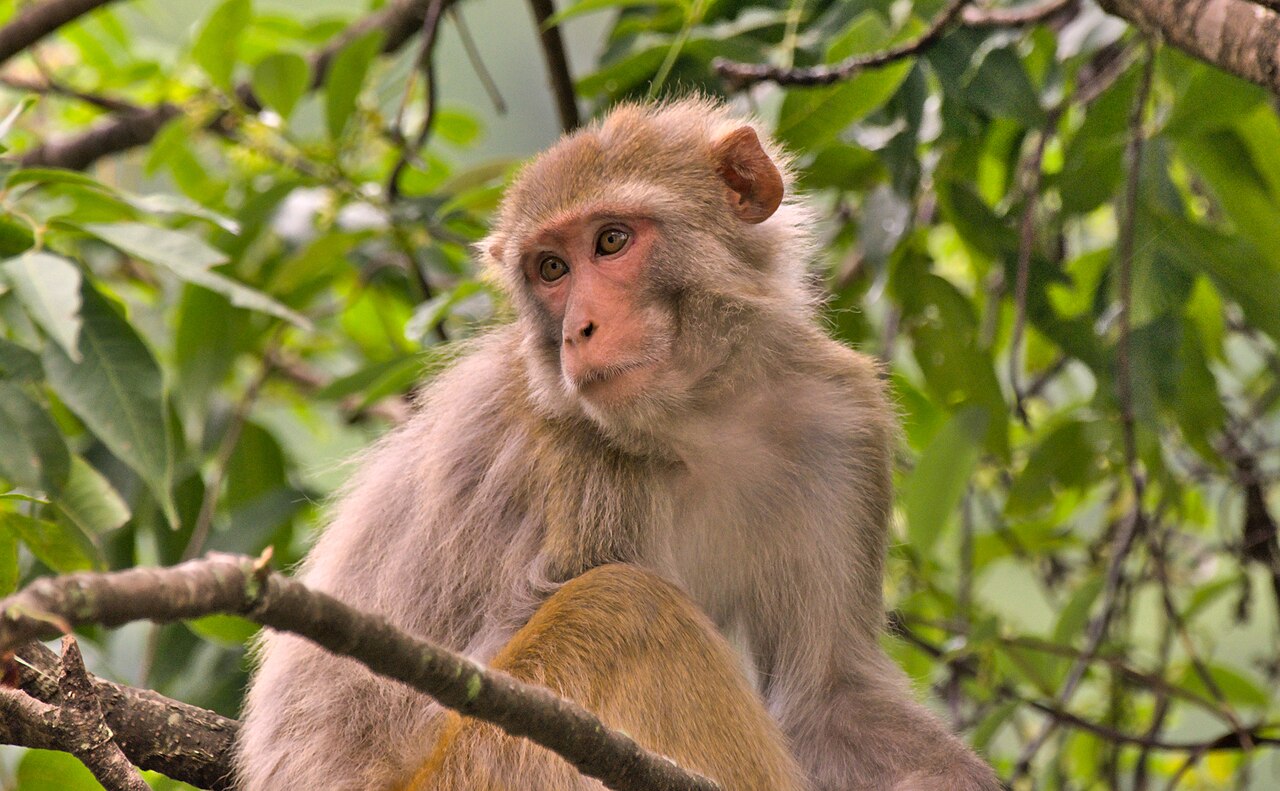
Female Rhesus Macaques That Watched Unfamiliar Female Faces Longer Were More Likely to Have Offspring the Following Year
At a semi-free-ranging population in Puerto Rico, females that spent longer looking at an unfamiliar female’s neutral face…
Read story →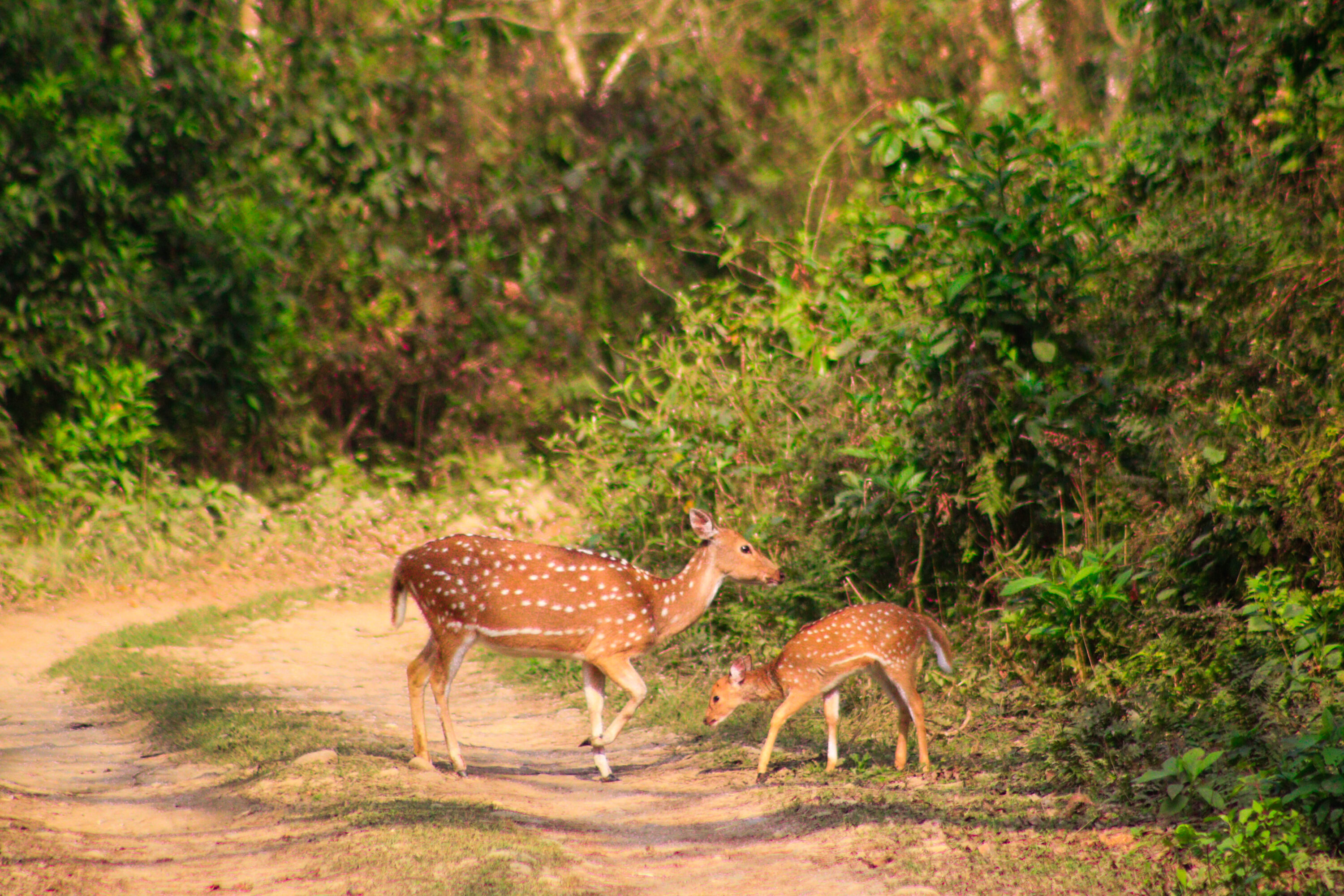
Human Activity and Large Wildlife Overlapped Most in Chitwan’s Buffer Zone
Camera traps across Chitwan National Park and surrounding forests showed the greatest overlap of human activity with large…
Read story →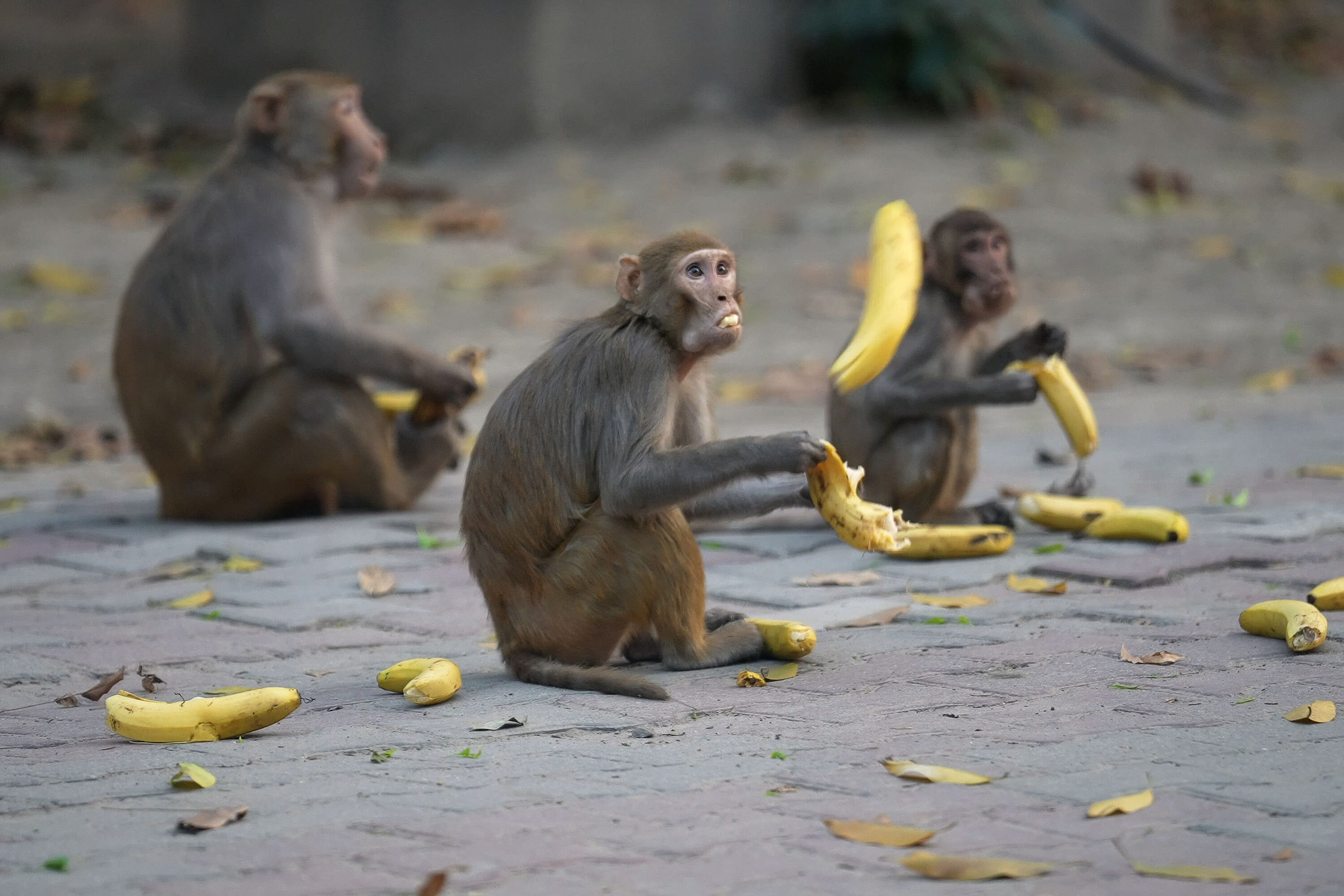
Aging rhesus macaques show broader protein changes in blood than in brain fluid
A study of 66 rhesus macaques found age-related differences in many more measured proteins in plasma than in…
Read story →SPECIES IN THIS STORY
Species in this story
Independent research and conservation news archive
Did you find this information useful?
Wildlife Vagabond is independently built and maintained. Voluntary support helps cover source verification, hosting and continued work on research and conservation news.
Support Wildlife VagabondThe news archive will remain freely available.