
Tree and House Sparrows Divided Assam’s Urban Landscape
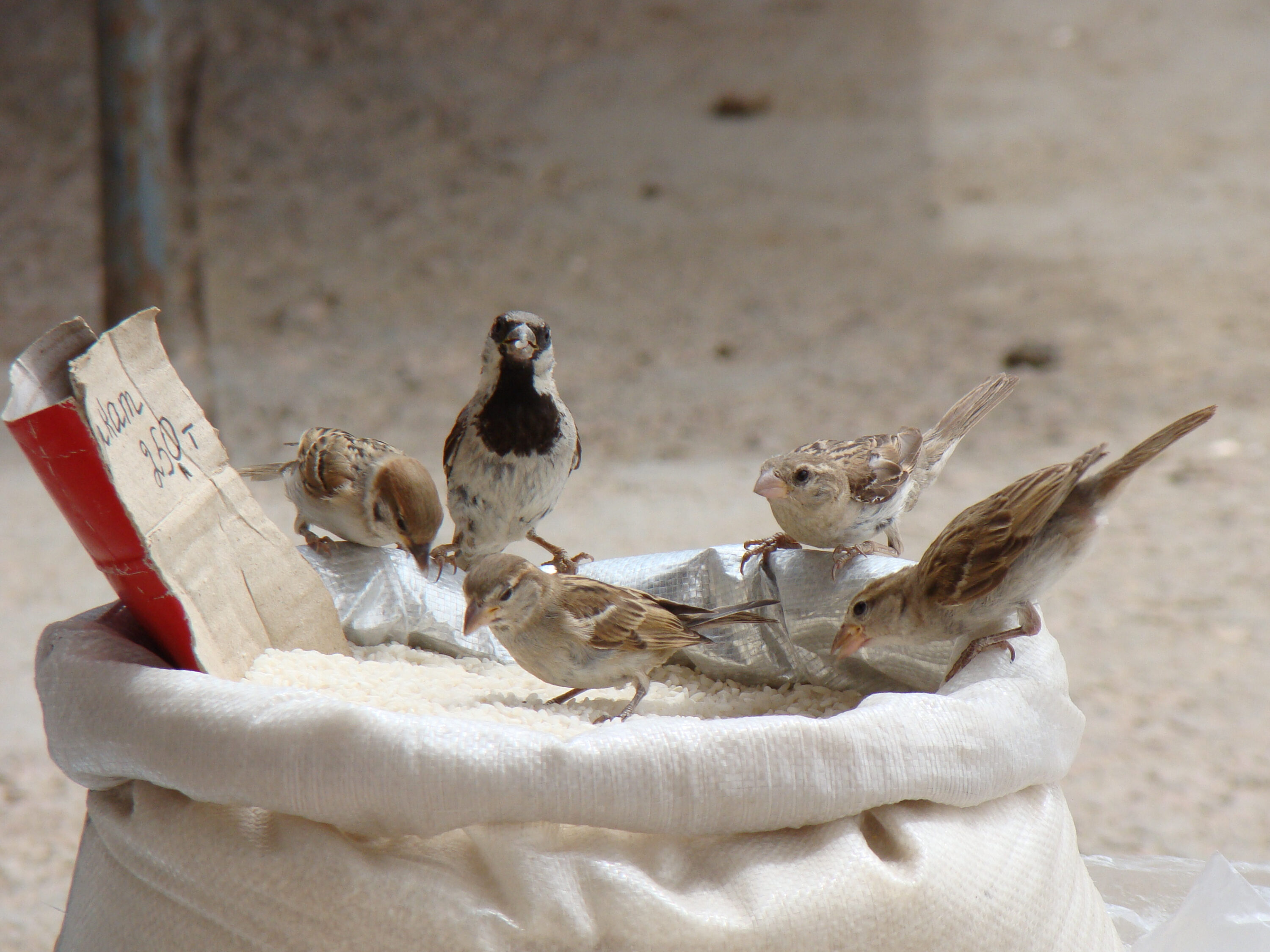
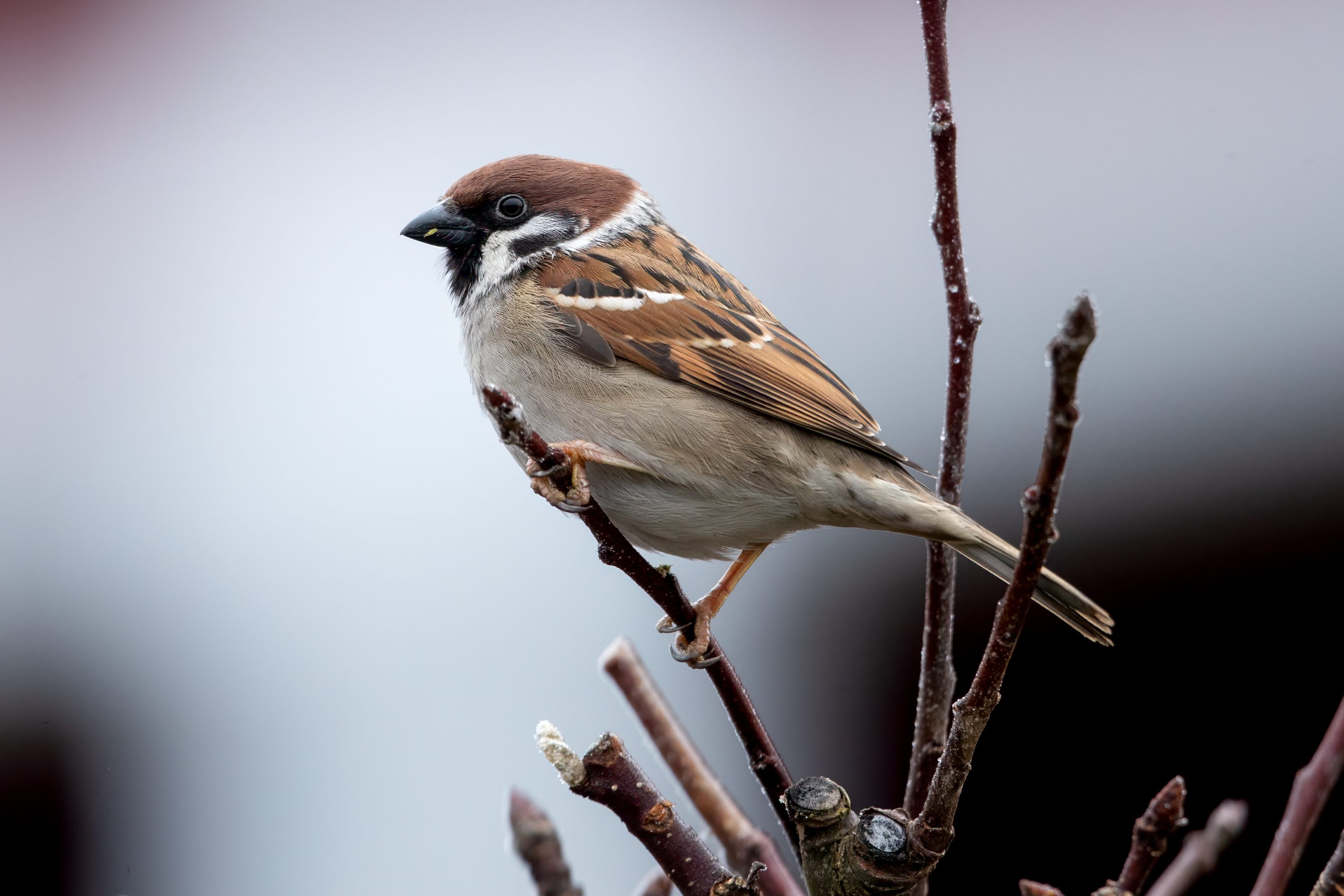
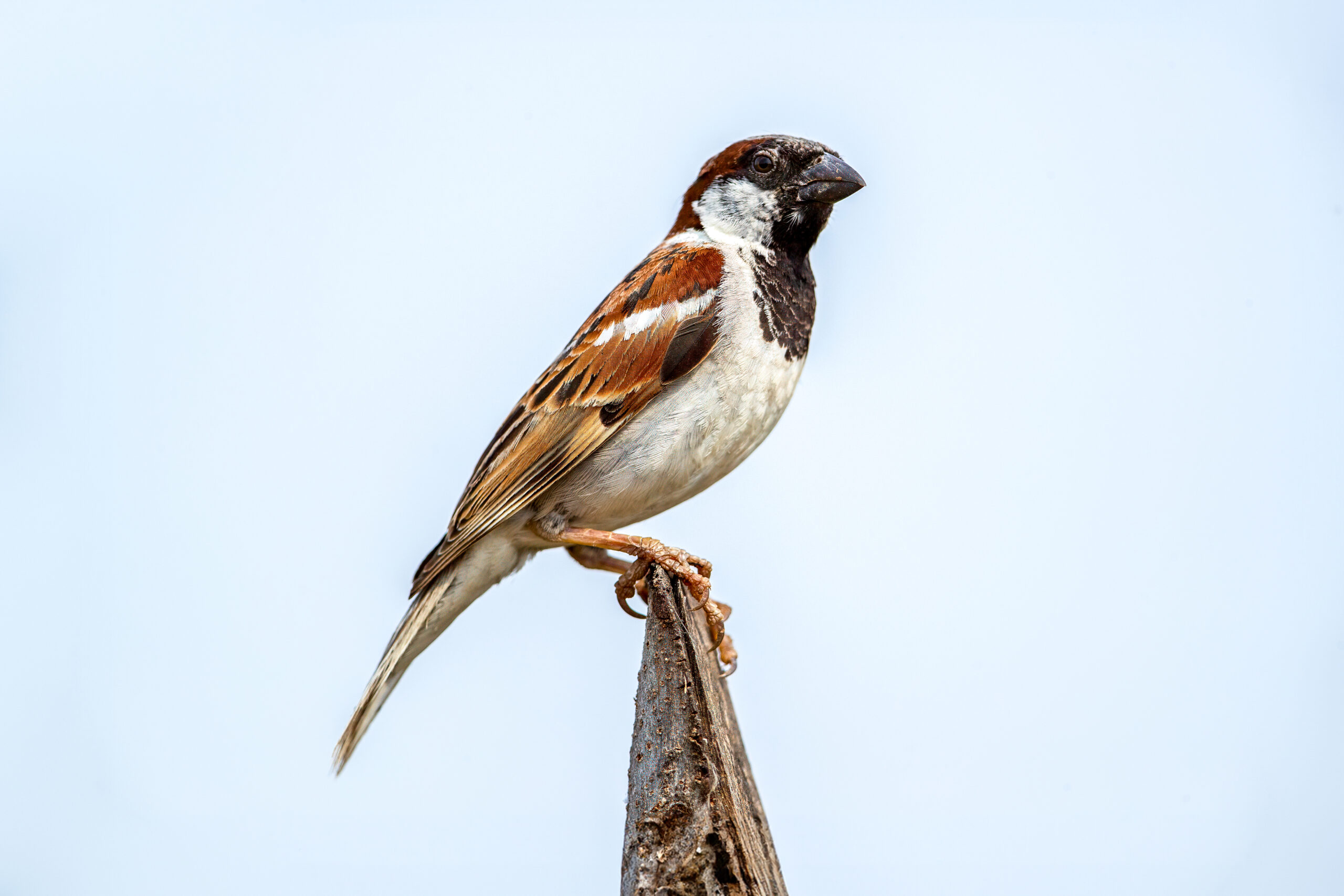
Tree sparrows and house sparrows shared the same towns in northeastern India but concentrated in different parts of the urban landscape. A two-year survey in Assam found tree sparrows most strongly associated with greener suburban zones, while house sparrows were concentrated in commercial districts. The pattern provides a first baseline for following how rapid urban growth affects the two related species in the Bodoland Territorial Region.
Researchers counted Eurasian tree sparrows (Passer montanus) and house sparrows (Passer domesticus) in the administrative towns of Kokrajhar, Kajalgaon, Mushalpur, Tamulpur and Udalguri. Each town was divided into commercial, residential and suburban habitat. Commercial areas had dense buildings, markets and traffic with relatively little greenery. Residential areas combined homes with gardens and moderate vegetation, while suburban areas on the town edges contained more open space, water and vegetation and fewer buildings.
Seven hundred and twenty point counts
The team placed a grid of 500 by 500 metres over each town and selected one count point in each of 24 cells. Observers recorded all sparrows within 30 metres for five minutes between 06:00 and 08:00. Surveys covered the pre-monsoon, monsoon and post-monsoon periods from April 2022 to June 2024. With each point visited once per season in two successive years, the study accumulated 720 counts across the five towns.
Tree sparrows reached their highest recorded densities in suburban habitat in every town. They were also more numerous in residential than commercial areas, and their density showed clear differences both among towns and among the three habitat categories. Kajalgaon had the lowest tree sparrow density in every habitat, while Kokrajhar had the highest suburban density.
House sparrows showed the opposite habitat gradient. They were most concentrated in commercial areas and least dense in suburban zones. They were also more numerous overall than tree sparrows in every town and in all three habitat categories. The authors interpret this as a stronger ability to use buildings, markets, restaurants, discarded food and other resources associated with intensive human activity. Tree sparrows, in contrast, appeared to favour vegetation-rich settings with more natural seeds and insects and more shrubs and trees around potential nesting sites.
Coexistence through different habitat use
The results suggest that the species partly divide the urban environment between them. The researchers argue that this ecological separation may reduce direct competition: house sparrows make greater use of the built-up centre, while tree sparrows are better represented towards greener edges. Residential areas can support both because they combine human structures with gardens, trees and shrubs.
Neither species showed a clear difference among seasons or between the two survey years, so the researchers combined those data for the subsequent analyses. The study provides baseline data that can be used in future monitoring of sparrow populations in the five BTR towns.
Ecology
Related news
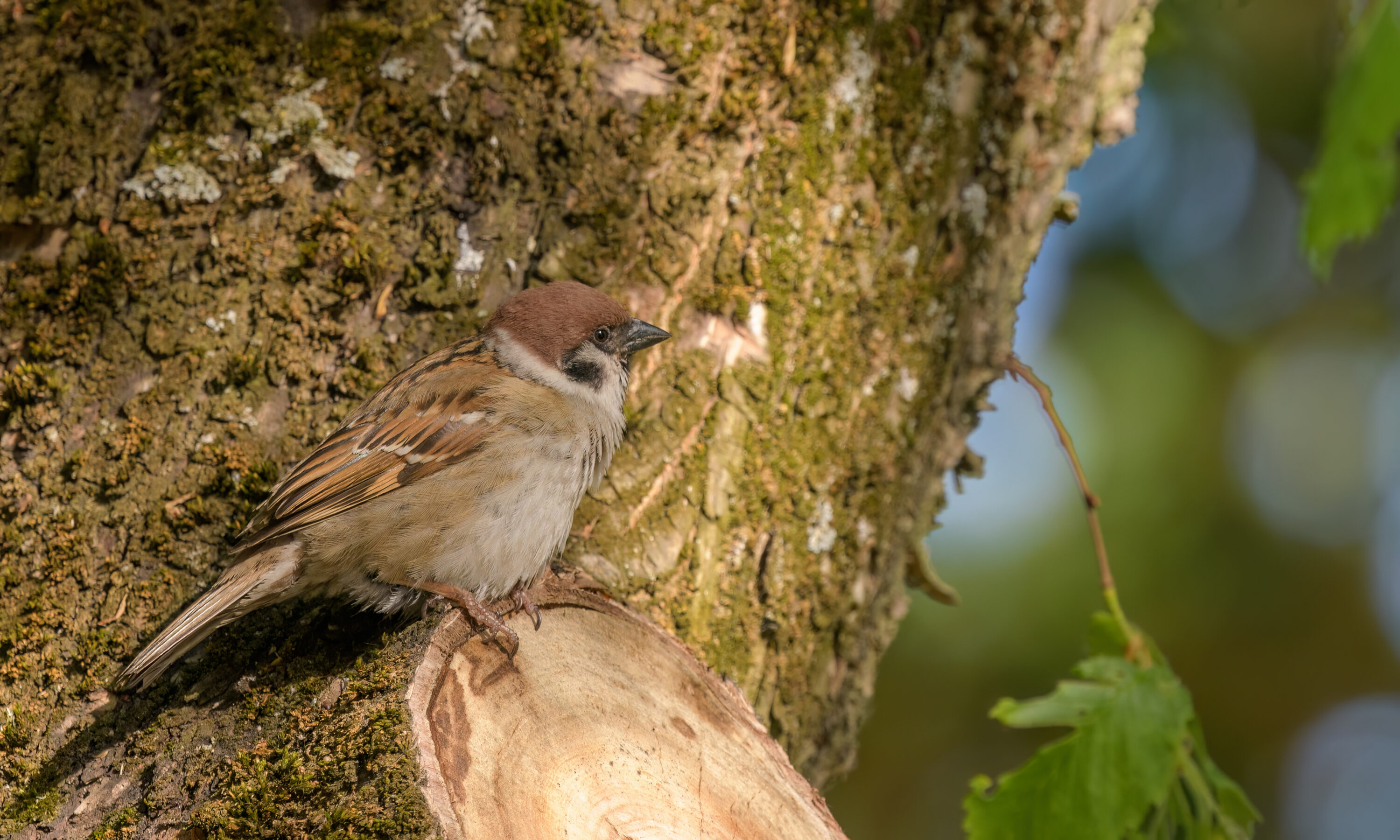
More Widespread House Sparrows Had More Avian Malaria Than Tree Sparrows
In Missouri and Illinois, avian malaria was detected in 24.1% of house sparrows but 11.6% of Eurasian tree…
Read story →
Type A Trichomonas Was More Than Twice as Prevalent in British Birds at Supplementary-fed Sites
Type A of the bird parasite Trichomonas gallinae was more than twice as prevalent in British birds at…
Read story →
Usutu Virus RNA Was Found Nearly Three Times as Often as West Nile Virus RNA in Southern France
Among 2,533 wild birds from 69 species in southern France, Usutu virus RNA was detected in 12.0% and…
Read story →SPECIES IN THIS STORY
Species in this story
Independent research and conservation news archive
Did you find this information useful?
Wildlife Vagabond is independently built and maintained. Voluntary support helps cover source verification, hosting and continued work on research and conservation news.
Support Wildlife VagabondThe news archive will remain freely available.