
Tree Pipit Songs Tracked Apparent Annual Survival Without Repeated Capture
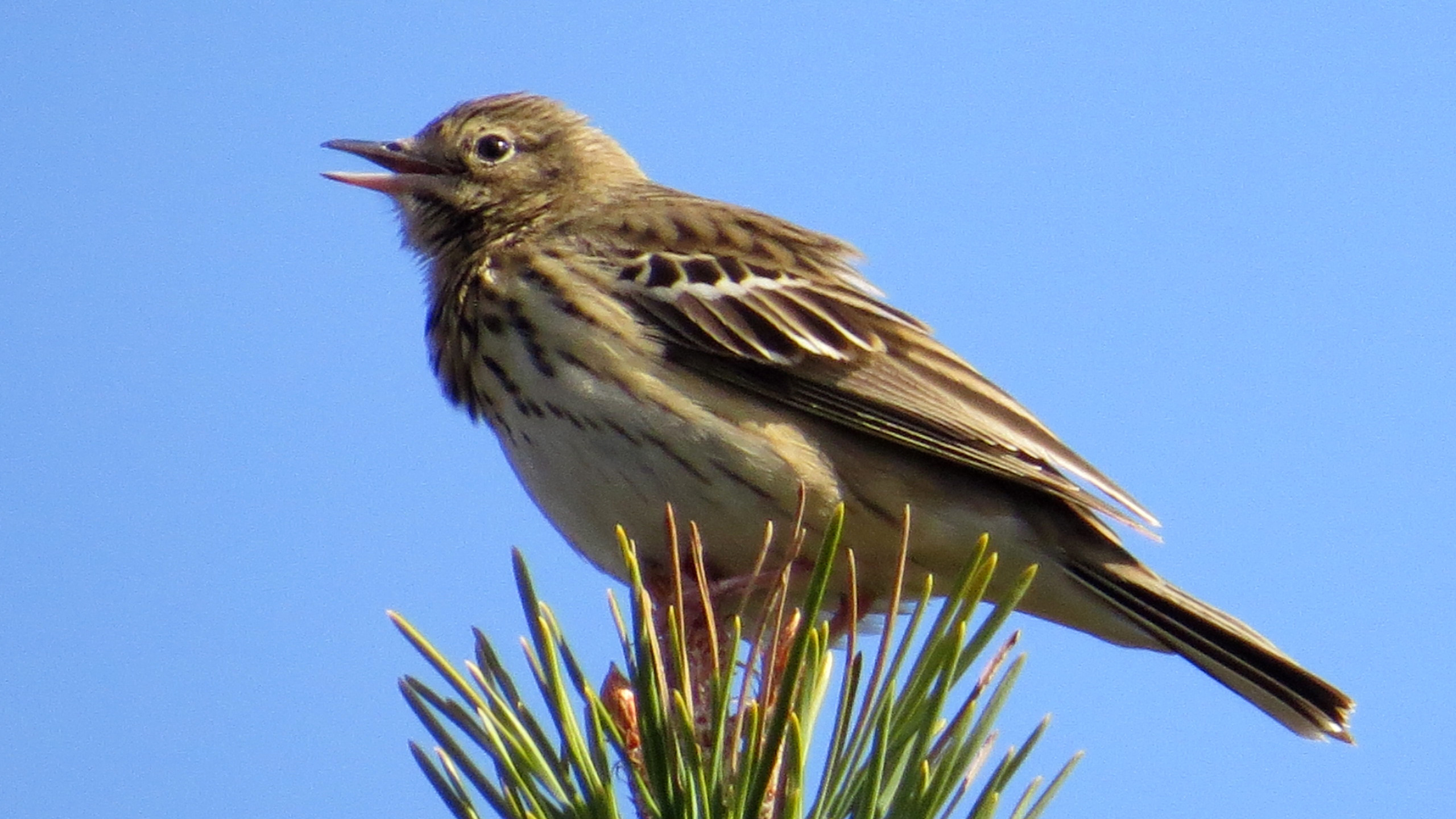
A study published on 18 May 2026 found that territorial male tree pipits (Anthus trivialis) could be followed between breeding seasons through individually distinctive songs, producing patterns of apparent annual survival comparable with those obtained from colour-ringing and resighting.
The researchers monitored males on separate study plots in Thetford Forest, eastern England, through the 2016–2021 breeding seasons. One group of 149 males was monitored solely through individual acoustic monitoring, while 126 birds were followed through colour-ringing and visual resighting.
Stable song repertoires acted like vocal identity marks
Tree pipit males use repertoires made up of different song syllables. Individual acoustic monitoring identifies a bird from the particular combination of syllable types in its repertoire. Recordings from 85 colour-ringed males were used to validate that these repertoires were both distinctive between individuals and stable enough across time for the same male to be recognised again.
The method is non-invasive after identification: a returning male can be recognised from recordings without needing to be captured again. Colour-ringing, by contrast, requires the bird to be caught and fitted with individually identifiable rings before it can later be resighted.
Both methods gave similar year-to-year survival patterns
The two methods produced estimates of apparent annual survival that changed in similar ways between years. “Apparent” survival is important here: the models estimate the probability that a male survives and remains available to be encountered again in the study population. A bird that permanently leaves the study area cannot be distinguished from one that dies.
The similarity between the two monitoring approaches shows that individual song can provide useful demographic information for territorial male tree pipits without repeated capture.
Song became a weaker identifier later in the breeding season
The methods differed much more in within-season detectability. Colour-ringed males could continue to be recognised visually, whereas acoustic re-encounters declined strongly as the breeding season progressed. The authors interpret this mainly as a consequence of reduced song activity later in the breeding cycle.
This makes acoustic monitoring less suitable for questions that require repeated detection throughout one breeding season, such as following local movements or successive breeding attempts. Its strength is instead in recognising returning males across years when they are actively singing.
The study therefore presents individual song as a useful alternative to traditional capture–mark–resight monitoring for estimating apparent annual survival, while showing that the two methods are not interchangeable for every ecological question.
Ecology
Related news
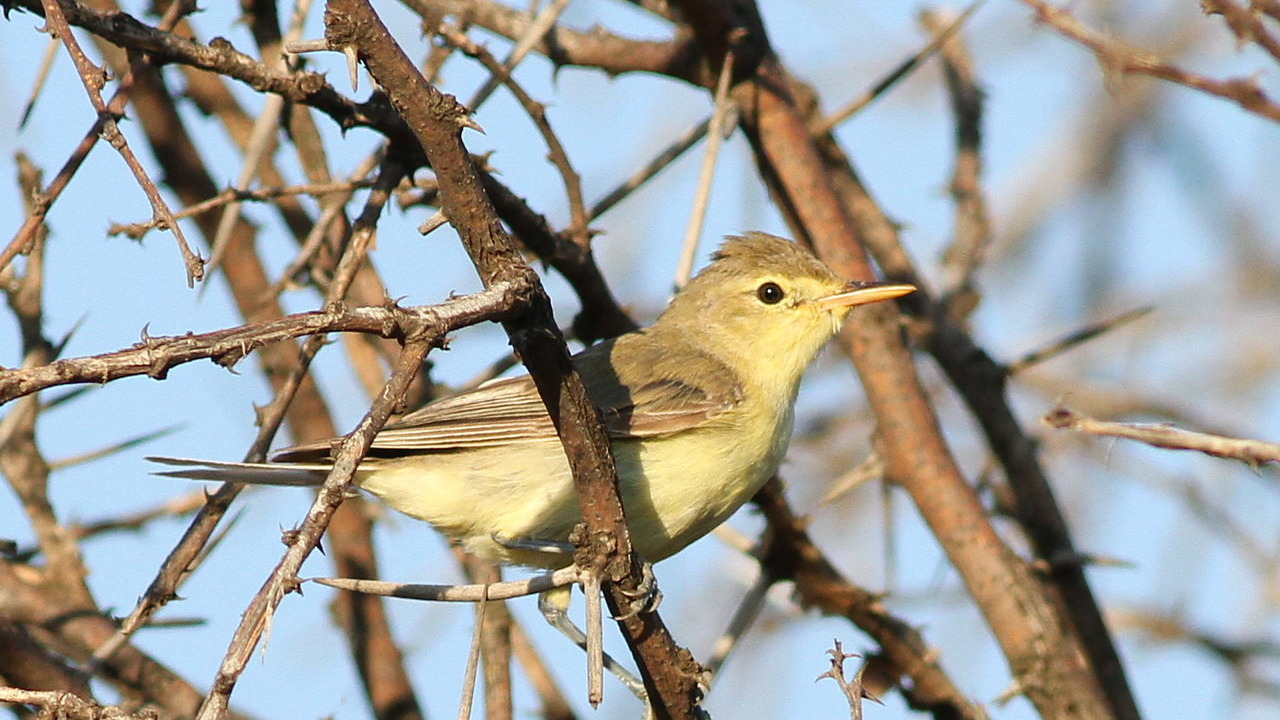
Ten Migrants Followed Early-slow and Late-fast Passage Strategies Through Nigeria
Twenty-four years of ringing data from Jos showed striking species differences in migration timing: Icterine Warblers were among…
Read story →
UK Breeding Bird Survey: Swift Index Fell 70% as Scotland’s Chiffchaff Index Rose 1,443%
The 2025 UK Breeding Bird Survey revealed steep long-term declines, major regional divergences and some striking increases, including…
Read story →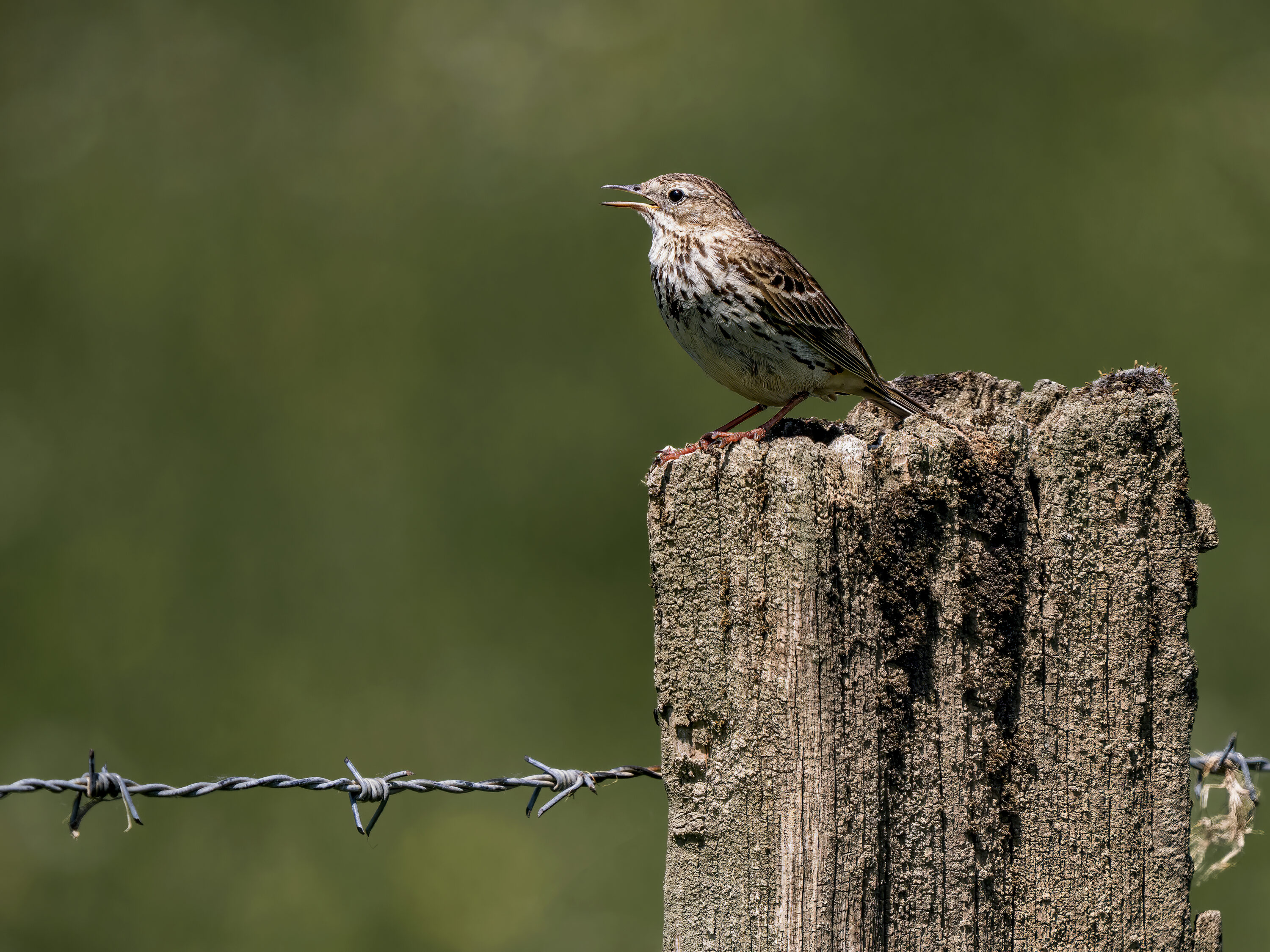
Young Tree Pipits Learn Songs From Several Local Tutors
A ten-year English study found that young male tree pipits build unique repertoires from several local singers rather…
Read story →SPECIES IN THIS STORY
Species in this story
Independent research and conservation news archive
Did you find this information useful?
Wildlife Vagabond is independently built and maintained. Voluntary support helps cover source verification, hosting and continued work on research and conservation news.
Support Wildlife VagabondThe news archive will remain freely available.