
Upper Columbia Project Documented 69 Barn Swallow Breeding Sites
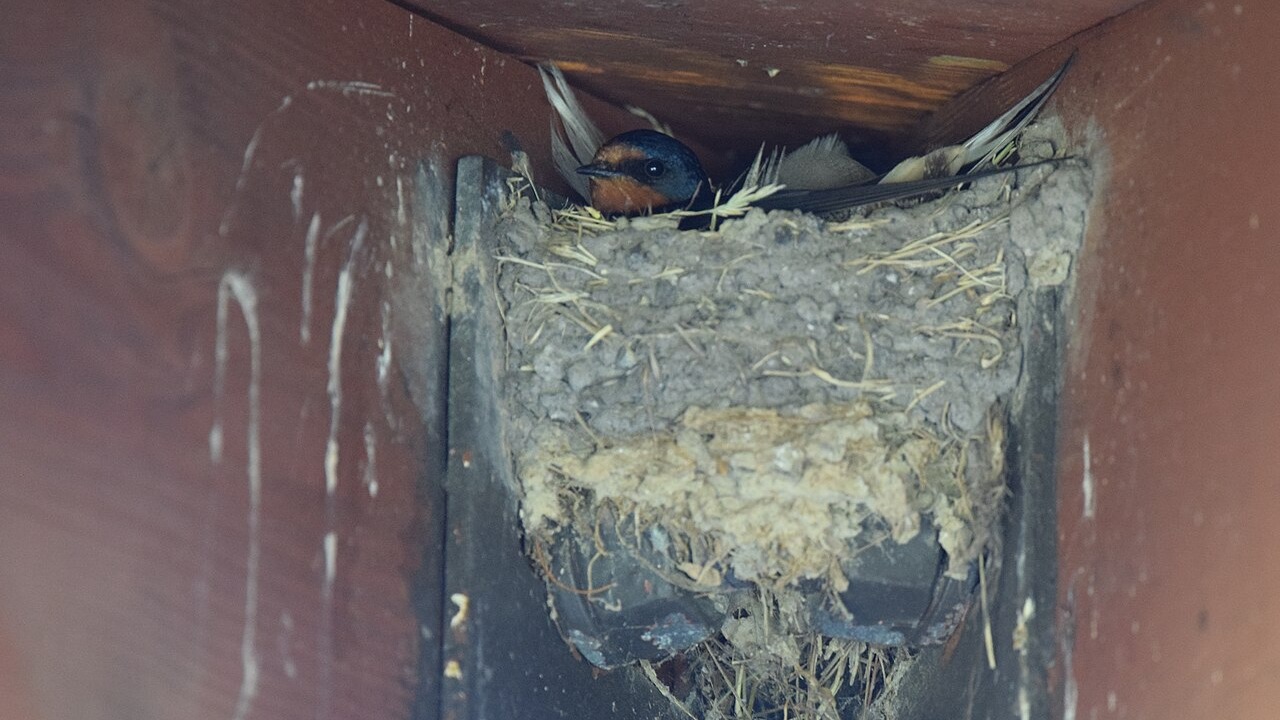
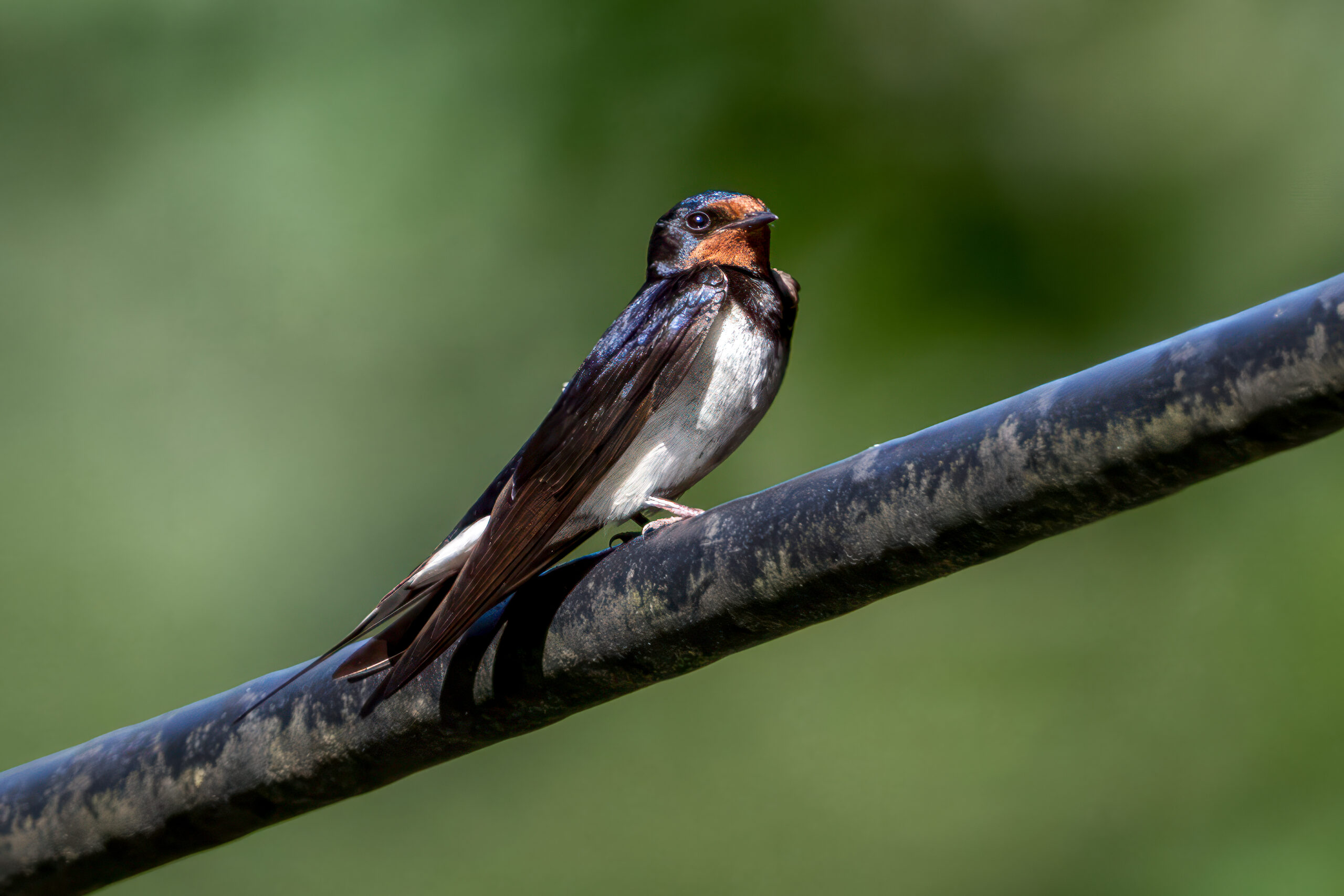
A five-year habitat project in British Columbia, Canada’s Upper Columbia Valley documented 69 breeding sites for barn swallow (Hirundo rustica), comprising 140 nesting structures. Including the project’s 2020 pilot year, the number of known Barn Swallow sites increased from 24 to 69 and the number of known nesting structures from 45 to 140. The report presents this as an expansion in the network of known Barn Swallow breeding habitat. The final report, published in March 2026, describes efforts to increase and protect breeding habitat for barn swallow and bank swallow.
The five-year project worked at 29 enhancement sites
Between 2021 and 2025, the Upper Columbia Swallow Habitat Enhancement Project carried out restoration and enhancement work at 29 sites. Measures for barn swallow included purpose-built nesting structures, artificial nest cups on existing buildings and cooperation with landowners to retain active nesting sites. The project also recorded breeding locations that had not previously been documented.
Across both target species, the report estimates that the project enhanced about 2,175 hectares when the surrounding foraging area was included. The estimate reflects the landscape used by swallows around their nesting places rather than only the physical footprint of the constructed or restored sites.
Nest removal remained a documented threat at barn swallow sites. Outreach to landowners, industry and local groups was reported to have reduced nest removal and improved coexistence at several locations. Volunteers and partner organisations also expanded the area that could be monitored.
Barn Swallow enhancements had mixed uptake
The project used an adaptive approach because no single artificial nesting-structure design is known to work best for Barn Swallows. Seven artificial nesting structures were built between 2021 and 2023, and 109 nest cups were installed across artificial structures and existing buildings. Seventeen nest cups showed some degree of use.
Results differed strongly among sites. Some structures showed repeated nesting or nest-building activity, including successful nesting at the Zehnder structure and repeated use at the Edgewater site, while other structures and nest cups remained unused. The project therefore adjusted some sites with predator guards, perches, nesting substrates and other changes based on monitoring.
Restoration
Related news
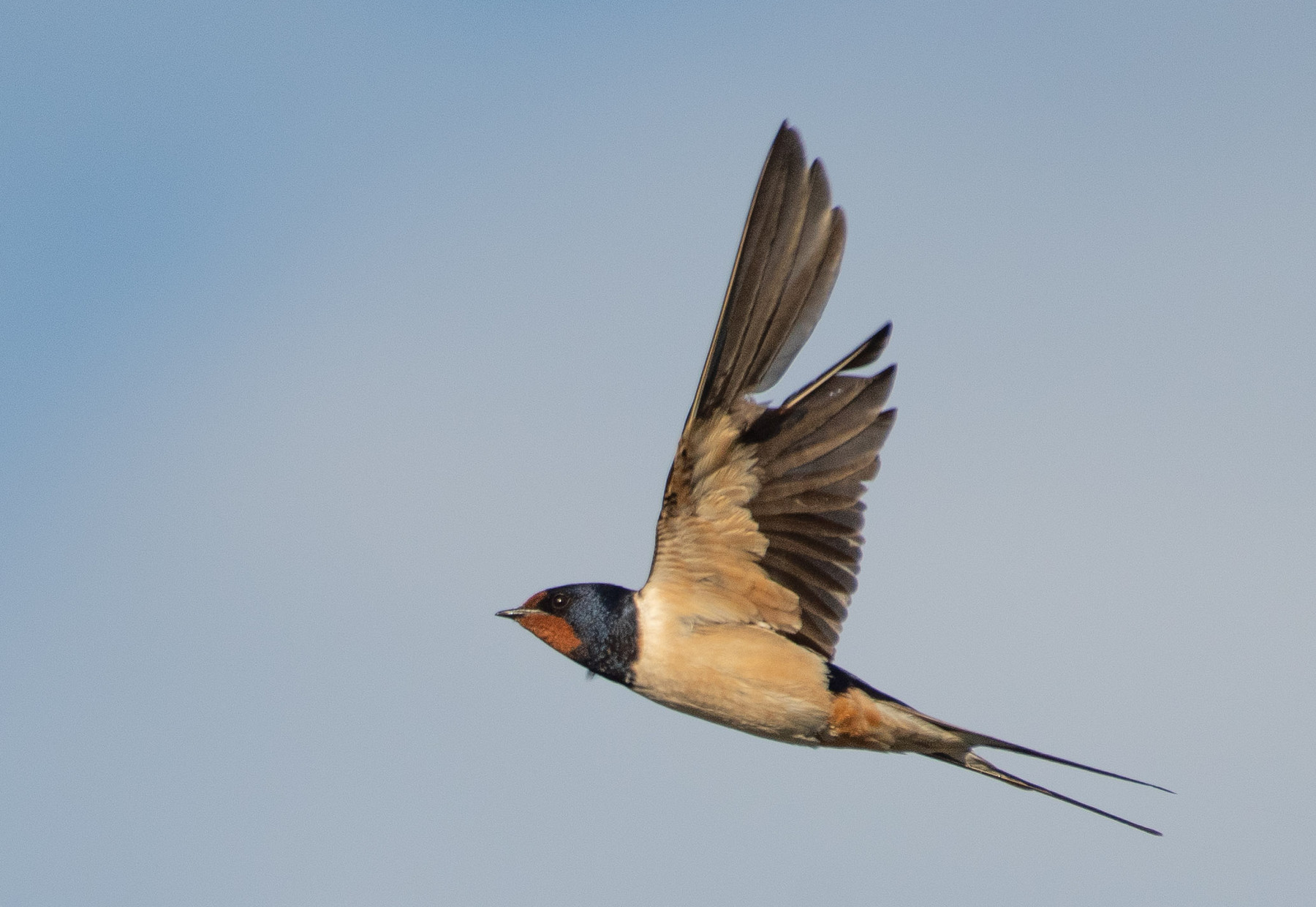
Usutu Virus RNA Was Found Nearly Three Times as Often as West Nile Virus RNA in Southern France
Among 2,533 wild birds from 69 species in southern France, Usutu virus RNA was detected in 12.0% and…
Read story →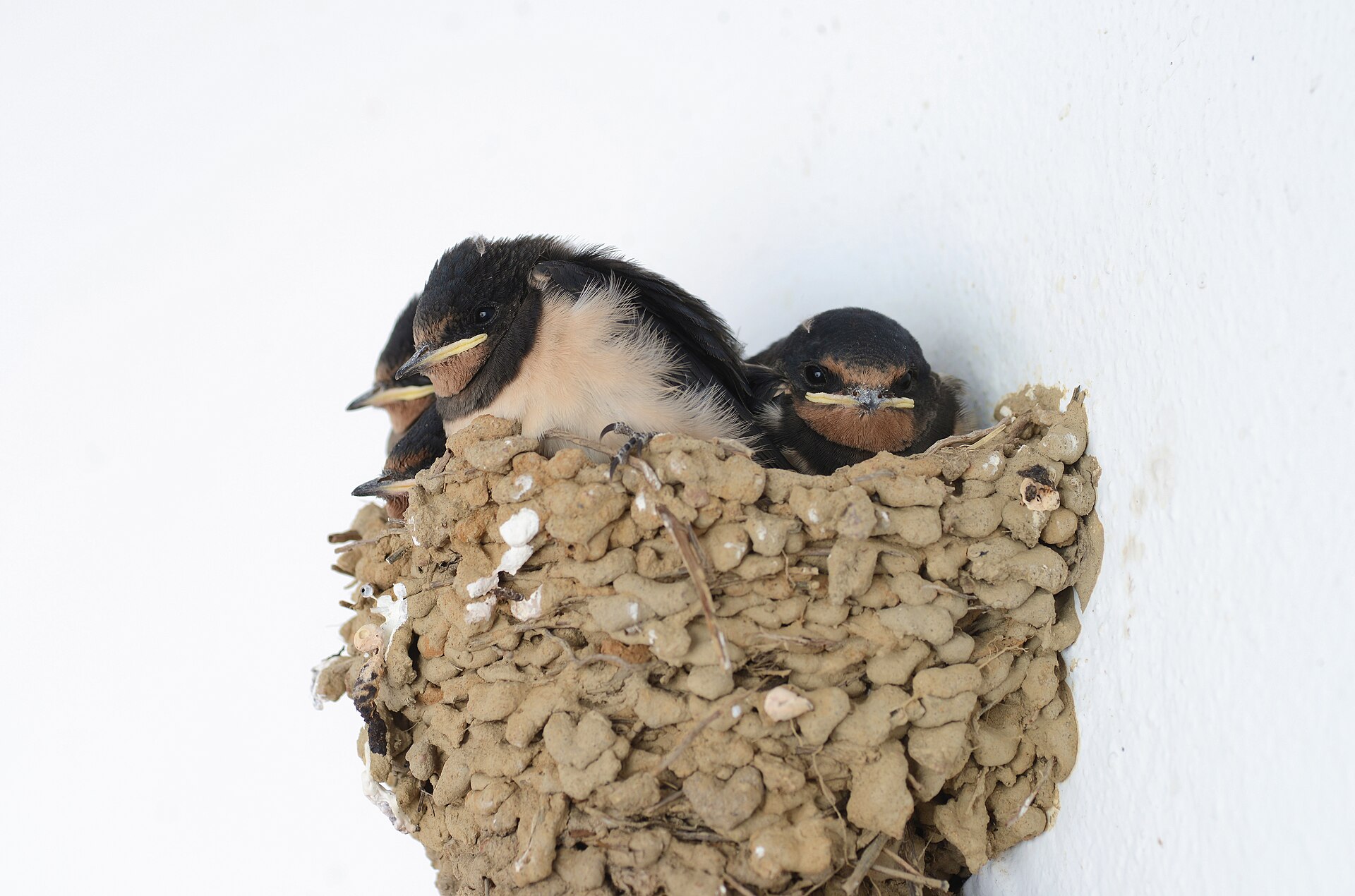
Larger Broods and Older Social Fathers Were Linked to Shorter Telomeres in Male Barn Swallow Nestlings
A long-term study near Milan found shorter telomeres in male barn swallow nestlings from larger broods or with…
Read story →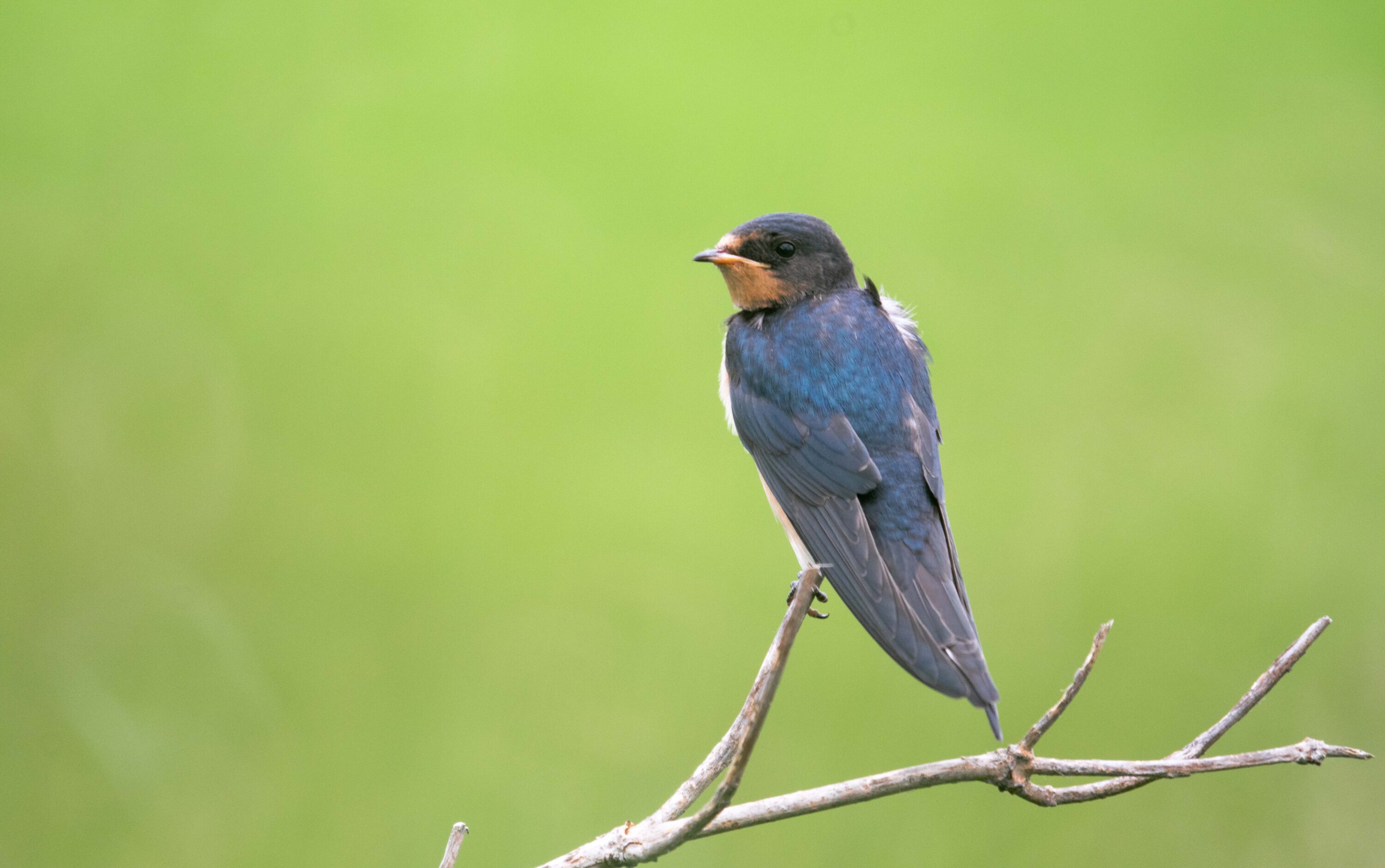
Mitochondrial DNA Reveals a More Complex Evolutionary History of Barn Swallows
A study of 580 complete barn swallow mitochondrial genomes found five major maternal lineages, including a newly recognised…
Read story →SPECIES IN THIS STORY
Species in this story
Independent research and conservation news archive
Did you find this information useful?
Wildlife Vagabond is independently built and maintained. Voluntary support helps cover source verification, hosting and continued work on research and conservation news.
Support Wildlife VagabondThe news archive will remain freely available.