
Western Finland’s Short-eared Owl Breeding Population Fell More Than 50% as Grassy Habitat Shrunk 46%
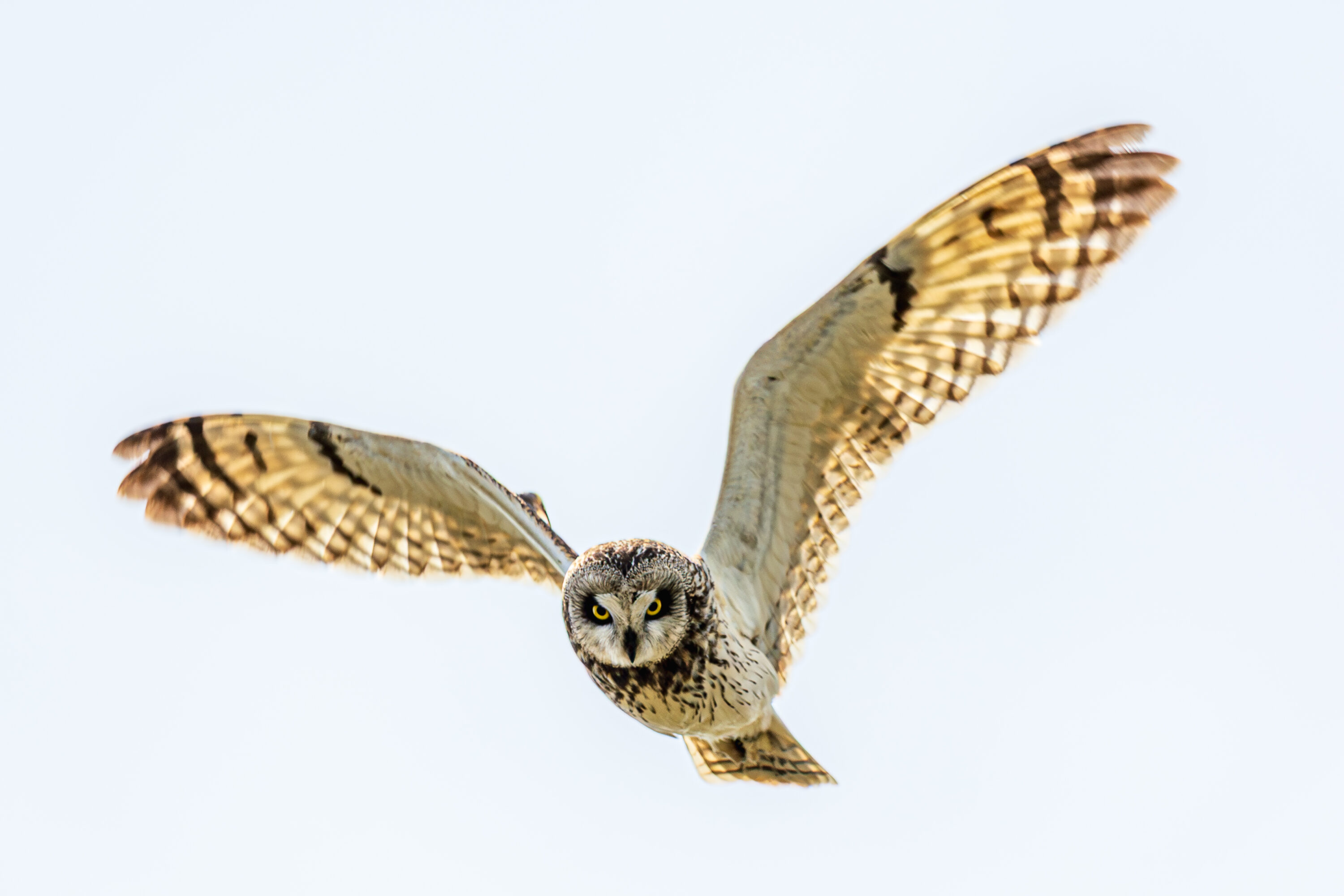
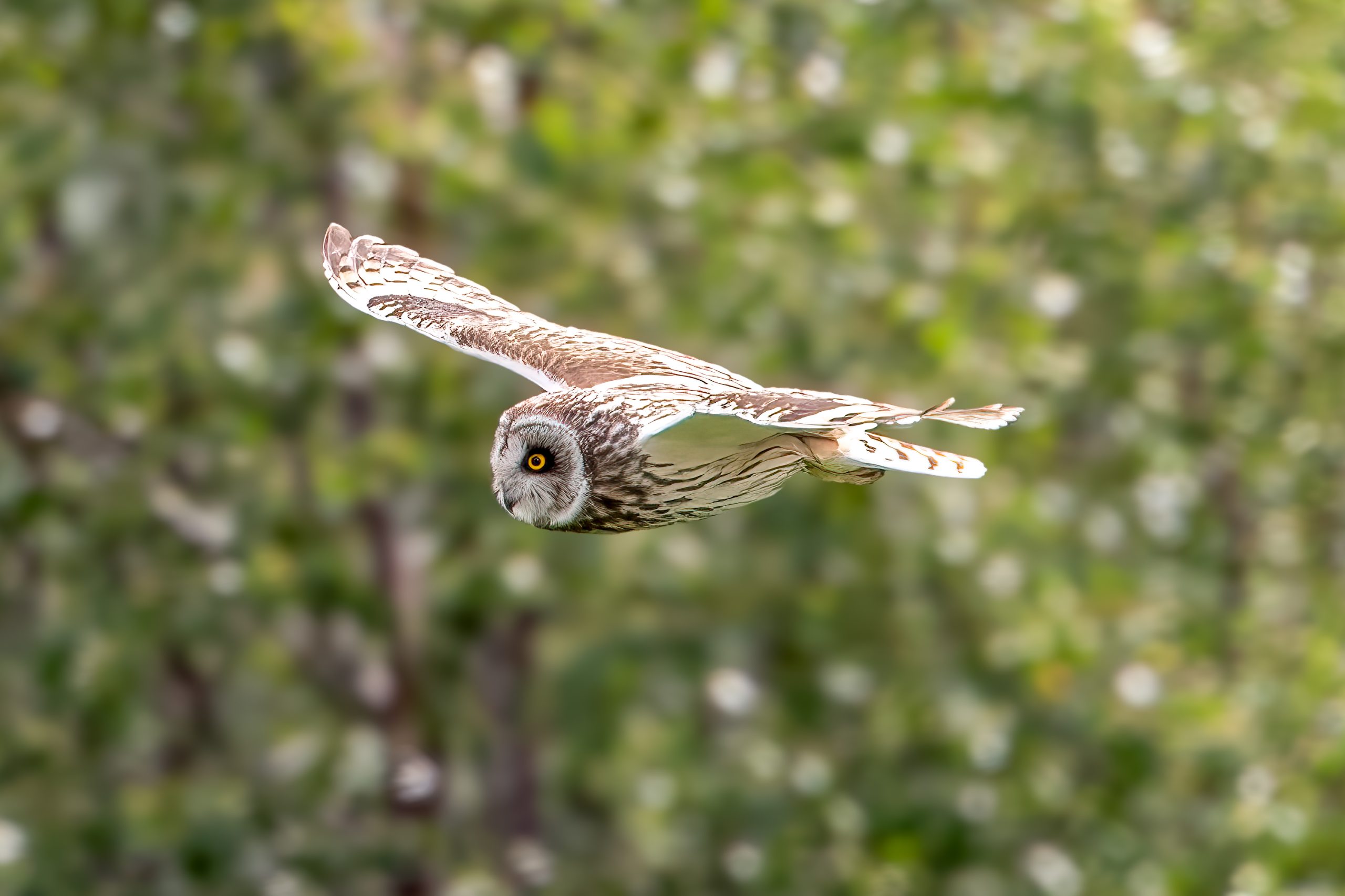
A 47-year study in western Finland found that the local breeding population of Short-eared Owls (Asio flammeus) declined by more than half as grassy farmland habitats important to their vole prey shrank by 46%.
Detailed breeding monitoring from 1977 to 2006 showed how strongly the owls tracked food. More Short-eared Owls bred in years with abundant spring voles, and those years also produced larger clutches and more nestlings. Nest failures were attributed mainly to agricultural activity and predation.
The researchers extended population monitoring across a broader area of about 1,000 km² through 2023. Across the full 47-year period, the local breeding population declined by more than 50%, with the modelled long-term trend corresponding to an average annual decrease of 2.8%.
Over the same period, pastures and hay fields were increasingly replaced by cereal, potato and oilseed crops, while open drainage systems became less common. Together these changes reduced grassy habitats suitable for voles and foraging owls by 46%. The authors conclude that structural simplification of farmland associated with agricultural intensification is a primary driver of the long-term decline in this grassland and farmland population.
Threats
Related news
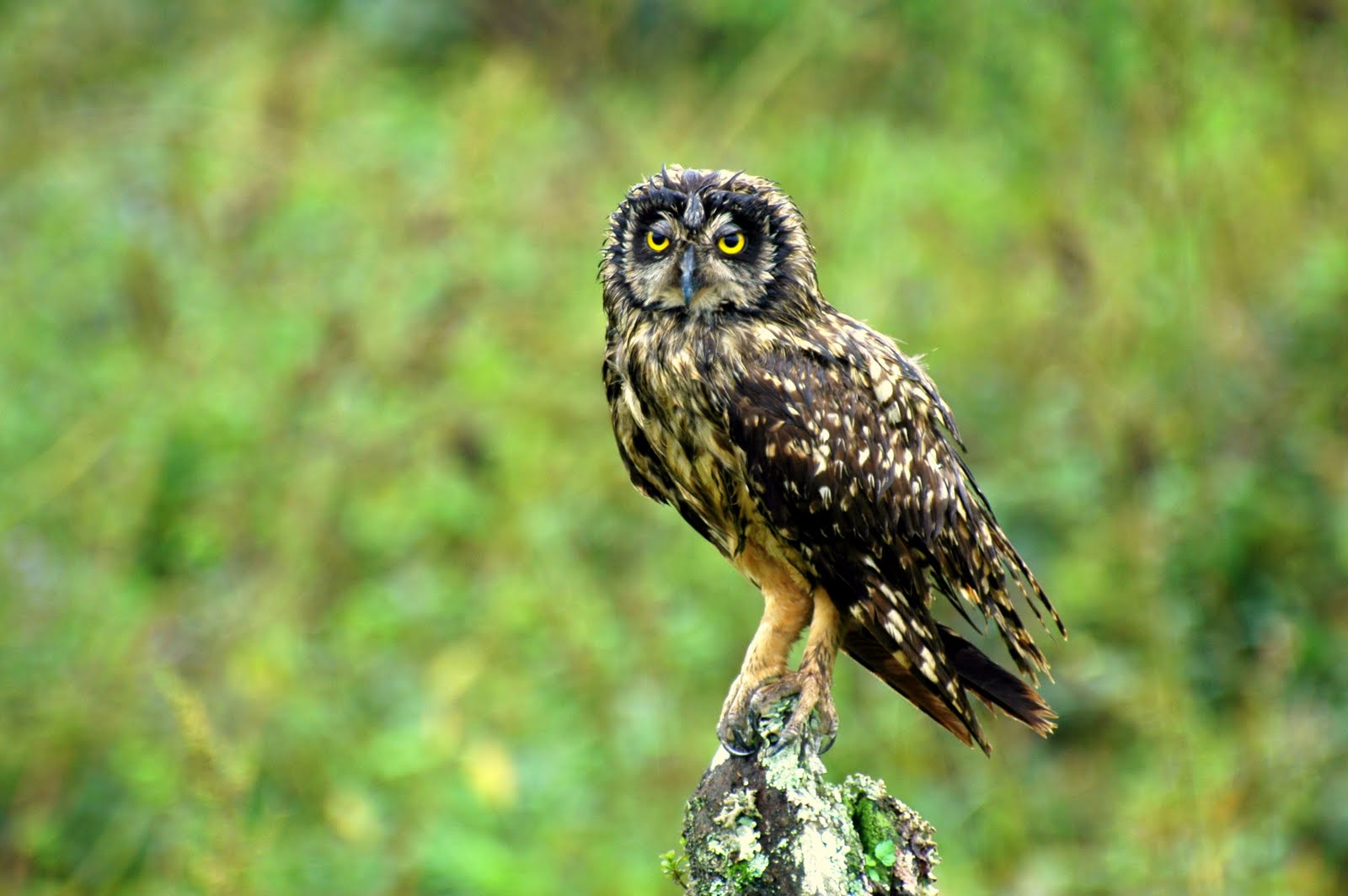
Galápagos Short-eared Owls Shared Volcanic Dust Baths on Floreana
Camera traps and field observations on Floreana documented repeated use of fine volcanic dust baths by Galápagos Short-eared…
Read story →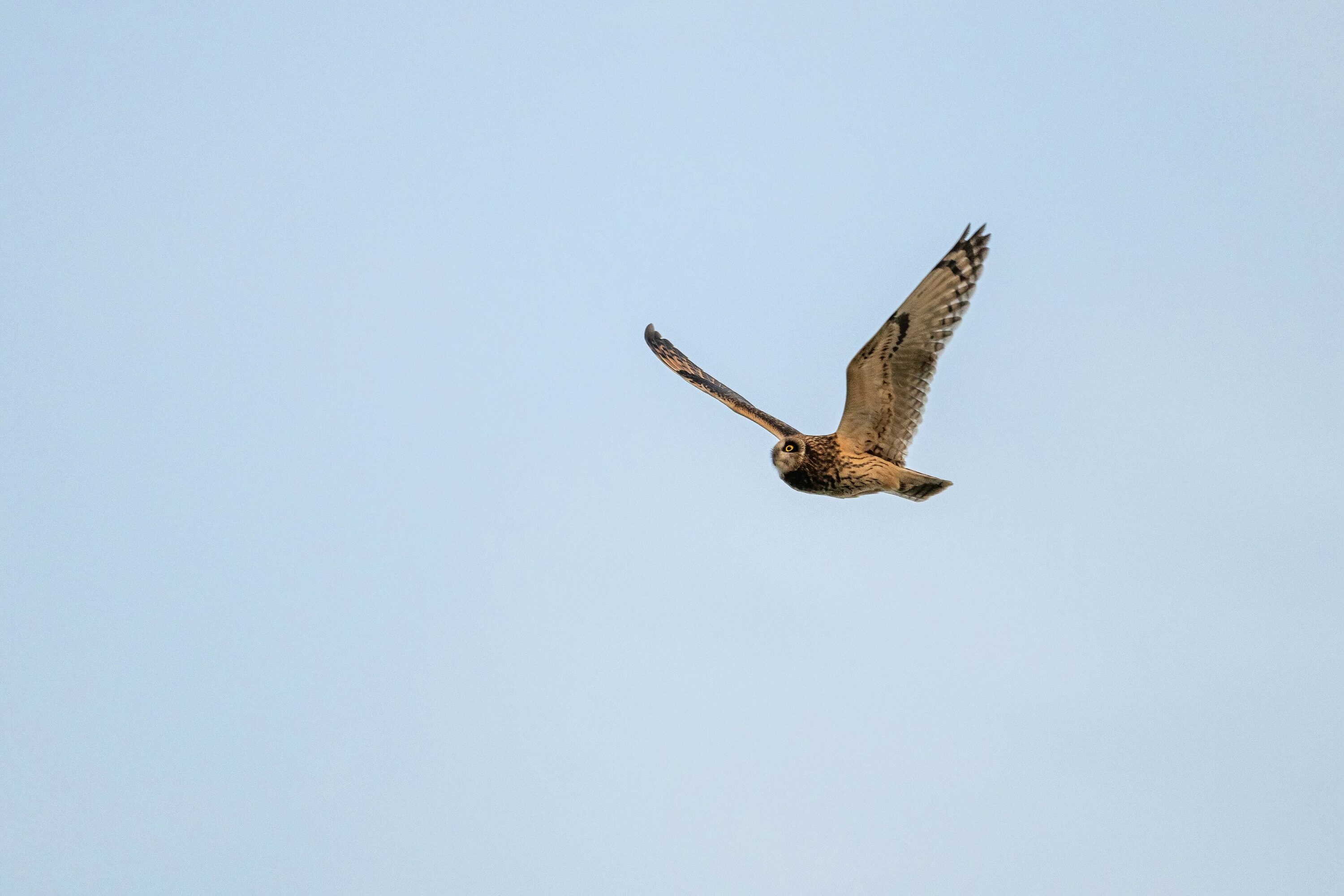
Short-eared Owls Wintering in Taiwan Used Two Distinct Spring Migration Routes
Seventeen GPS-tagged Short-eared Owls departed Taiwan in spring: 11 used a continental route through eastern China and six…
Read story →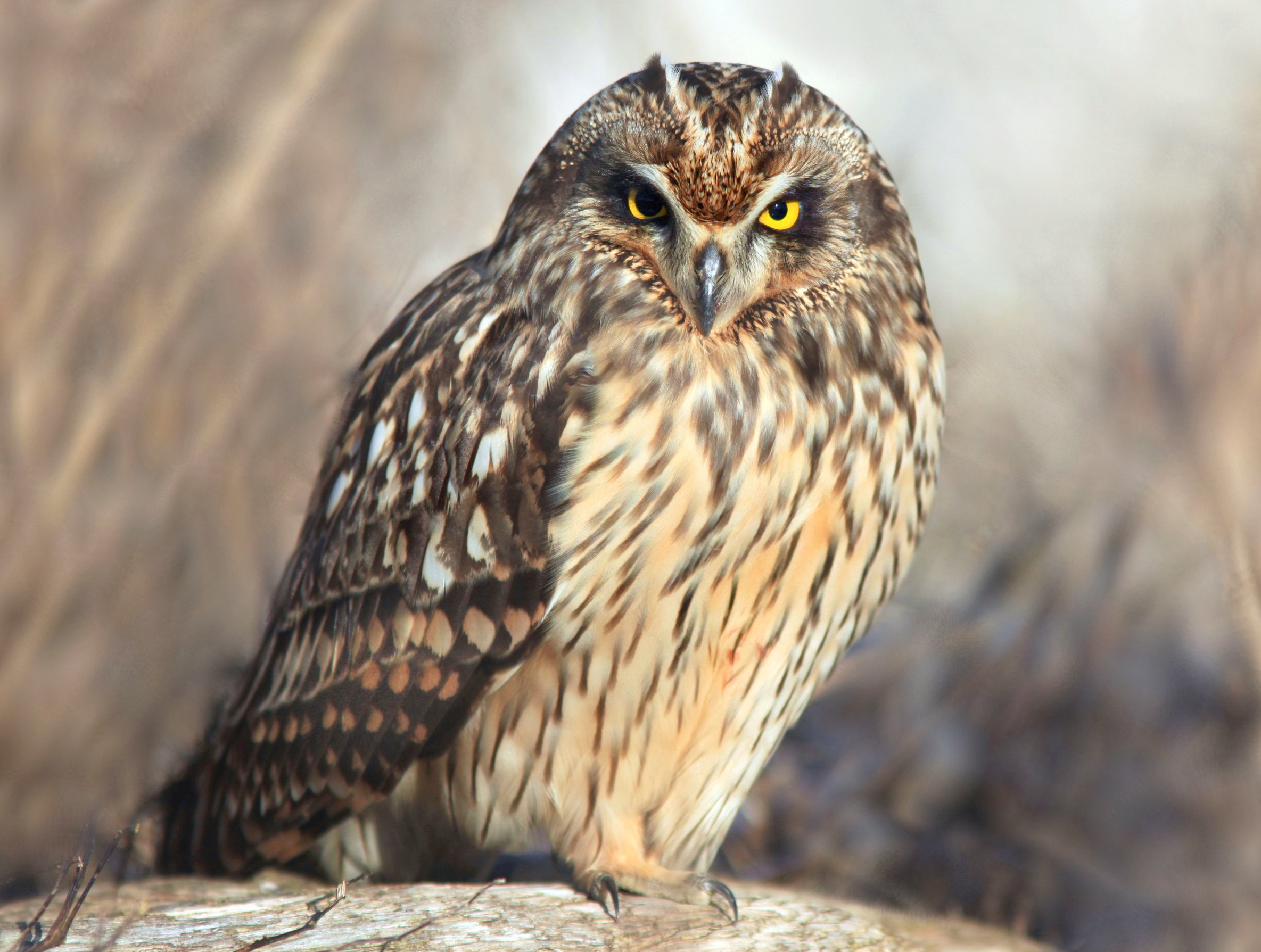
Only 2% of the Southern Québec Study Area Was Classified as Very High-Quality Short-eared Owl Breeding Habitat
A 2026 Québec study found that only about 2% of the modelled area fell in the highest breeding-habitat…
Read story →SPECIES IN THIS STORY
Species in this story
Independent research and conservation news archive
Did you find this information useful?
Wildlife Vagabond is independently built and maintained. Voluntary support helps cover source verification, hosting and continued work on research and conservation news.
Support Wildlife VagabondThe news archive will remain freely available.