
Whooper Swan Grazing Cut Wetland Plant Biomass Nearly in Half in Finnish Experiment
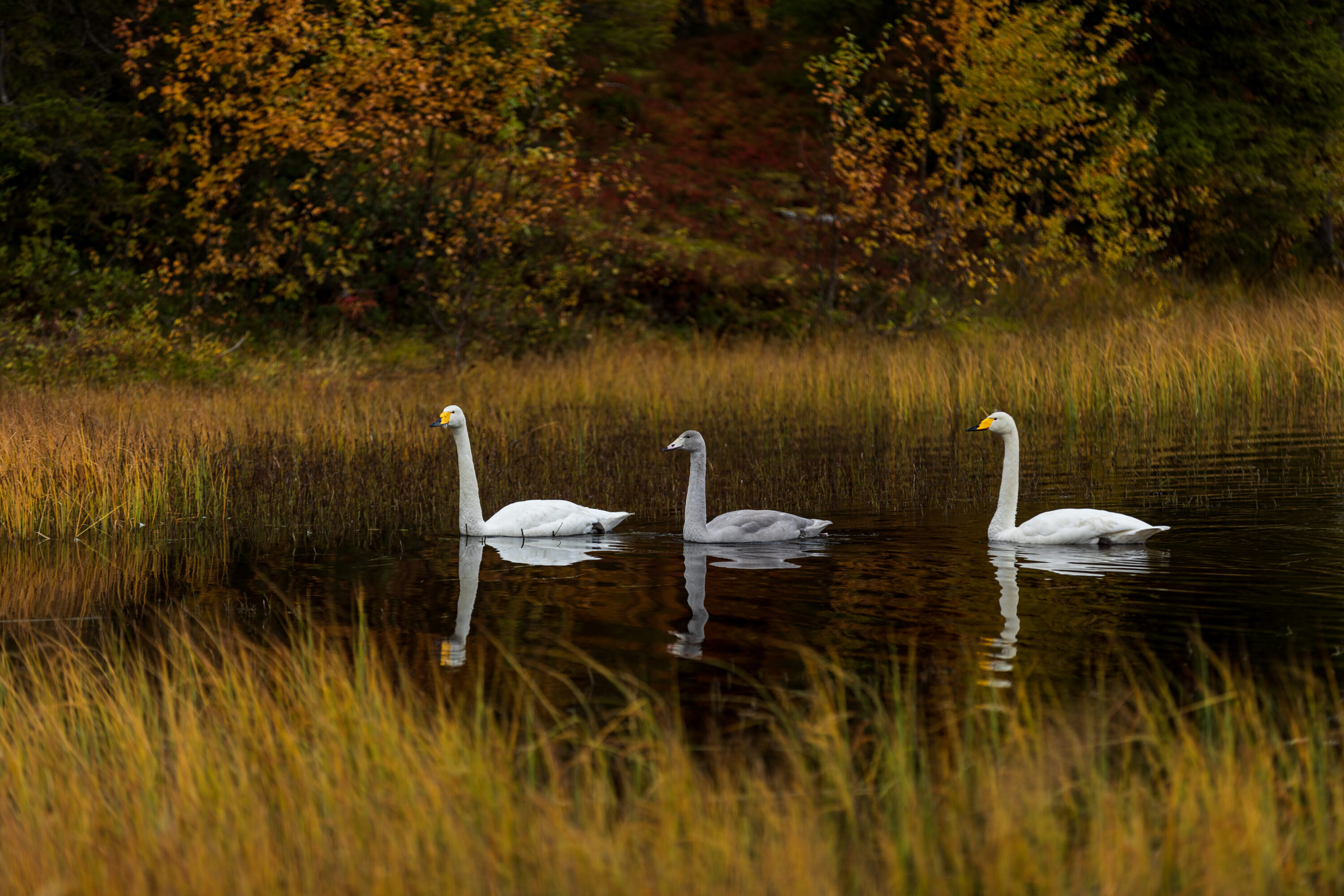
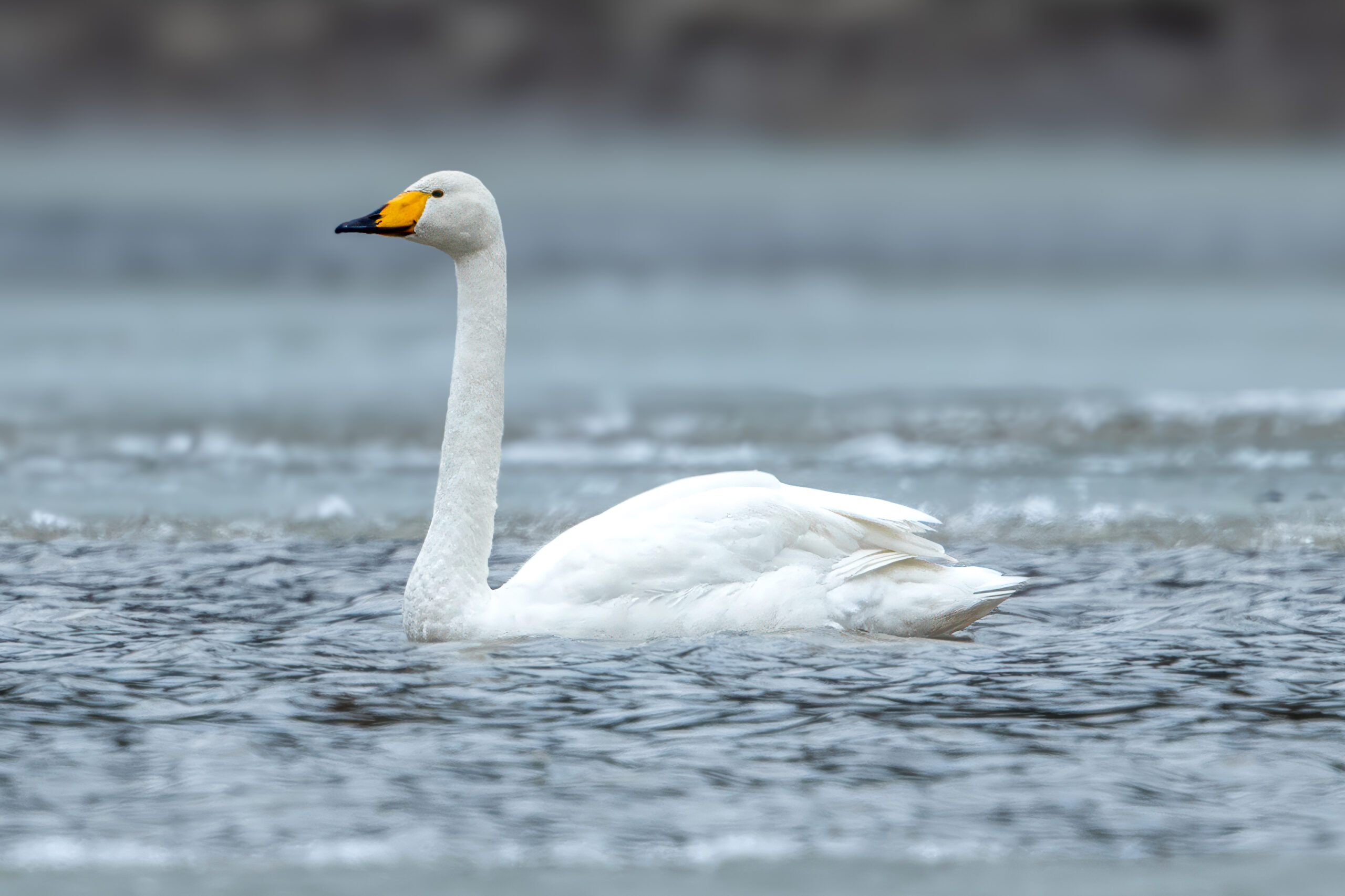
Whooper swan (Cygnus cygnus) grazing substantially reduced wetland vegetation in a field experiment across ten boreal wetlands in Finland. The study, published on 5 March 2026, compared fenced plots that excluded swans with nearby open plots exposed to normal grazing.
The experiment ran through the 2023 breeding season, from April to August. Researchers measured plant biomass, height, cover and species richness and also sampled aquatic macroinvertebrates to test whether changes in vegetation were accompanied by effects at another trophic level.
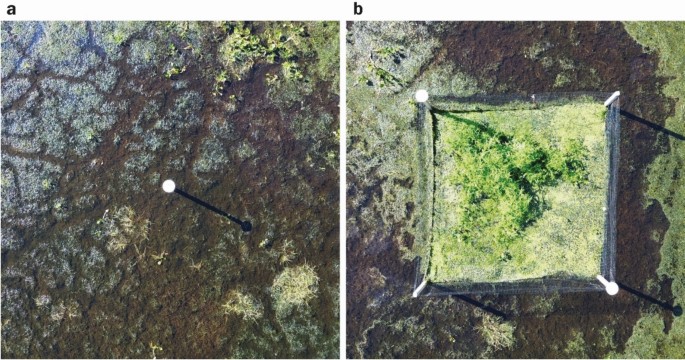
Protected plots held far more vegetation
Aboveground plant biomass was 84% higher inside the swan exclosures than in the open control plots, averaging 52.2 compared with 28.4 g dry weight. Vegetation cover was 86% higher inside the protected plots, and vegetation height and plant-species richness also increased when swan grazing was excluded.
The strongest effects were found in water horsetail (Equisetum fluviatile) and graminoid vegetation. Horsetail biomass, cover and height were all significantly greater inside exclosures, while graminoid biomass and cover were also significantly higher.
Macroinvertebrates changed much less
The researchers had expected the extra vegetation inside exclosures to support more aquatic macroinvertebrates. That part of the prediction was not supported. They found little evidence that excluding swans affected either the total abundance or the taxonomic richness of aquatic macroinvertebrates, and none of the commonly analysed invertebrate groups differed significantly between treatments.
The authors therefore conclude that the clearest ecological effect detected over the study season was on the vegetation itself rather than a measurable cascading effect on the aquatic invertebrate community.
Even breeding pairs can have a clear local effect
Large flocks were not present at the study wetlands. Most sites held only a territorial breeding pair, sometimes with cygnets. The results therefore show that relatively low densities of whooper swans can still exert substantial grazing pressure when the same birds repeatedly use a wetland through the breeding season.
Ecology
Related news
Whooper Swans in Urban and Natural Xinjiang Wetlands Had Different Gut Microbiomes
A study of 34 faecal samples found clear differences in gut bacterial communities between whooper swans wintering in…
Read story →
Gut Microbial Communities Differed Between Pre- and Post-migration Whooper Swan Samples in Xinjiang
Metagenomic sequencing of 24 whooper swan fecal samples from Xinjiang found similar overall microbial diversity before and after…
Read story →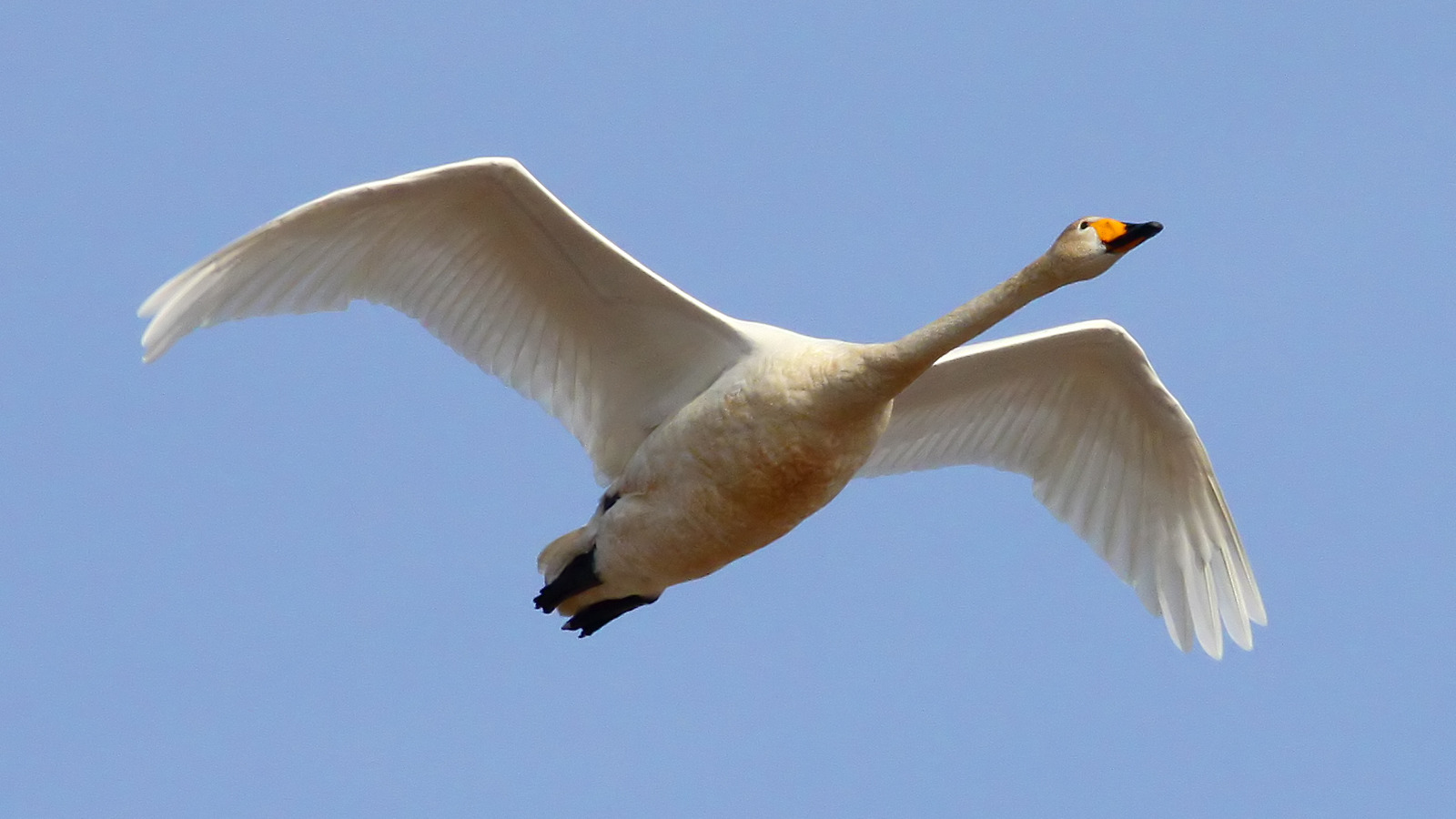
Eleven of 12 Tagged Whooper Swans Shared an Early Spring Migration Axis Before Routes Diverged
GNSS tracking of 12 whooper swans from South Korea’s Nakdong Estuary found that 11 initially used the same…
Read story →SPECIES IN THIS STORY
Species in this story
Independent research and conservation news archive
Did you find this information useful?
Wildlife Vagabond is independently built and maintained. Voluntary support helps cover source verification, hosting and continued work on research and conservation news.
Support Wildlife VagabondThe news archive will remain freely available.