
Wild Boar Shifted From Grass Leaves Toward Herb Roots as the Growing Season Ended in Central Poland
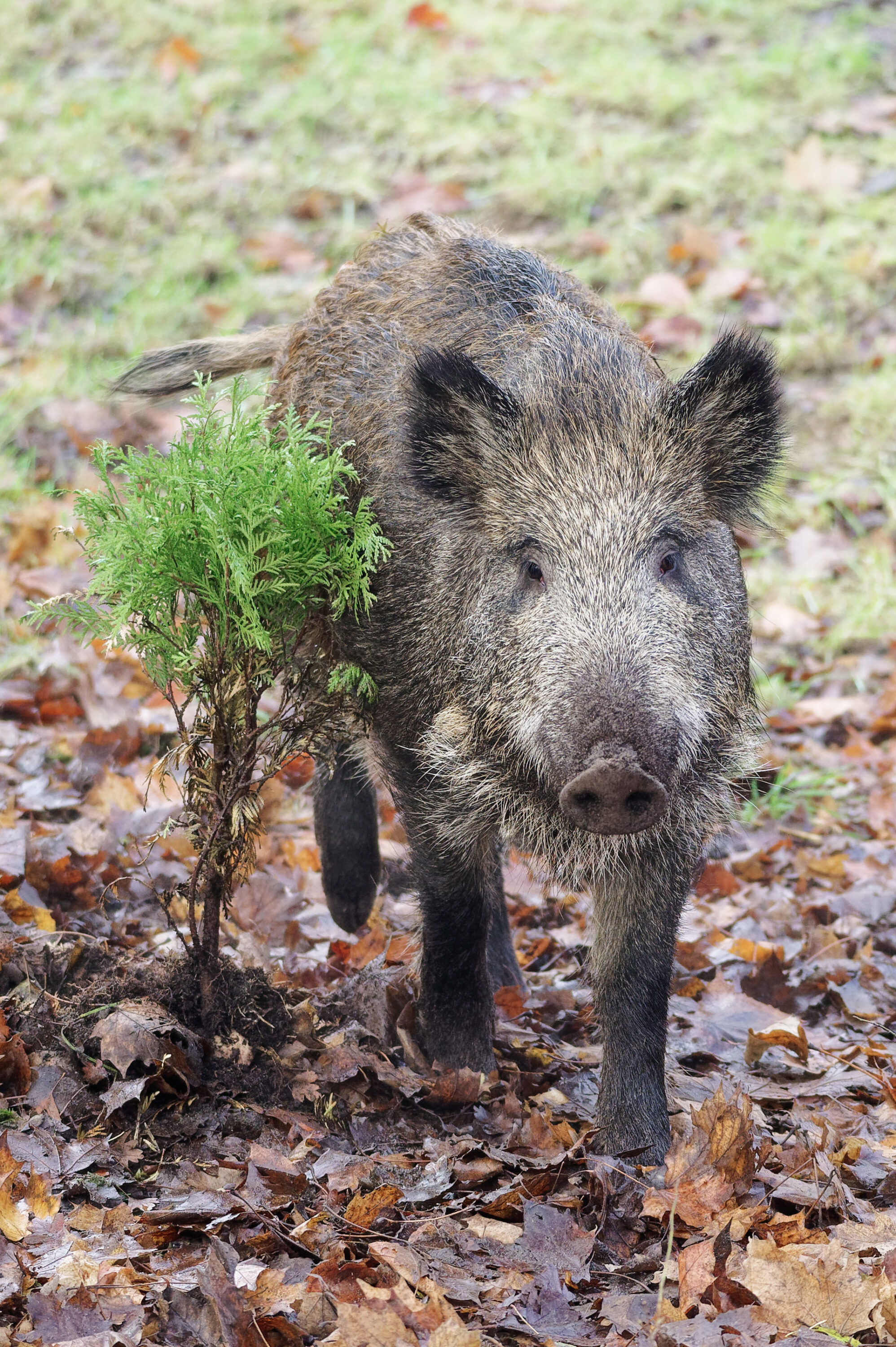
Wild boar (Sus scrofa) in a forest–agricultural landscape of central Poland changed which parts of understory plants they ate as the seasons progressed. Stomach contents from 470 animals showed that grass leaves were especially important during spring and early summer, while roots of herbaceous plants became more prominent toward autumn and winter. The study was published in Animals on 28 August 2026.
The animals came from the Spała Forest District in the Pilica Primeval Forest, where forest and agricultural land form a mosaic. Researchers divided the year into six periods based on plant development and separated four understory food fractions from the stomach contents: grass leaves, herb leaves, grass roots and herb roots.
Understory vegetation remained a year-round resource
Understory plants were a persistent part of the diet rather than a seasonal food used only occasionally. At least one of the four fractions occurred in 82.5% of all stomach samples, and the overall composition of grasses and herbs remained more than 80% similar between successive seasonal periods. What changed most strongly was which plant parts the boar used.
Grass leaves peaked early, herb roots later
Grass leaves were the most frequently recorded fraction. They occurred in 82.3% of samples during spring greening and 90.9% during the June–July flowering period, when young aboveground tissues were abundant. Their contribution declined later in the growing season.
Herb roots showed the opposite tendency. They occurred in 37.5% of samples during the autumn shedding period, compared with 15.2% during both greening and flowering. Grass roots remained uncommon throughout the year. The authors interpret the pattern as flexible foraging that tracks seasonal changes in plant development and food availability: aboveground tissues are especially useful while plants are actively growing, whereas underground storage organs become relatively more important as aboveground vegetation senesces.
The study covered only the understory part of the diet
Food availability in the surrounding farmland may also contribute to the autumn shift. After crops are harvested and agricultural foods become depleted, wild boar can turn more strongly toward the forest understory, where herb roots remain accessible through rooting. The study examined this understory component rather than the complete wild-boar diet, which also includes crops, tree seeds, animal food and other resources.
The result is therefore not a simple switch from plants above ground to roots below it. Understory vegetation remained a year-round food source, while wild boar adjusted the balance among leaves and roots as seasonal conditions changed. This combination of a broad diet and fine-scale seasonal flexibility helps explain how the species continues to exploit the same forest–agricultural landscape throughout the year.
Ecology
Related news
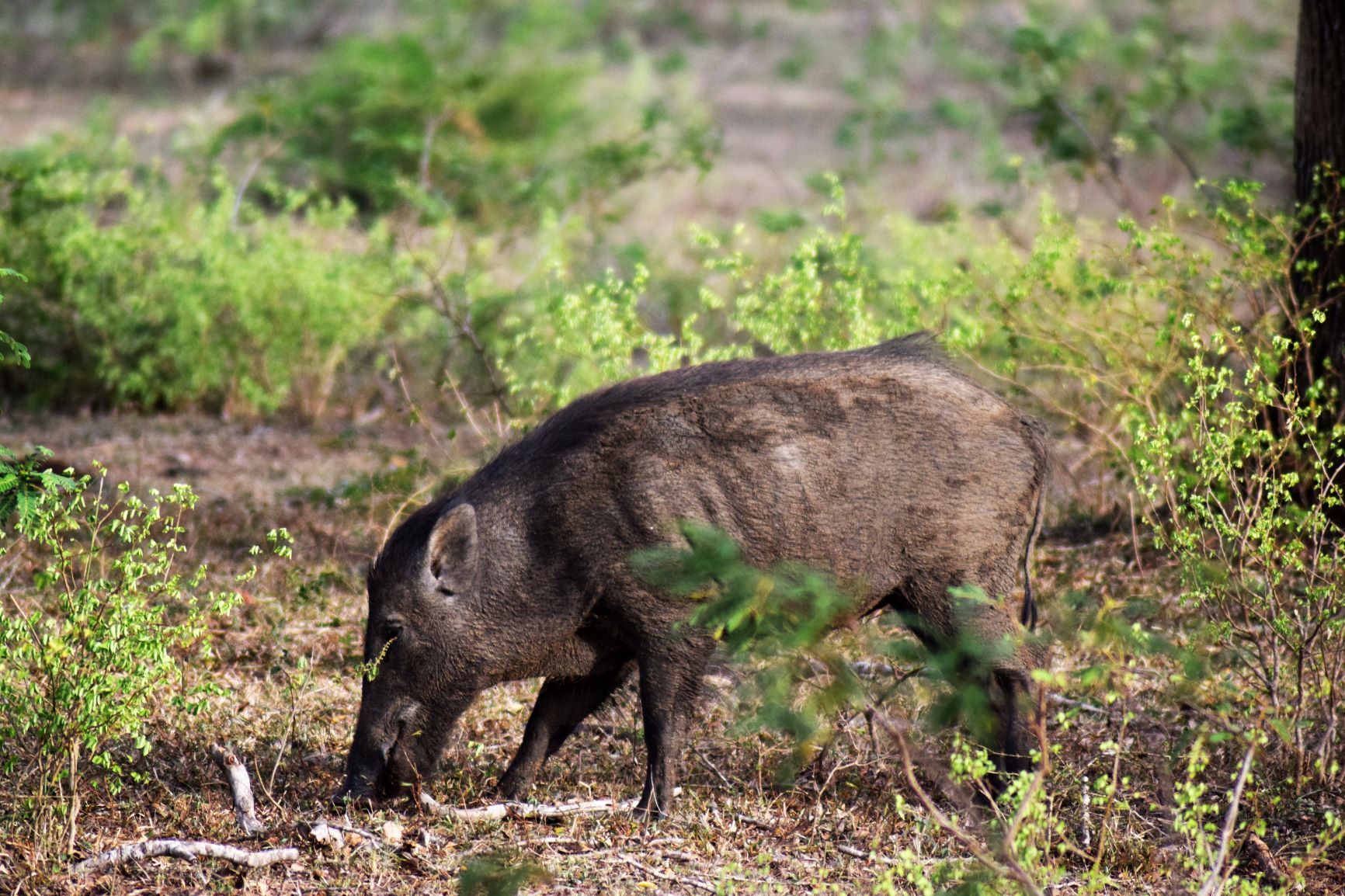
Maps Show Where Wild Boar Could Thrive and Spread on Jeju Island
Researchers mapped potentially suitable wild-boar habitat across roughly 36% of Jeju Island and identified eight possible corridors linking…
Read story →
Roe Deer and Wild Boar Remained Key Wolf Prey as Diet Shifted Across North-western Italy
From 2021 to 2025, wolves in north-western Italy continued to feed mainly on wild prey. In the Po…
Read story →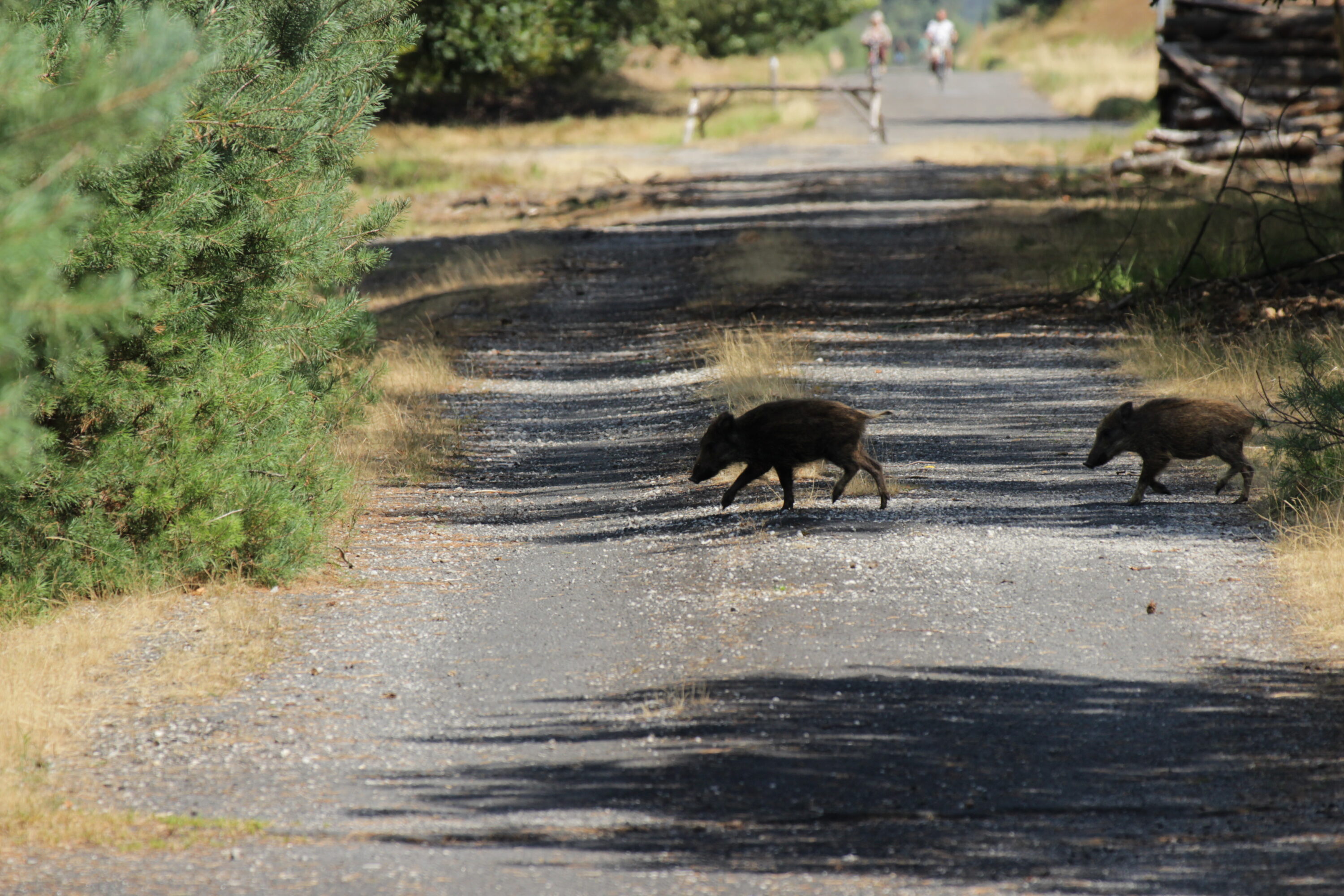
Copper levels in wild boar differed across Slovak districts
An analysis of kidney, liver and muscle from 147 wild boar in four districts found that iron and…
Read story →SPECIES IN THIS STORY
Species in this story
Independent research and conservation news archive
Did you find this information useful?
Wildlife Vagabond is independently built and maintained. Voluntary support helps cover source verification, hosting and continued work on research and conservation news.
Support Wildlife VagabondThe news archive will remain freely available.