
Review Links Willow Tit Decline to Loss of Key Forest Habitat Features
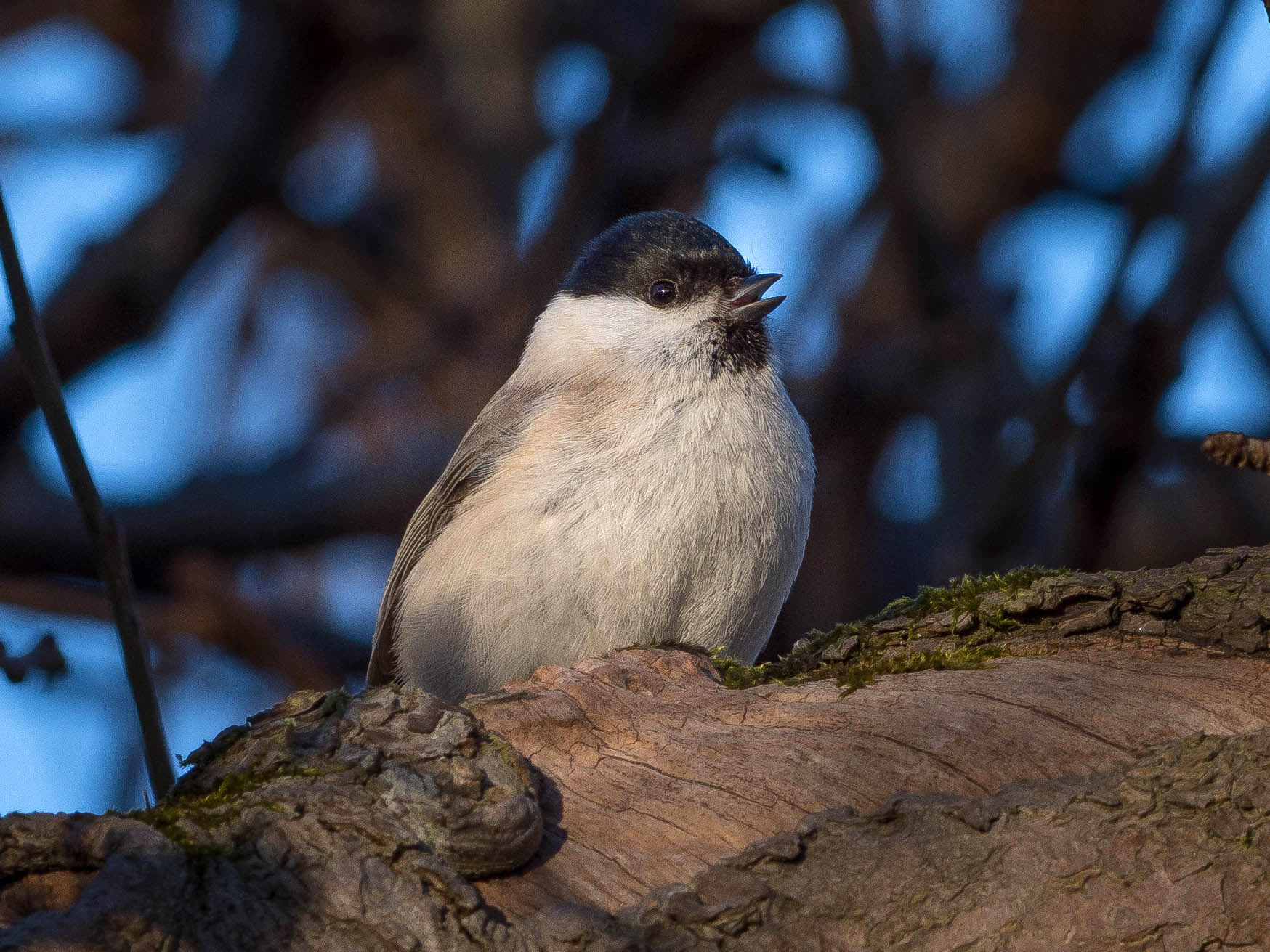
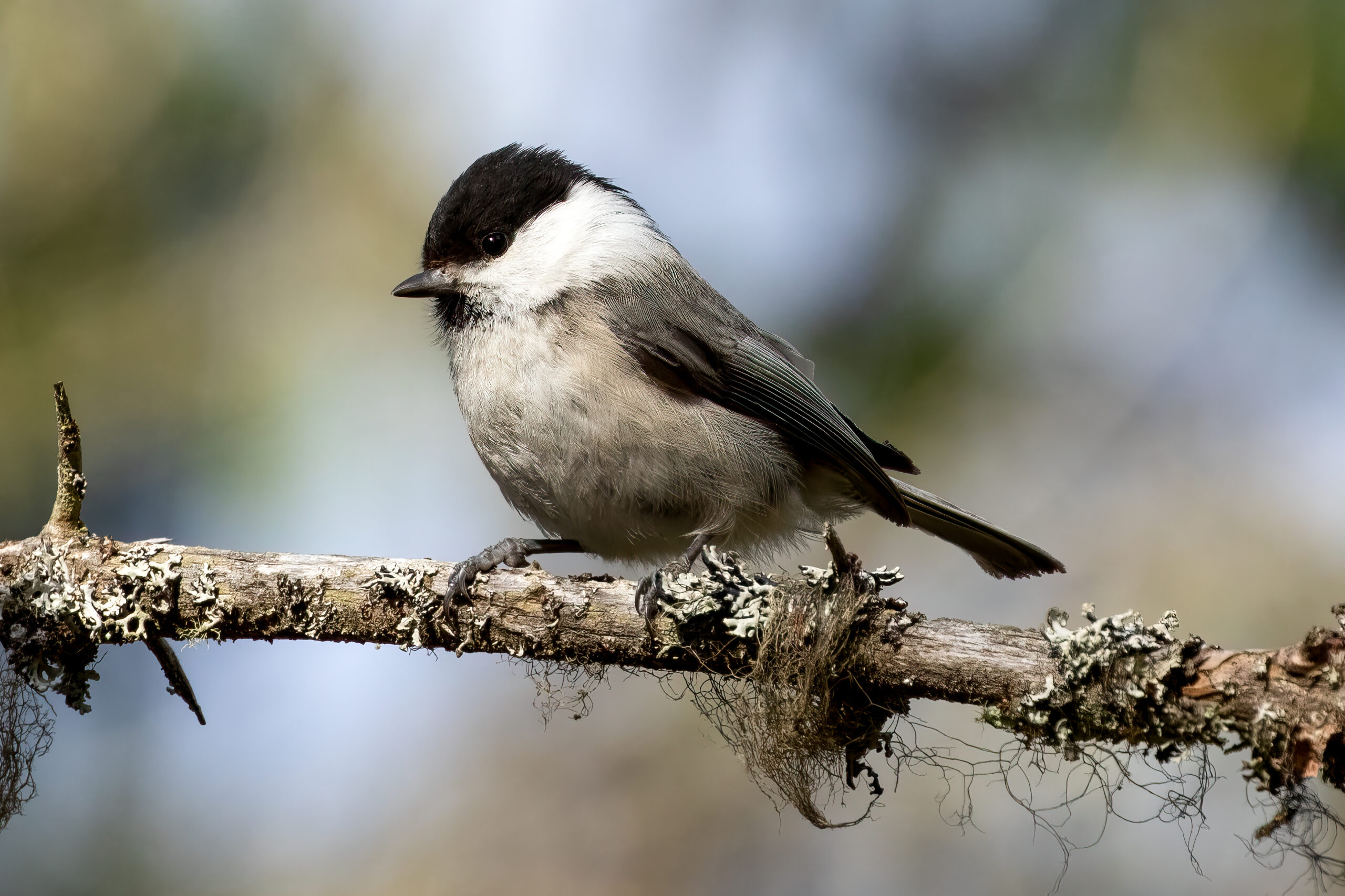
A 2026 review of willow tit (Poecile montanus) ecology concludes that several forest features repeatedly linked to survival and breeding success have been reduced by intensive forest management in Fennoscandia. The article, published in Ornis Svecica on 10 March, also examines whether habitat in Stockholm’s National City Park could again support breeding willow tits.
The review brings together research on understorey vegetation, standing dead and decaying wood, forest moisture, continuity of forest cover and old-growth forest. According to the author, the combined loss of these features can intensify population declines because they affect different parts of the species’ annual cycle and breeding ecology.
Decaying wood remains essential for nesting
Willow tits excavate their own nest cavities in soft, decaying wood. The review identifies a continuous supply of suitable standing dead wood as a fundamental habitat requirement, rather than simply the presence of dead wood at one point in time.
Dense understorey vegetation and moist forest conditions are also highlighted because they influence shelter, food availability and the structure of the habitat used by the birds. Forest continuity and old-growth characteristics can help maintain these features over longer periods.
A case study from Stockholm
The review includes a case study of the National City Park in Stockholm, where no breeding pairs of willow tits have been recorded for at least 30 years. The author identifies thinning and a shortage of suitable decaying wood as possible factors limiting the species’ return.
Proposed measures include expanding areas without thinning and retaining dead birch so that suitable nesting material remains available through time. At a broader scale, the review recommends reducing thinning intensity, maintaining continuous forest cover, protecting old-growth forest and restoring moist forest areas.
Habitat protection
Related news
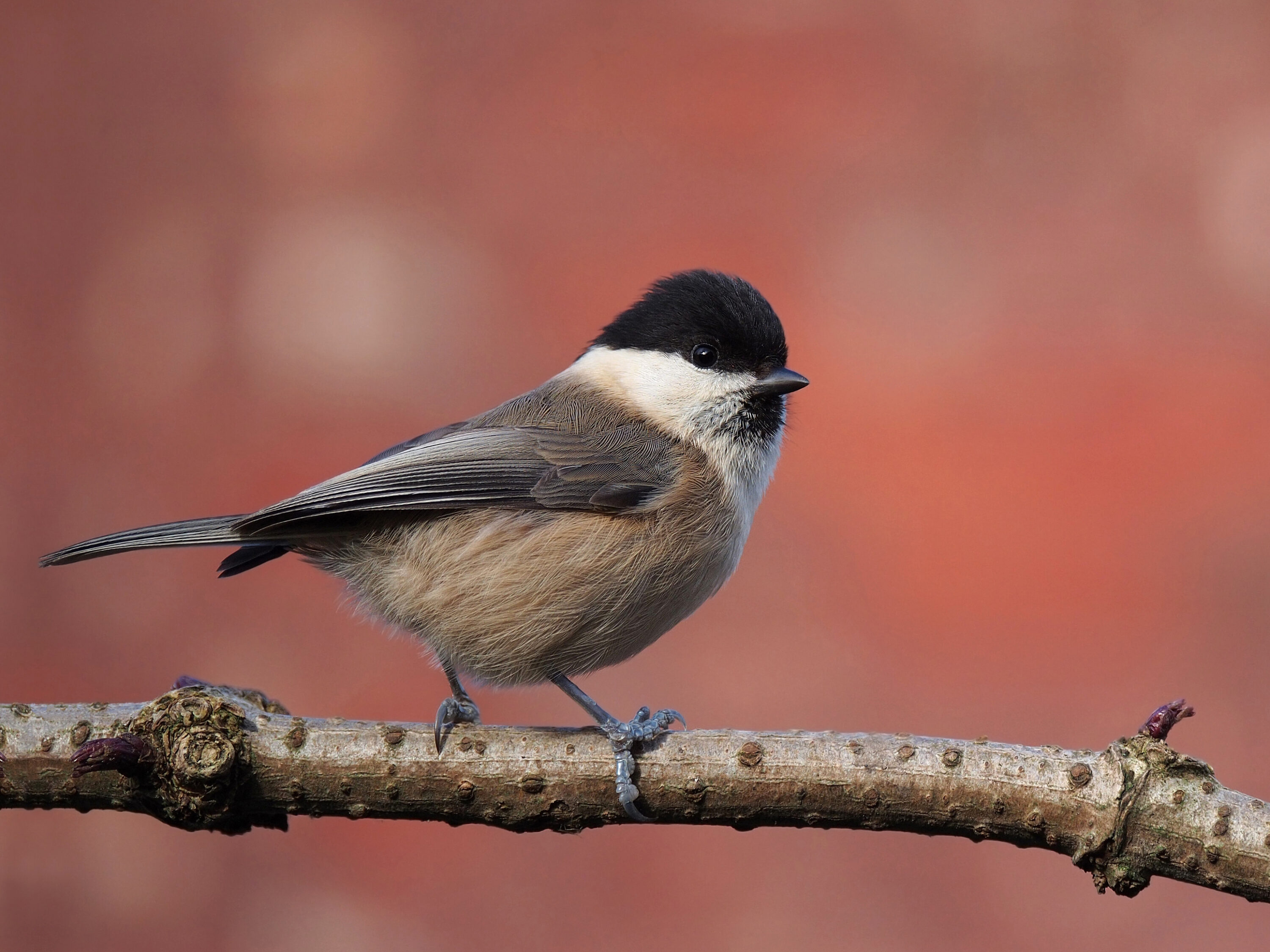
Natural England Funded Development of a National Willow Tit Recovery Strategy
Natural England funded a 2026–2029 project to build a national recovery strategy for willow tit across several English…
Read story →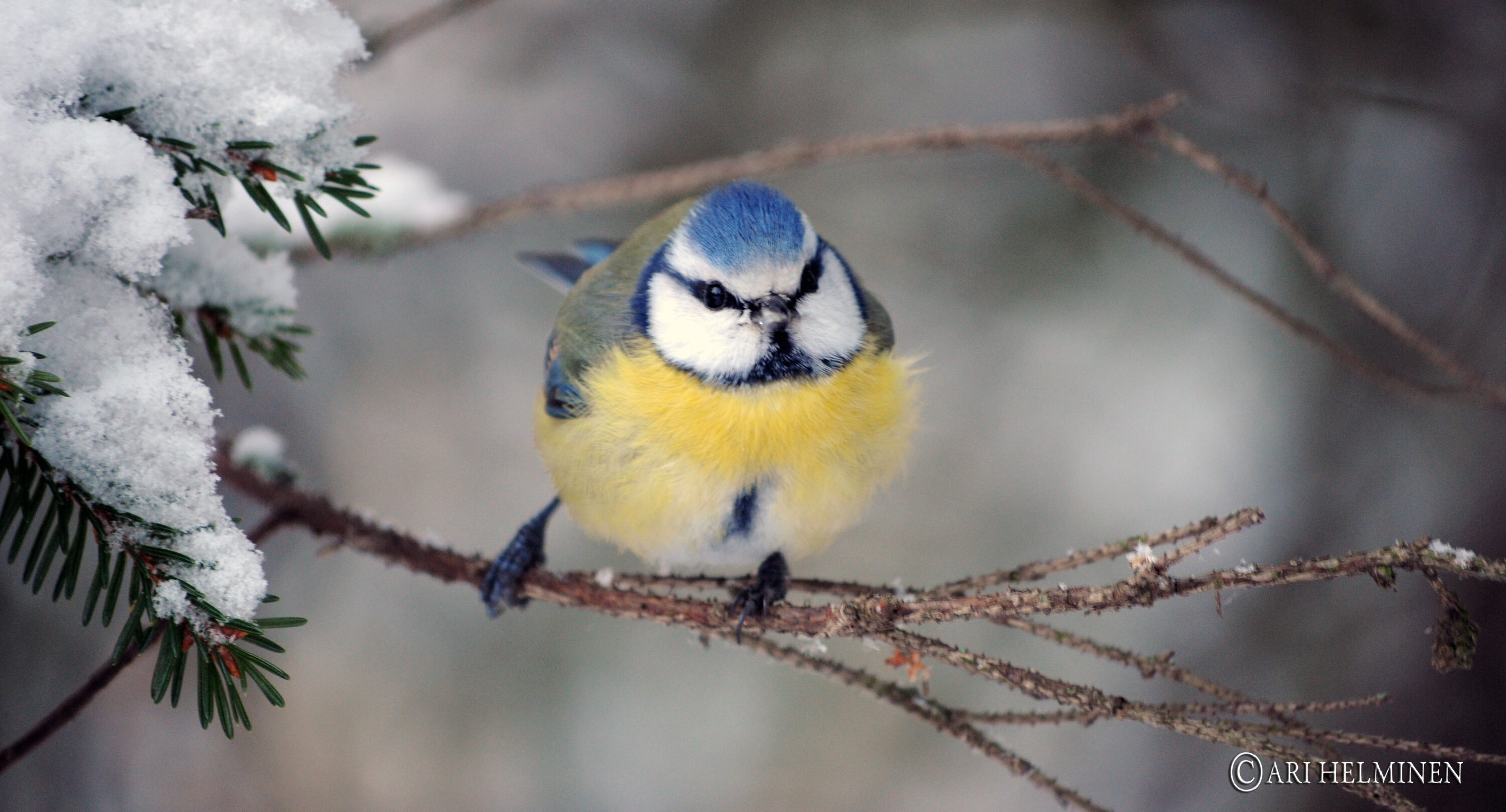
Mean Eurasian Blue Tit Winter Count Rose Fourfold in Finnish Urban Survey Plots
Across 31 Finnish settlements, mean Eurasian blue tit counts rose from 2.8 birds per standardised urban plot in…
Read story →
Wet Willow Wildlife Improved 51 Hectares of Wet Woodland and Connected 632 Hectares
The two-year Wet Willow Wildlife project in northwest England improved 51 hectares of wet woodland, increased connectivity across…
Read story →SPECIES IN THIS STORY
Species in this story
Independent research and conservation news archive
Did you find this information useful?
Wildlife Vagabond is independently built and maintained. Voluntary support helps cover source verification, hosting and continued work on research and conservation news.
Support Wildlife VagabondThe news archive will remain freely available.