
ASFV Genotype II Was Found in a Malaysian Wild Boar; IGR-II Variant Also Detected in Its Tick
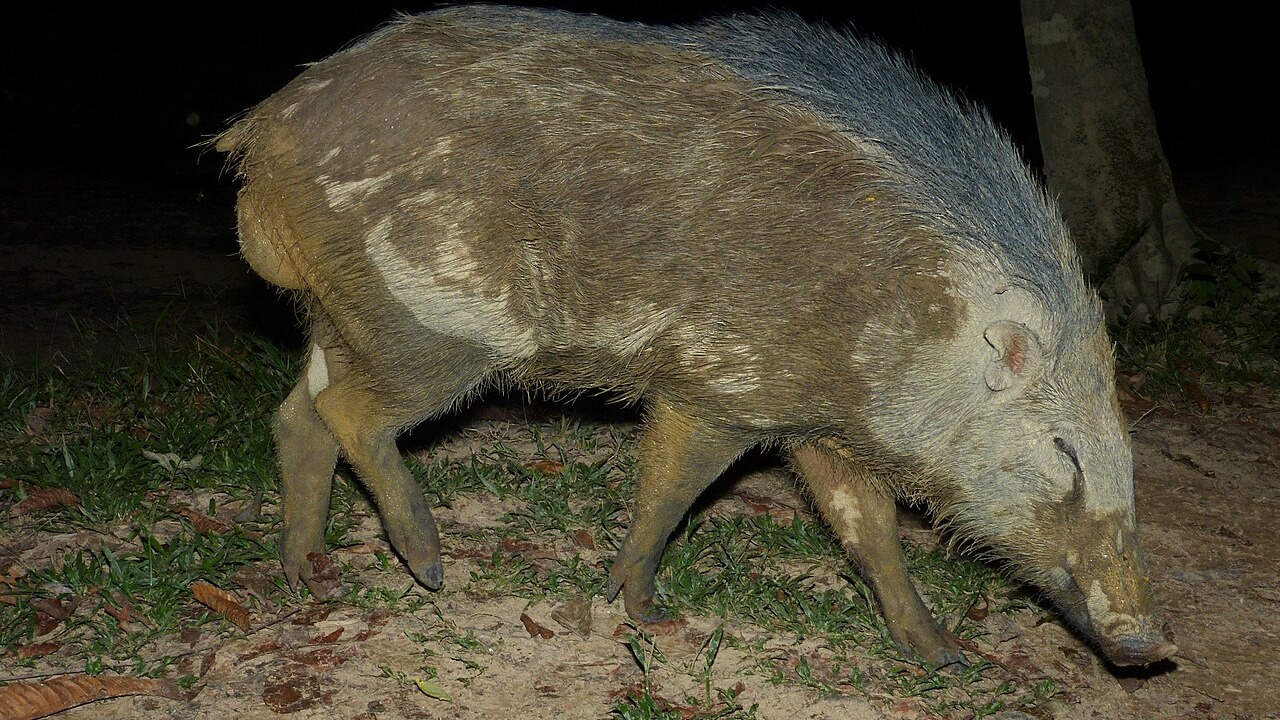
African swine fever is a highly contagious disease of domestic pigs and wild boar caused by African swine fever virus (ASFV), a large double-stranded DNA virus in the family Asfarviridae. The virus can cause acute haemorrhagic disease with high mortality in domestic pigs and wild boar. It was first reported in Malaysia in Sabah in 2021 and has since been detected in several states, raising concern about whether transmission is becoming established in the country.
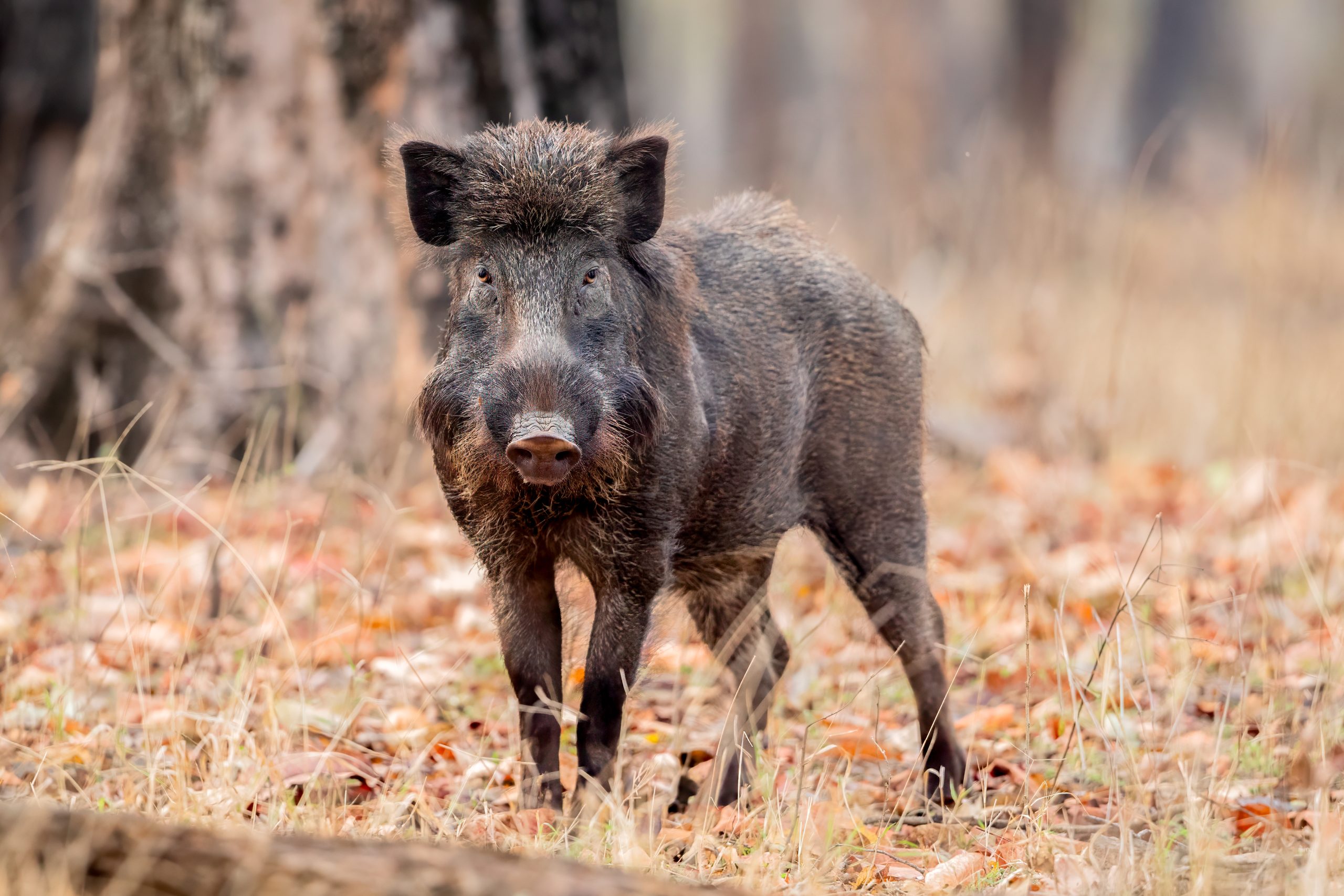
In the new study, ASFV was detected in one of 38 wild boar (Sus scrofa) sampled across Peninsular Malaysia, together with a hard tick collected from the same animal. Genetic analysis placed the virus in genotype II, while both the wild-boar blood sample and the tick sample carried the IGR-II variant.
The retrospective biosurveillance study used wild boar collected between January 2022 and August 2024 at 18 sites in Johor, Melaka, Perlis, Selangor and Terengganu. Researchers tested blood, spleen tissue and ectoparasites for ASFV. The positive animal was an adult male sampled at Masjid Tanah in Melaka in May 2022. A Dermacentor steini tick from the same boar also tested positive.
The virus belonged to genotype II
Sequencing of the partial B646L gene from the boar blood showed genotype II and complete similarity to ASFV strains previously reported from Malaysia and neighbouring parts of Asia. The researchers could not amplify B646L from the tick, so genotype II was confirmed directly only in the wild-boar blood. The intergenic region between I73R and I329L did amplify from both samples and contained three tandem repeats in each, classifying both the blood and tick samples as IGR-II variants. The two labels describe different genetic markers: genotype II was assigned from B646L, whereas IGR-II reflects the repeat pattern in the intergenic region between I73R and I329L.
The finding points to circulation in wild boar
The paper also notes a genotype II and IGR-II ASFV record in GenBank from a pig sampled at Masjid Tanah in December 2021, five months before the positive wild boar. The authors suggest that the May 2022 virus may represent the same or a closely related strain, consistent with possible local persistence. A later ASFV detection in commercially farmed pigs in Penang in July 2025 is also cited as consistent with ongoing circulation in Peninsular Malaysia.
The authors interpret the detection as evidence that ASFV is circulating in Peninsular Malaysia’s wild-boar population and may be establishing sustained transmission. At the same time, they stress that only one of 38 animals tested positive, so the result is also compatible with low-level circulation and sporadic spillover from domestic pigs rather than a clearly established endemic wildlife cycle. The small, unevenly distributed sample and the high lethality of ASFV in wild boar may also reduce the chance of detecting infected animals.
The positive D. steini tick does not demonstrate that this hard-tick species is a competent ASFV vector. Viral DNA in a tick taken from an infected boar can reflect an infected blood meal, and the genotype-defining B646L fragment could not be recovered from the tick. The authors therefore call for experimental work on acquisition, persistence and transmission before any vector role can be established, alongside stronger wildlife surveillance and biosecurity at the wildlife–livestock interface.
Disease, parasites & microbiology
Related news
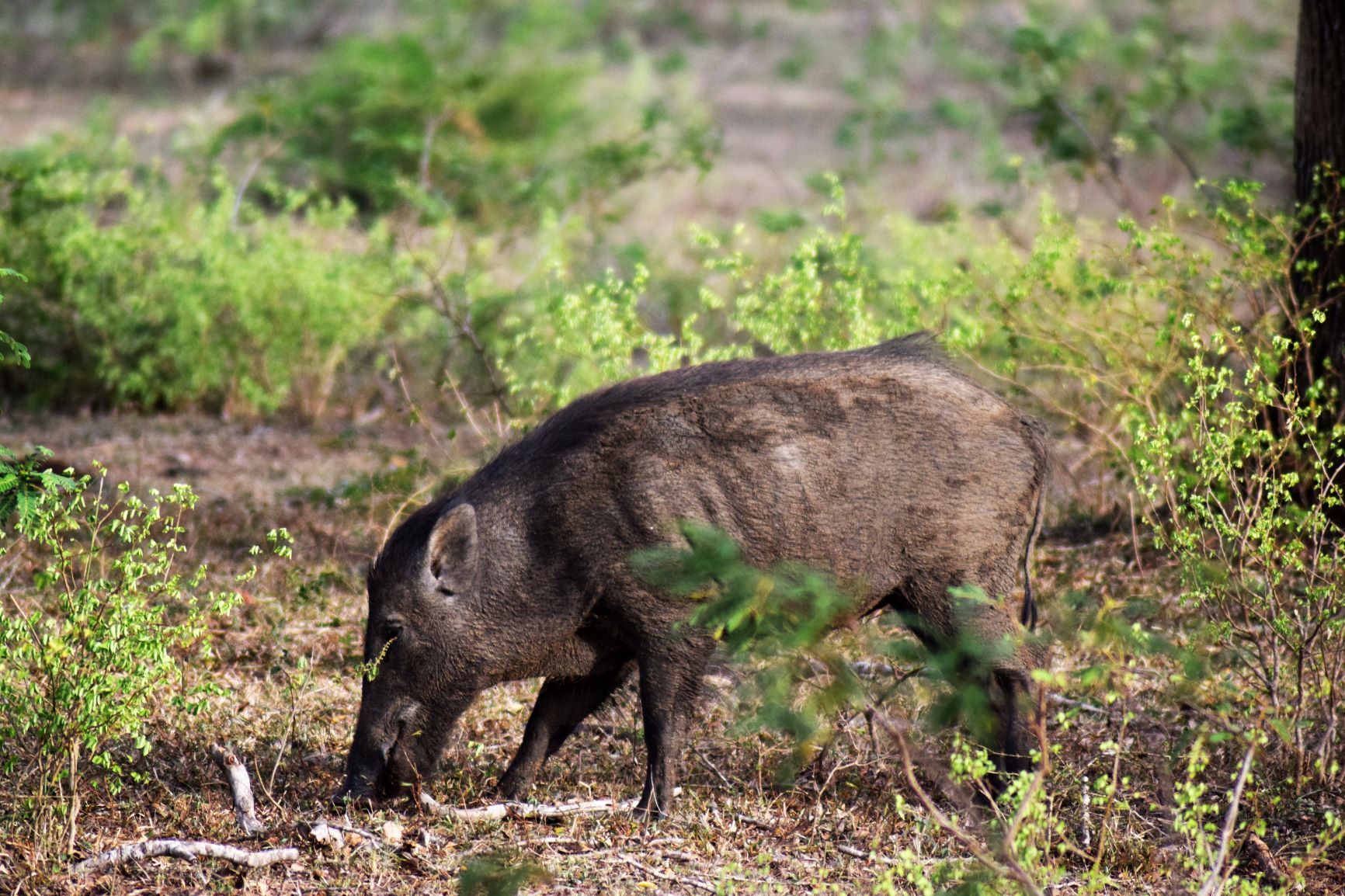
Maps Show Where Wild Boar Could Thrive and Spread on Jeju Island
Researchers mapped potentially suitable wild-boar habitat across roughly 36% of Jeju Island and identified eight possible corridors linking…
Read story →
Roe Deer and Wild Boar Remained Key Wolf Prey as Diet Shifted Across North-western Italy
From 2021 to 2025, wolves in north-western Italy continued to feed mainly on wild prey. In the Po…
Read story →
Copper levels in wild boar differed across Slovak districts
An analysis of kidney, liver and muscle from 147 wild boar in four districts found that iron and…
Read story →SPECIES IN THIS STORY
Species in this story
Independent research and conservation news archive
Did you find this information useful?
Wildlife Vagabond is independently built and maintained. Voluntary support helps cover source verification, hosting and continued work on research and conservation news.
Support Wildlife VagabondThe news archive will remain freely available.