
Barcelona ASFV Variant Was Missing About 9,800 DNA Bases
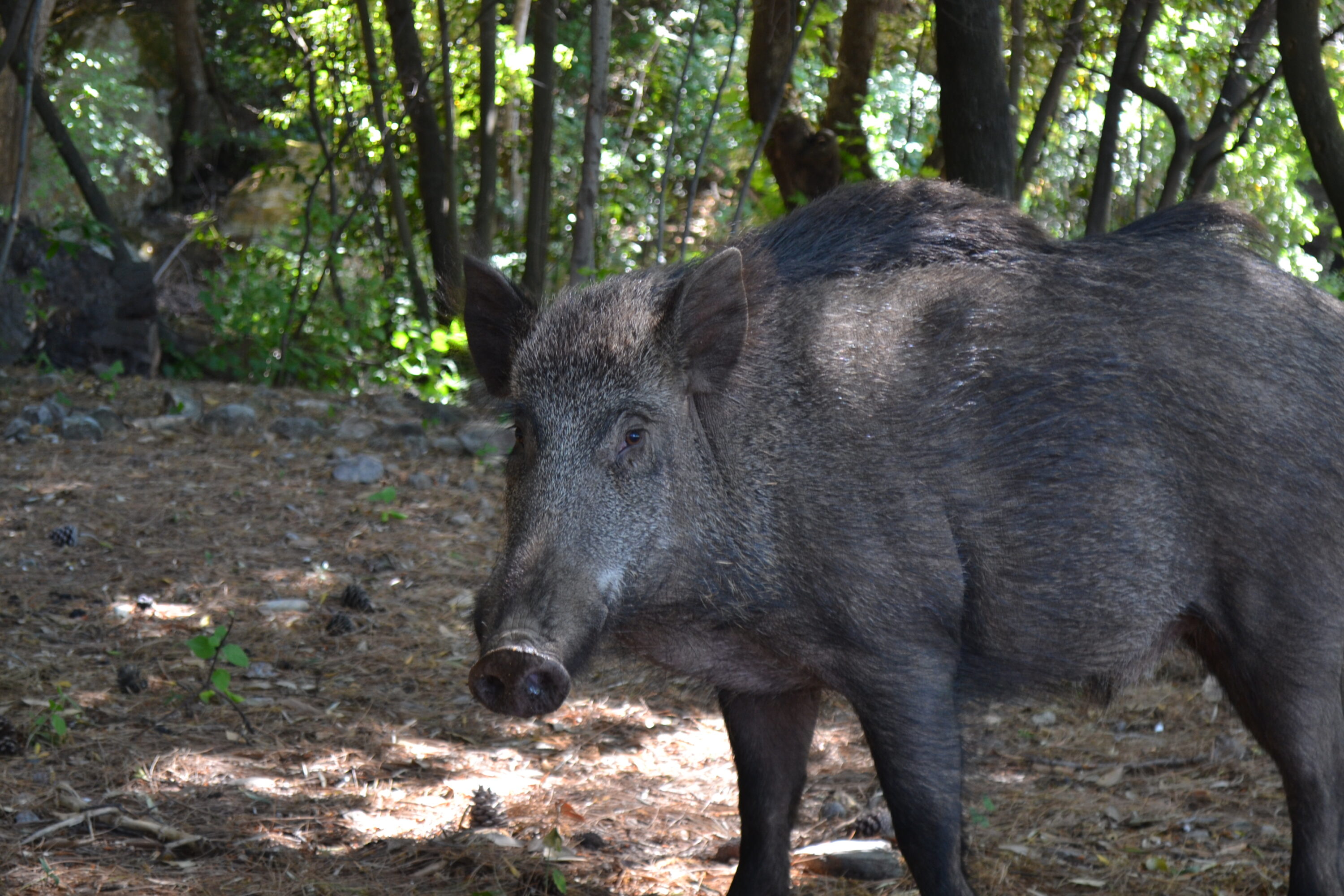
Whole-genome sequencing of African swine fever virus (ASFV) from eight wild boar (Sus scrofa) in the Barcelona outbreak identified a genetically distinct genotype II variant with a large deletion in its genome. About 9,800 DNA bases were missing compared with the standard Georgia 2007/1 reference genome, removing 21 protein-coding sequences.
The outbreak began with two dead wild boar confirmed with African swine fever on 26 November 2025, Spain’s first confirmed cases in more than 30 years. Researchers sequenced virus from those two animals and six further positive wild boar detected through February 2026. All six later genomes retained the same deletion and were highly similar to the first two, showing that this unusual genomic feature remained stable during the early outbreak.
The deletion removed genes involved in host–virus interactions
Most of the missing coding sequences belonged to multigene families involved in interactions between ASFV and its host. A separate six-marker comparison also placed the Spanish virus in a newly defined genetic group, group 29. The biological effect of the large deletion is not yet known, however, and the study does not show that it changed the virus’s virulence.
Origin and biological effect remain unresolved
The Barcelona variant clustered genetically near some early genotype II viruses from the Caucasus, but the authors stress that this does not demonstrate a direct epidemiological link. Its precise origin remains unresolved. The isolated emergence near Barcelona and the lack of continuity with other affected regions are consistent with a possible long-distance introduction mediated by human activity, but they do not identify a source.
During follow-up, 44 of 137 PCR-positive wild boar tested also had ASFV-specific antibodies. The authors say this is compatible with a more prolonged infection course than is typical for highly virulent genotype II viruses. Whether the 9.8-kb deletion contributes to that pattern remains unknown and will require experimental testing.
Genetics & genomics
Related news
Roe Deer and Wild Boar Remained Key Wolf Prey as Diet Shifted Across North-western Italy
From 2021 to 2025, wolves in north-western Italy continued to feed mainly on wild prey. In the Po…
Read story →
Copper levels in wild boar differed across Slovak districts
An analysis of kidney, liver and muscle from 147 wild boar in four districts found that iron and…
Read story →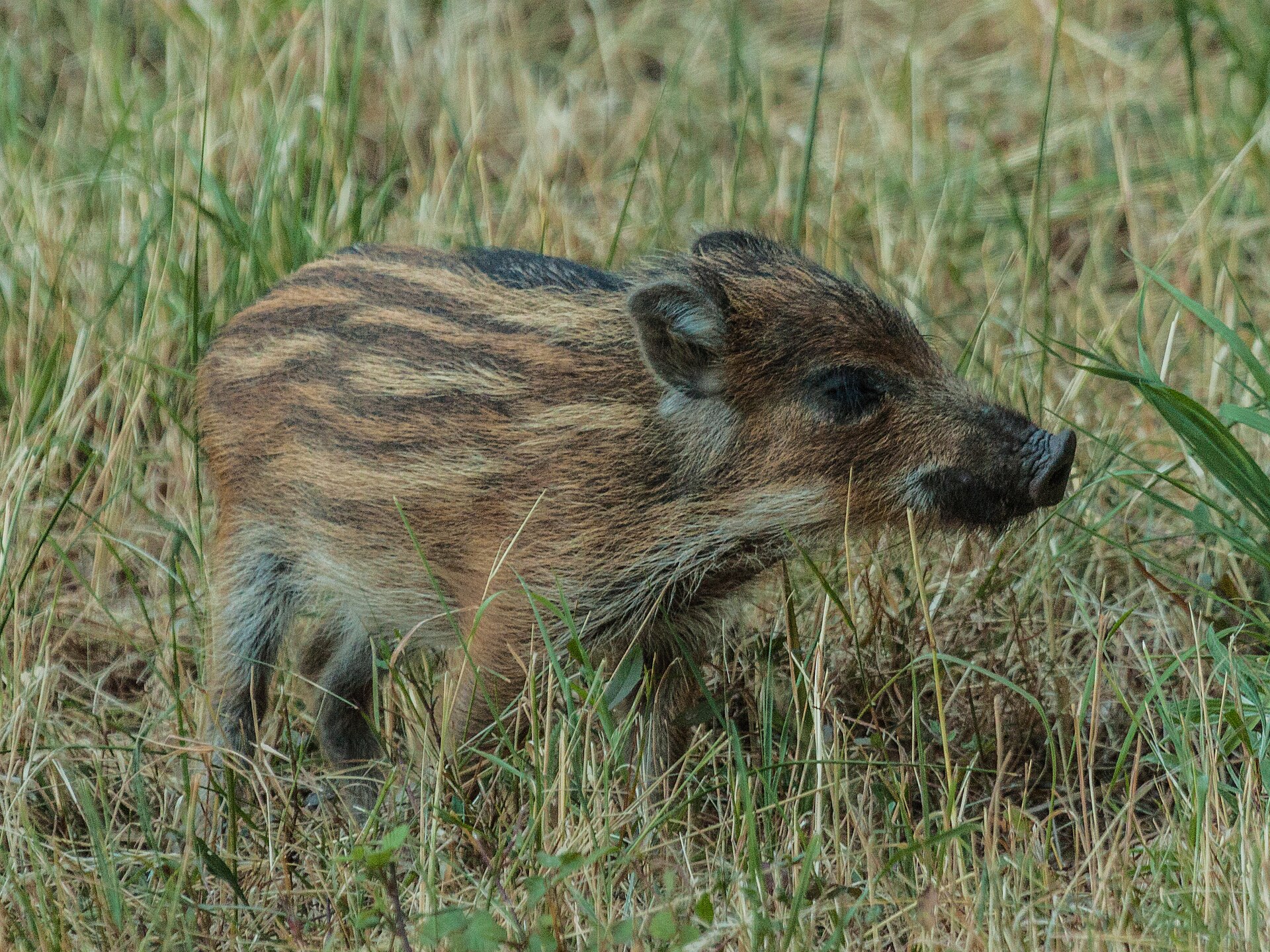
Genes Linked to the Stripes of Wild Boar Piglets
Genetic analysis of a 932-piglet breeding population and skin from three striped newborn hybrids implicated MC1R, KIT and…
Read story →SPECIES IN THIS STORY
Species in this story
Independent research and conservation news archive
Did you find this information useful?
Wildlife Vagabond is independently built and maintained. Voluntary support helps cover source verification, hosting and continued work on research and conservation news.
Support Wildlife VagabondThe news archive will remain freely available.