
Almost All Active Barn Swallow Nests Were in Inhabited and Older Buildings in China

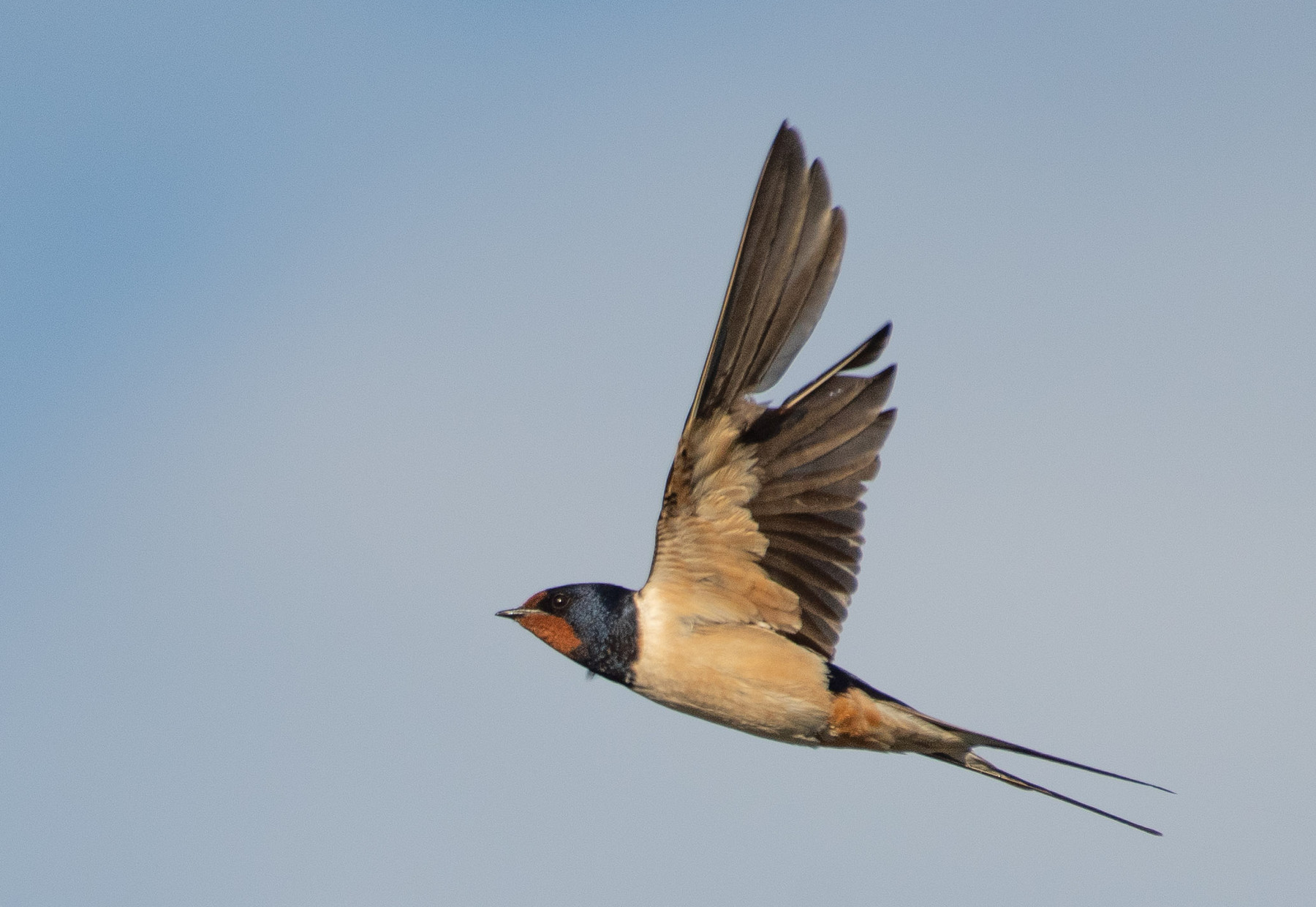
Barn swallows (Hirundo rustica) placed almost all active nests recorded in a three-region Chinese survey in buildings that people still used. Of 942 nests documented in Hainan, Guizhou and Heilongjiang, China, in 2023–2024, 924, or 98.1%, were in inhabited buildings. A total of 866 nests, or 91.9%, were in buildings more than five years old.
Indoor and outdoor nesting differed sharply among regions
The researchers recorded building occupancy and age, whether nests were indoors or outdoors, and nest height. Outdoor nests accounted for 75.1% of the total, but the pattern differed sharply between regions: 98.9% of nests in tropical Hainan and 92.5% in Guizhou were outdoors, compared with only 2.4% in the colder Heilongjiang site. Outdoor nests were also higher on average, at 3.46 m versus 2.64 m for indoor nests.
A separate census of 4,613 buildings in 69 Hainan villages in 2014 found nests in 34.6% of inhabited buildings but only 0.9% of uninhabited ones. Because that census included visible old nests and used a different sampling design, the authors treated it only as a qualitative baseline rather than comparing it directly with the later active-nest surveys.
Living near people may offer advantages, but the study did not test them
The results are consistent with the human-proximity hypothesis, which proposes that some birds gain protection from predators or brood parasites by breeding near people. Older buildings may also offer rougher surfaces for attaching mud nests and existing nests that can be reused. The prevalence of outdoor nesting in Hainan and Guizhou may reflect modern sealed doors and windows, warmer conditions and local attitudes toward indoor nests.
The study measured where swallows nested, not predation rates or reproductive success, so it did not demonstrate that the chosen sites improved survival or breeding output. Building age was also estimated from residents’ reports, and the authors call for direct measurements of survival and breeding success as well as broader, more comparable geographical sampling.
Ecology
Related news
Usutu Virus RNA Was Found Nearly Three Times as Often as West Nile Virus RNA in Southern France
Among 2,533 wild birds from 69 species in southern France, Usutu virus RNA was detected in 12.0% and…
Read story →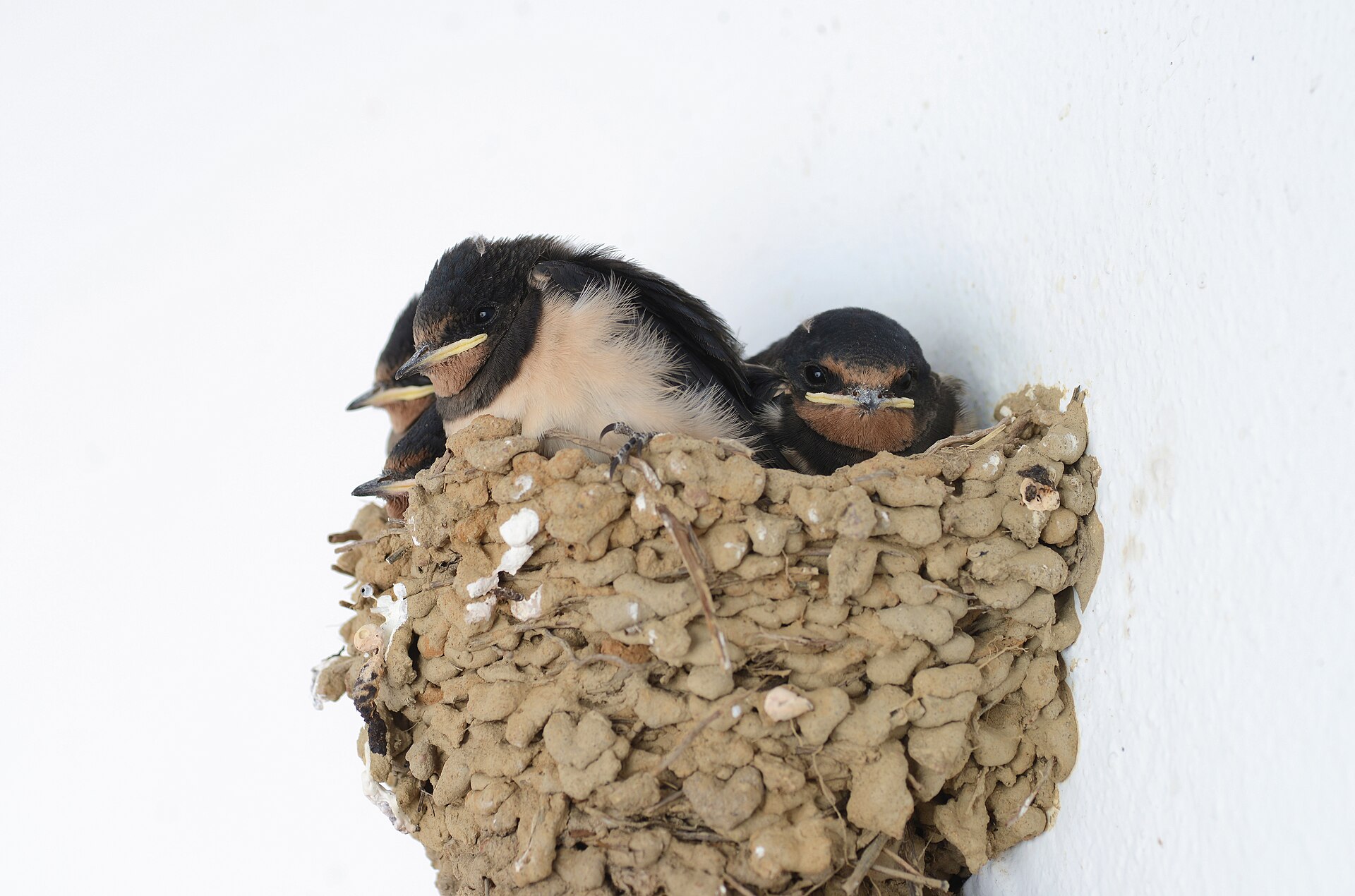
Larger Broods and Older Social Fathers Were Linked to Shorter Telomeres in Male Barn Swallow Nestlings
A long-term study near Milan found shorter telomeres in male barn swallow nestlings from larger broods or with…
Read story →
Mitochondrial DNA Reveals a More Complex Evolutionary History of Barn Swallows
A study of 580 complete barn swallow mitochondrial genomes found five major maternal lineages, including a newly recognised…
Read story →SPECIES IN THIS STORY
Species in this story
Independent research and conservation news archive
Did you find this information useful?
Wildlife Vagabond is independently built and maintained. Voluntary support helps cover source verification, hosting and continued work on research and conservation news.
Support Wildlife VagabondThe news archive will remain freely available.