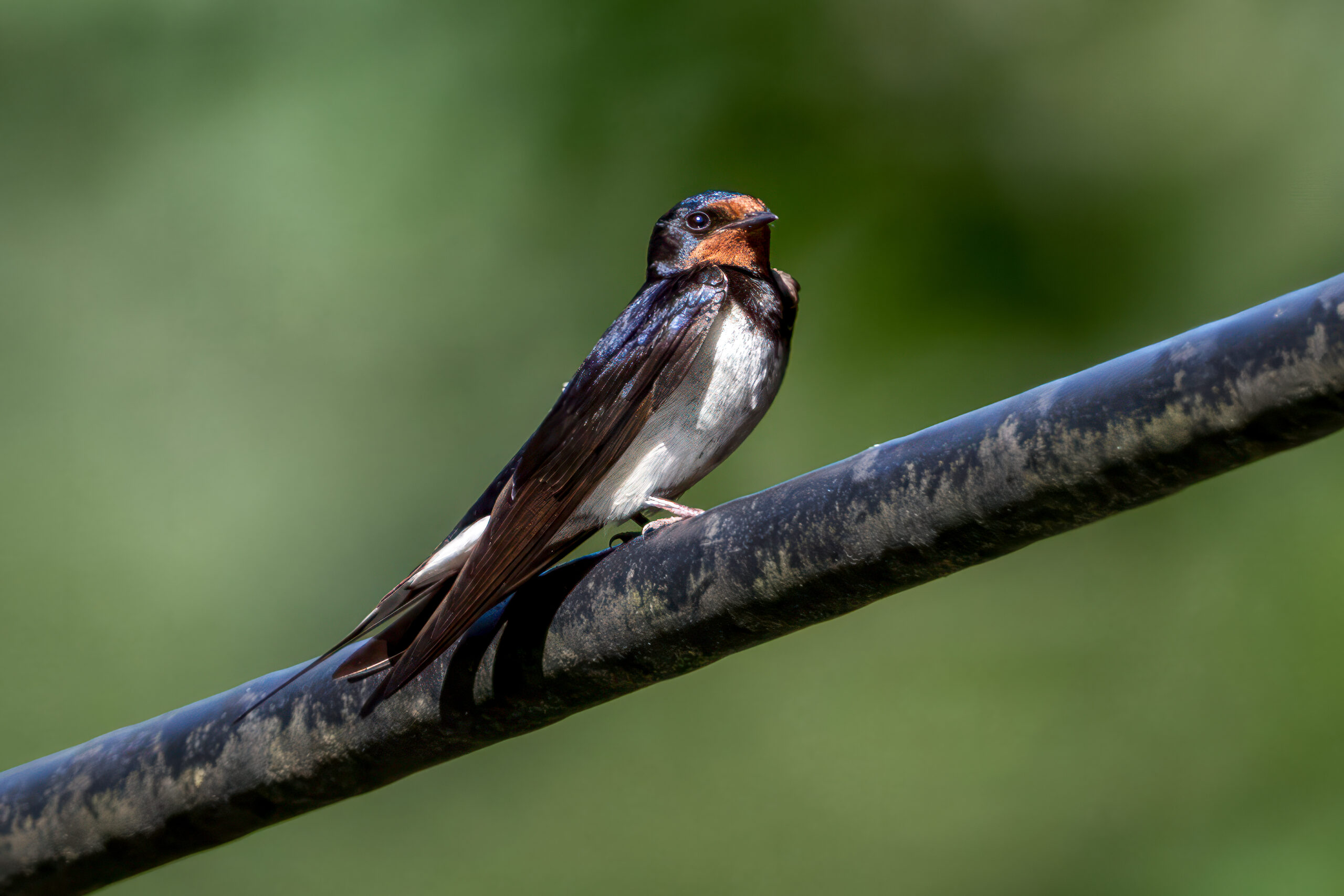
Barn Swallows With Recent Breeding Experience Were More Likely to Remove Clearly Different Eggs
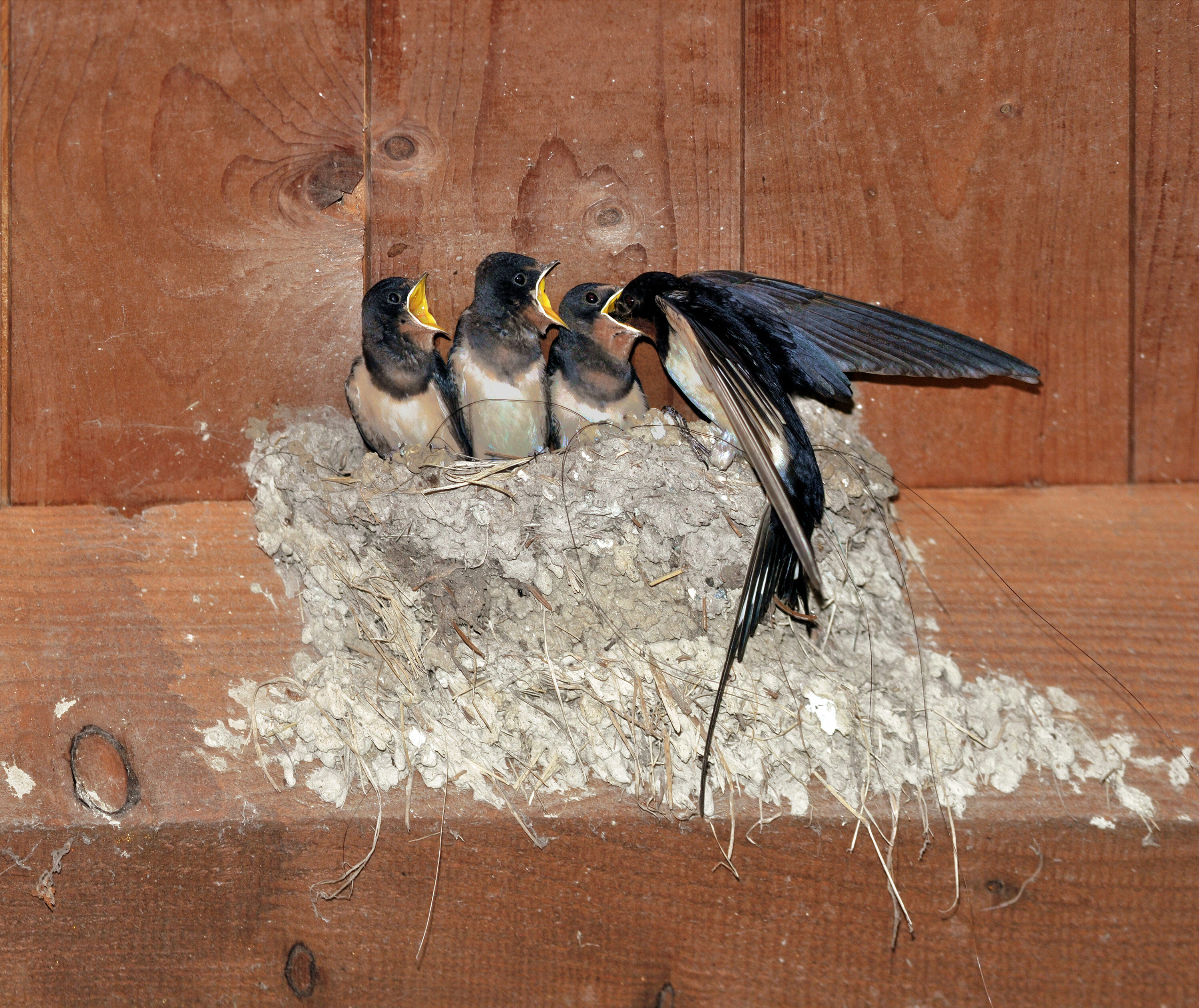
Female barn swallows (Hirundo rustica) with recent breeding experience were the most likely to eject artificial eggs from their nests. The experiment tested whether the birds recognise foreign eggs by comparing them with an innate or learned visual image of their own eggs.
Across four breeding seasons from 2021 to 2024 on four farms in southern Bohemia, Czech Republic, the researchers conducted 187 experiments before females began laying. They placed either a mimetic artificial egg or a clearly different blue non-mimetic egg in the nest, allowing egg recognition to be tested before a first-time breeder had seen her own eggs. Individually marked birds made it possible to compare first-time breeders with experienced females; experienced birds were further separated into those whose previous breeding attempt was in an earlier year and those that had already laid a clutch during the same season.
Egg appearance did not explain rejection
Neither naive nor experienced females removed the non-mimetic eggs more often than the mimetic eggs. This result did not support the idea that barn swallows use a fixed visual template of their own eggs, or that such a template is learned through earlier breeding.
Recent breeding experience mattered most
Females with recent experience from an earlier breeding attempt in the same season were the most likely to eject the artificial eggs, followed by females with experience from a previous year and then first-time breeders. The difference between recently experienced and first-time females was weak when both egg types were considered together, but clear for the blue non-mimetic eggs. The study found no clear difference between recent and older experience, or between older experience and first-time breeders.
The authors therefore propose that egg ejection may depend more on a mechanism linked to the onset of a female’s own laying than on recognition of a particular egg colour or pattern. Such a mechanism could support nest sanitation by helping females remove old, unhatched eggs from reused nests. They discuss endocrine and cognitive changes as possible explanations for why recent breeding experience strengthens the response, but these were not measured in the experiment.
Behaviour
Related news
Usutu Virus RNA Was Found Nearly Three Times as Often as West Nile Virus RNA in Southern France
Among 2,533 wild birds from 69 species in southern France, Usutu virus RNA was detected in 12.0% and…
Read story →
Larger Broods and Older Social Fathers Were Linked to Shorter Telomeres in Male Barn Swallow Nestlings
A long-term study near Milan found shorter telomeres in male barn swallow nestlings from larger broods or with…
Read story →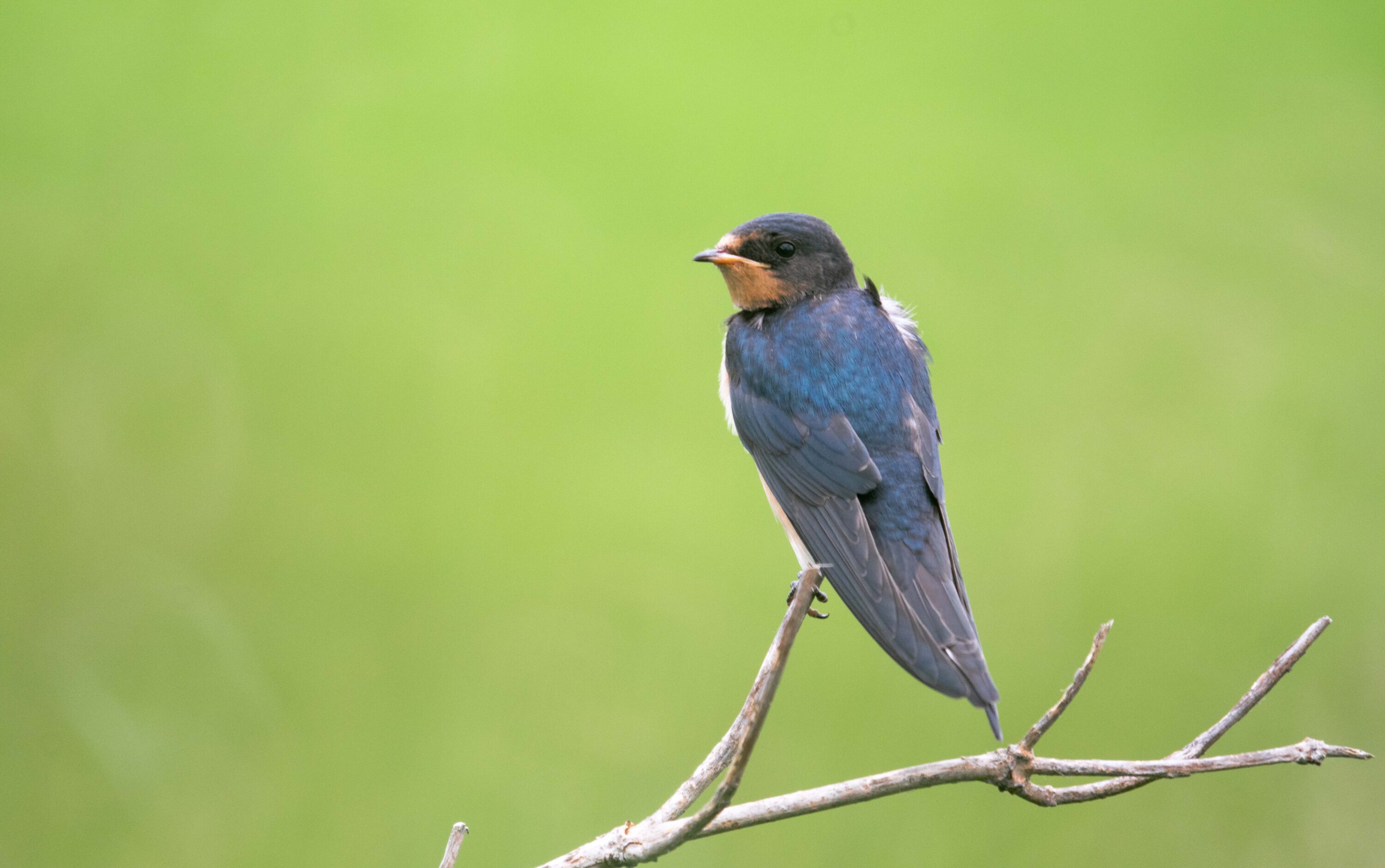
Mitochondrial DNA Reveals a More Complex Evolutionary History of Barn Swallows
A study of 580 complete barn swallow mitochondrial genomes found five major maternal lineages, including a newly recognised…
Read story →SPECIES IN THIS STORY