
Moving Territories Inflated Blue Waxbill Density Estimates Across a Long Breeding-Season Survey
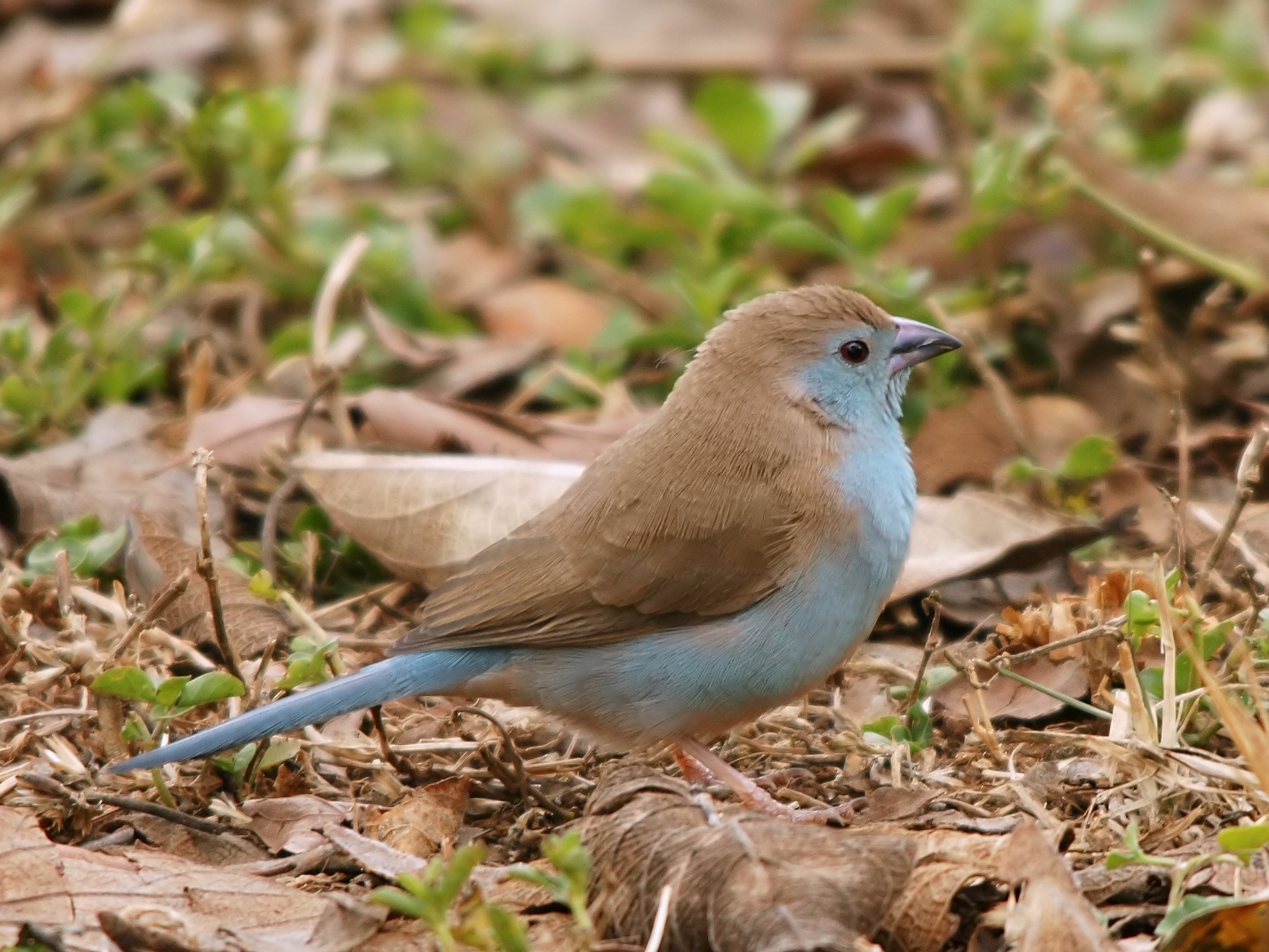
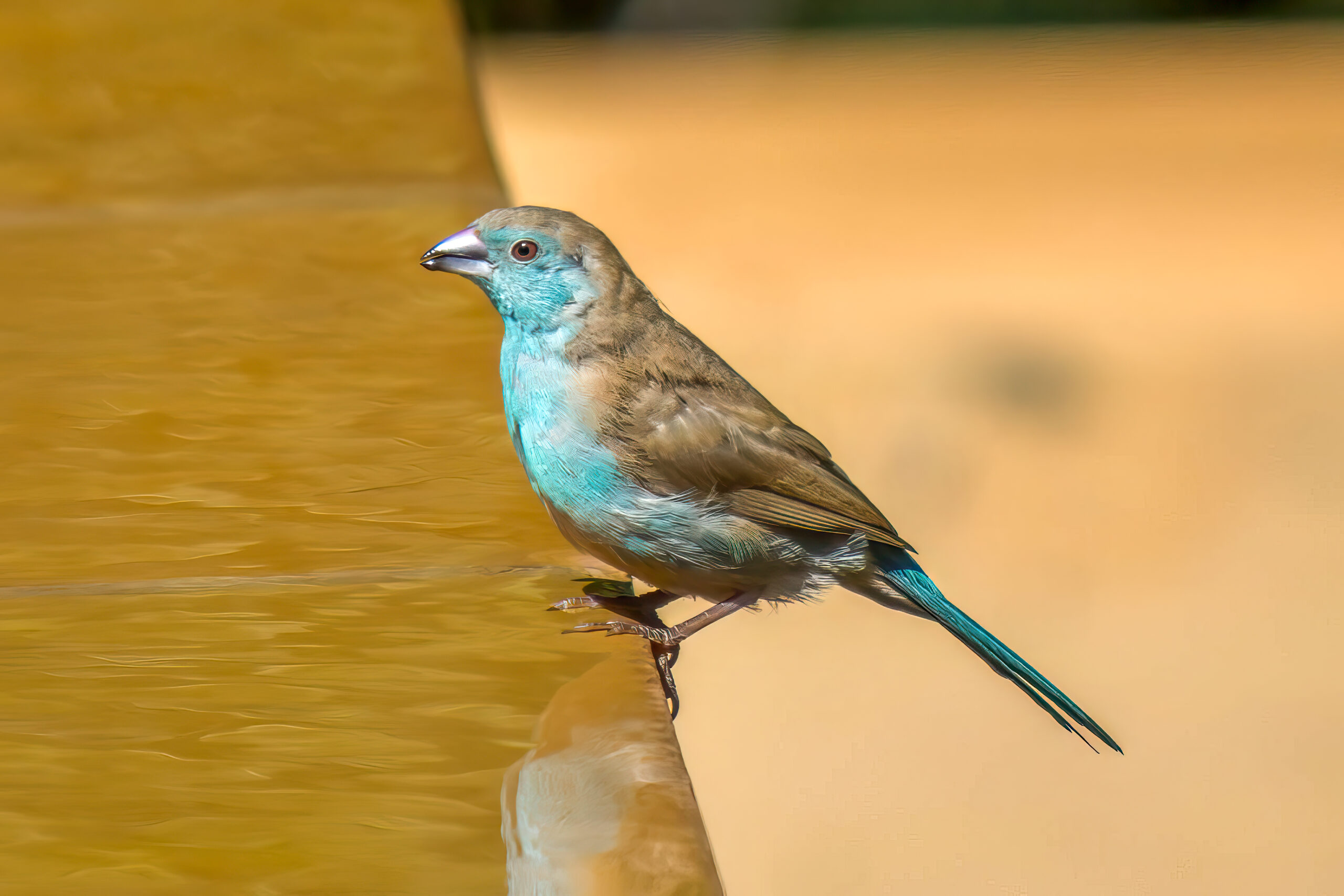
A study published in 2026 found that the way surveys are spread across the breeding season can strongly affect estimated population density in the blue waxbill (Uraeginthus angolensis). In a 400-hectare area of acacia savanna in northern Namibia, estimates from the separate survey periods remained close to 11–12 breeding pairs per 100 hectares, but the estimate rose sharply when records from several months were combined.
The study was carried out at the University of Namibia’s Ogongo campus in the Omusati Region. The area contained a mixture of natural and human-modified acacia savanna, including built-up areas, cultivated ground, water bodies, roads and fences. Surveys were conducted in 2020 using territory mapping, in which repeated observations are plotted to identify occupied breeding territories.
Separate survey periods gave stable density estimates
The researcher divided the breeding-season surveys into three periods: February–March, April and May–June. Estimated density was 12.0 pairs per 100 hectares in February–March, 11.3 in April and 11.8 in May–June. These similar estimates suggested a fairly stable number of breeding pairs within each part of the season.
Combining the periods inflated the estimate to 20.5 pairs per 100 hectares
A different picture emerged when observations from all three periods were merged. The combined map produced an estimate of 82 territories, equivalent to 20.5 pairs per 100 hectares. The study attributes this increase to shifts in territory locations during the breeding season. Birds beginning second or third nesting attempts could occupy a different area and therefore appear as an additional territory when records from a long period were treated as one survey.
Most territories were located close to features such as water reservoirs, canals, seasonally flooded depressions, sand pits and fences. The study also compared its results with previous estimates from southern Africa. Blue waxbills had been recorded at substantially higher densities in several urbanised habitats in northern Namibia and northeastern Botswana than in the Ogongo savanna.
The author concludes that territory-mapping surveys of blue waxbills should be concentrated within a shorter period, around one to two months, rather than spread across much of the breeding season. The study was published in Ecological Questions, volume 37, issue 2, in 2026.
Ecology
Related news
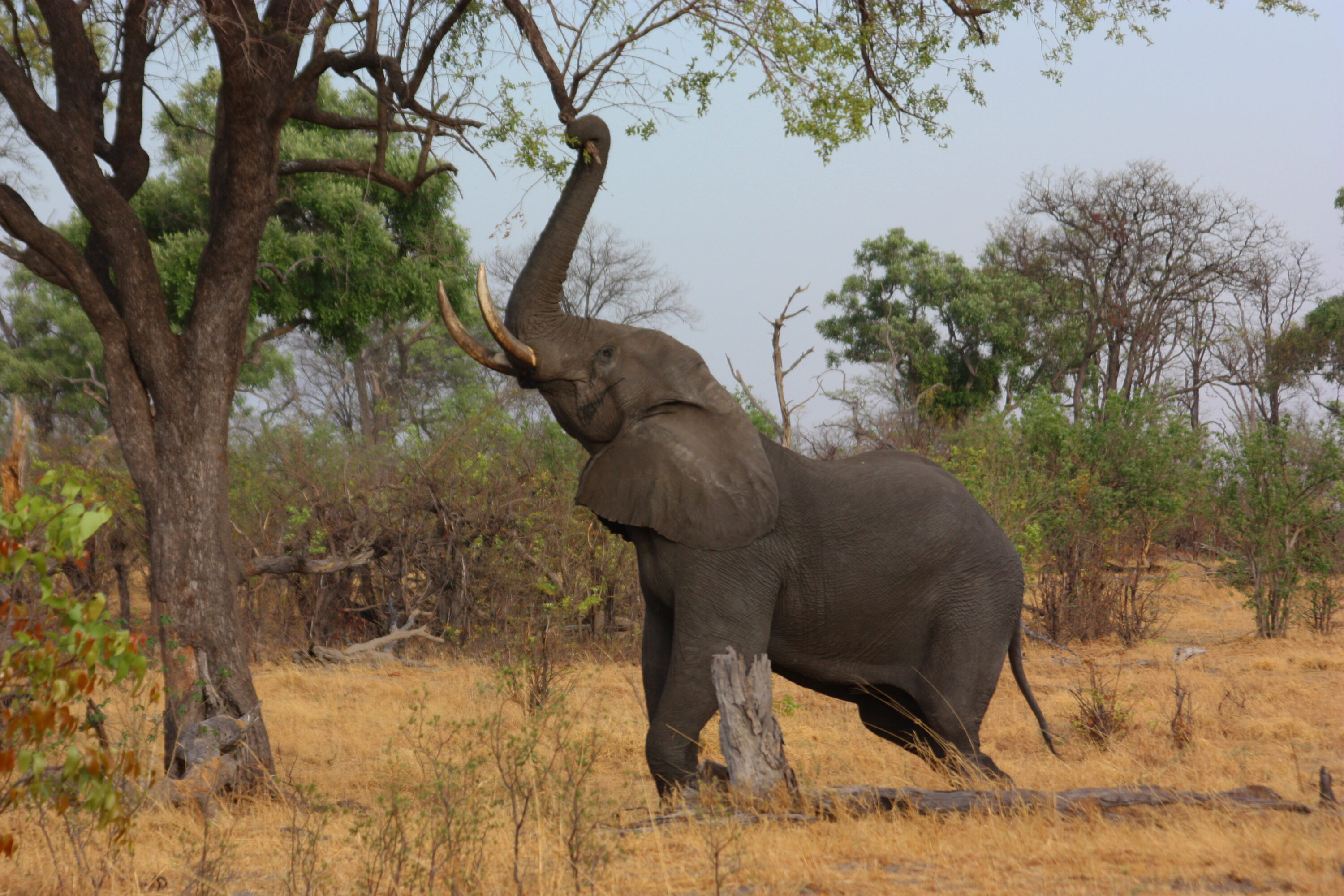
African Bush Elephants Distinguished Artificial Food-Quantity Patterns at Close Range
In experiments in South Africa, four semi-tame elephants chose between visual patterns representing canopy size and leaf density.…
Read story →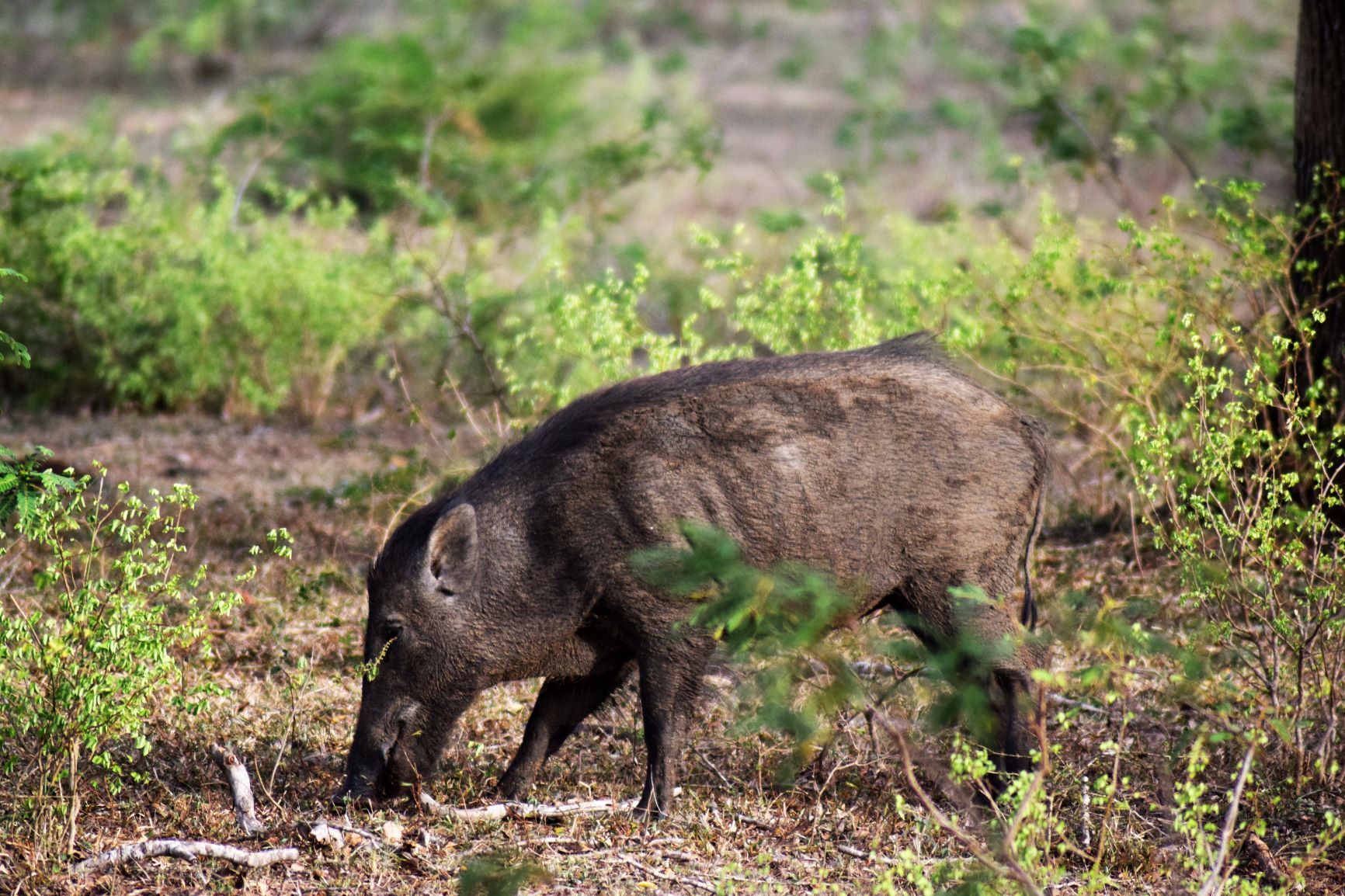
Maps Show Where Wild Boar Could Thrive and Spread on Jeju Island
Researchers mapped potentially suitable wild-boar habitat across roughly 36% of Jeju Island and identified eight possible corridors linking…
Read story →
What African Bush Elephants Eat in Nigeria’s Dry Season
Three weeks of observations in Yankari Game Reserve recorded elephants feeding mainly on leaves. Of four sampled forage…
Read story →SPECIES IN THIS STORY
Species in this story
Independent research and conservation news archive
Did you find this information useful?
Wildlife Vagabond is independently built and maintained. Voluntary support helps cover source verification, hosting and continued work on research and conservation news.
Support Wildlife VagabondThe news archive will remain freely available.