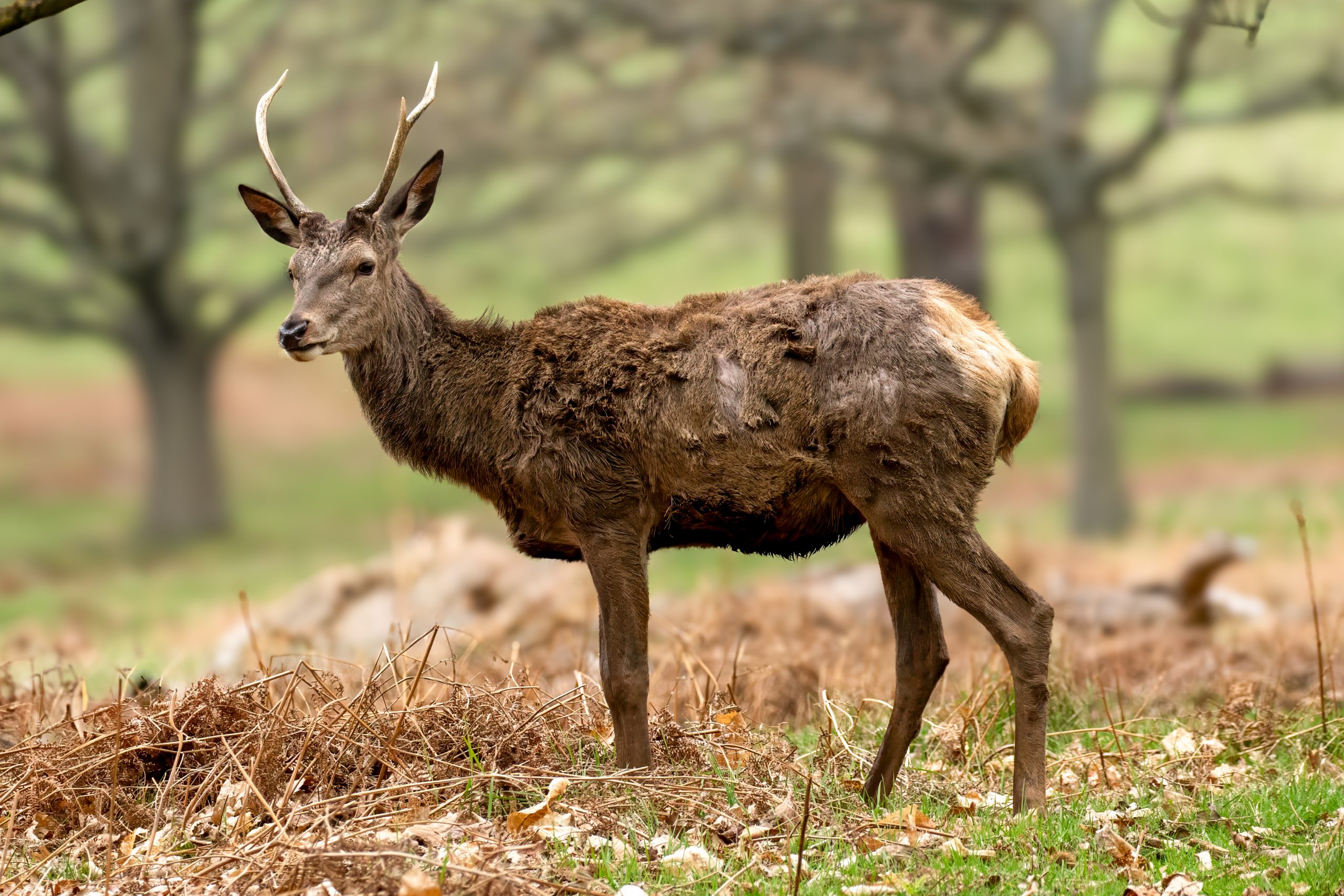
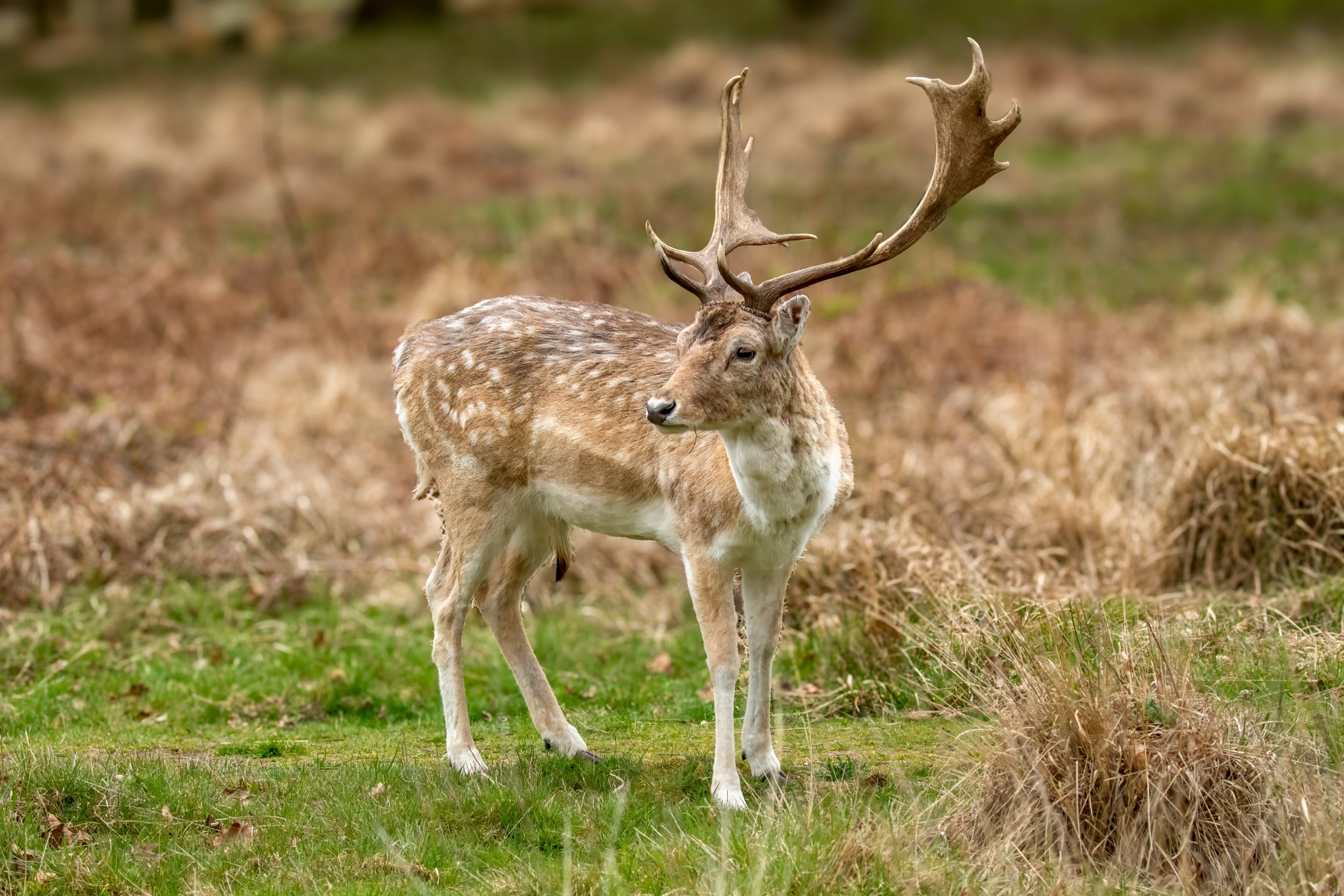
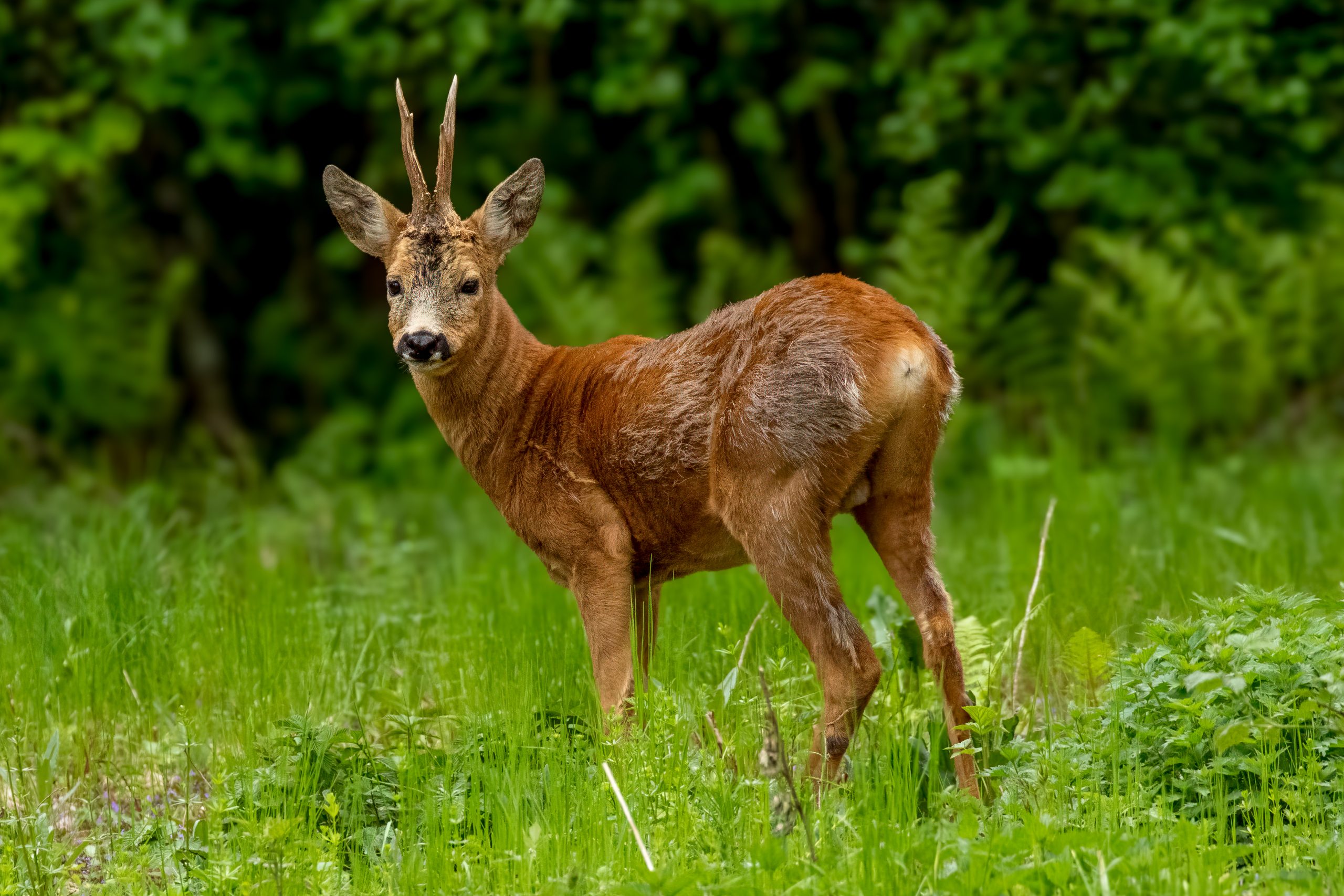
Bone Proportions Can Tell Red Deer, Fallow Deer and Roe Deer Apart When Size Cannot
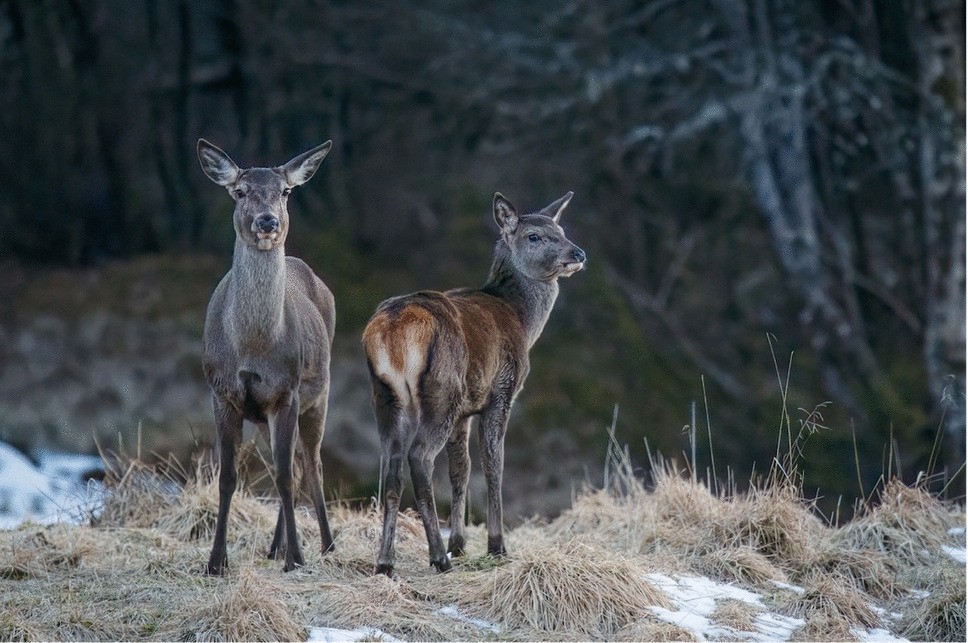
Measurements of modern skeletons show that red deer (Cervus elaphus), European fallow deer (Dama dama) and European roe deer (Capreolus capreolus) can often be told apart by the proportions of their postcranial bones even when the bones are similar in overall size. The study developed a practical method for identifying difficult cervid remains from European archaeological sites.
The problem is especially important for red and fallow deer, whose bone sizes can overlap substantially. Young animals make the overlap even greater, while fragmented remains may lack the visual features traditionally used for identification. Misidentification can distort reconstructions of past deer distributions, hunting, trade and the human-assisted spread of fallow deer through Europe.
Proportions separated bones that size alone could not
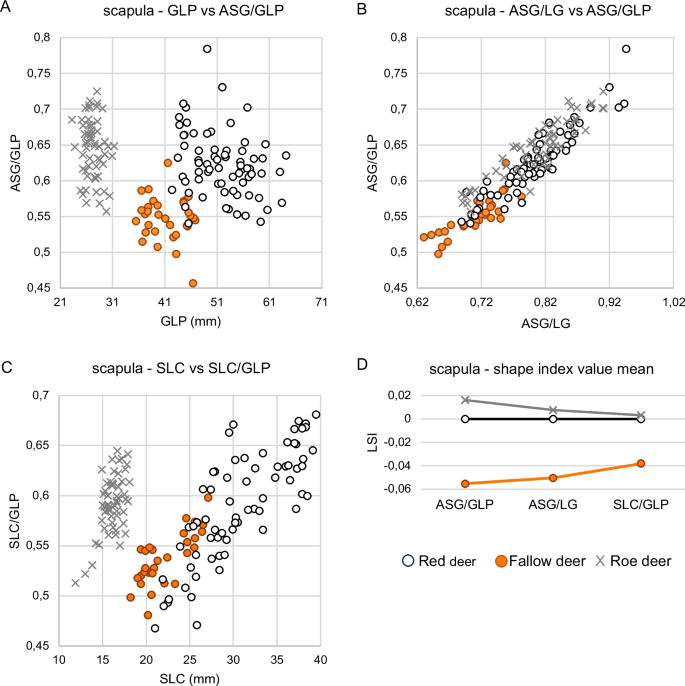
The researchers measured modern adult and immature skeletons from nine reference collections across northern and southern Europe. Instead of relying only on absolute dimensions, they also calculated shape indices — ratios between different parts of the same bone. These indices describe proportion rather than simply size.
The scapula illustrates the advantage. Red and fallow deer overlapped in the size of the joint region, but their internal proportions differed. Across several long bones, fallow deer also tended to have flatter or more tubular shaft proportions, while roe deer were generally more slender. Combining size and shape therefore separated many specimens that would remain ambiguous from size alone.
Some measurements also worked on immature bones
Age is one reason size can mislead. A young red deer can overlap strongly with an adult fallow deer, and unfused growth zones can remove some of the usual diagnostic landmarks. Several of the shape indices retained useful differences in immature material, including measurements from long-bone shafts where size alone is particularly unreliable.
This also matters for fragmented archaeological bones. The authors found that shaft proportions could sometimes provide species-level information even when the ends of a long bone — where many traditional diagnostic features occur — were missing.
A simple method designed to complement other evidence
The method uses standard callipers and an osteometric board rather than specialised laboratory equipment. The researchers also made their modern measurements available so that archaeological specimens can be plotted directly against the reference ranges.
The authors do not present the method as a replacement for visual morphology, reference collections or ancient DNA. Instead, it provides an inexpensive additional line of evidence and can help identify which uncertain specimens are worth prioritising for more costly genetic analyses.
The reference set does not cover every deer population
The modern dataset spans several parts of Europe but does not include all of the smallest living red deer populations, including some from Iberia, southern Italy, south-eastern Europe, North Africa and small islands. These animals could increase the overlap with fallow deer beyond the ranges represented in the current reference material.
The main advance is therefore not an infallible identification key, but a more objective way to use ordinary bone measurements. Where size alone leaves a deer bone ambiguous, its proportions can provide the extra information needed to distinguish red deer, fallow deer and roe deer more reliably.
Anatomy & morphology
Related news
Estimated M. bovis Seroprevalence Was 26.6% in Exmoor Red Deer
A survey of 432 wild deer in the Exmoor area estimated Mycobacterium bovis seroprevalence at 26.6% in red…
Read story →
Roe Deer Had Higher Blood Cadmium and Zinc Than Red Deer in Eastern Slovakia
Blood from semi-free-ranging red deer and roe deer in eastern Slovakia showed generally low toxic-element burdens and similar…
Read story →
Metagenomics and Histology Gave Complementary Views of Parasites in Red Deer and European Roe Deer
In 106 wild cervids from Mecklenburg-Western Pomerania, Germany, faecal metagenomics revealed seasonal parasite dynamics in red deer while…
Read story →SPECIES IN THIS STORY