
Breeding Records Suggest a Year-round Barn Swallow Population in Imphal Valley
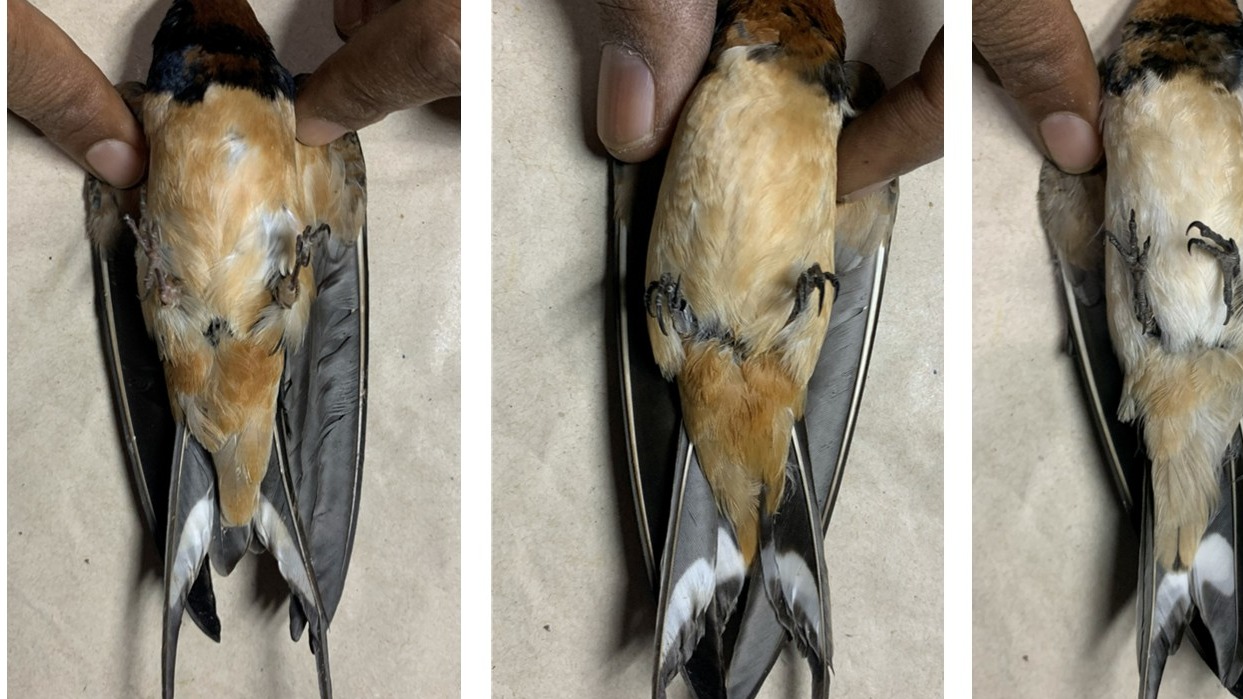
Field surveys in Manipur documented a breeding population of barn swallow (Hirundo rustica) in the Imphal Valley that the researchers identified as resident throughout the year. Published on 30 March 2026, the study describes this as the first documented resident breeding population of the species in northeast India.
Researchers surveyed Manipur in 2022 and 2023. In 2023 they located barn swallow nests at about 50 properties in the central Imphal Valley and captured 45 adults during the non-breeding season, including 26 males and 19 females. Plumage and morphometric measurements were compared with published and museum information for barn swallow subspecies reported from India.
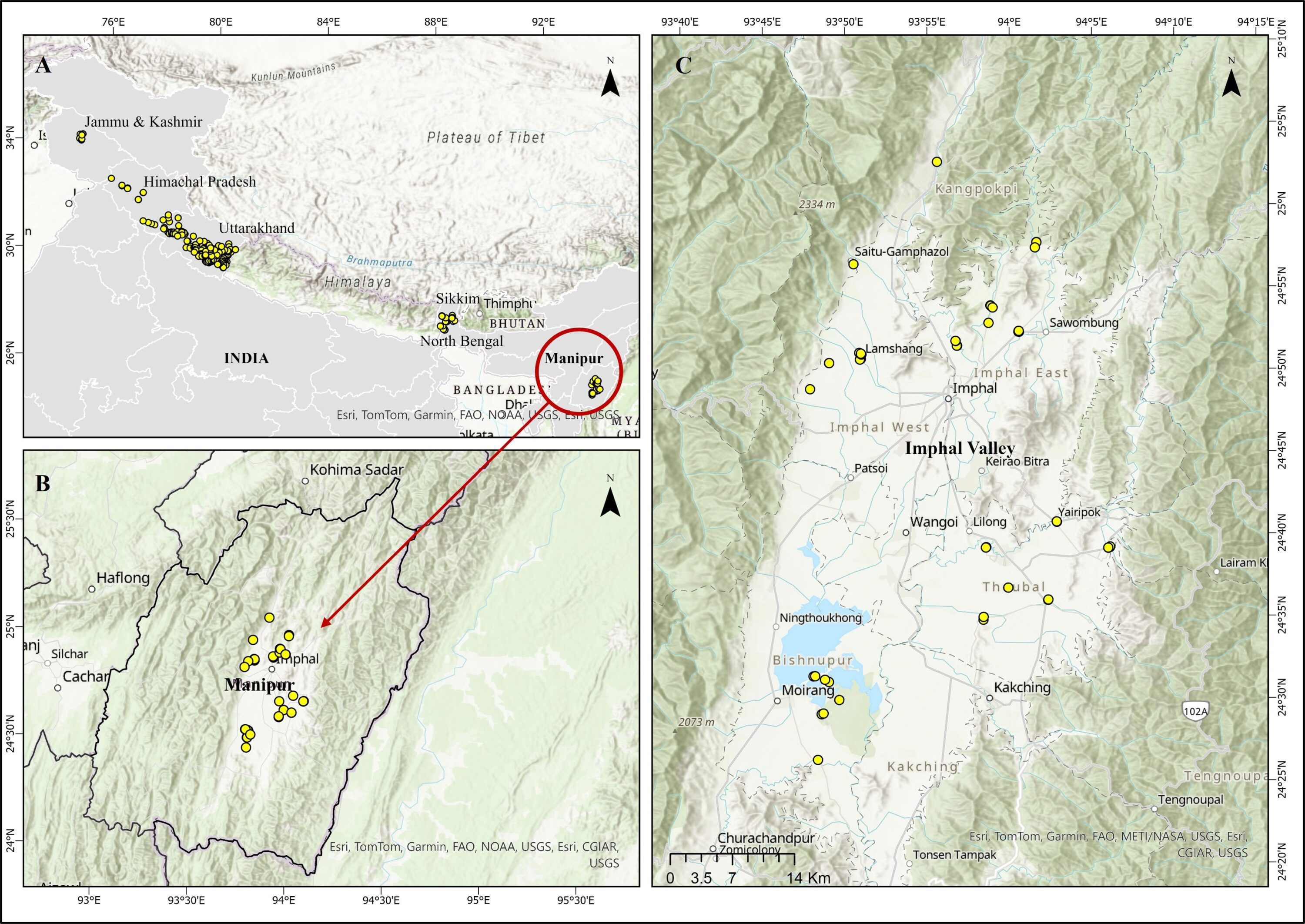
Morphology did not resolve the subspecies identity
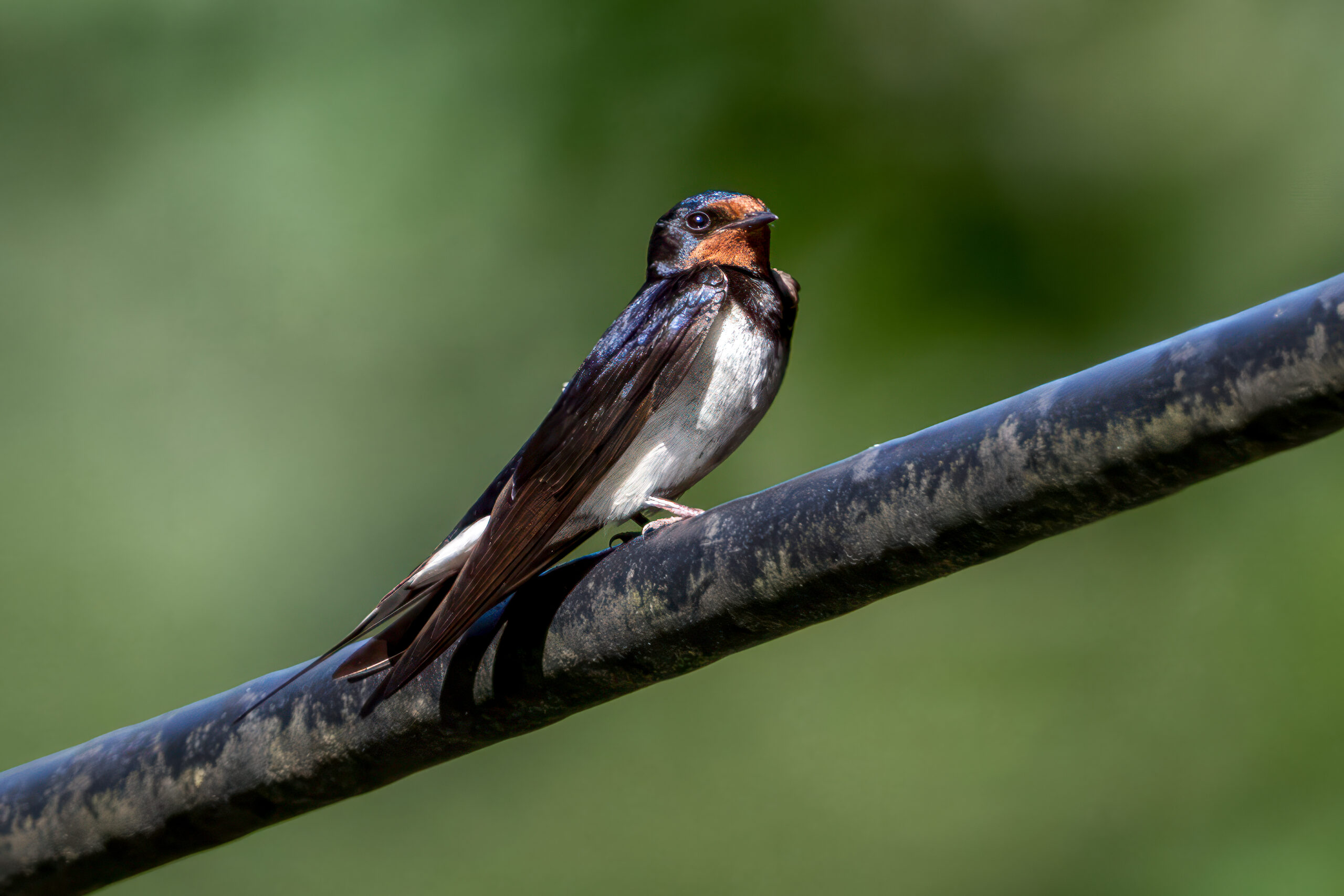
Male wing length ranged from 111 to 123 millimetres and female wing length from 111 to 122 millimetres. The measurements overlapped with available museum data for H. r. rustica, H. r. gutturalis and H. r. tytleri, so the researchers could not assign the Imphal Valley birds unambiguously to a single subspecies. The birds also showed substantial variation in throat, breast-band and underpart coloration.
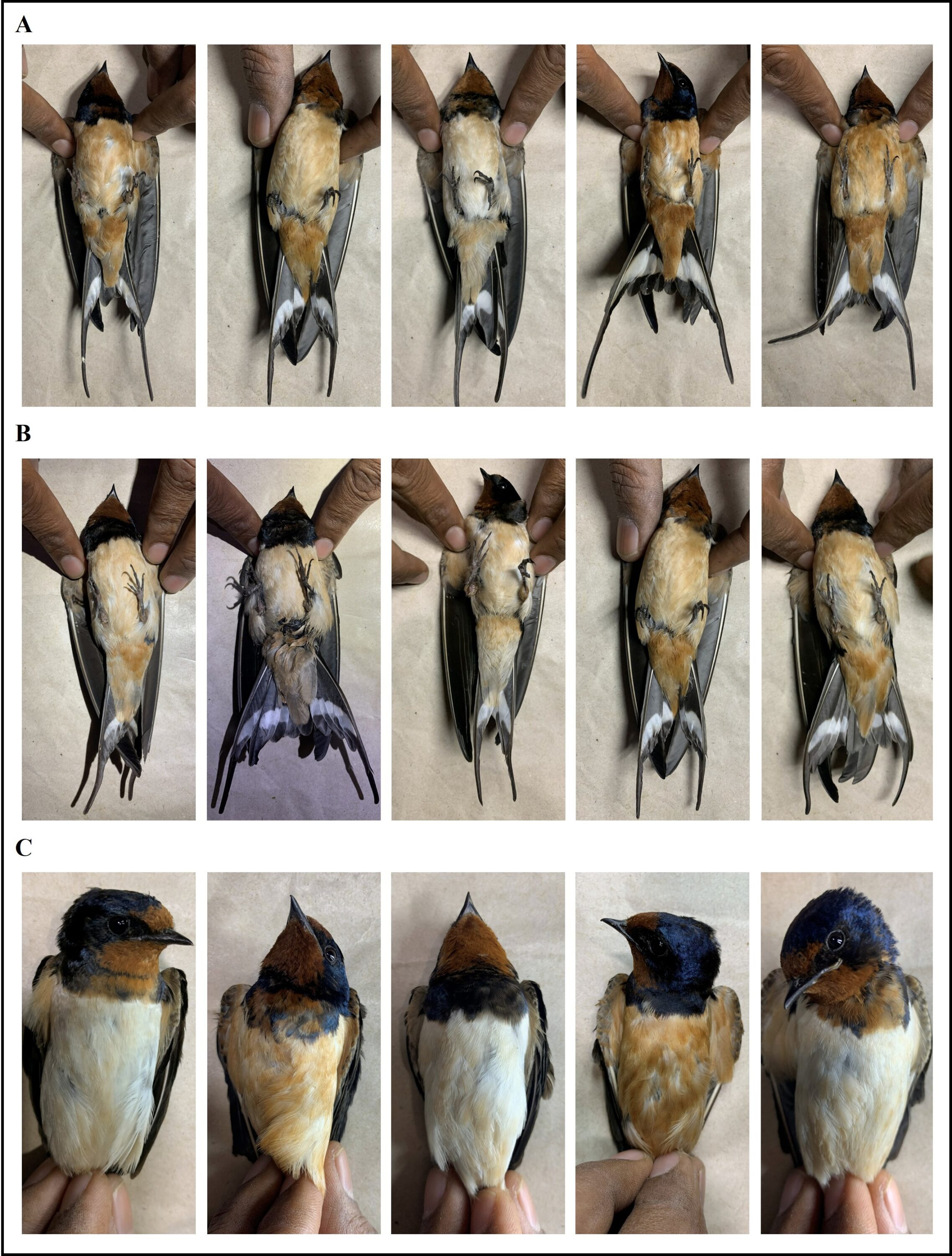
Evidence supported year-round residency
The population was identified as year-round resident from the continued presence of adults at nesting sites during both breeding and non-breeding seasons, information from property owners, and ringing of adults with uniquely coded metal bands that confirmed site fidelity over time.
The authors propose two non-mutually exclusive hypotheses for the population’s origin. One is a secondary colonisation involving H. r. tytleri and possible historical genetic exchange with H. r. erythrogaster. The other is a shift in migratory strategy in which Barn Swallows wintering in northeast India reduced or abandoned long-distance migration and became sedentary. Favourable climate and available nesting sites may also have helped the breeding population establish, but these ideas remain to be tested.
They recommend geolocators or stable isotopes to examine individual movements in more detail, genomic analyses to clarify subspecies identity and relationships with other populations, and long-term demographic monitoring to assess recruitment and persistence of the breeding population.
Ecology
Related news
Usutu Virus RNA Was Found Nearly Three Times as Often as West Nile Virus RNA in Southern France
Among 2,533 wild birds from 69 species in southern France, Usutu virus RNA was detected in 12.0% and…
Read story →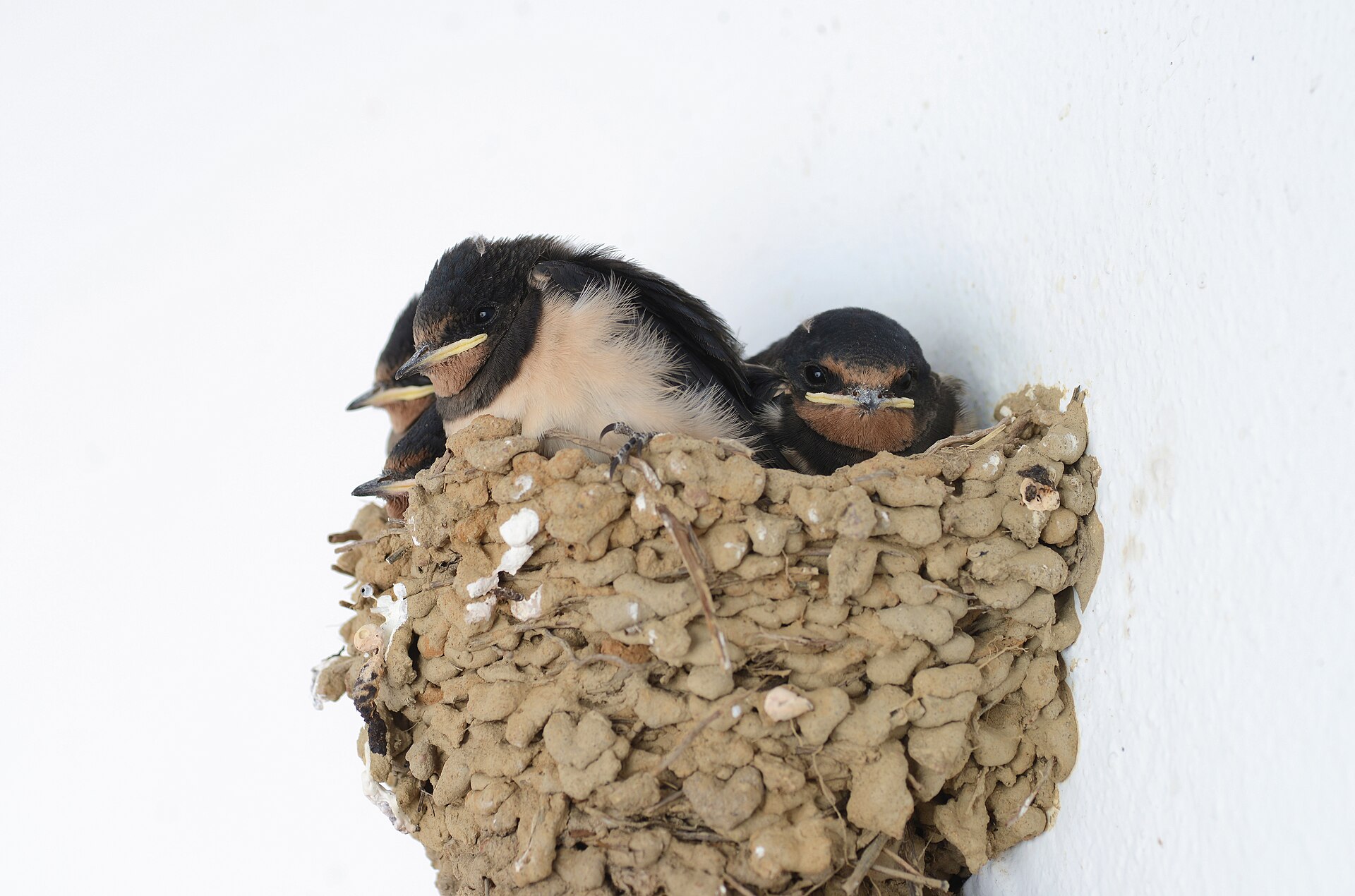
Larger Broods and Older Social Fathers Were Linked to Shorter Telomeres in Male Barn Swallow Nestlings
A long-term study near Milan found shorter telomeres in male barn swallow nestlings from larger broods or with…
Read story →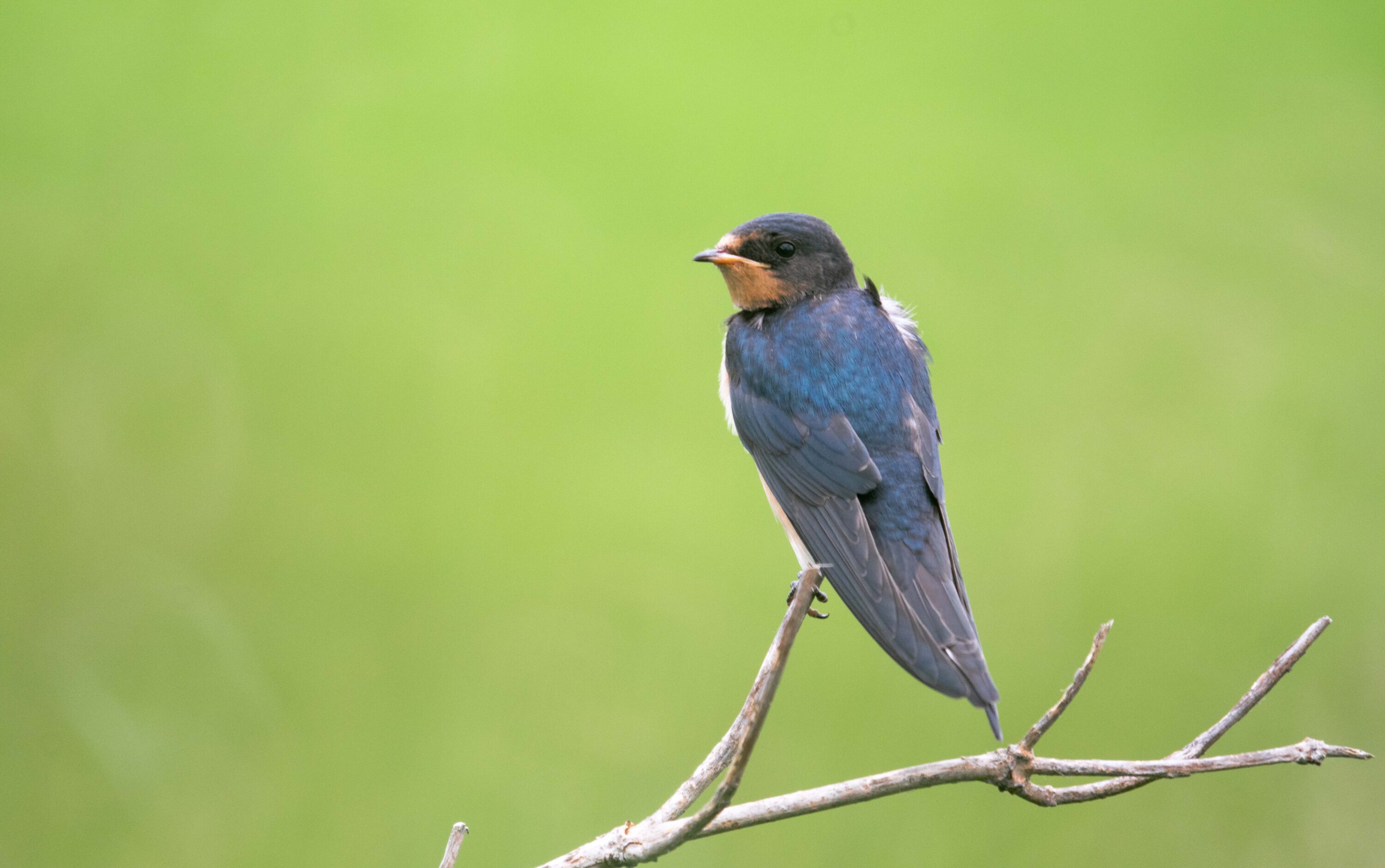
Mitochondrial DNA Reveals a More Complex Evolutionary History of Barn Swallows
A study of 580 complete barn swallow mitochondrial genomes found five major maternal lineages, including a newly recognised…
Read story →SPECIES IN THIS STORY
Species in this story
Independent research and conservation news archive
Did you find this information useful?
Wildlife Vagabond is independently built and maintained. Voluntary support helps cover source verification, hosting and continued work on research and conservation news.
Support Wildlife VagabondThe news archive will remain freely available.