
Severe Baboon Bark Stripping Reduced Annual Pine Diameter Growth from About 1.3 to 1.0 cm
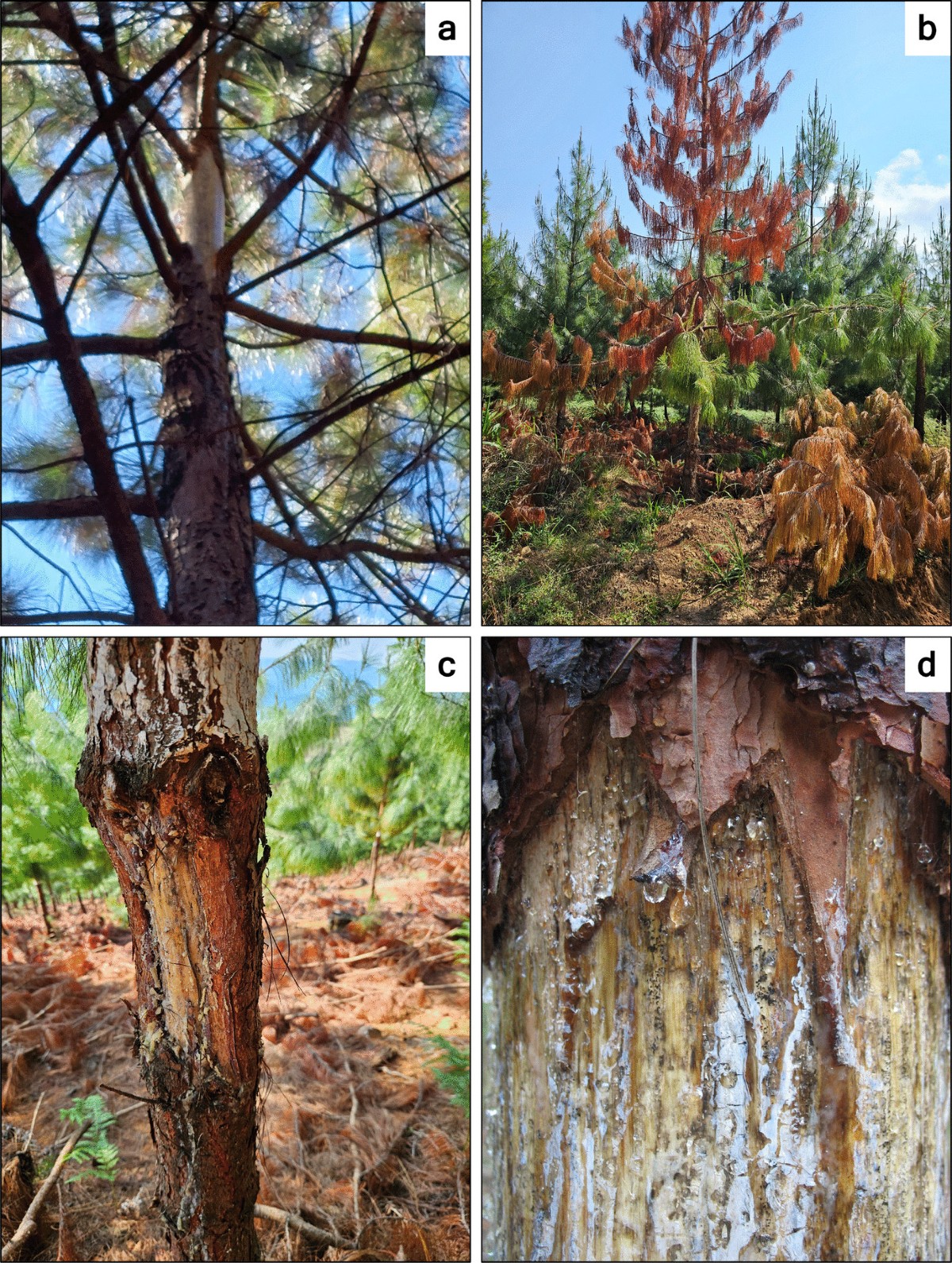
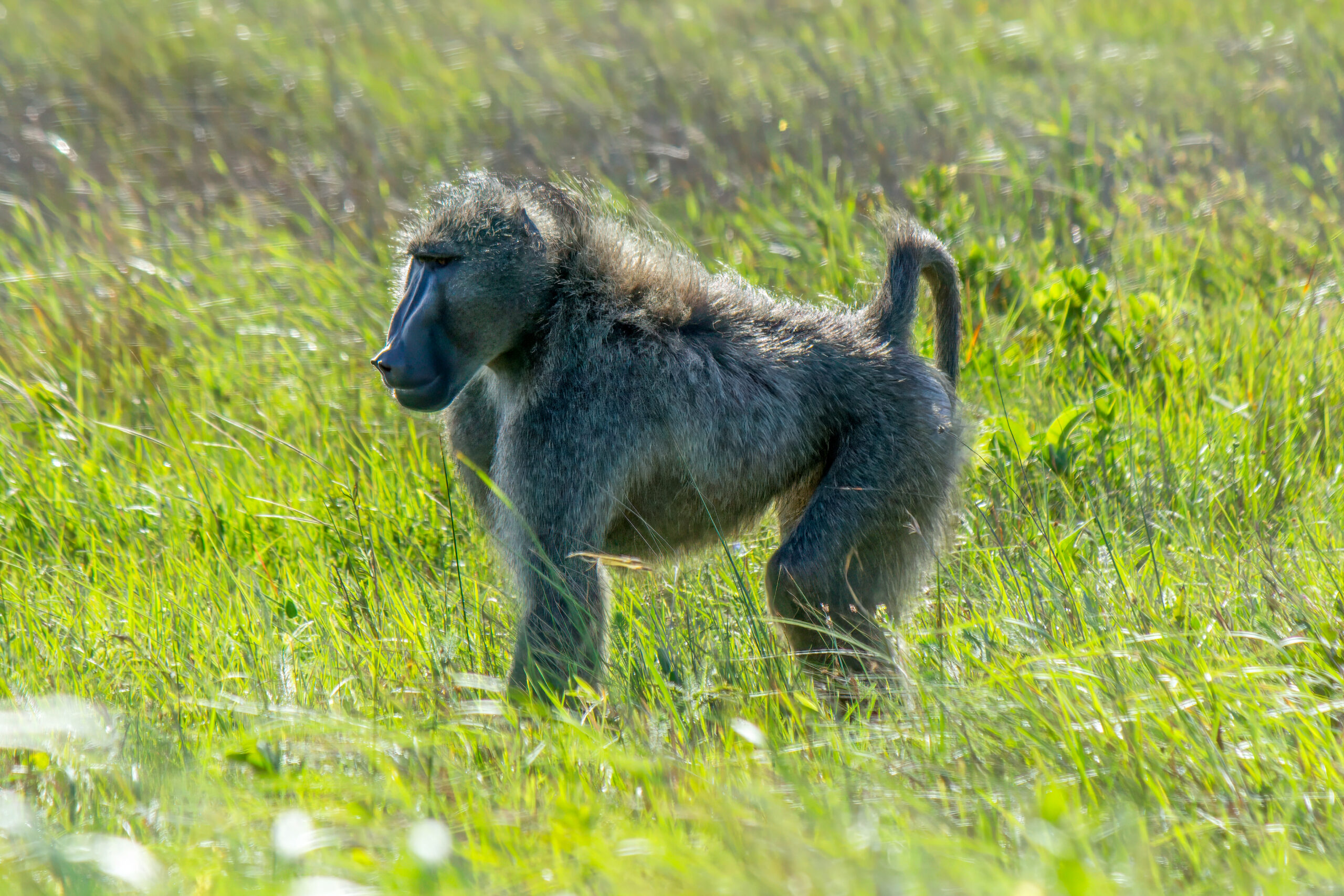
A 2026 study has quantified how bark stripping by chacma baboons (Papio ursinus) affects the growth, structure and survival of commercially grown pine trees in South Africa. The results show that severe damage can substantially reduce annual stem growth and increase mortality risk.
Researchers analysed 23,928 trees at 23 monitoring sites in commercial pine plantations in Mpumalanga Province. Each site had been followed for at least five consecutive years. The monitoring recorded how much of each stem had been stripped, the number and position of lesions, tree diameter, growth and structural defects.
Damage ranged from 8% to 87% of trees among sites
Bark stripping varied greatly among sites. The proportion of affected trees ranged from 8% to 87%, with an average of 37%. Damaged trees were also much more likely to show structural defects: about 51% of damaged trees had stem defects compared with 13% of undamaged trees. Broken stems and multiple stems were among the most common forms of damage.
Baboons tended to strip bark from larger trees. Across the data set, damaged trees had an average stem diameter about 1.0 cm greater than undamaged trees. The pattern changed, however, when bark loss became extreme. Trees with very severe girdling — removal of more than 75% of the bark around the stem — had smaller diameters, which the researchers interpret as evidence that severe damage suppresses subsequent growth.
Severe damage reduced annual diameter growth
The annual diameter measurements showed this effect directly. Undamaged trees increased in diameter by about 1.3 cm per year, while trees in the most severe damage category grew by about 1.0 cm per year. Increasing girdling severity was strongly associated with progressively lower annual diameter growth. The authors link this suppression to disrupted transport through the phloem and impaired function of the cambium, the growth layer beneath the bark that produces new wood and bark.
Survival was also affected. The model showed a steady increase in mortality as bark damage became more severe, although larger trees were generally less likely to die than smaller ones. This means that the same larger trees that were more often selected for bark stripping could still be more resilient to mortality unless damage became severe.
The measured biological effects capture only part of the forestry cost
The authors stress that the measured growth and mortality effects represent only part of the economic impact on forestry. The study did not quantify losses from poorer timber grade, stem decay, reduced merchantable volume, lower sawmill recovery or several additional operational costs. They therefore call for broader economic assessment alongside biological monitoring.
For plantation management, the researchers recommend targeted monitoring, predictive modelling and early detection in areas where damage is most likely. The study frames bark stripping as a persistent human–wildlife conflict in the plantation landscape: a natural feeding behaviour by baboons can produce measurable losses in an economically important forestry system.
Human–wildlife conflict
Related news
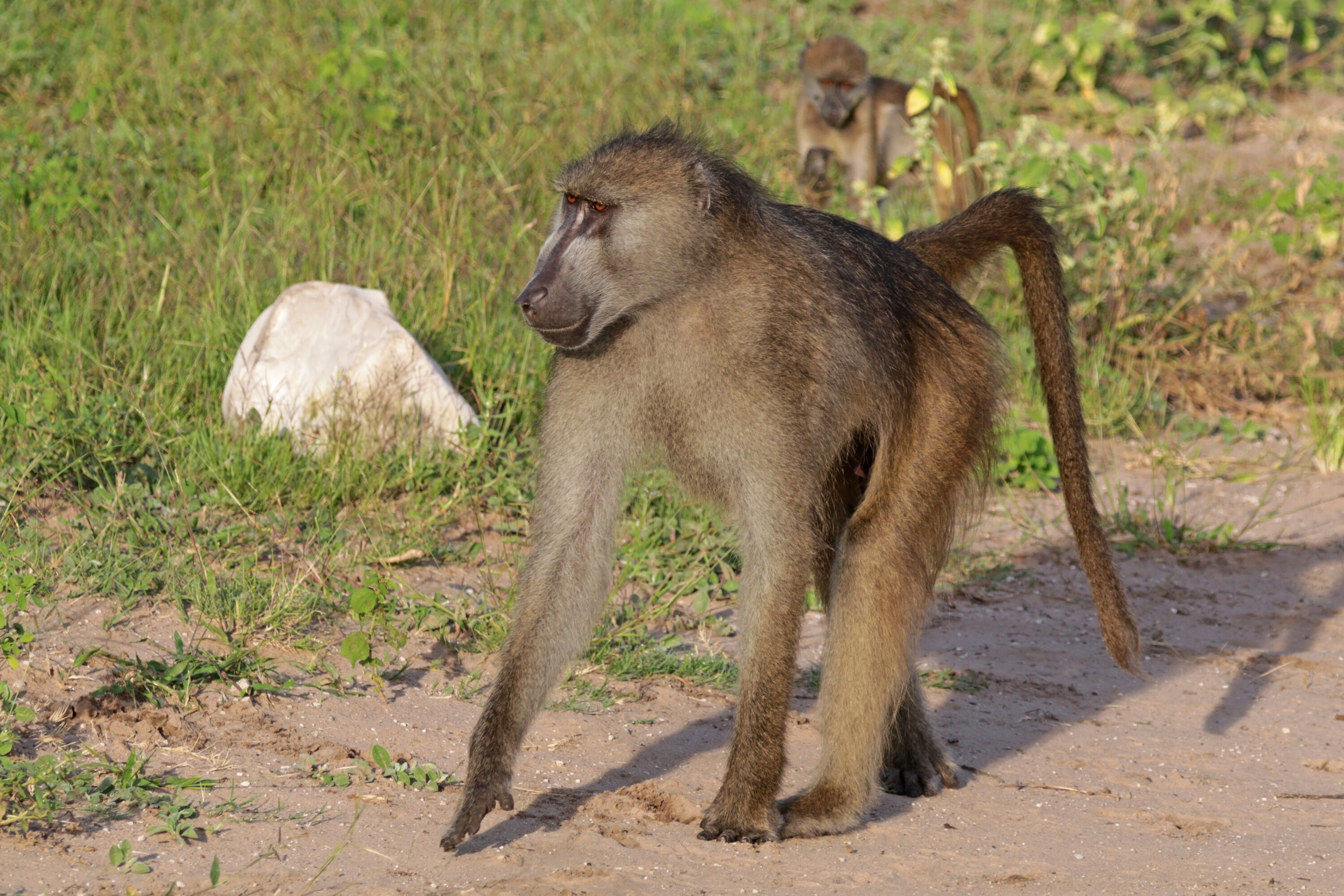
Vigilance was the most common context for bipedal behaviour in chacma baboons
Researchers recorded 231 bipedal bouts in wild chacma baboons in Gorongosa. Vigilance was the most common context, while…
Read story →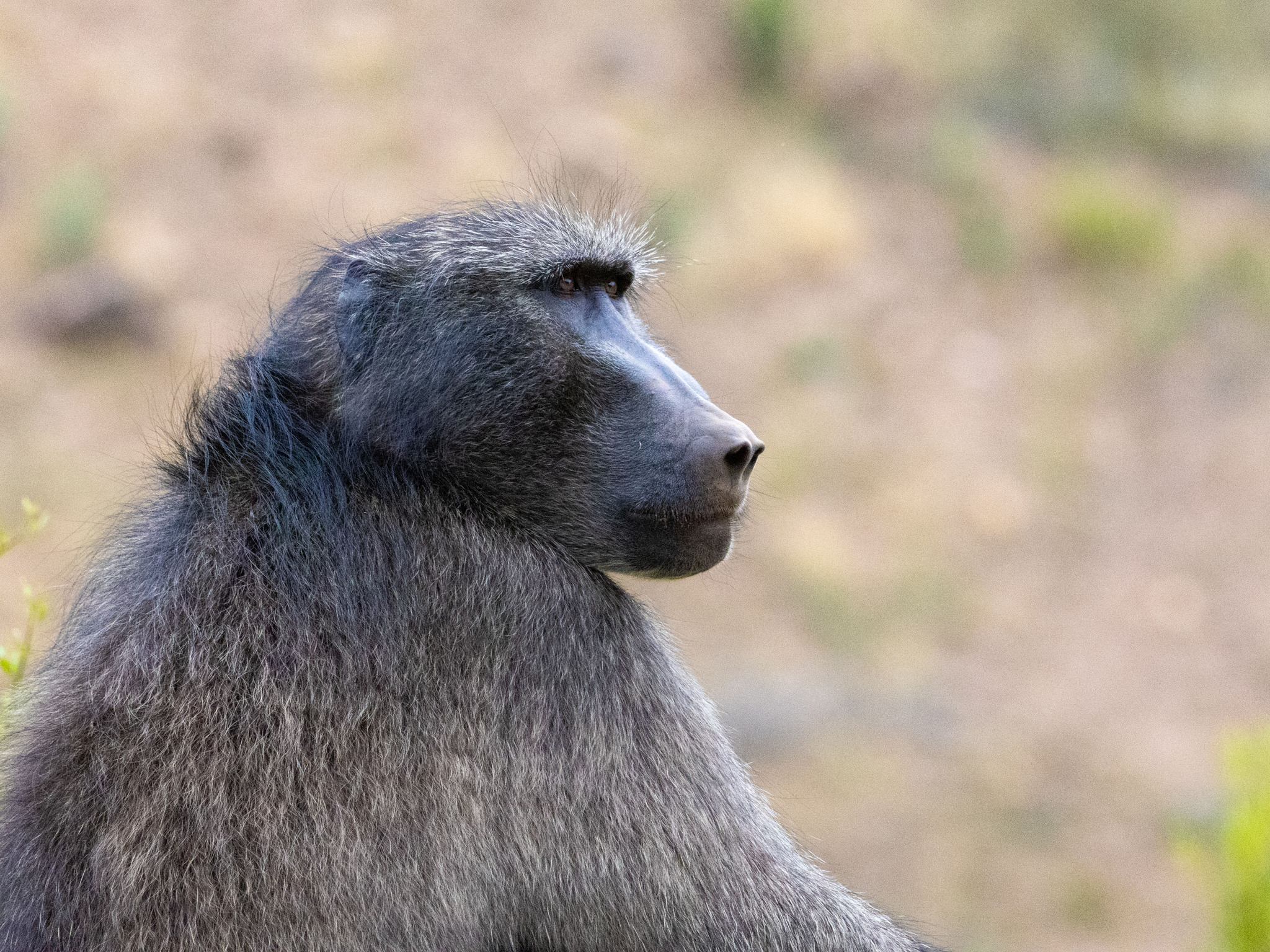
Intense vigilance was the behavioural response most closely linked to human disturbance in Garden Route baboons
Three Cape chacma baboon troops showed similar overall activity budgets across a human-disturbance gradient, but intense vigilance was…
Read story →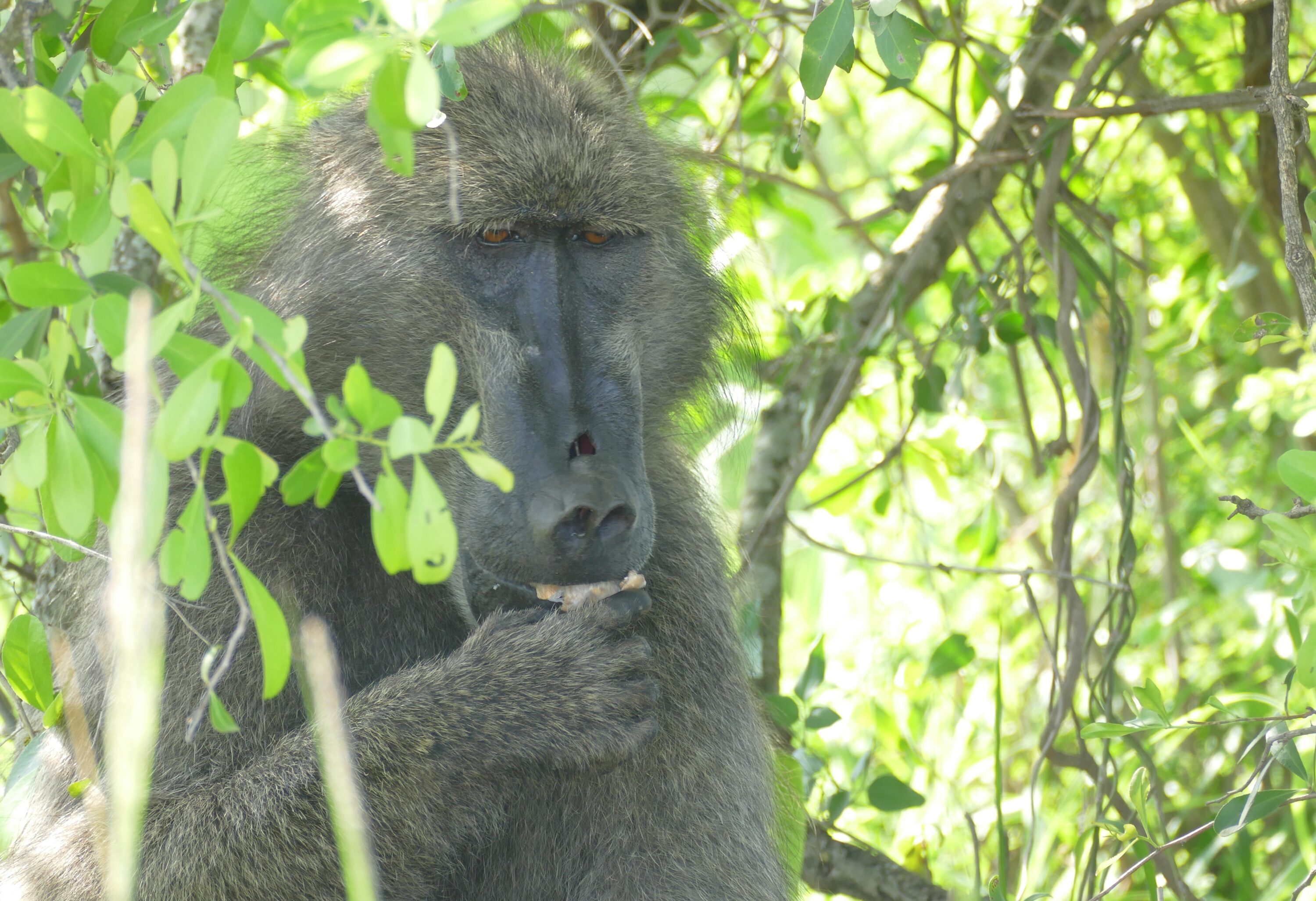
Chacma baboons deposited more seeds in the dry season, and seedlings emerged from defecated seeds
Researchers recovered 23,132 seeds from 240 chacma-baboon scats in Suikerbosrand, with more seeds deposited in the dry season…
Read story →SPECIES IN THIS STORY
Species in this story
Independent research and conservation news archive
Did you find this information useful?
Wildlife Vagabond is independently built and maintained. Voluntary support helps cover source verification, hosting and continued work on research and conservation news.
Support Wildlife VagabondThe news archive will remain freely available.