
Chital Contributed 72% of Prey Biomass in Chitwan Tiger Scat DNA Analysis
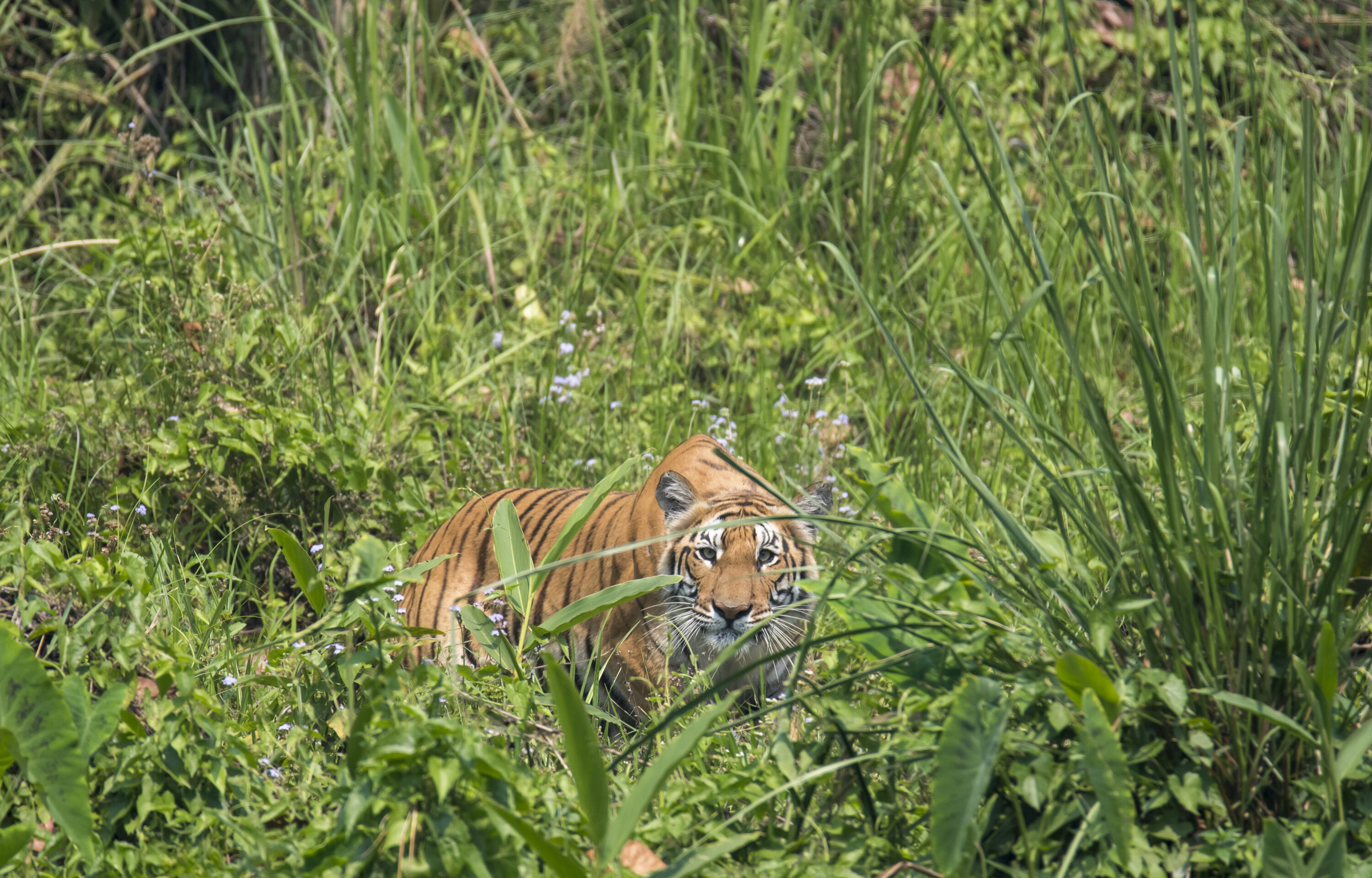
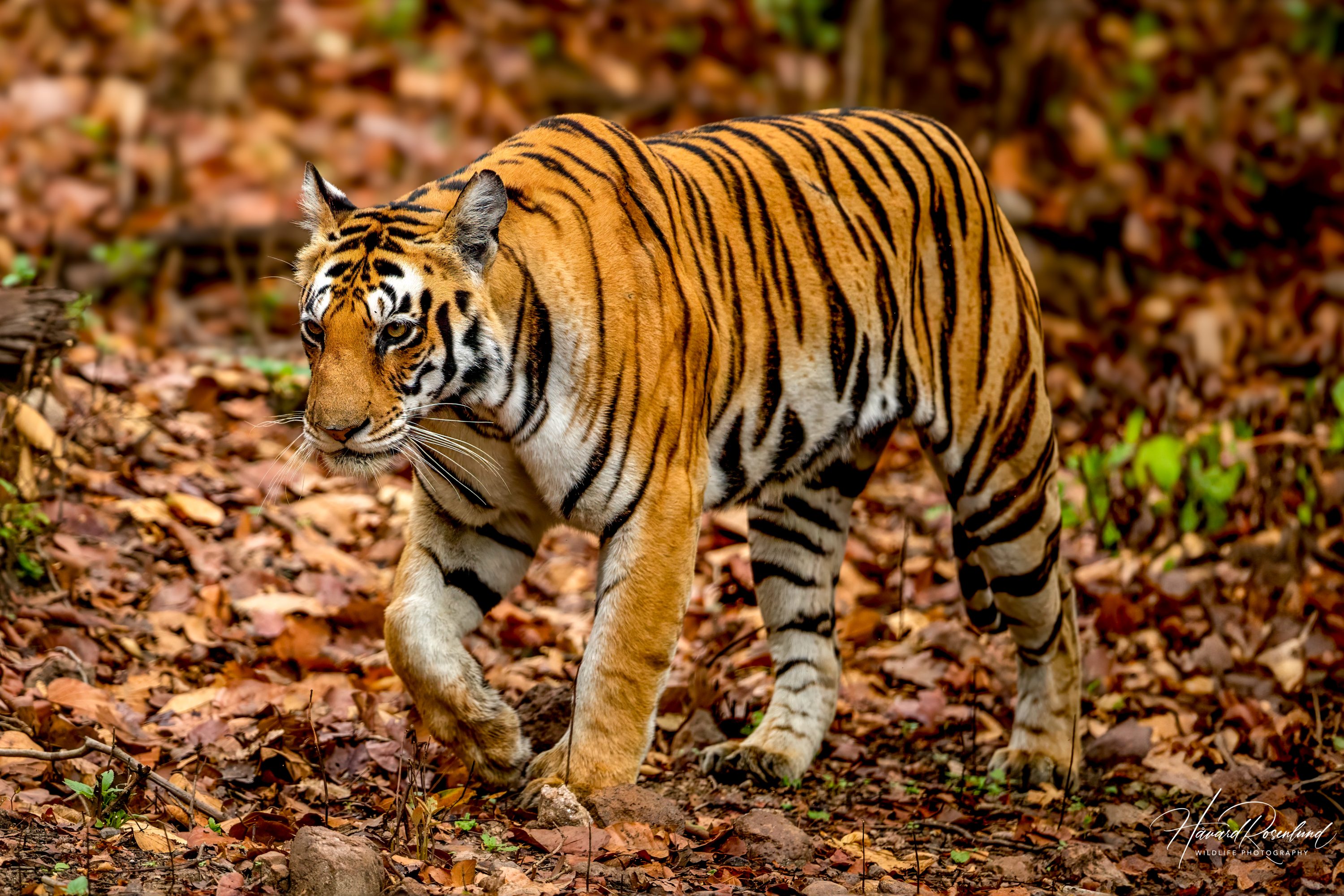
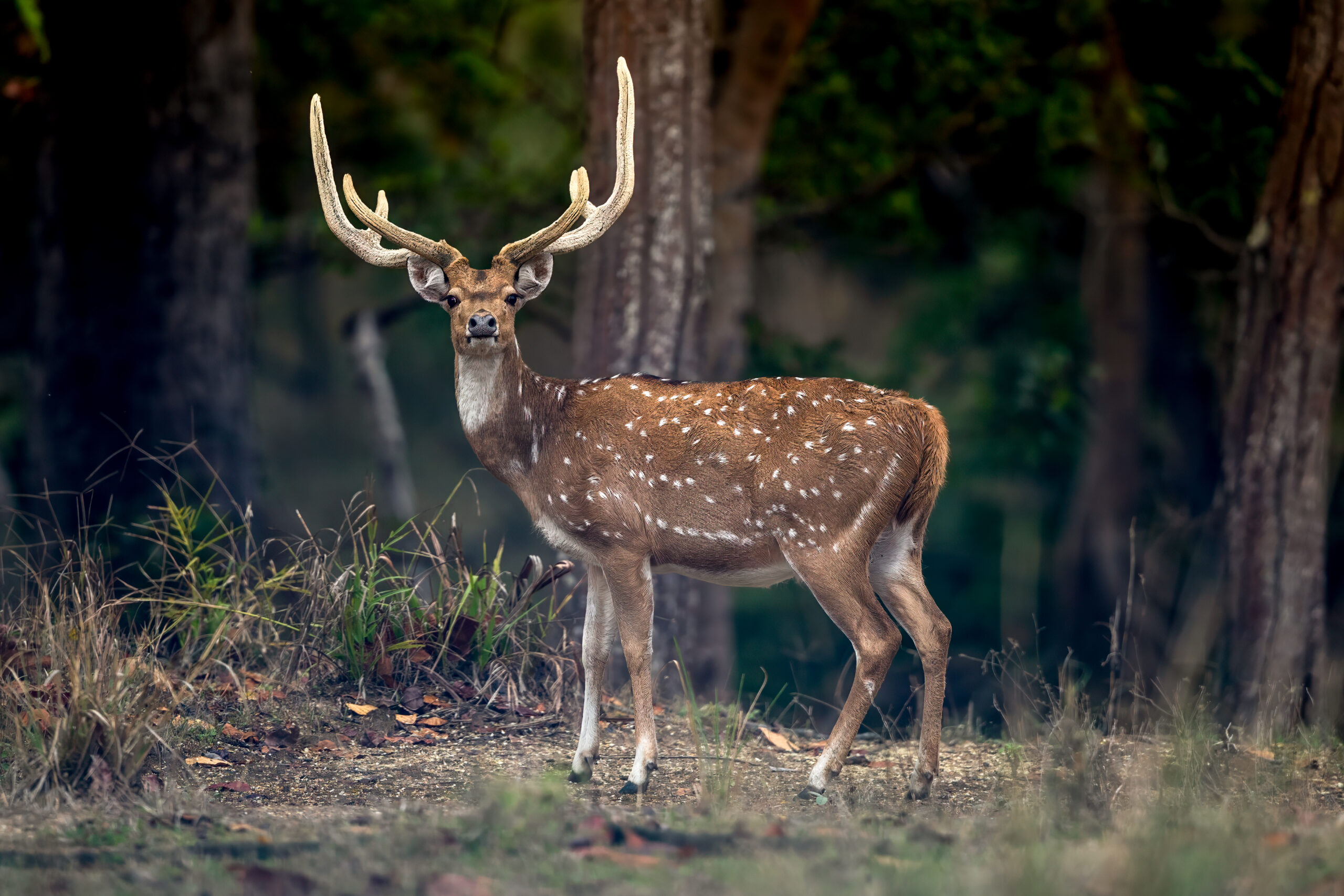
A study of tigers (Panthera tigris) in and around Chitwan National Park in Nepal found that chital (Axis axis) dominated the diet reconstructed from scat DNA. DNA metabarcoding identifies prey from the mixture of DNA in scat by matching short genetic markers to reference sequences. In this analysis, chital was detected in 70.7% of the metabarcoded tiger scats and accounted for an estimated 72.2% of the relative prey biomass consumed. The study was first published on 8 April 2026 in Ecology and Evolution.
Researchers collected 135 carnivore scat samples during the dry season in 2024, including 93 from the national park and 42 from the buffer zone. Genetic identification confirmed 81 as tiger scats. Of these, 58 contained enough prey DNA for the metabarcoding analysis, while 78 were suitable for microscopic examination of prey hairs and other remains.
Chital contributed about 72% of the estimated prey biomass
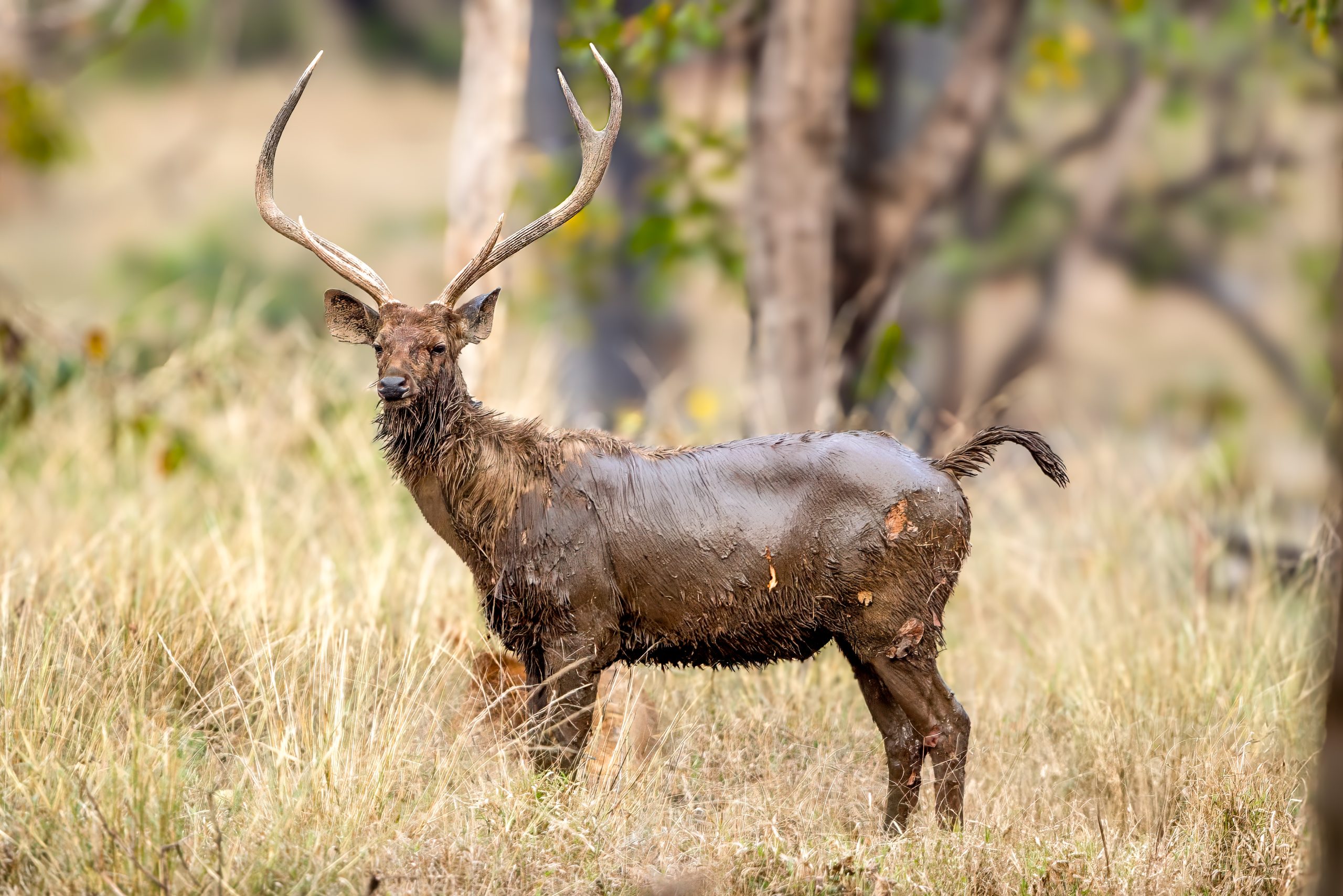
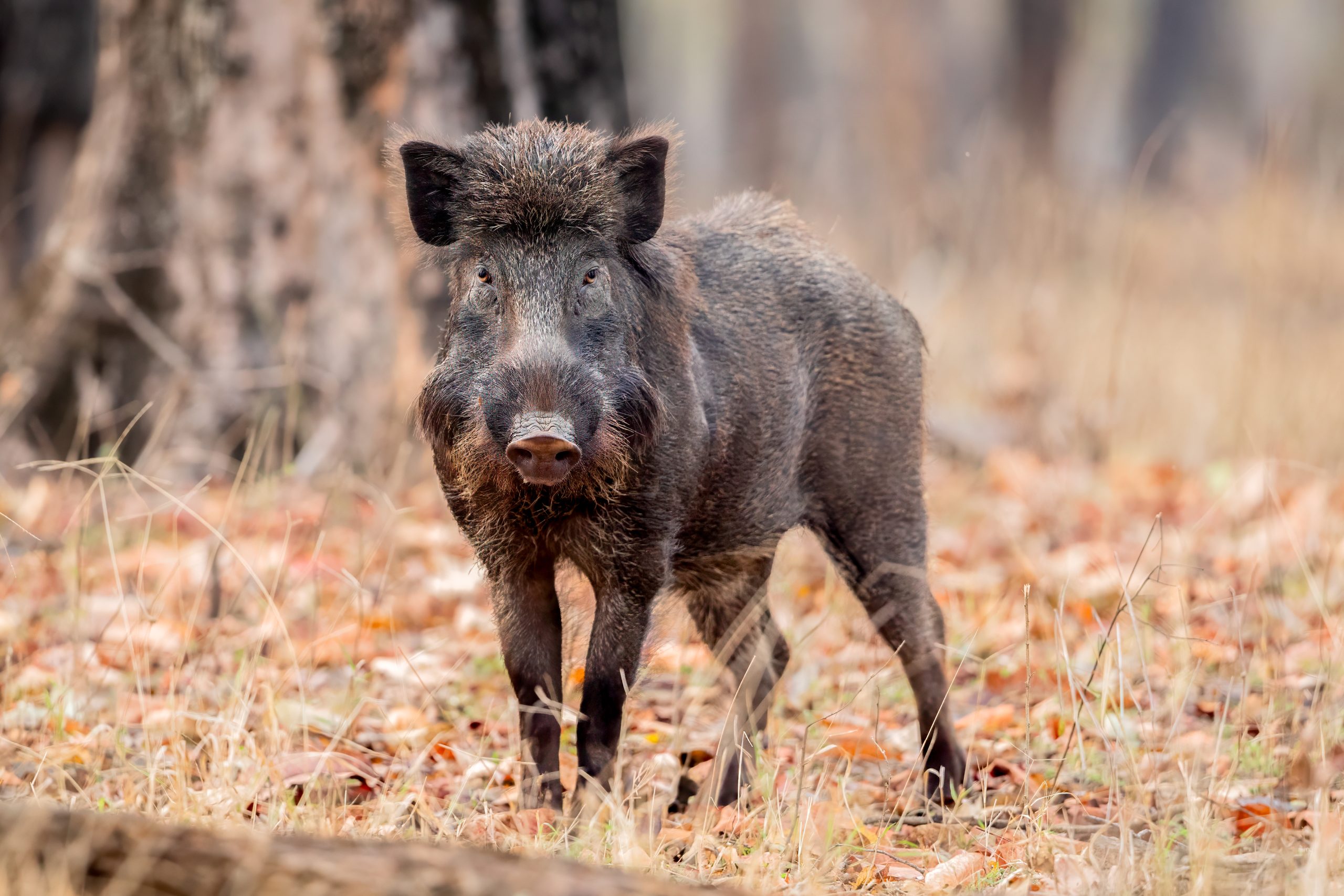
Both methods identified seven prey taxa, but not exactly the same taxa, and the estimated contribution of individual prey species also differed between methods. The researchers therefore used the DNA-metabarcoding results for the subsequent analysis of prey preference and differences between the national park and buffer zone. In addition to chital, important prey included sambar deer (Rusa unicolor), hog deer (Hyelaphus porcinus) and wild boar (Sus scrofa). In the DNA-based biomass estimates, sambar contributed 13.6% and hog deer 8.8%, making them the next two largest contributors after chital.
Hog deer ranked as the most strongly selected prey
When prey use was compared with prey availability, hog deer ranked as the most strongly selected prey, followed by wild boar and chital. The authors describe this as a preference for medium-sized prey. Chital nevertheless contributed by far the largest share of estimated biomass because it was both common in the landscape and frequently consumed.
Diet composition also differed between habitats. Seven prey taxa were detected in tiger scats from the national park, compared with three in the buffer zone. Chital was the most frequent prey in both areas, while wild boar, rodents, monkeys and red junglefowl (Gallus gallus) were detected only in samples from inside the national park.
No livestock DNA was detected, but the sample cannot rule out livestock predation
No livestock was detected in the analysed tiger scats from either the national park or the buffer-zone forests. The authors note, however, that livestock predation is known from the buffer zone and that scats from the relatively small number of conflict-causing tigers may not have been included in the sample. They therefore use the result to describe the diet represented by the collected samples rather than to conclude that livestock predation does not occur.
The researchers conclude that maintaining diverse and abundant wild prey is important for tiger conservation in Chitwan. They particularly emphasize conservation of medium-sized prey alongside larger ungulates, both to support the tiger population and to reduce conditions that can increase reliance on livestock. They also caution that the DNA metabarcoding analysis was based on 58 tiger scats, including only 20 from the buffer zone, all collected during a single dry season; the results therefore may not represent the full prey assemblage across seasons.
Ecology
Related news

Inland Mute Swans Had Higher Winter Body Condition Despite Harsher Winters and Supplemental Feeding
A study of 853 mute swans from four Polish wintering regions found higher body condition inland than on…
Read story →
Gut Microbiomes Across Nine Kruger Mammals Clustered More Strongly by Dietary Group Than Species
A study of 89 quality-filtered faecal samples from nine wild mammals in Kruger National Park found that carnivores,…
Read story →
Dunnock Spring Passage Advanced by Up to 8.3 Days Over 61 Years at Hel
Standardised ringing data from northern Poland showed that the first, median and last phases of dunnock spring passage…
Read story →SPECIES IN THIS STORY
Species in this story
Independent research and conservation news archive
Did you find this information useful?
Wildlife Vagabond is independently built and maintained. Voluntary support helps cover source verification, hosting and continued work on research and conservation news.
Support Wildlife VagabondThe news archive will remain freely available.