
Pilot Study Found Multidrug-Resistant Bacteria in Wild Common Wood-Pigeons
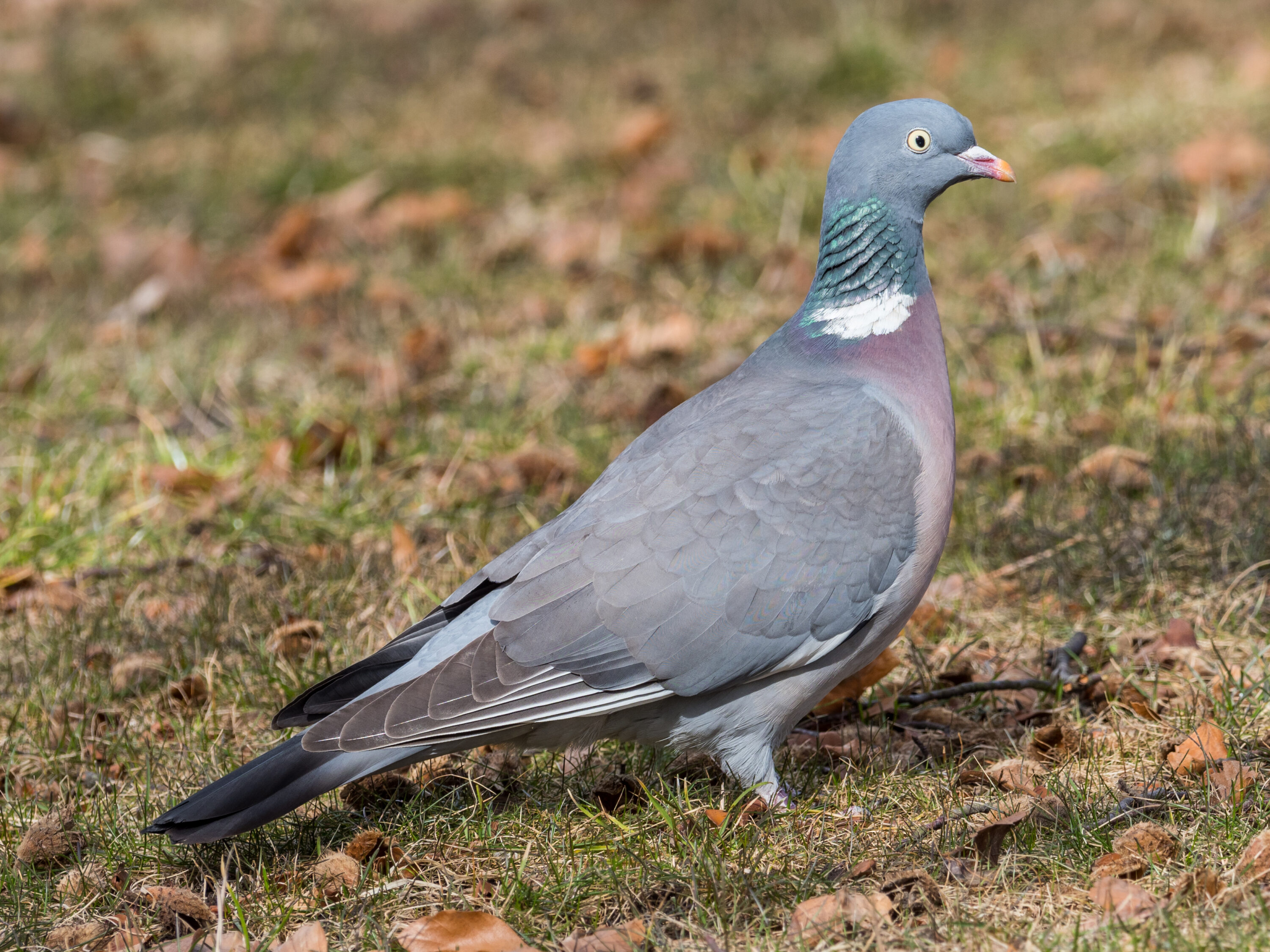
A Hungarian pilot study has examined whether the common wood-pigeon (Columba palumbus) could help reveal how antimicrobial-resistant bacteria are distributed across landscapes shared by people and wildlife. Researchers analysed cloacal samples from wild birds collected in two areas around a provincial town and found resistant bacteria at both sites.
The study was published on 6 April 2026 in Environments. The birds had been legally harvested as part of population control rather than killed specifically for the research. Sixteen samples came from each of two circular study areas, giving 32 samples in total.
Bacteria were recovered from almost every sample
Culture produced bacterial growth from 31 of the 32 samples. The researchers obtained 60 isolates, of which 48 could be identified. Thirty-five isolates were then tested for antimicrobial susceptibility using an automated laboratory system.
The bacterial communities differed in the balance between Gram-positive and Gram-negative bacteria at the two sites. This was the only clear difference the researchers found between the sampling areas.
Six of 35 tested isolates were multidrug resistant
Several isolates nevertheless showed resistance to medically important antimicrobial groups. Six of the tested isolates were multidrug-resistant. These included methicillin-resistant Staphylococcus gallinarum and Mammaliicoccus lentus, as well as two carbapenem-resistant isolates of Pseudomonas fluorescens. One Escherichia coli isolate was susceptible to all antimicrobial agents tested.
A small pilot, not a landscape-wide antimicrobial-resistance map
Common wood-pigeons are widespread and increasingly use towns, farmland and other human-modified environments. This makes them potentially useful for studying bacteria at the boundary between human activity and wildlife. The authors describe the species as a promising candidate for environmental surveillance rather than an already established bioindicator.
The study was deliberately small and exploratory. The authors note that the limited sample size and the culture-based method restrict how far the results can be generalized, and the work was not designed to provide a definitive map of antimicrobial resistance around the town. Instead, it demonstrates that resistant bacteria can be recovered from wild common wood pigeons and provides a basis for larger surveys across more landscapes and seasons.
Disease, parasites & microbiology
Related news
Type A Trichomonas Was More Than Twice as Prevalent in British Birds at Supplementary-fed Sites
Type A of the bird parasite Trichomonas gallinae was more than twice as prevalent in British birds at…
Read story →
Rotavirus A Antibodies Were Common in Feral Pigeon Samples but Rare in Wood-Pigeon Samples in Germany
A German study detected rotavirus A-reactive antibodies in 79.2% of free-ranging feral pigeons and 77.0% of domestic pigeons,…
Read story →
Microscopic Hooklet Numbers Varied Across a Common Wood-Pigeon Flight Feather
Scanning electron microscopy of one ninth primary feather from an adult common wood-pigeon mapped hooklet numbers across 68…
Read story →SPECIES IN THIS STORY
Species in this story
Independent research and conservation news archive
Did you find this information useful?
Wildlife Vagabond is independently built and maintained. Voluntary support helps cover source verification, hosting and continued work on research and conservation news.
Support Wildlife VagabondThe news archive will remain freely available.